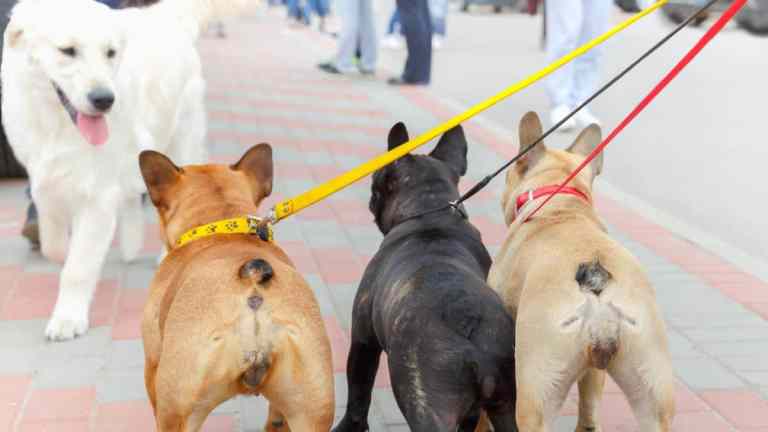
French Bulldogs might have a reputation for being lazy little loafs, but don’t be fooled – every dog needs exercise, even the flat-faced ones snoring on the sofa. While they’re not built for marathons, that doesn’t mean you can skip the walk altogether.
The truth is, Frenchies need a careful balance of movement and rest to stay happy and healthy. Not too much, not too little. And in the UK – where the weather can go from heatwave to hail in five minutes, understanding their unique exercise needs is essential.
In this guide, we’ll bust the myths, explain what your Frenchie really needs based on age and personality, and show you how to keep them moving safely in all seasons.
How Much Exercise Do French Bulldogs Really Need?

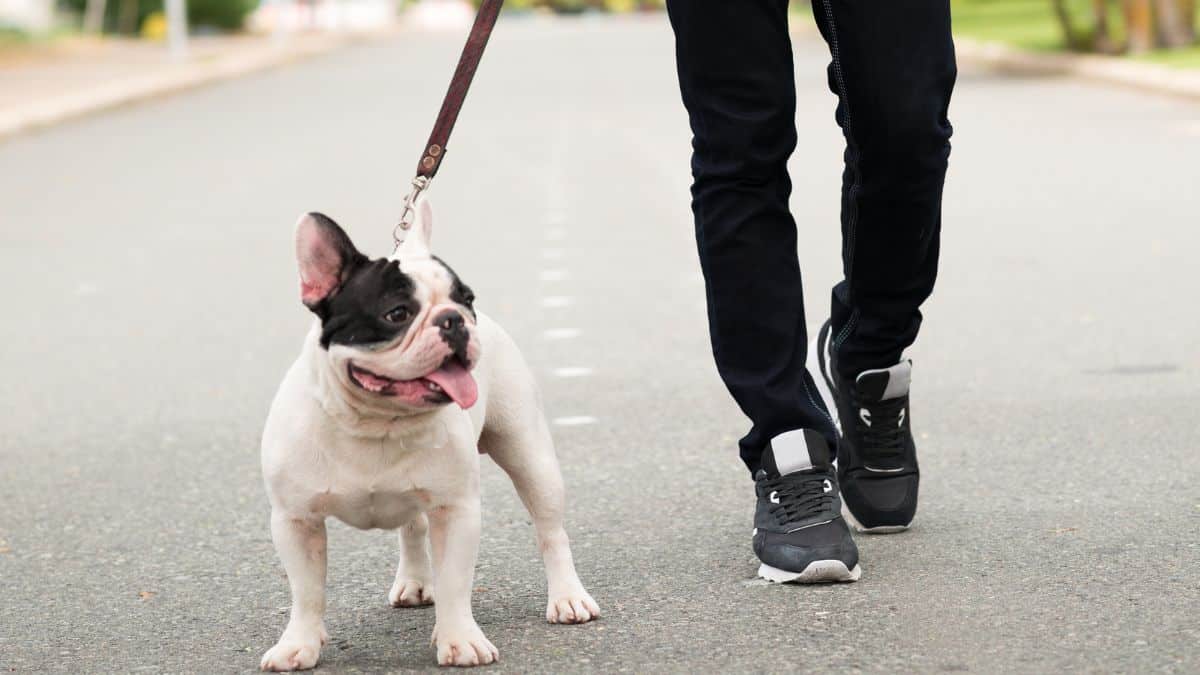
On average, most adult French Bulldogs need around 45 to 60 minutes of exercise per day. That might sound like a lot for a breed often labelled as lazy, but it’s important to break it up and tailor it to your dog’s energy levels, age, and health.
Some Frenchies will be content with two short walks and a bit of indoor play. Others, especially younger or leaner ones – may surprise you with their stamina and need more stimulation.
A quick breakdown by age:
|
Age |
Recommended Daily Exercise |
Notes |
|---|---|---|
|
Puppy (2–6 months) |
5 mins per month of age, twice a day |
Keep walks short and on lead |
|
Teen (6–12 months) |
30–45 mins, broken into 2 sessions |
Watch out for overexertion |
|
Adult (1–7 years) |
45–60 mins total |
Walks plus enrichment play recommended |
|
Senior (8+ years) |
20–40 mins, gentle walks |
Monitor joints and energy closely |
Keep in mind: these are just guidelines. Some Frenchies are happy with 30 minutes, others need more to avoid boredom and behaviour issues. Always let your dog set the pace. If they’re dragging behind or lying down mid-walk, they’re done.
Frenchie Fitness: Why Too Much Exercise is Risky
Unlike high-energy breeds, French Bulldogs aren’t built for endurance. Their flat faces (brachycephalic structure), compact build, and tendency toward joint issues make overexercising a serious risk.
Pushing a Frenchie too hard – especially in warm or humid weather – can lead to overheating, breathing distress, or collapse. Even on cooler days, extended or intense sessions can strain their spine, hips, or knees.
Signs your Frenchie is overdoing it:
If you see any of these, stop immediately, offer water, and let them rest somewhere cool. If symptoms don’t resolve quickly, call your vet.

Quick Tip
Avoid long walks or high-energy games around midday during warmer months – early morning or evening is best.
What Counts as Exercise for a French Bulldog?
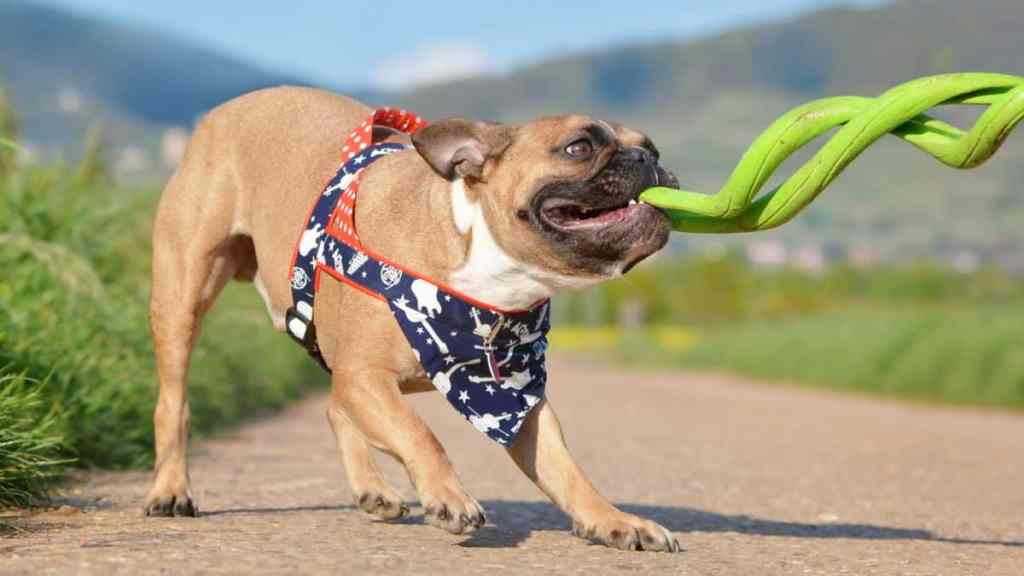
Exercise doesn’t have to mean a long walk or a run in the park, especially for a Frenchie. For these compact charmers, “exercise” is more about gentle movement, short bursts of play, and keeping the mind engaged.
Ideal types of exercise:
Even pottering around the house following you from room to room counts. The key is consistency and moderation, not intensity.
How often?
Most French Bulldogs do well with one or two short walks a day, plus some indoor stimulation. But some Frenchies — particularly younger or leaner ones — may need more activity to burn off energy.
Quick Tip
Rotate indoor toys weekly to keep things fresh and mentally engaging without overexerting your Frenchie.
French Bulldogs & Weather: What UK Owners Need to Know
The UK’s unpredictable weather isn’t just a fashion problem – for Frenchies, it can be a genuine health risk. Their flat faces (brachycephalic features) and compact bodies make them more sensitive to both heat and cold than many other breeds.
Hot Weather
French Bulldogs overheat quickly, even on mild summer days, and this isn’t just about comfort, it can be life-threatening. Due to their brachycephalic (flat-faced) anatomy, Frenchies have narrow airways and struggle to cool down effectively through panting, which is a dog’s main way of regulating body temperature.
Unlike breeds with longer snouts, a Frenchie’s compact nose and throat can collapse under stress, especially when they’re breathing heavily from heat or exertion. This makes heatstroke a serious risk and it can set in within minutes.
Even temperatures around 20°C can pose a danger, particularly during exercise or direct sun exposure.
What to watch out for:
What You Can Do:
Quick Tip
Because of their flat faces, French Bulldogs can’t thermoregulate efficiently, so once they start overheating, they can spiral fast. Prevention is everything.
Cold Weather
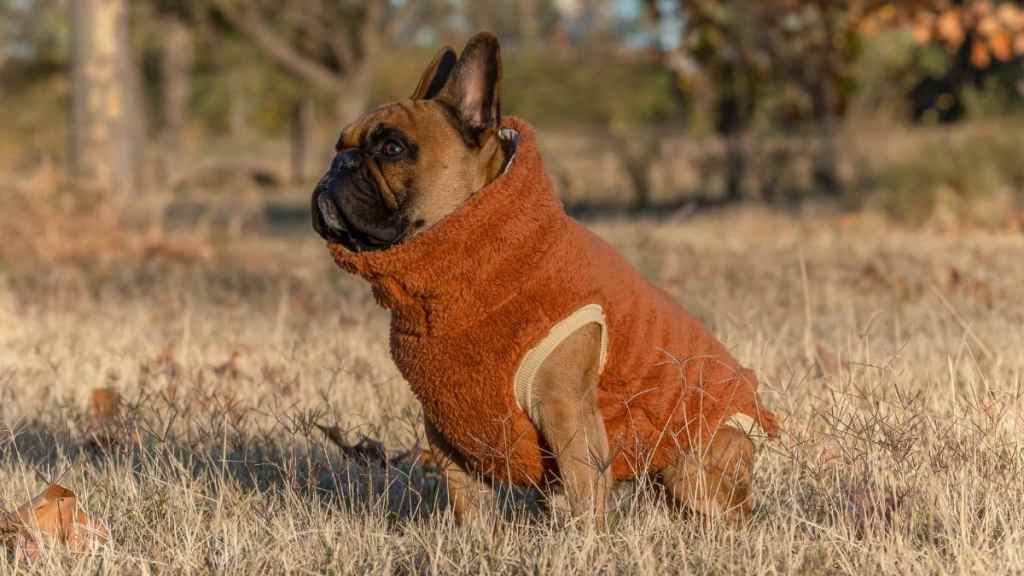
Frenchies aren’t built for the cold either, and it’s not just that they dislike the wind. Their short, single-layer coat offers little insulation. Add in their low body fat, stocky build, and proximity to the chilly ground, and they can lose heat rapidly in cold, damp conditions.
While some Frenchies act like tough little tanks outdoors, many are surprisingly sensitive to temperature drops. Shivering, stiffness, and reluctance to walk are all common signs your Frenchie is feeling the cold.
Why winter is tricky for Frenchies:
How to help:
Quick Tip
If you’re wearing a coat outside, chances are your Frenchie needs one too — and unlike many breeds, they actually appreciate the extra layer.
Indoor Play & Mental Stimulation for Frenchies
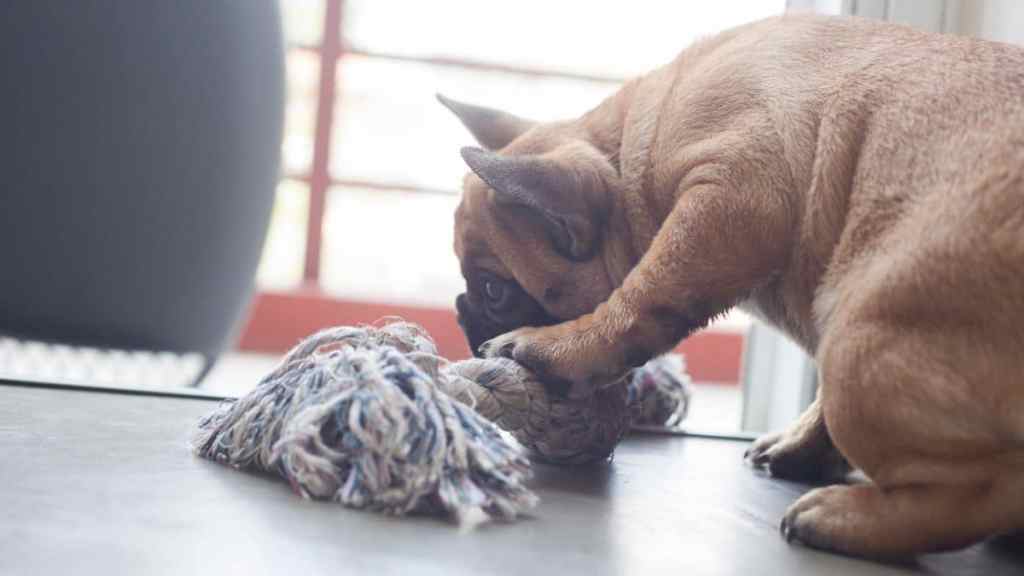
When outdoor walks aren’t an option — whether due to weather, health issues, or your Frenchie’s energy levels — indoor activities become essential. While French Bulldogs might not have the stamina of a working breed, they still need daily mental and physical stimulation to stay healthy, happy, and well-behaved.
Frenchies love to be entertained and they can get bored (and mischievous) quickly if they’re under-stimulated.
Top indoor exercise ideas:
Mental stimulation is just as important as physical exercise. A 10-minute training session can tire out a Frenchie’s brain more than a half-hour walk. And for dogs prone to overexertion or injury, this kind of low-impact activity is ideal.
Quick Tip
Rotate toys weekly to keep things exciting. Even a simple swap can reignite interest in an old favourite.
What Influences a Frenchie’s Exercise Needs?
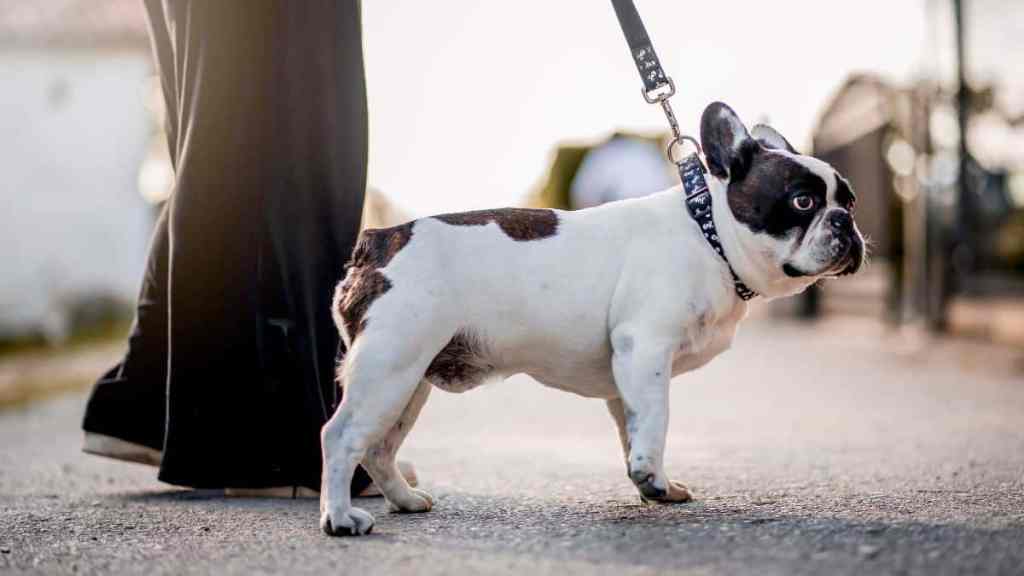
Not all French Bulldogs are created equal. While they share some common physical traits, individual differences in energy levels, health, and personality mean that no two Frenchies will need the exact same exercise routine.
Here’s what can affect how much (or how little) exercise your Frenchie actually needs:
1. Age
- Puppies may seem hyper but tire out quickly. Short, frequent bursts of play are best — overexercising can damage their growing joints.
- Adults typically need more structured walks and stimulation.
- Seniors slow down. They may prefer shorter walks or gentle play but still need regular movement to stay mobile.
2. Health Conditions
French Bulldogs are prone to:
- BOAS (Brachycephalic Obstructive Airway Syndrome) which limits how much they can safely exert themselves
- Spinal conditions like IVDD
- Joint problems including hip dysplasia or luxating patellas
If your Frenchie has any of these, always speak to your vet about safe activity levels.
3. Temperament
Some Frenchies are absolute couch potatoes. Others — especially those with more athletic builds — may surprise you with how much energy they have. Don’t assume laziness is guaranteed.
4. Weight
Overweight Frenchies may struggle with even mild walks. Gradual increases in exercise, paired with dietary adjustments, can help get them back on track.
5. Neutering Status
Some owners report changes in energy levels post-neutering. While not universal, it’s something to be mindful of as your dog develops.
Quick Tip
Keep a diary for a week. Track your dog’s activity levels, energy, and any signs of fatigue or overheating. It’ll help you build a routine that suits them, not just the average breed guide.
Warning Signs Your Frenchie Is Getting Too Much (or Too Little) Exercise
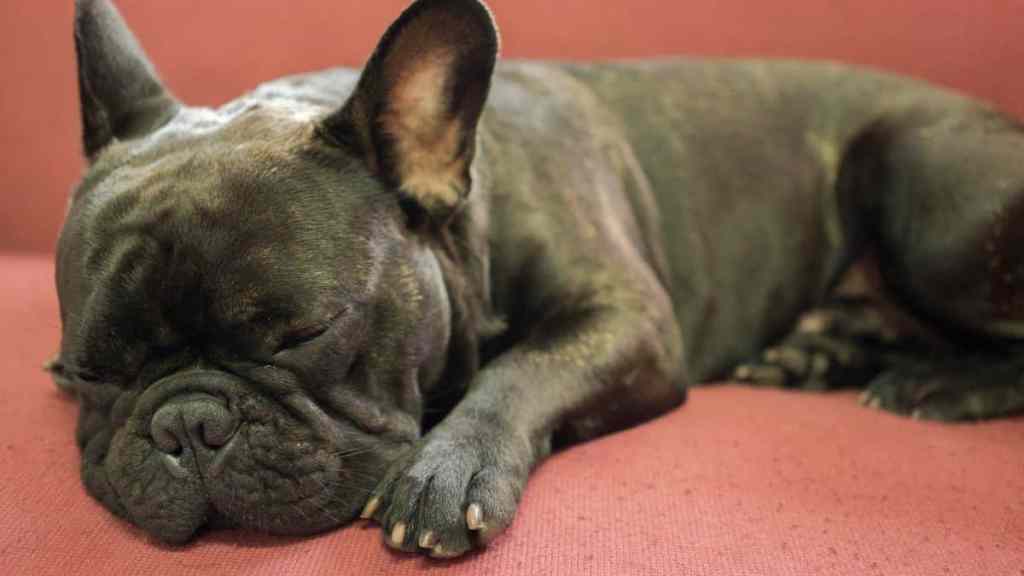
Finding the sweet spot for your French Bulldog’s activity levels is crucial. Too little, and they’ll become bored, overweight, or even depressed. Too much, and you risk injury, overheating, or long-term health issues. Here’s how to tell when you’ve got the balance wrong.
Signs Your Frenchie Might Be Overexercised:
Overexertion isn’t always obvious — sometimes it shows up hours later. Always err on the side of caution, especially in warmer weather.
Signs Your Frenchie Might Not Be Getting Enough:
Quick Tip
Tired doesn’t always equal well-exercised. Frenchies that are constantly exhausted may be overstimulated, not properly exercised. Aim for quality, not quantity — short, focused sessions that leave them happy, not drained.
How Much Exercise Does a French Bulldog Really Need Each Day?
There’s no one-size-fits-all answer, but for most healthy adult Frenchies, the sweet spot lies around 30 to 60 minutes of total activity per day — broken up into manageable chunks.
General guideline by age:
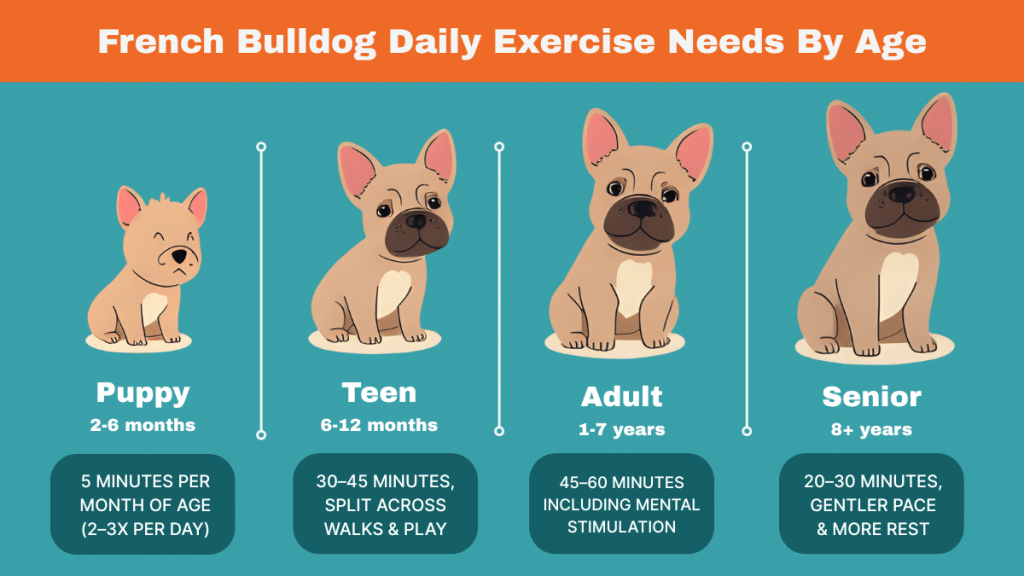
What this might look like in a typical day:
- Two short walks (10–20 mins each)
- One or two 5–10 minute indoor play/training sessions
- Opportunities to explore or sniff around the garden
- Mental stimulation from toys or interaction
Don’t try to cram in a full hour of fast-paced walking. That’s not Frenchie-friendly.
Do focus on balanced, low-impact activity that keeps them mentally and physically content — and leaves enough time for all-important naps.
Frenchie Exercise FAQs
Final Thoughts
So, how much exercise does a French Bulldog need?
In short: less than most breeds, but more than you might think. Frenchies thrive on gentle, consistent activity – not marathons. Around 30 to 60 minutes of movement and mental stimulation per day is usually enough to keep them fit, happy, and well-behaved.
But every Frenchie is different. Some are bouncy little clowns, others prefer snoozing under a blanket. The key is tuning into your dog’s energy levels, watching for signs of overexertion, and adjusting their routine with the UK’s unpredictable weather in mind.
If you’re prepared to get creative on rainy days and respect their limits on warmer ones, you’ll have a healthy, content companion who’s just the right amount of lazy.