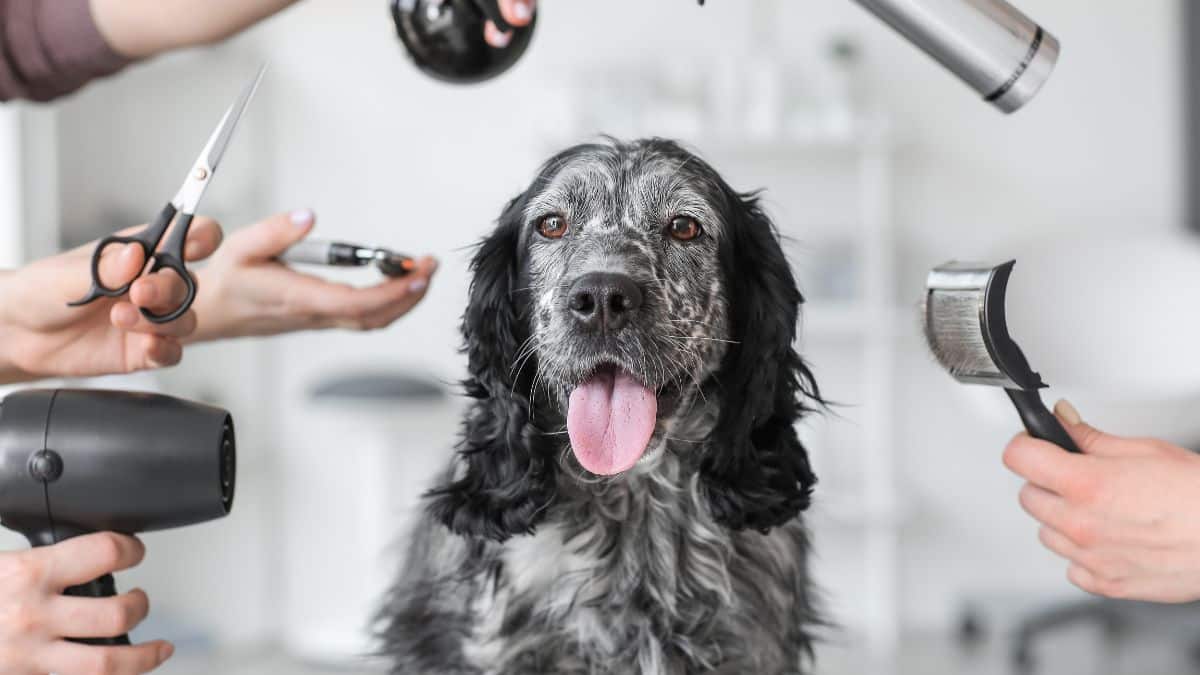
Let’s be honest – walking into the pet grooming aisle (or scrolling through Amazon) can be overwhelming. There are endless brushes, sprays, clippers, mitts, and gadgets all claiming to make grooming easier or more effective. But do you really need them all?
Not every dog grooming product is worth your money. In fact, many are unnecessary, especially when you’re just trying to build a practical routine that keeps your dog healthy, clean, and comfortable.
In this guide, we break down the essential dog grooming tools that genuinely make a difference, alongside a few popular items that are more marketing than must-have.
The Essentials: Tools Every Dog Owner Should Own
1. A Good Quality Brush (For Your Dog’s Coat Type)

The right brush is the cornerstone of any grooming routine. But not all brushes are created equal – and using the wrong type for your dog’s coat can do more harm than good.
- Slicker brushes work well for long-haired or curly breeds (e.g. Cockapoos, Poodles) as they remove tangles and loose undercoat.
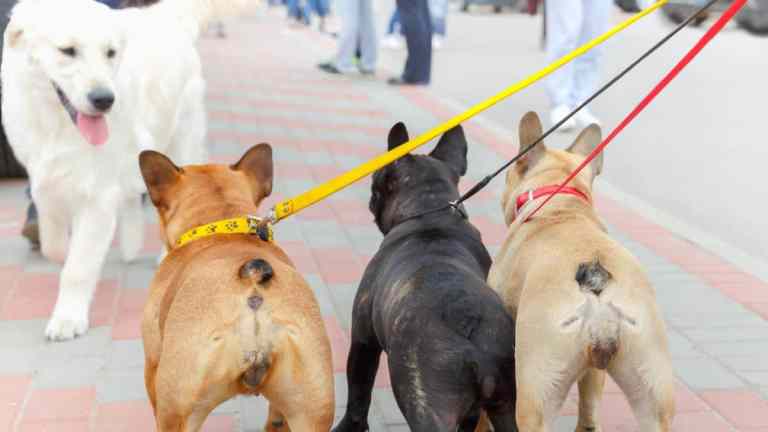
- Bristle brushes are best for short-haired breeds (e.g. French Bulldogs, Boxers) and help with daily shine.
- Deshedding tools like the FURminator are ideal for double-coated breeds (e.g. Labradors, Huskies) to control seasonal shedding.
2. Nail Clippers or a Nail Grinder
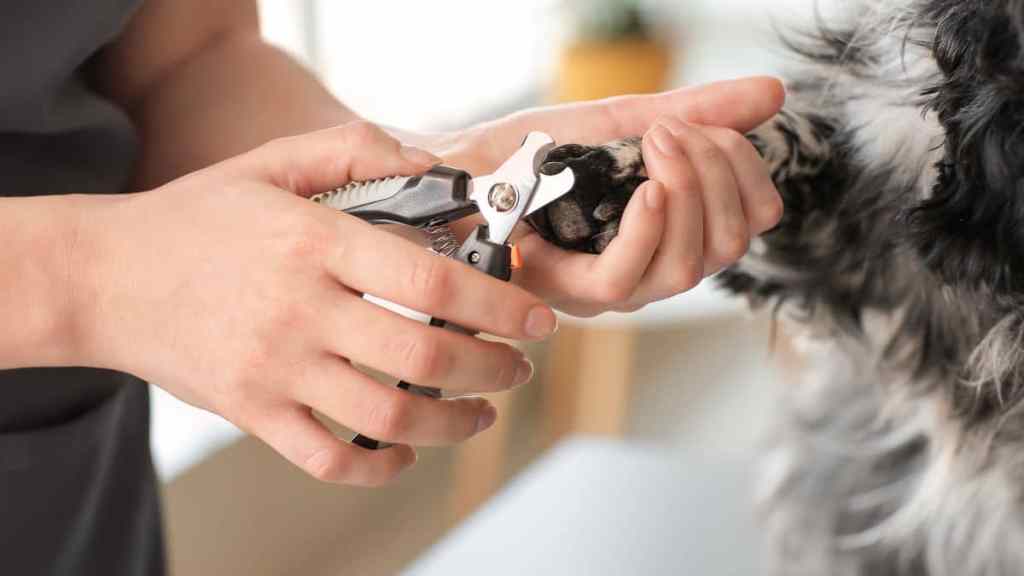
Overgrown nails can cause pain, posture issues, and joint problems. Keeping them in check is vital.
- Scissor-style clippers are best for larger breeds with thick nails.
- Guillotine-style clippers work for smaller breeds with softer nails.
- Nail grinders are great for smoothing rough edges and trimming incrementally.
3. Dog-Specific Shampoo

Human shampoo is a no-go – it can strip your dog’s skin and throw off their natural pH balance. Invest in a gentle, vet-approved dog shampoo suitable for your dog’s skin type.
- Oatmeal shampoos are great for sensitive or itchy skin.
- Medicated shampoos can help with conditions like dandruff, fungal issues or allergies (ask your vet first).
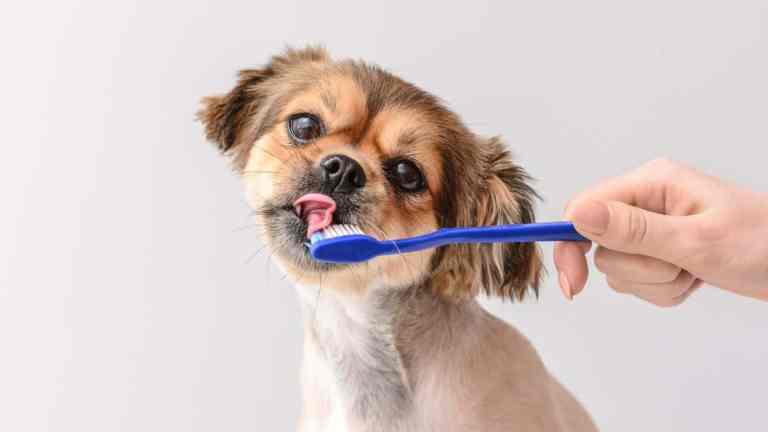
4. Dog Toothbrush & Toothpaste

Dental health is massively underrated. Plaque buildup can lead to bad breath, tooth decay, and even heart disease.
- Use a dog-specific toothbrush with soft bristles
- Always use enzymatic toothpaste made for dogs (never human toothpaste)
5. Dog Grooming Scissors (With Safety Tips)
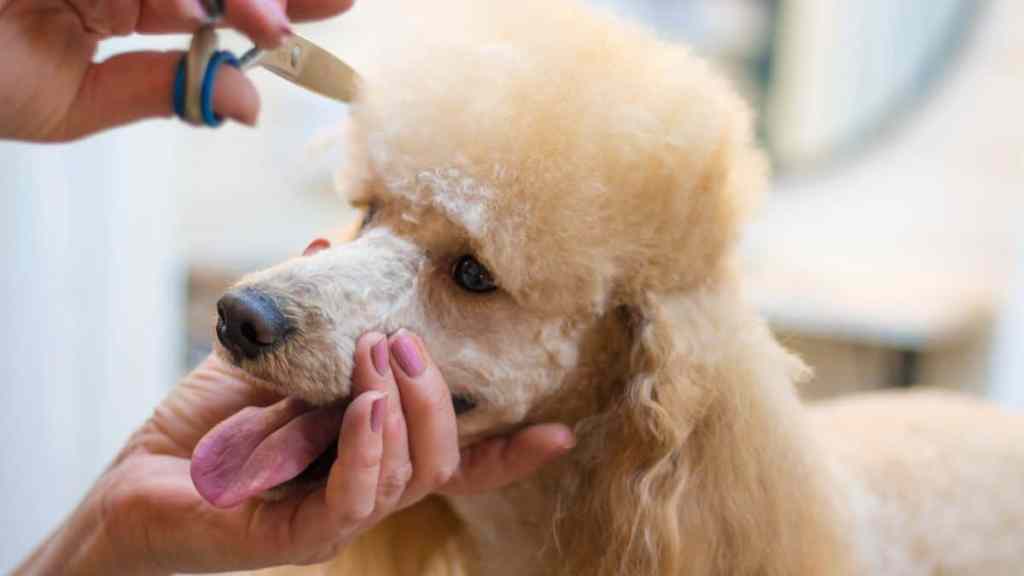
If you do any light trimming at home, like around the face, paws or hygiene areas, a good pair of safety-tipped scissors is invaluable.
6. Ear Cleaner (Vet Approved)

Some dogs are prone to wax build-up or ear infections, particularly floppy-eared breeds like Cocker Spaniels or Basset Hounds.
Use a gentle ear-cleaning solution and cotton pads or gauze – never cotton buds.
7. Lick Mat or Treat Dispenser (For Grooming Anxiety)

Grooming can be stressful for some dogs. Using a lick mat with xylitol-free peanut butter or a slow feeder with treats can keep them calm.
Nice-to-Haves (Optional But Helpful)
- Deshedding gloves for quick touch-ups on short-haired breeds
- Portable grooming table if you groom at home regularly
- Grooming wipes for muddy paws or in-between baths
- Dry shampoo for occasional freshening up without water
What to Skip (Overhyped or Unnecessary)
- Fancy dog colognes: Often packed with unnecessary fragrance and can irritate sensitive dogs.
- Dog hair dryers: Unless you’re grooming professionally, a towel and room temp air work just fine.
- Shaving tools for home use: Unless trained, it’s too risky — especially for double-coated breeds.
- Grooming mitts with rubber nodules: Often don’t do much for detangling or shedding.
Final Thoughts
You don’t need to spend a fortune on grooming tools to keep your dog healthy, clean, and looking great. A small, well-chosen toolkit tailored to your dog’s coat, nails, and routine is all you really need.
Focus on the basics: brushing, bathing, nails, ears, and teeth. Everything else is extra.
As your grooming confidence grows, you might find certain add-ons helpful — but don’t get swept up by gimmicks. Practical tools and a bit of patience go further than any fancy gadget.