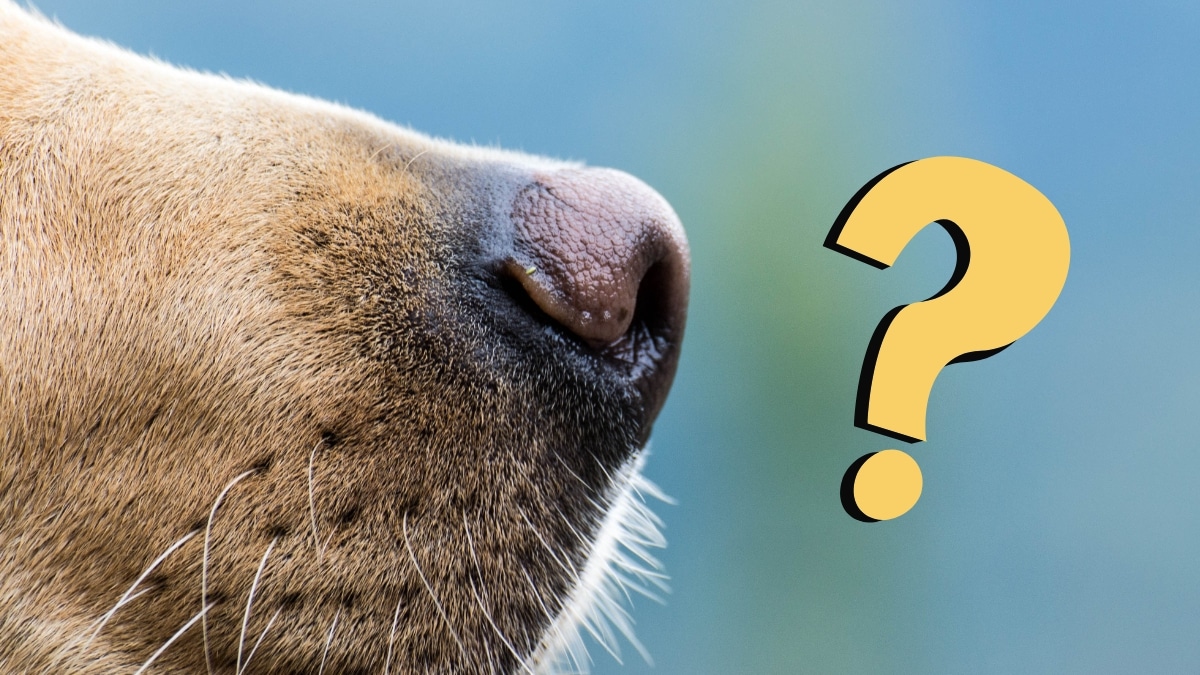
Dogs experience the world through their noses. While humans rely primarily on sight, a dog’s sense of smell is its most powerful tool for understanding its surroundings. From detecting medical conditions to tracking missing persons, a dog’s nose is an incredible biological marvel. But just how powerful is it? How does it compare to human olfaction? And which breeds have the best sense of smell?
This in-depth guide explores everything you need to know about the canine sense of smell—including how it works, how it compares to humans, the breeds with the best noses, and the real-world jobs that rely on a dog’s olfactory superpowers. 🐶👃
How Powerful is a Dog’s Sense of Smell?
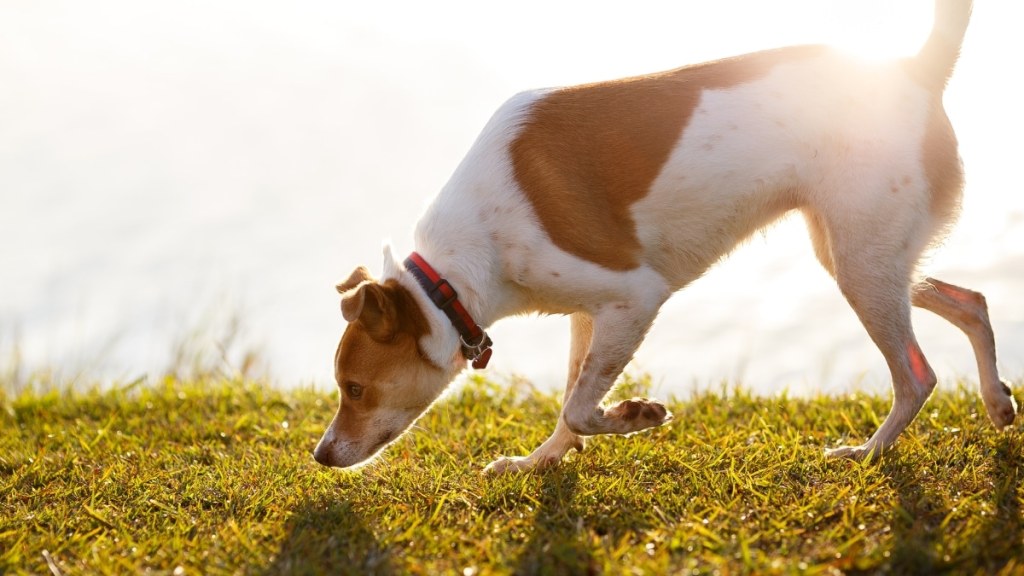
Dogs have an olfactory system that is thousands of times more sensitive than ours. Here’s how it stacks up:
- 🏆 Olfactory Receptors: Dogs have between 125 million to 300 million scent receptors, compared to just 5 million in humans.
- 🧠 Brain Power: The area of a dog’s brain dedicated to processing smells is 40 times larger than that of a human, allowing them to interpret complex scent layers.
- 🔍 Detection Ability: Some dogs can detect one drop of liquid in an Olympic-sized swimming pool. Their ability to distinguish individual scents within a mix is what makes them so adept at detection work.
- 🌬️ Breathing Mechanism: Dogs can inhale and exhale at the same time, allowing continuous scent detection. This means that while they’re breathing, they are still actively taking in scent molecules without interruption.
- 🏅 Scent Recall: A dog’s memory of scents is so strong that they can recognise familiar smells years later, even after environmental changes have occurred.

Quick Fact
A Bloodhound can follow a scent trail that is over 300 hours old, making them one of the most effective tracking dogs in the world!
How Does a Dog’s Nose Work?

A dog’s nose is designed for maximum scent absorption and analysis. Unlike humans, who breathe in and out through the same nasal passage, a dog’s nose is built for efficiency:
Quick Tip
Dogs can sniff up to 300 times per minute, allowing them to gather massive amounts of scent data within seconds!
Dogs vs. Humans: A Nose-to-Nose Comparison
|
Feature |
Dogs |
Humans |
|---|---|---|
|
Olfactory Receptors |
125-300 million |
5 million |
|
Smell Processing Brain Area |
40 times larger than humans |
Very small |
|
Odour Detection Threshold |
10,000 – 100,000x better than humans |
Weak in comparison |
|
Breath Control |
Can sniff continuously |
Single inhale-exhale cycle |
|
Tracking Distance |
Can follow scents for miles |
Very limited |
Quick Fact
While humans primarily rely on sight, dogs use smell to recognise people, places, and even emotions. Your dog knows who you are not by how you look, but by the way you smell!
Top 5 Dog Breeds with the Best Sense of Smell

Some breeds have been specifically bred for their superior olfactory abilities. Here are the top contenders:
1. Bloodhound 🏆
- Scent Receptors: Over 300 million—the highest of any breed.
- Best For: Tracking missing persons, search & rescue.
- Fun Fact: Their long ears help funnel scents toward their nose, increasing scent retention while tracking.
2. Basset Hound 🐾
- Scent Receptors: About 220 million.
- Best For: Ground-scent tracking, hunting.
- Fun Fact: Their droopy skin creates pockets of air that trap scents, giving them an extended detection advantage.
3. Beagle 🐕
- Scent Receptors: Approximately 225 million.
- Best For: Drug detection, customs security.
- Fun Fact: Beagles are used in airports worldwide for sniffing out contraband due to their exceptional scent discrimination.
4. German Shepherd 🚔
- Scent Receptors: Around 225 million.
- Best For: Police & military work, search & rescue.
- Fun Fact: Their ability to track scents is paired with strong intelligence & obedience, making them an all-around superior working breed.
5. Labrador Retriever 🦮
- Scent Receptors: About 200 million.
- Best For: Medical detection, bomb-sniffing.
- Fun Fact: Labradors can detect low blood sugar levels in diabetic patients and are often trained as service dogs for medical conditions.
Quick Tip
Bloodhounds’ tracking abilities are so accurate that their findings can be used as evidence in court!
How Dogs Use Their Noses in the Real World
A dog’s nose isn’t just for sniffing out treats—it plays a crucial role in many industries. Their ability to detect, track, and analyze scent molecules has made them indispensable in a variety of fields. Let’s take a deeper look into how they contribute to human life.

🕵️♂️ Law Enforcement & Security
Dogs have been working alongside police forces for decades, using their scent detection abilities to locate dangerous substances and track down criminals. Their noses are so sensitive that they can pick up individual scent molecules, even if someone has tried to mask them.
Explosives & Drug Detection
- Many police K9s are trained to detect even trace amounts of explosives or narcotics hidden in vehicles, luggage, or buildings. They can identify individual substances within complex scent mixtures.
- Dogs used in border security can sniff out illicit substances, firearms, and even smuggled cash, helping authorities combat illegal trafficking.
Criminal Tracking & Missing Persons
- Search dogs can follow a human’s scent for miles and over various terrains, even if it has been several days since the person was there.
- Bloodhounds, in particular, have been used in law enforcement for over a century due to their unparalleled tracking abilities.
- Dogs can even detect recently fired gun residue on a suspect’s clothing, providing critical evidence in criminal investigations.
Quick Tip
Police dogs are trained to associate certain scents with their favourite toys, making detection work feel like a game to them!
🚑 Medical Detection Dogs
Medical detection dogs have taken the science world by storm. With their superior olfactory abilities, they can identify illnesses and chemical changes in the human body that are imperceptible to current medical technology.
Cancer Detection
- Studies have shown that dogs can detect certain cancers, such as lung, breast, and prostate cancer, by sniffing a person’s breath, urine, or sweat.
- Some dogs have been trained to identify cancerous cells with an accuracy rate of 98%, outperforming some traditional screening tests.
Diabetes & Seizure Alerts
- Dogs can smell blood sugar fluctuations in diabetic patients and alert them before a dangerous spike or drop occurs.
- Seizure-alert dogs are trained to recognise chemical changes in the body that occur before a seizure happens, giving their owners enough time to get to safety.
Quick Tip
Some dogs can detect Parkinson’s disease years before symptoms even appear!
🏔️ Search & Rescue
In disaster-stricken areas, search-and-rescue dogs are often the difference between life and death. Their noses allow them to find survivors who are buried under rubble, snow, or dense forest.
Finding Survivors After Natural Disasters
- Earthquakes, avalanches, and hurricanes often leave people trapped under debris. Specially trained dogs can detect the scent of a person trapped under layers of rubble, even if they are unconscious.
- Unlike machines, dogs can navigate unstable surfaces and access areas that search teams cannot reach.
Locating Missing People in the Wild
- Search-and-rescue dogs track missing hikers, lost children, and stranded individuals in mountains, forests, and deserts.
- They can distinguish between live human scent and decomposing organic matter, making them highly effective in real-time rescue efforts.

Quick Tip
Some search-and-rescue dogs are trained to work off-leash in helicopters, allowing them to be deployed quickly in emergency situations!
🌱 Truffle Hunting
Truffles—one of the most expensive delicacies in the world—grow underground and are notoriously difficult to find. Traditionally, pigs were used for truffle hunting, but dogs have taken over this role because they are easier to train and don’t try to eat the truffles themselves!
- Dogs trained for truffle hunting have an amazing ability to pinpoint exactly where the fungi are growing, sometimes detecting them from several feet underground.
- They are used by truffle farmers worldwide to find these rare and valuable fungi.
Quick Tip
A single rare truffle can sell for thousands of pounds, making truffle-hunting dogs extremely valuable in the UK’s culinary industry!
Final Thoughts:
A dog’s nose is one of the most fascinating and powerful biological tools in the animal kingdom. Whether they’re tracking missing people, detecting diseases, or simply recognising their favourite human, dogs rely on scent for almost everything they do. Next time your dog sniffs endlessly on a walk, remember—they’re processing an entire world of information through their nose! 🐶👃💨
🐾 Does your dog have an amazing sense of smell? Share your experiences in the comments!