So, your dog’s recall is… selective. Sometimes they come charging back. Other times? They’re halfway across the park, nose-deep in someone’s picnic.
Enter the dog whistle—a simple, affordable tool that can massively improve your recall if used correctly. It cuts through distractions, carries further than your voice, and (bonus) doesn’t sound desperate in public.
In this guide, we’ll cover everything UK dog owners need to know about whistle recall training—how to use it, which whistles to buy, and how to teach it so your dog responds every time.
Quick Answer: Does a Dog Whistle Help with Recall?
Yes—dog whistles can significantly improve recall by creating a consistent, high-pitched cue that cuts through noise and doesn’t change with emotion. With proper training, your dog will learn to associate the whistle with coming back to you, no matter the distractions.
Why Use a Dog Whistle for Recall?
You might be wondering why you’d bother using a whistle when your dog already knows their name. Here’s why whistles are game-changers:
Whistles are especially helpful for:
- Off-lead walking
- Working breeds (collies, spaniels, labs)
- Recall-challenged dogs
- Dogs in training or rehomed rescues
What’s the Best Dog Whistle for Recall in the UK?

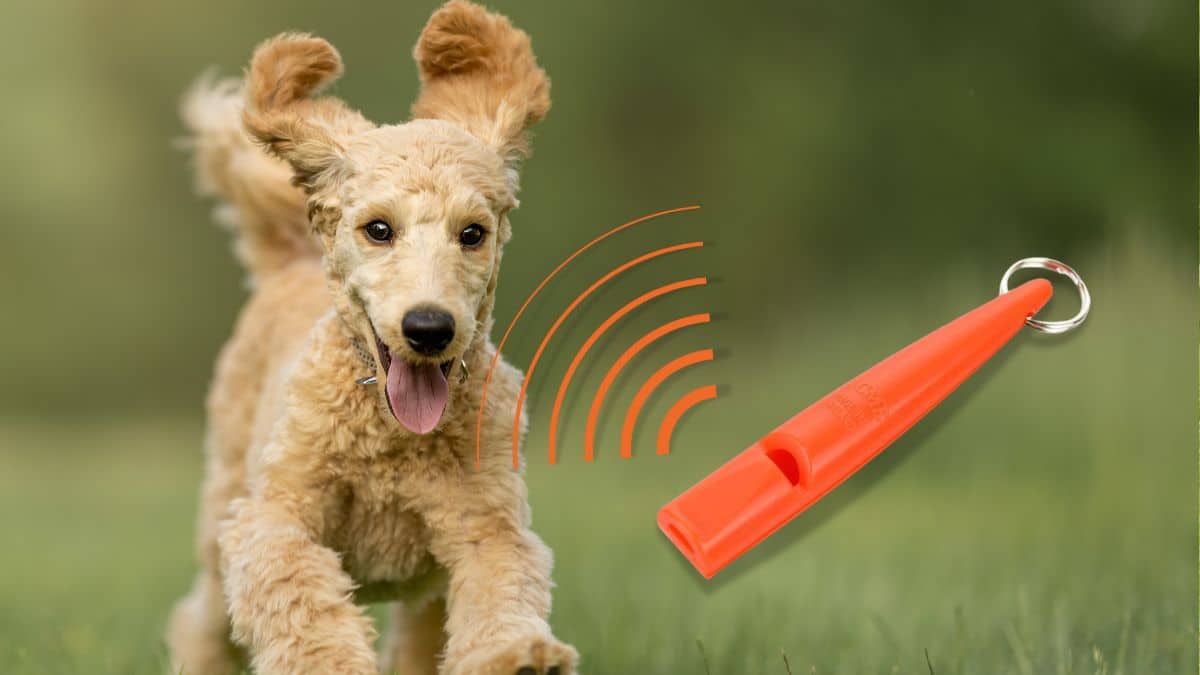
Let’s keep it simple: the Acme 210.5 is the gold standard in the UK for recall training.
Why it’s the favourite ✅:
- Specifically tuned for recall and obedience work
- Consistent frequency (no pitch variation)
- Lightweight and durable
- Used by dog trainers, gundog handlers, and pet owners alike
- Easily replaced or matched if lost (each model has a standardised frequency)
Other popular options 🔁:
- Acme 211.5 – slightly lower pitch, often used for working dogs
- Silent whistles – not ideal for recall, as sound can vary too much
- Multi-frequency or adjustable whistles – useful, but can introduce inconsistency if not used carefully

Quick Tip
Once you start recall training with a specific whistle (e.g. Acme 210.5), stick to that model and pitch so your dog learns to recognise it every time.
How to Train Your Dog to a Whistle for Recall

Step 1: Pick Your Whistle & Cue
Choose your whistle and decide what the recall cue will be. A common choice is three short pips (pip-pip-pip) for recall.
Step 2: Pair the Whistle with a Reward
Start indoors or in the garden. Blow your chosen whistle pattern → reward immediately.
- Use high-value treats or toys
- Do this 10–15 times per session
- Repeat daily for 3–5 days
At this point, your dog doesn’t need to “do” anything. You’re simply building positive association: whistle = good stuff.
Step 3: Add the Behaviour (Recall)
Once your dog hears the whistle and perks up, start using it when they’re a few feet away. Blow the whistle → they come to you → huge reward.
If they don’t come right away, go back a step and strengthen the association.
Step-by-Step Whistle Recall Training Plan
Use the whistle once only. Don’t spam it—train your dog to respond to a single cue.
Common Mistakes to Avoid
Golden rule: The whistle should always mean good things. Don’t pair it with scolding, punishment, or boring outcomes.
Troubleshooting: My Dog Ignores the Whistle

If your dog isn’t responding:
- Have you paired it properly with a reward first?
- Are you using the same pattern and pitch each time?
- Are you competing with a bigger distraction (e.g. squirrel, food)?
- Have you trained in low-distraction environments first?
Go back a step, make it easier, and use better rewards. Think chicken, cheese, sausage, or a squeaky toy if they’re more play-motivated.
Whistle Recall for Puppies vs Adult Dogs
Puppies:
- Super receptive
- Great to teach early during socialisation
- Use it gently, never as a startle
Adult dogs or rescues:
- May need to overwrite old habits
- Use higher-value rewards and be more patient
- Might benefit from a new cue (if previous recall is unreliable)
Can I Use a Whistle for Other Commands?
Absolutely. Many dog owners assign different whistle patterns to different cues:
- 1 long pip = sit
- 2 short pips = stop
- 3 pips = come
- Multiple pips = emergency recall
Consistency is key. If multiple people walk your dog, make sure everyone’s on the same pattern.
Where to Buy Dog Whistles in the UK
- Acme direct: acmewhistles.co.uk
- Amazon UK: Fast delivery, loads of options
- Pets at Home / Jollyes: Often stock Acme in store
- Gun dog suppliers: For specialist accessories and lanyards
Prices range from £6–£12 for most Acme models. Worth every penny.
Final Thoughts: Is a Whistle Worth It?
If you want a cleaner, clearer, more reliable recall, a dog whistle is one of the best tools you can add to your training toolkit.
It doesn’t magically fix everything—but with consistency, patience, and great rewards, it can become your go-to cue for off-lead freedom.