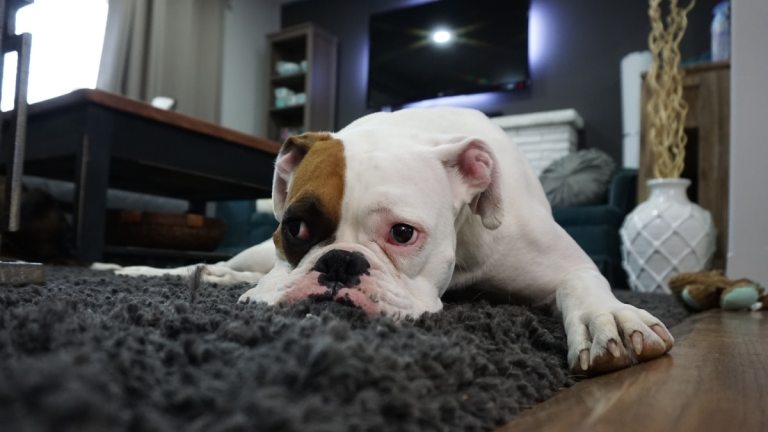
Separation anxiety is one of the most common behavioural issues in dogs. If your dog becomes distressed when left alone, barks excessively, or chews furniture, they may be struggling with separation anxiety. The good news? With the right training and approach, you can help your dog feel safe, secure, and confident on their own.
This guide will cover everything you need to know about recognising, preventing, and managing dog separation anxiety.
What is Separation Anxiety in Dogs?
Separation anxiety occurs when a dog experiences extreme distress when left alone. Unlike mild boredom or restlessness, this is a serious emotional reaction that can lead to destructive behaviours, excessive barking, and even self-harm. Understanding the difference between normal alone-time adjustments and true anxiety is key to helping your dog feel secure.
- Affects dogs of all breeds and ages.
- Can develop due to past trauma, sudden lifestyle changes, or lack of early training.
- Often confused with boredom—but the symptoms are more intense and emotionally driven.

Quick Tip
A dog with separation anxiety won’t just act out when left alone—they’ll often show signs of stress before you even leave.
Signs & Symptoms of Separation Anxiety
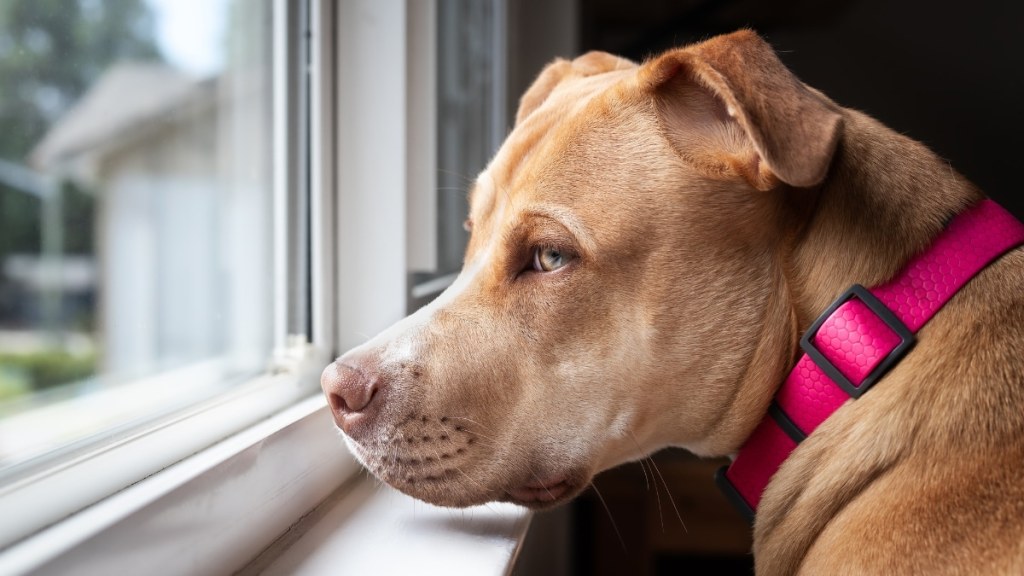
Dogs with separation anxiety display a wide range of distress signals, from whining to full-blown panic attacks. Recognising these signs early will help you intervene before behaviours escalate.
Not sure if your dog has separation anxiety? Here are the most common signs:
|
Mild Symptoms |
|
|---|---|
|
Moderate Symptoms |
|
|
Severe Symptoms |
|
Quick Tip
Set up a pet camera to see how your dog behaves after you leave—this will help confirm if they’re experiencing anxiety.
Common Causes of Separation Anxiety
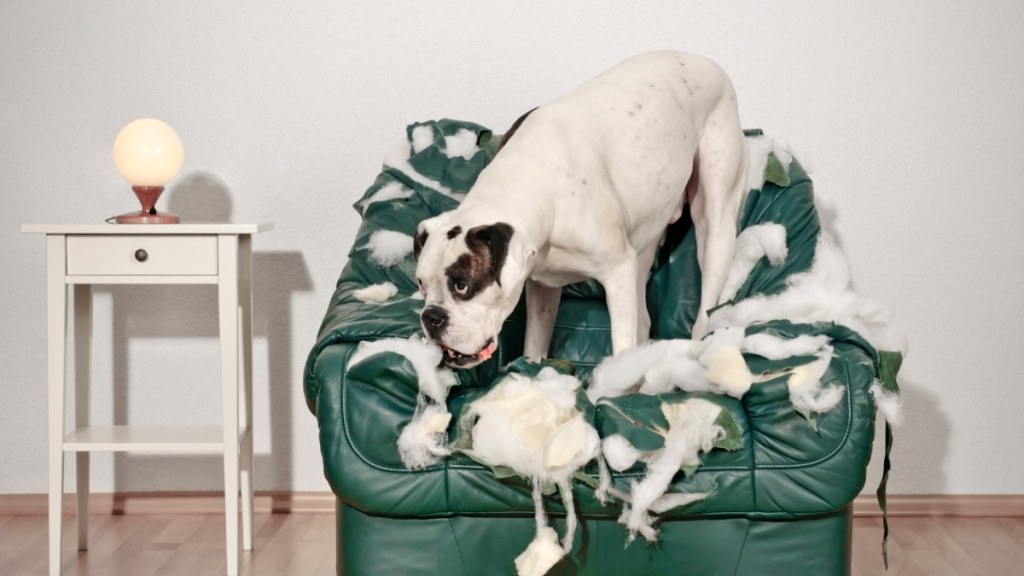
Understanding why separation anxiety develops can help you take proactive steps to prevent or manage it. While some dogs are genetically predisposed, others may develop anxiety due to life changes or past experiences.
Dogs develop separation anxiety for many reasons, including:
- Lack of early independence training (puppies not taught to be alone).
- Sudden changes in routine (e.g., owner returning to work after lockdown).
- Moving house or changes in the family dynamic.
- Rescue dog trauma (some dogs may have experienced neglect or abandonment).
Quick Tip
Some breeds are more prone to separation anxiety—Labradors, Border Collies, and German Shepherds often struggle due to their high intelligence and need for companionship.
Preventing Separation Anxiety in Puppies
The best way to prevent separation anxiety is to teach puppies from an early age that alone time is safe and normal. Building confidence in their independence will set them up for a lifetime of security and comfort.
- Start with short absences (1-2 minutes) and gradually increase.
- Ignore your puppy for 5 minutes before leaving and after returning to reduce excitement.
- Give them a special treat or puzzle toy when you leave (so they associate departures with good things).
- Avoid dramatic goodbyes or emotional reunions—this reinforces anxiety.
Quick Tip
Crate training can help puppies feel secure when alone—but it must be introduced positively!
How to Treat Mild, Moderate & Severe Separation Anxiety
Treating separation anxiety requires patience and a structured approach. The severity of your dog’s anxiety will determine the best course of action, from minor adjustments in routine to professional intervention.
Mild Anxiety:
- Leave a comforting scent (e.g., an unwashed T-shirt with your scent).
- Give a high-value treat when leaving to create positive associations.
- Use calm departures & arrivals—no fuss.
Moderate Anxiety:
- Increase alone time gradually using desensitisation techniques.
- Teach your dog a “safe space” routine (crate, bed, or designated relaxation area).
- Use a pet camera to monitor behaviour and make adjustments.
Severe Anxiety:
- May require professional help (see below).
- Gradual counterconditioning training to change emotional response.
- Veterinary consultation for possible anxiety-reducing medications.
Quick Tip
Some dogs respond well to white noise, calming music, or leaving the TV on!
Best Training Techniques for Reducing Anxiety
Training plays a crucial role in helping your dog become more comfortable when left alone. By reinforcing calm behaviour and teaching coping mechanisms, you can reduce stress levels and build your dog’s confidence.
The best long-term fix for separation anxiety is training:
- Desensitisation: Leave for 30 seconds, return, and gradually extend time.
- Calm exits & entries: Don’t make a big deal when leaving or coming back.
- Positive alone time: Give enrichment toys only when you’re gone.
- Counterconditioning: Change negative emotions by rewarding calm behaviour.
Calming Aids & Tools That Can Help

Quick Tip
Play brain games or train before leaving—a tired dog is a relaxed dog!
Sometimes, additional support is needed to help dogs manage anxiety. Various tools and calming aids are available to provide extra comfort and reduce stress levels while you’re away.
Some dogs benefit from extra calming support:
- Puzzle feeders & lick mats – Keeps them mentally occupied.
- Calming plug-ins & sprays (e.g., Adaptil pheromone diffusers).
- Weighted or anxiety wraps (like the ThunderShirt).
- White noise machines or calming music to reduce outside triggers.
Quick Tip
Rotate toys so your dog always has something “new” to play with when you leave.
When to Seek Professional Help
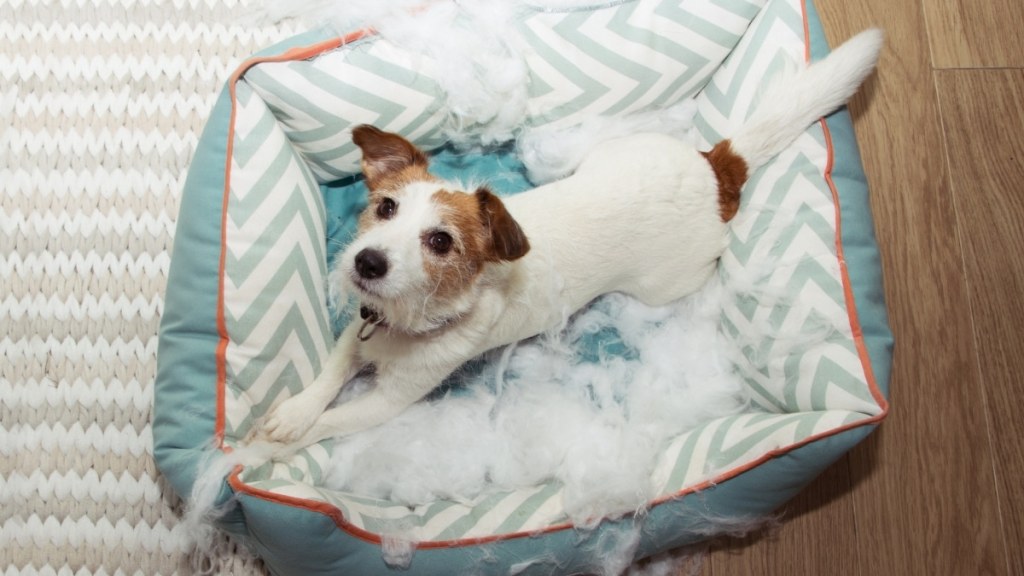
If your dog’s separation anxiety is severe and training methods haven’t worked, seeking professional help may be necessary. A certified behaviourist or veterinarian can provide guidance and solutions tailored to your dog’s specific needs.
If your dog’s anxiety is severe or worsening, consider:
- A professional dog trainer or behaviourist specialising in separation issues.
- A veterinary consultation to rule out medical causes.
- Anxiety medication (last resort) for extreme cases.
Quick Tip
The APBC (Association of Pet Behaviour Counsellors UK) can help you find a certified expert.
Final Thoughts
Separation anxiety can be tough on both dogs and owners, but with the right approach, patience, and training, your dog can learn to feel safe and confident when alone.
If you’ve struggled with dog separation anxiety, share your experience in the comments—your story could help another dog owner!