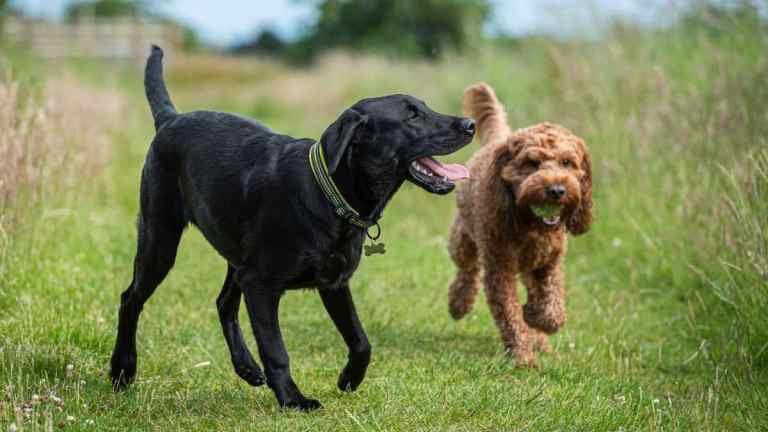
Your dog is off the lead, tail wagging, nose down… and suddenly bolts across the park. You shout their name—nothing. You call again—still nothing. Panic sets in as your dog disappears into the distance, ears turned off.
Sound familiar?
Recall is one of the most important commands you’ll ever teach your dog—whether they’re a bouncy pup or a stubborn adult. It’s not just about convenience; it’s about safety, freedom, and trust. A reliable recall can prevent accidents, help you enjoy off-lead walks, and give your dog more independence.
In this ultimate UK guide, we’ll break down exactly how to train dog recall, why it sometimes fails, and what to do when your dog just won’t listen. Whether you’re starting from scratch or fixing a broken recall, you’ll find everything you need right here.
Quick Answer: How Do I Teach My Dog Recall?
To teach your dog recall, start by rewarding them every time they come to you, even indoors. Use a consistent cue like “come” or a whistle, and train in low-distraction environments first. Gradually increase the challenge using long lines, distance, and distractions—always making sure returning to you is the most rewarding option.
What Is Recall Training (And Why It Matters)

Recall simply means teaching your dog to come back to you when called. Sounds simple, but in the real world—squirrels, smells, picnics, other dogs—it can be one of the hardest behaviours to master.
A reliable recall:
In short: it’s one of the best investments you’ll ever make in your dog’s training.
When Should I Start Teaching Recall?
As early as possible. You can start teaching recall to puppies as young as 8 weeks. In fact, puppies often follow you naturally (called “puppy magnetism”)—use this to your advantage.
For older dogs or rescues, it’s never too late. You’ll just need:
- More patience
- More rewards
- More consistency

Quick Tip
Pro tip: If you’ve accidentally “poisoned” your recall word (i.e. your dog associates it with something negative like bath time or being told off), change it. Use a fresh cue like “here!” or a whistle instead.
Step-by-Step: How to Train a Reliable Recall
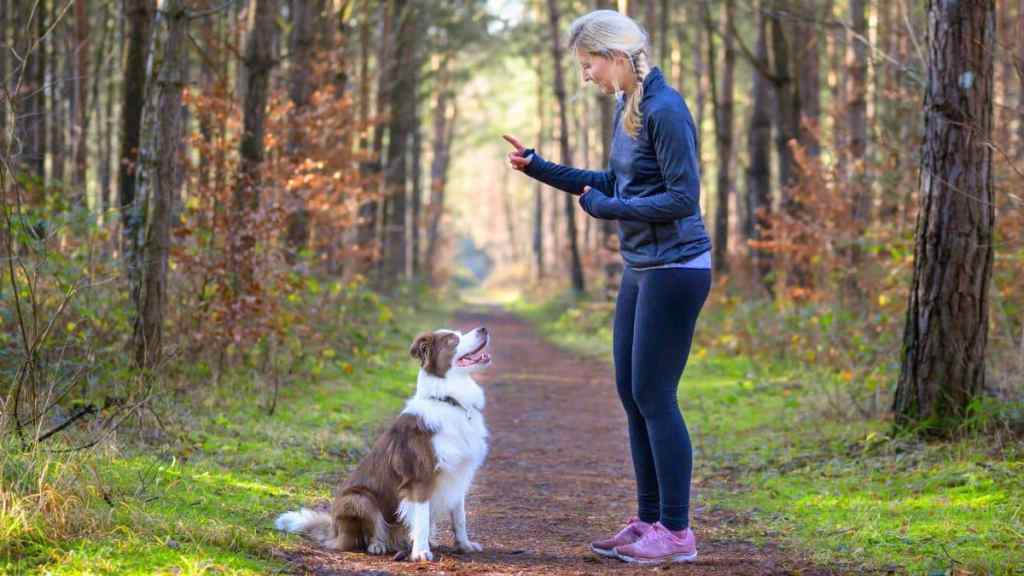
Here’s how to teach recall in a way that actually sticks:
1. Choose Your Cue
Pick a clear, upbeat word you’ll use every time.
Good options: “Come!”, “Here!”, your dog’s name + cue (“Bailey, come!”).
Or use a dog whistle—great for consistency and long distances.
Avoid:
2. Start Indoors or In Your Garden
Begin in a distraction-free environment. Call your dog enthusiastically and reward them like they’ve just saved your life.
- Crouch down and open your arms
- Use a happy voice: “Come here!”
- Reward immediately with high-value treats or play
- Never call them to end the fun (e.g. don’t call them in just to leave the park)
Do this dozens of times per day. Make “coming to you” their favourite game.
3. Use a Long Line Outdoors
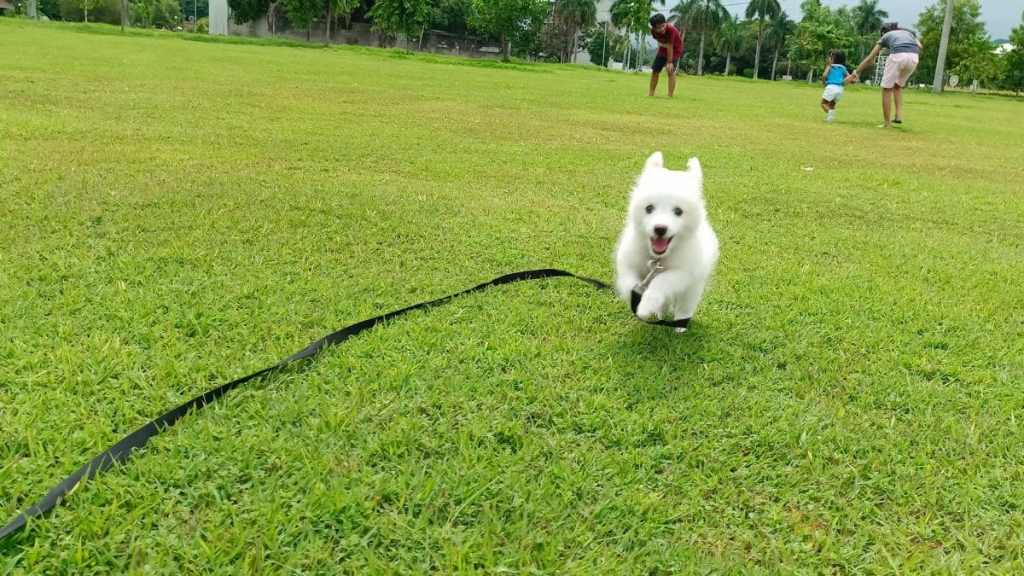
Once your dog nails it at home, move outside—with control. Use a 5–10 metre training line (not a retractable lead!) in a secure field or park.
- Let them explore
- Call them back once every few minutes
- Praise and reward generously
- Never tug the lead—let them choose to come
This gives you off-lead realism with on-lead safety.
4. Add Distance & Distractions Gradually
Don’t rush it. Dogs need to learn recall works everywhere, not just at home.
Progress like this:
- Garden → quiet park → busy park
- Alone → with other dogs nearby → mid-play
- No distractions → squirrels, picnics, smells, people
Quick Tip
Use jackpots (extra special rewards) for big wins. If your dog leaves another dog or ignores a squirrel to come to you? That’s a big deal.
5. Use High-Value Rewards
Dry kibble won’t cut it here. You’re competing with the world. Use:
- Small chunks of roast chicken, cheese or sausage
- Favourite toys (ball, tug)
- Verbal praise + affection
- Letting them go back to playing as a reward
The golden rule: Coming back to you should feel better than anything else going on.
Why Isn’t My Dog Listening to Recall?
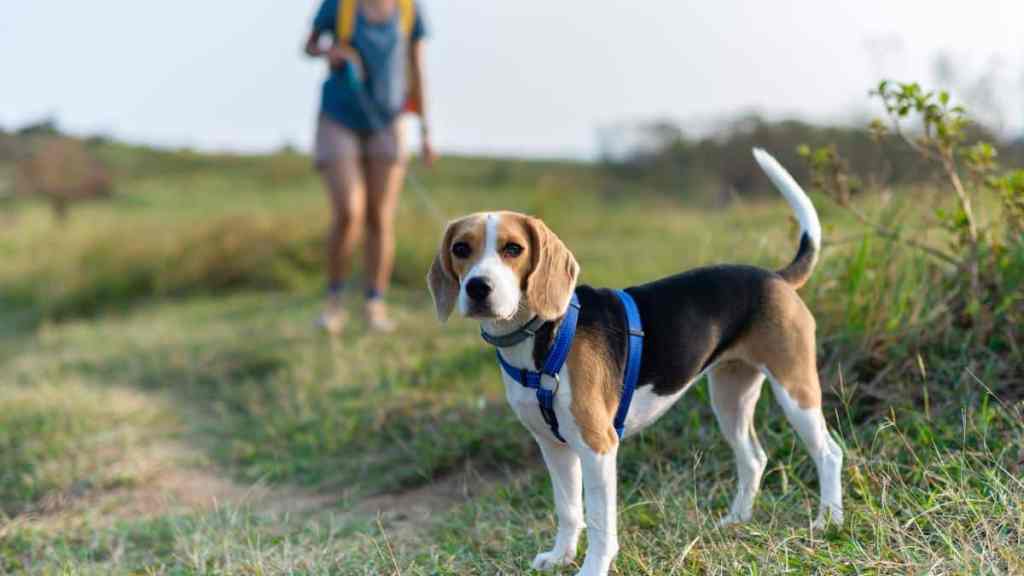
There are several common reasons dogs ignore recall cues:
Fix it by:
Common Recall Mistakes to Avoid
Don’t let these rookie errors sabotage your training:
- Calling when angry
- Calling only when it’s time to go home
- Punishing your dog after they come
- Using a recall cue for unwanted things (like nail trimming!)
- Chasing your dog when they ignore you
- Letting them off-lead too soon
Quick Tip
Build recall like credit. If you haven’t made 100 deposits yet (positive repetitions), don’t try to make a big withdrawal.
Tools That Help with Recall Training
Essentials:
- High-value treats
- Training long line (5m or 10m)
- Clicker or marker word (“yes!”)
- Whistle (Acme 210.5 is a UK classic)
- Treat pouch for fast reward delivery
Optional:
- Tug toy for play-based reward
- Training vest with pockets
- AirTag or GPS collar for off-lead confidence
Can I Ever Trust My Dog Off Lead?
Eventually—yes, with enough reps, proofing, and practice. But always assess your dog, your environment, and the law.
Use caution if:
Good recall-friendly spots:
- Secure dog fields (available to hire across the UK)
- Fully fenced parks
- Early morning off-lead time before distractions arrive
Final Word: Recall Is a Lifelong Skill
Recall isn’t something you teach once and forget. It’s a lifelong relationship between freedom and trust. Keep it sharp with games, rewards, and regular use—even if your dog is brilliant.