You’ve probably seen the signs in parks and pavements: “Clean up after your dog — it’s the law.” But what about open fields, forests, or the middle of a country trail? Do the same rules apply in the countryside? The answer is yes — mostly. Here’s what UK dog owners need to know about dog fouling laws beyond the city streets.
Is It Illegal Not to Pick Up Dog Poo in the UK?
Yes. Under the Dogs (Fouling of Land) Act 1996 (now largely replaced by local regulations under the Clean Neighbourhoods and Environment Act 2005), it is a legal requirement to clean up after your dog in most public places, including many rural locations.
If you fail to do so, you could face:
These laws are enforced by local councils using Public Spaces Protection Orders (PSPOs), which define specific areas where dog fouling rules apply.
Where Are You Required to Pick It Up?
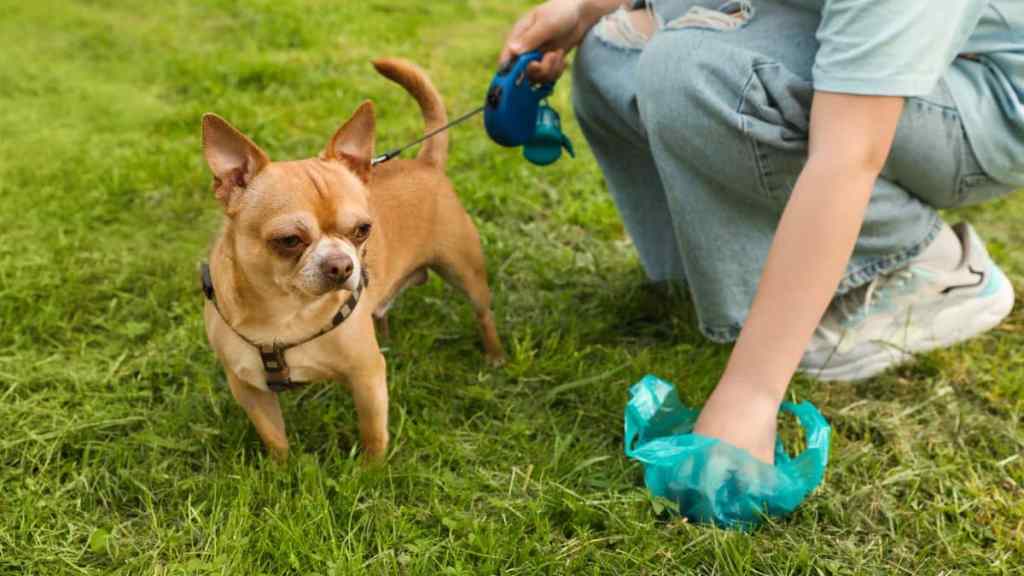
The law generally requires you to pick up after your dog in the following countryside areas:
- Public footpaths
- Bridleways and towpaths
- Country parks
- Nature reserves
- Fields with public access
- Farmland where animals aren’t present
- Any land where a PSPO is in place
PSPO signage isn’t always clearly visible, so as a rule of thumb, assume you should clean up unless a sign explicitly says otherwise.
Are There Any Exceptions?
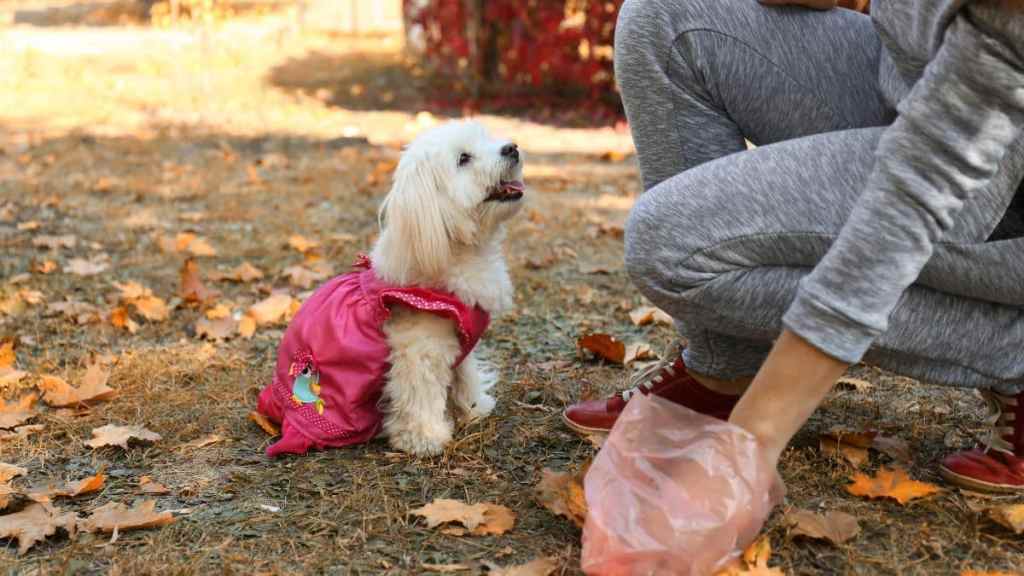
There are a few exceptions, though they are rare:
- Woodland or agricultural land that isn’t open to the public
- Rural verges or moorland without footpaths
- Land used for forestry or quarrying
Even in these areas, however, leaving dog poo can cause environmental and health problems, so most councils still advise picking it up. Plus, even where not strictly required, landowners may still complain or restrict access.
Why Dog Poo Is a Problem in Rural Areas
It’s not just about stepping in it — dog faeces can carry parasites and diseases like:

Quick Tip
Dog waste doesn’t just decompose harmlessly — it can pollute soil and water and poses serious risks to wildlife and livestock.
Do Farmers and Landowners Have the Right to Report You?
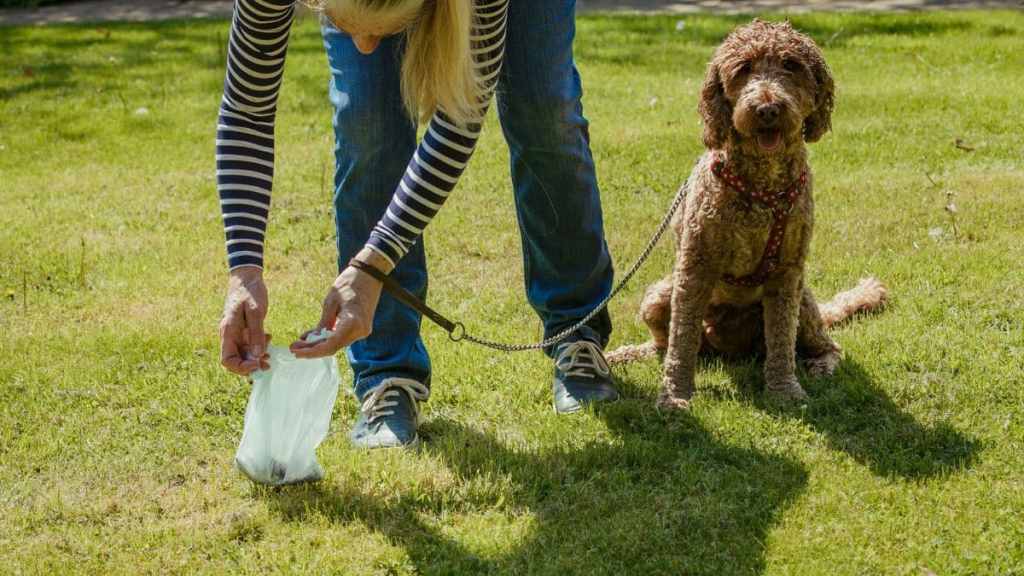
Yes. If your dog fouls on land with public access and you fail to pick it up, farmers and landowners can:
In extreme cases, repeated offences could be escalated, especially if livestock is affected.
What If There’s No Bin Nearby?
You’re still required to bag it. Common courtesy — and the law — expects you to:
- Carry it until you find a bin
- Or take it home and dispose of it responsibly
Never leave bags hanging from trees or tied to fences — this is known as “tree bagging” and is illegal littering.
Quick Tips:
Final Thoughts
Even in the great British countryside, dog owners have a duty to clean up after their pets. Besides being the law in most areas, it’s about respect — for other walkers, farmers, wildlife, and the land itself. When in doubt, bag it and bin it. Your countryside walks — and your fellow walkers — will thank you.