If you’re a dog owner in the UK, microchipping your pet isn’t just recommended — it’s a legal requirement. But what are the exact rules, what happens if you don’t comply, and how can you ensure your dog’s chip is properly registered? This guide covers everything you need to know about dog microchipping laws in the UK in 2024.
What Is Microchipping and How Does It Work?
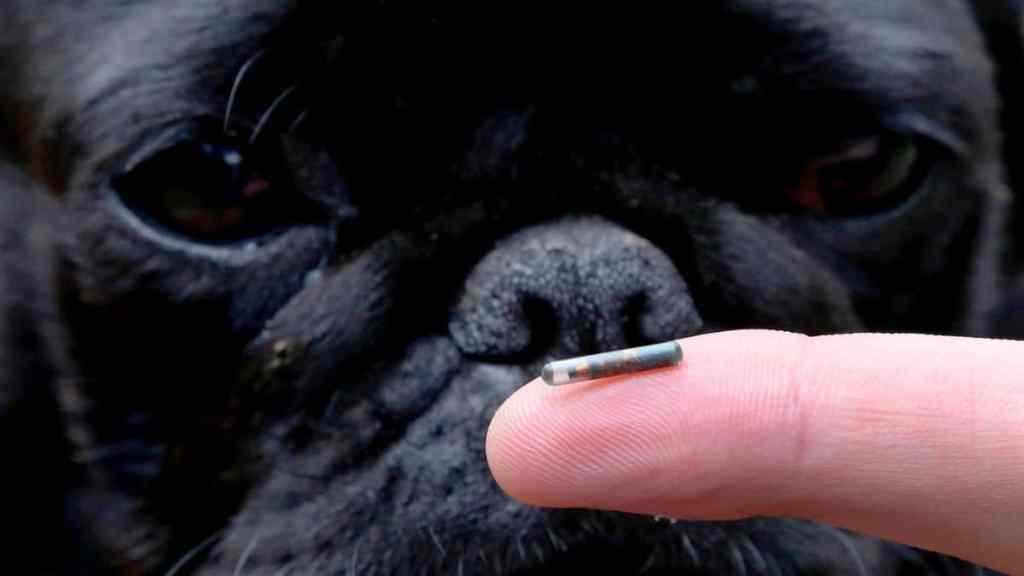
Microchipping is a quick and safe procedure where a tiny electronic chip (around the size of a grain of rice) is implanted under your dog’s skin, usually between the shoulder blades. Each chip carries a unique identification number that links to your contact details in a secure national database.
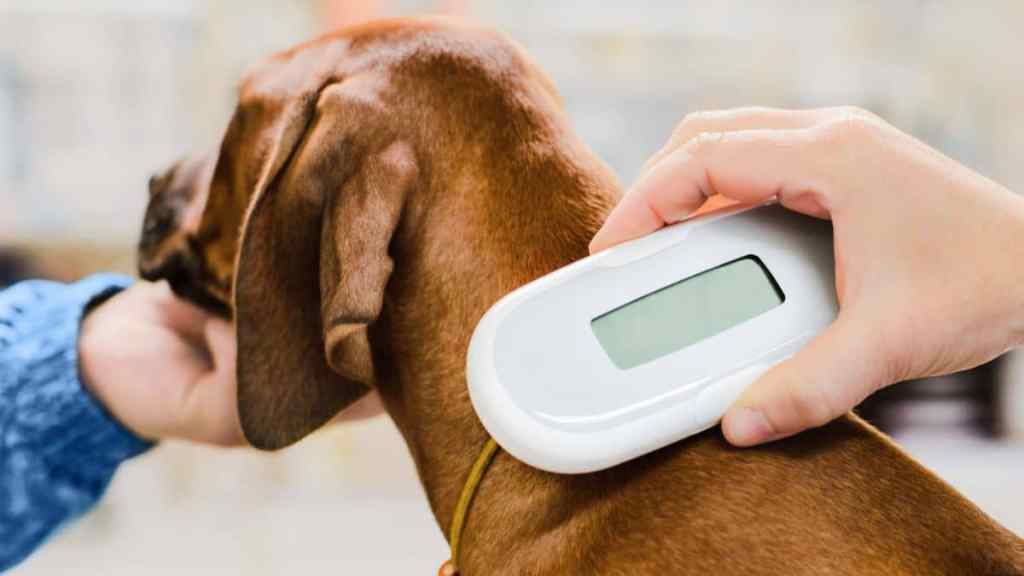
Contrary to common misconceptions, a microchip is not a GPS tracker. It cannot locate your dog in real-time. Instead, if your dog is found and scanned by a vet, local authority or rescue centre, they can access your contact details and reunite you with your pet. The procedure is relatively painless, takes just a few seconds, and usually costs between £10 and £30.
Is Microchipping a Legal Requirement in the UK?

Yes. Since 6 April 2016, it has been a legal requirement in England, Scotland, Wales and Northern Ireland for all dogs aged eight weeks and older to be microchipped and registered with a government-approved database.
If your dog is found without a registered microchip, you may receive a formal notice requiring you to comply within 21 days. If you still fail to do so, you could face a fine of up to £500.
Do Puppies Need to Be Microchipped?
Absolutely. Puppies must be microchipped by the time they are eight weeks old. The responsibility falls on the breeder, who must ensure the puppy is microchipped and registered before they are sold or rehomed.
As the new owner, you are legally required to update the contact details on the database as soon as the puppy becomes your responsibility. It’s strongly recommended to check the chip is registered and working before bringing the puppy home.
Who Can Legally Implant a Microchip?
Only trained professionals are authorised to implant microchips in the UK. This includes:
Charities, vet clinics and some pet retailers may offer microchipping services at reduced cost or for free as part of adoption or health packages.
Keeping Your Details Up to Date
A microchip is only effective if the information linked to it is current. If you move house, change your phone number, or transfer ownership, it is your legal responsibility to ensure your dog’s details are updated with the same database originally used.
Most databases charge a small admin fee (typically around £6–£15), and you will need your dog’s microchip number and registration code. If you’re unsure which database holds your pet’s information, a vet can scan the chip and help identify the provider.
What If You Adopted a Dog?
If you’ve adopted or rehomed a dog, the rescue centre should provide you with the microchip number and help transfer the registration to your name. However, it’s your duty to ensure the transfer has been completed.
To double-check:
- Ask the rescue centre for confirmation of microchip registration
- Contact the database provider to verify your details are listed correctly
- Update any incorrect or missing information as soon as possible
Approved Microchip Databases in the UK
Not all microchip databases are recognised by law. Only DEFRA-approved databases are legally valid in the UK. Some of the approved providers include:
To confirm whether a database is approved, you can view the official list on the UK government website.

Quick Tip
Be wary of unofficial registries, which may not comply with UK law or share data with animal control authorities.
Quick Tips for Microchip Compliance
- ID Tags Are Still Required: A microchip does not replace the legal requirement for your dog to wear a collar with an ID tag in public spaces
- Vet Check-Ups: Ask your vet to scan the chip at your annual check-up to ensure it’s still working
- Keep a Record: Save your pet’s microchip number, database name, and registration code in a safe place
Final Thoughts
Microchipping is one of the most effective ways to ensure your dog’s safety and improve the chances of a reunion if they go missing. But it’s not just good practice — it’s a legal duty for all dog owners in the UK. Make sure your dog is microchipped by eight weeks old, registered with an approved database, and that your contact details are always kept up to date.
The process is simple and affordable, and compliance can help avoid fines — but more importantly, it could bring your pet home if the worst ever happens.