Taking your dog on a road trip or even just to the vet? It might seem simple, but there are clear UK laws and guidelines when it comes to transporting dogs in cars. Failure to comply can put your pet at risk — and even invalidate your insurance. Here’s everything UK dog owners need to know in 2025.
Is It Legal to Drive With a Dog in the Car in the UK?
Yes, it’s completely legal to have your dog in the car — but only if they are properly restrained. The law doesn’t ban dogs in vehicles, but it does place strict requirements on how they must be secured for safety.
The idea is to keep both driver and pet safe — an unrestrained dog can become a serious distraction or even a projectile in the event of sudden braking or a collision.
What Does the Law Say?
The key legal guidance comes from Rule 57 of the Highway Code, which states:
“When in a vehicle, make sure dogs or other animals are suitably restrained so they cannot distract you while you are driving or injure you, or themselves, if you stop quickly.”
While the Highway Code itself is not a law, it can be used in court to establish liability in the case of an accident. Failure to restrain your dog could be considered careless or even dangerous driving.
Potential consequences include:
In short: while not technically a criminal offence on its own, driving with an unrestrained dog is a legal risk.
What Does “Properly Restrained” Actually Mean?
Your dog must be secured in a way that prevents them from:
- Distracting the driver
- Jumping out of windows or doors
- Moving around the cabin
- Becoming a projectile in an accident
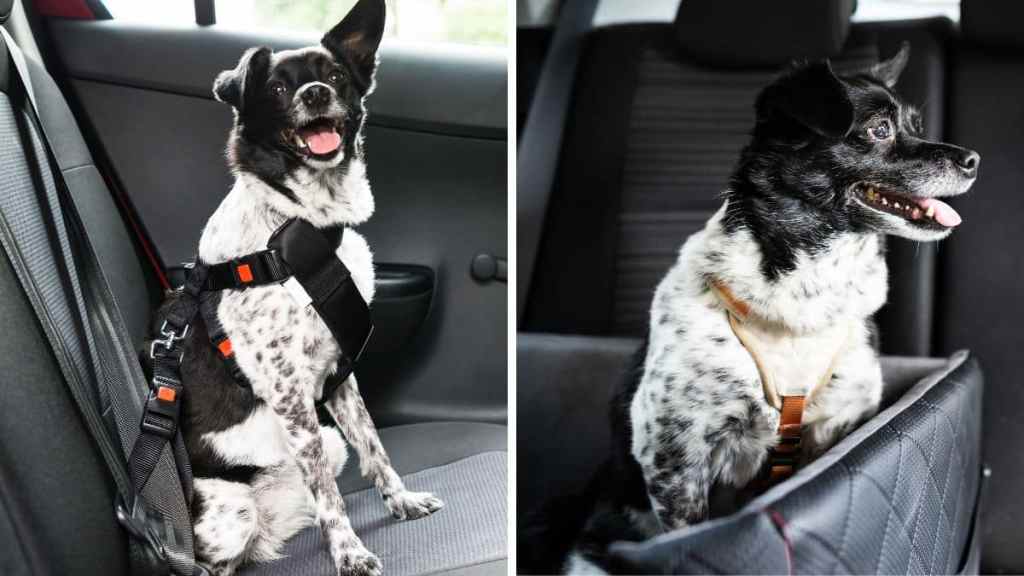
Acceptable restraint methods include:
- A crash-tested dog seatbelt harness
- A secured pet crate or carrier
- A boot guard or barrier (for dogs travelling in the rear compartment)
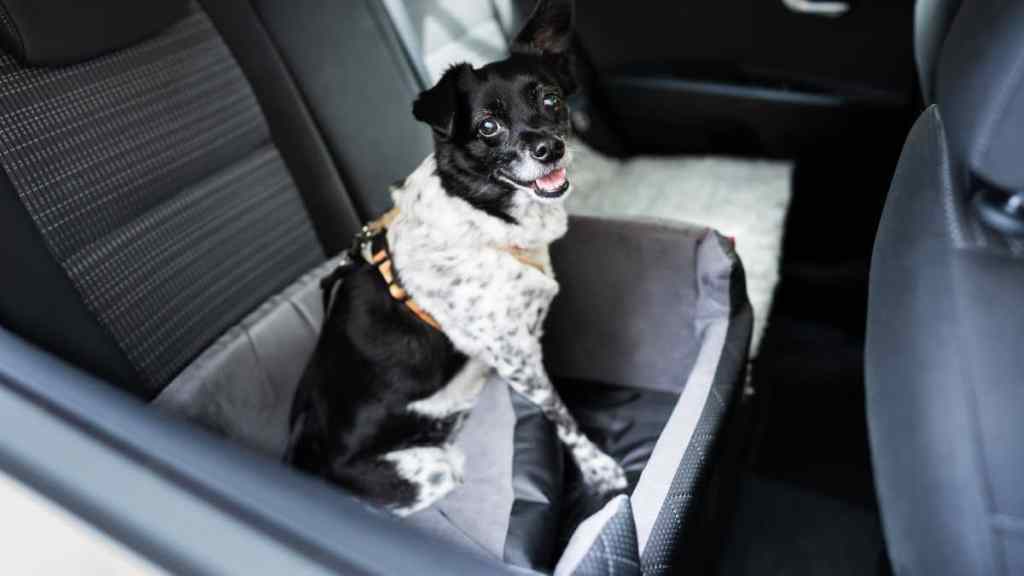
- A dog car seat with harness attachments
Incorrect methods include:
- Letting the dog sit on your lap while driving
- Allowing the dog to roam freely around the vehicle
- Using a harness that’s not attached to the car’s seatbelt system

Quick Tip
Choosing the right method will depend on your dog’s size, behaviour, and where they sit in the vehicle.
Where Should a Dog Sit in the Car?
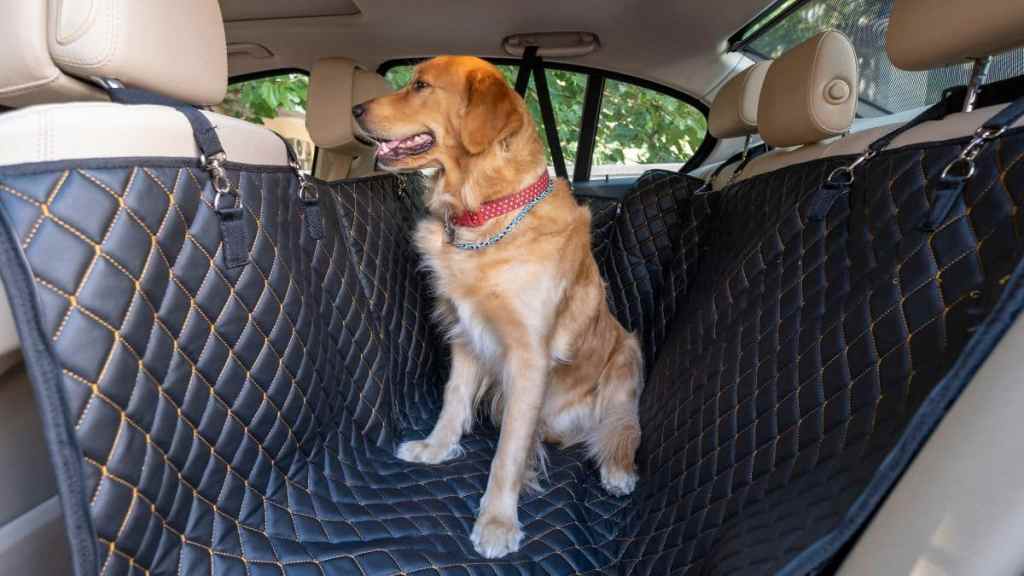
The safest options for seating your dog are:
- The boot of an estate or SUV, with a secure crate or dog guard
- The back seat, with a harness and seatbelt clip or secured carrier
Dogs should not sit in the front seat unless absolutely necessary. If they do:
- Use a crash-tested restraint system
- Disable the passenger airbag if using a rear-facing crate or carrier
- Ensure the dog cannot interfere with the gear stick or driver controls
Can You Leave a Dog in a Parked Car?
In short: you should never leave a dog alone in a parked car, especially on a warm day.
Even if it doesn’t feel hot outside, temperatures inside a car can soar within minutes, causing heatstroke or death. Leaving the windows open slightly does not help significantly.
Under the Animal Welfare Act 2006, allowing a dog to suffer in this way can lead to criminal prosecution.
Penalties include:
If you see a dog in distress in a hot car, call 999 immediately. The RSPCA and police are authorised to act.
Will Your Insurance Be Affected?
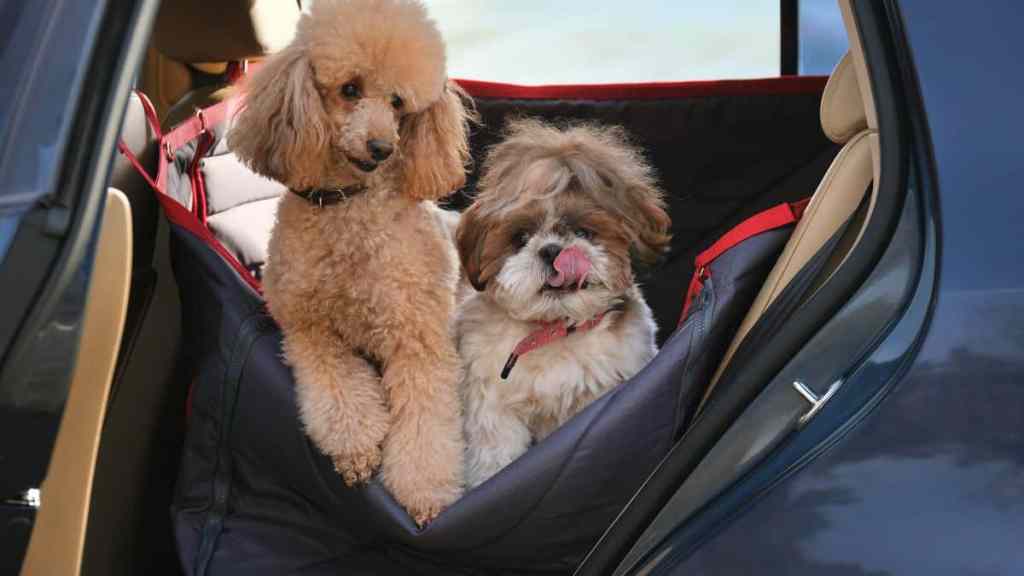
Most UK insurers expect drivers to adhere to the Highway Code. If you crash while your dog is unrestrained, insurers can:
This applies whether or not your pet caused the crash — simply failing to secure them may void your coverage.
Is It Different for Puppies, Senior Dogs, or Large Breeds?
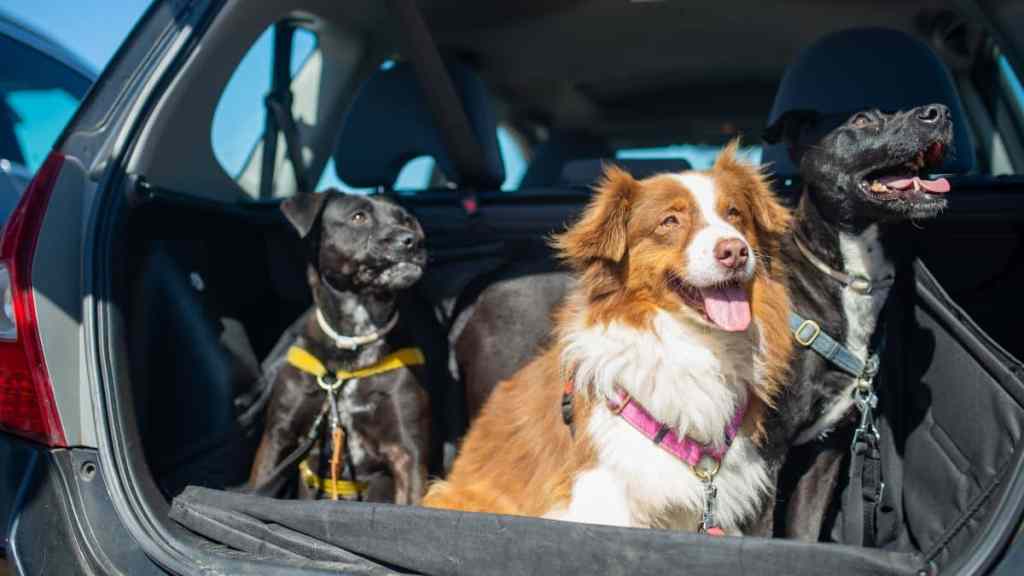
Yes. The safest restraint method can vary:
- Puppies may be better in a secured carrier until they grow large enough for a harness
- Large breeds might be more comfortable in the boot with a barrier
- Senior or anxious dogs may travel better in a crate with their bedding and favourite toys
Talk to your vet for personalised travel advice, especially if your dog has health conditions.
Are There Rules for Long Car Journeys?
The Highway Code also advises that drivers take a break every two hours — and this applies to dogs too.
On long journeys:
- Plan regular rest stops so your dog can stretch and toilet
- Keep fresh water available in the car
- Avoid feeding a large meal right before you set off (to reduce car sickness)
- Never let your dog out of the car without a lead in unfamiliar areas
Quick Tip
A tired, hydrated dog is a more relaxed travel companion.
Quick Tips:
Final Thoughts
Driving with your dog is part of everyday life for many UK pet owners — but safety has to come first. By securing your dog properly, following the Highway Code, and avoiding leaving them in a parked vehicle, you protect not only your pet but also yourself.
It’s a small effort that makes a massive difference.
If in doubt, consult your vet or pet behaviourist for travel-specific advice. And remember — no trip is more important than your dog’s wellbeing.