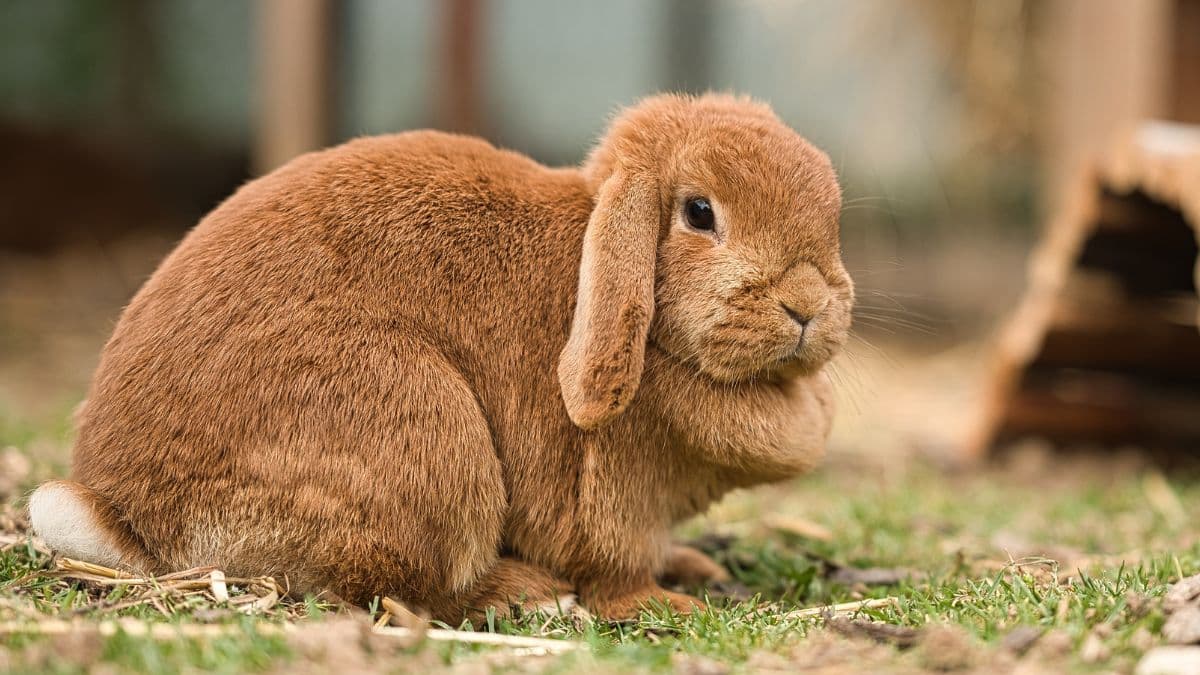
Rabbits may look quiet and independent, but they are deeply social animals — and yes, rabbits absolutely can and do get lonely. Living alone, even in a loving home, can lead to boredom, stress, depression, and even health problems. That’s why UK welfare guidelines recommend always keeping rabbits in bonded pairs or groups.
In this guide, we’ll explore how loneliness affects rabbits, the signs to look for, and what you can do to meet their social needs — so your bunny can live a happy, emotionally fulfilled life.
Are Rabbits Social Animals by Nature?

Very much so. In the wild, rabbits live in groups called warrens — complex, cooperative communities where social interaction is constant. They groom each other, cuddle for warmth, warn each other of danger, and enjoy shared exploration.
This instinct hasn’t changed just because they now live in hutches or homes. Domesticated rabbits still rely on companionship for emotional security.
Without a bonded mate, rabbits may:
- Sleep more than usual
- Eat less (or overeat)
- Show destructive or repetitive behaviours
- Become withdrawn or unusually aggressive
- Develop stress-related health problems
But I Spend Loads of Time with My Rabbit – Isn’t That Enough?

It’s a common question — and one that comes from a good place. Many people assume that human attention can replace another rabbit, especially if they’re giving daily cuddles, toys, and interaction.
But here’s the truth: no amount of human love can fully replace the companionship of another rabbit. We don’t speak their language, share their body rhythms, or offer 24/7 comfort the way a bonded rabbit companion can.

Quick Tip
You might go to work, school, or sleep in a separate room — but a bonded rabbit friend is there all day and night, offering constant reassurance and interaction.
What Happens When a Rabbit Lives Alone Long-Term?
Living alone doesn’t always look like suffering — but loneliness in rabbits often shows up as subtle shifts in behaviour over time.
Signs your rabbit might be lonely:
- Lethargy or excessive sleeping
- Overgrooming or fur pulling
- Chewing cage bars or digging excessively
- Lack of interest in toys or surroundings
- Aggression or fearfulness (especially in response to handling)
Even rabbits who seem “fine” on their own may be emotionally under-stimulated — they’ve simply adapted by becoming quiet and withdrawn.
Quick Tip
Prolonged loneliness can impact the immune system, affect gut health, and shorten lifespan. Rabbits aren’t designed to be solitary.
Can You Pair a Rabbit That’s Already Been Alone?

Yes — and often, it’s one of the kindest things you can do. Even rabbits who’ve lived solo for years can experience a remarkable transformation after bonding.
They may:
- Groom and snuggle with their new friend
- Become more curious, confident, or vocal
- Show more natural behaviours like binkying and flopping
- Engage more during the day
Bonding must be done carefully and patiently — but the results are often life-changing for both rabbits.
Best Practices for Rabbit Companionship
What’s the best pairing?
- Neutered male + neutered female: The most successful combo
- Two neutered males: Possible if bonded young or done carefully
- Two neutered females: Can work with the right temperaments
Avoid housing un-neutered rabbits together — this can lead to fighting, stress, or unwanted pregnancies.
Bonding process: go slow
- Start with side-by-side enclosures
- Gradually introduce them in neutral territory
- Watch for signs of interest, grooming, or mounting (normal)
- Avoid forcing it — let them choose to bond in their own time
Quick Tip
Many UK rescues offer bonding services and can help find a match based on your rabbit’s age, personality, and sex.
Can a Rabbit Live Alone if You’re With Them All the Time?

Even if you’re working from home or spend most of your time nearby, you’re not a rabbit — and you’re likely not around 24/7. Unlike cats or dogs, rabbits are crepuscular, meaning they’re most active at dawn and dusk — often when you’re asleep.
Only another rabbit can offer:
- Natural, rabbit-specific interaction
- Constant grooming and snuggling
- Companionship at all hours
- A sense of safety and belonging
Think of it this way: would you want to live your whole life with someone who loved you deeply, but didn’t speak your language?
But My Last Rabbit Was Alone and Seemed Fine…

This is a common experience — but it’s important to distinguish between “coping” and “thriving”.
Many rabbits adapt to solo life, but they do so by withdrawing or developing routines to self-soothe. It doesn’t mean they wouldn’t have been happier — or healthier — with a bonded partner.
Rabbit welfare has come a long way in recent years. What was once considered “normal” is now known to be less than ideal.
Is There Ever a Time When a Rabbit Should Live Alone?
There are rare cases where short-term solitude is necessary:
- While recovering from illness or surgery
- After a companion has died, during grieving and rebonding
- When bonding attempts have failed and a suitable match isn’t yet available
But these should be temporary situations, not permanent arrangements. In every case, your goal should be to re-bond or find a new companion as soon as it’s safe and appropriate.
Do Rabbits Get Lonely? – Key Takeaways
Final Thoughts
Rabbits are deeply social, emotionally intelligent animals — and yes, they absolutely get lonely when kept alone. No matter how much time you spend with your bunny, you can’t replicate the natural comfort, grooming, and round-the-clock companionship of another rabbit.
The good news? The solution is simple — give your rabbit a friend. With proper bonding and support, your solo rabbit can go from surviving to truly thriving. You’ll see more natural behaviour, better wellbeing, and a deeper sense of peace in your home.
If you’re caring for a solo bunny right now, don’t feel bad. You’re here, you’re learning, and that’s already a huge step toward giving your rabbit the life they deserve.