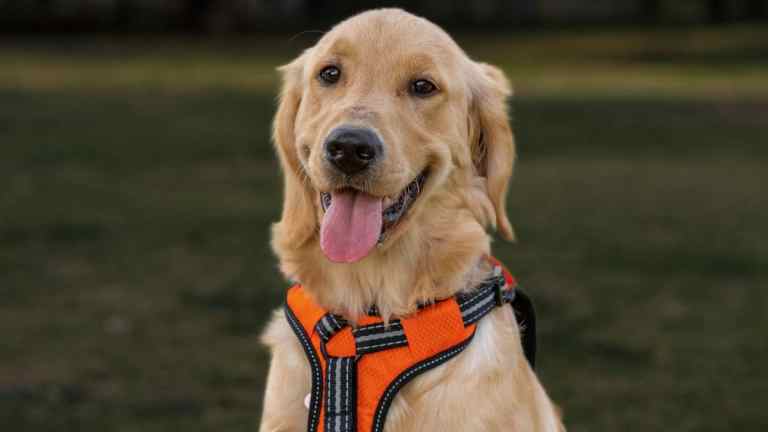
You kiss your dog’s head, and they either wag their tail with excitement or stare at you like you’ve lost your mind. So, do dogs actually understand what a kiss means?
Unlike humans, dogs don’t instinctively show affection by kissing—but that doesn’t mean they don’t recognise it as a sign of love. Understanding how dogs interpret kisses (and how they naturally show affection) can help strengthen your bond with your furry friend.
This guide explores how dogs perceive kisses, whether they enjoy them, and how to properly express love in ways your dog truly understands.
Do Dogs Naturally Understand Kisses?
Dogs do not instinctively understand kisses. In the wild, dogs and wolves don’t kiss each other to show affection. Instead, they rely on body language, touch, and vocalisations to express emotions.
However, over thousands of years of domestication, dogs have learned to read human behaviour. While kisses may not be a natural canine gesture, many dogs learn to associate them with positive experiences, such as cuddles, treats, and kind words.

Quick Fact
Puppies learn from their mothers through licking, which is the closest canine equivalent to a “kiss.”
How Do Dogs Interpret Kisses?

1. Association with Positive Reinforcement
Most dogs learn that kisses = love because humans often pair them with:
- A happy tone of voice
- Cuddles and petting
- Treats or rewards
- Playtime or belly rubs
Dogs thrive on consistency, so when kisses always lead to positive interactions, they start associating them with affection.
2. Body Language Matters More Than Kisses
Dogs rely on body language more than words or actions. When you kiss your dog, they pay more attention to:
- Your facial expressions
- Your tone of voice
- Your overall energy (calm vs. excited)
If you’re smiling, speaking softly, and relaxed, your dog is likely to interpret the kiss as something positive. However, if you’re tense or acting unpredictably, they may feel uncomfortable.
3. Licking vs. Kissing: Do They See It the Same Way?
Dogs show affection by licking, which is their version of a “kiss.” When they see a human doing something similar, they may interpret it as a friendly, bonding action.
Quick Tip
If your dog licks you back after a kiss, it’s a good sign they recognise it as affection!
Do All Dogs Like Kisses?
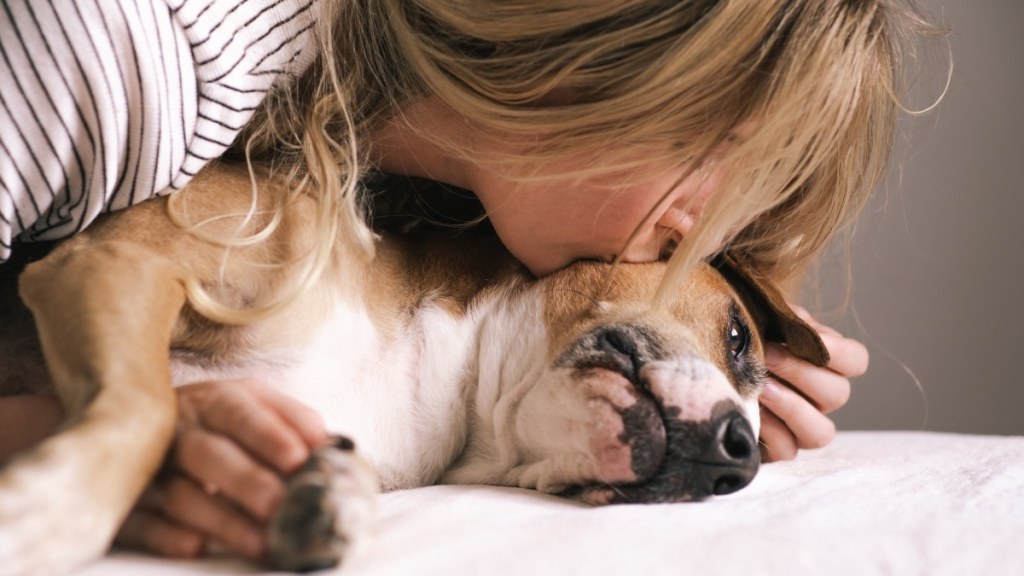
Not all dogs enjoy being kissed! Here’s how different dogs might react:
- 🐶 Some Love It – They wag their tail, lick you back, or nuzzle into you. These dogs have learned that kisses mean affection.
- 🐕 Some Tolerate It – They sit still or look at you but don’t react much. They might not dislike kisses, but they don’t see them as necessary.
- 🐾 Some Dislike It – They pull away, flatten their ears, or yawn (signs of discomfort). These dogs may feel anxious or invaded when kissed.
Quick Tip
Always watch your dog’s body language. If they seem uncomfortable with kisses, respect their space and show affection in other ways!
How Dogs Show Affection (Beyond Kisses)
Since kisses aren’t instinctive for dogs, they have their own ways of showing love:
1. Licking
Dogs lick their owners as a natural sign of affection. It’s how puppies interact with their mothers and littermates.
2. Following You Around
A dog that follows you from room to room is showing deep attachment and trust.
3. Leaning on You
Leaning is a sign that your dog feels safe and comfortable around you.
4. Bringing You Their Favourite Toy
Dogs often bring their owners toys as a way to say, “I trust you, let’s play!”
5. Eye Contact & Raised Eyebrows
A soft gaze with relaxed facial muscles is a key sign of affection. Studies show that dogs raise their eyebrows more when they look at their owners, which increases oxytocin (the bonding hormone) in both species!
Quick Tip
When a dog shows their belly, they may not always want belly rubs—it’s a sign of trust and submission.
How to Show Your Dog Love (in Ways They Understand!)
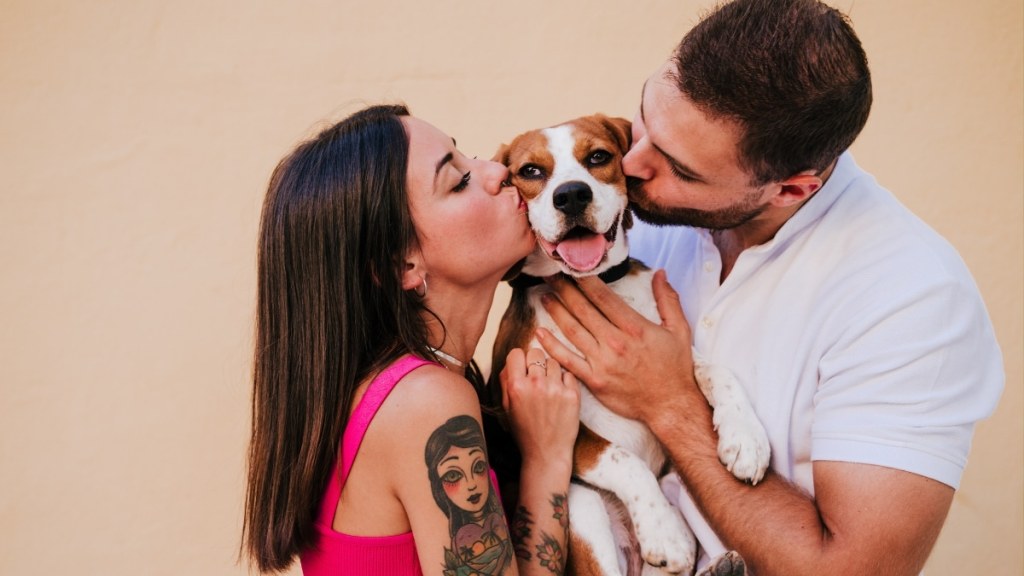
If your dog isn’t a fan of kisses, try these more dog-friendly ways to express affection:
Quick Tip
Instead of kissing, try gently pressing your forehead against theirs. Some dogs find this comforting and bonding.
Can Kissing Your Dog Be Dangerous?
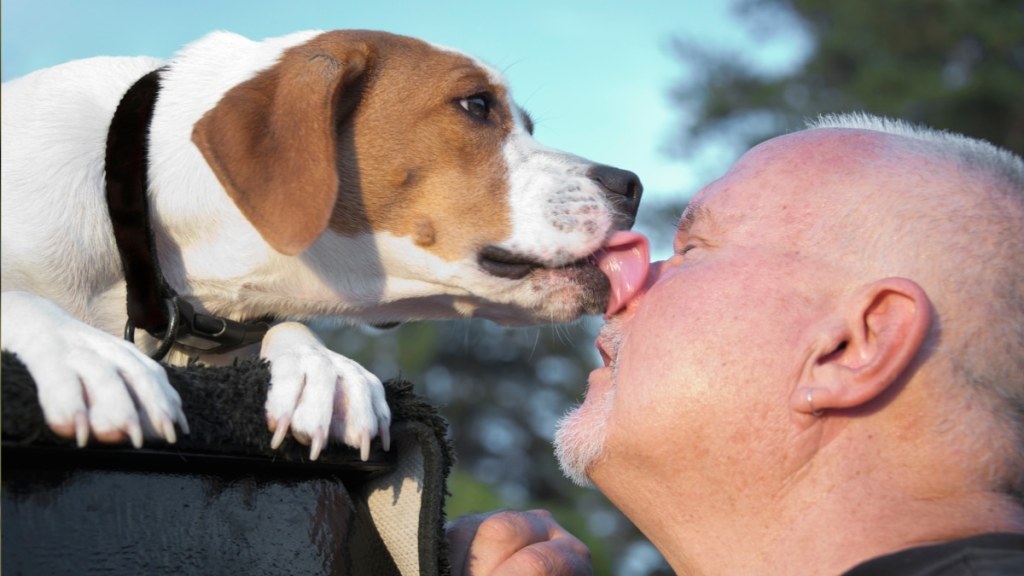
While kissing your dog is usually safe, there are a few things to consider:
Quick Tip
If you have a dog that’s prone to licking your face, make sure their dental hygiene is in check! Regular tooth brushing or dental chews help keep their mouth healthy.
Final Thoughts:
Dogs don’t naturally understand kisses the way humans do, but many learn to associate them with affection through positive reinforcement.
The key takeaway? Pay attention to your dog’s reaction and comfort level. Some dogs love kisses, while others prefer alternative forms of affection like petting, playtime, and verbal praise.
No matter how you show your love, understanding your dog’s communication style is the best way to strengthen your bond! 🐶💖
🐾 Does your dog enjoy kisses, or do they prefer other forms of affection? Let us know in the comments!