You call your dog’s name, and they perk up. You say it again, and they come running (or, if they’re feeling stubborn, they just flick an ear in acknowledgment). But do dogs actually know their own names, or are they just reacting to the sound? And how do they distinguish their name from all the other words we say?
Let’s dig into the science of canine language processing and find out if your dog really knows their name—or if they just think it means “something good is about to happen.”
Do Dogs Recognise Their Names? The Short Answer
Yes! Dogs can learn and recognise their names—but not in the way we think.
Unlike humans, who understand names as part of a personal identity, dogs associate their name with a specific sound that leads to a reward (like attention, treats, or play). It’s more like a command than a name in the human sense.

Quick Fact
Studies show that most dogs can learn their names within a few weeks if reinforced consistently.
How Do Dogs Process Words?
Dogs don’t understand language the way humans do, but they’re great at recognising patterns. When you repeatedly say your dog’s name and follow it with positive reinforcement (treats, affection, or play), they learn:
- The sound of their name – A distinct pattern of syllables.
- The tone of your voice – Whether it signals excitement, urgency, or discipline.
- The context – Whether they’re being called for dinner, play, or to stop doing something naughty.
This means that dogs don’t understand names the way we do—they simply associate their name with attention and rewards.
Quick Fact
Want to test your dog’s recognition? Try saying a random word in the same tone as their name and see if they respond. If they ignore it but react to their actual name, they likely know it well!
Do Dogs Know Their Names Over Other Words?

Most dogs respond more to their names than to random words, but it depends on:
- 🐶 Repetition: The more they hear it, the stronger the association.
- 🐕 Tone of Voice: High-pitched, excited tones get better reactions than neutral tones.
- 🐾 Consistency: If a dog is called different names often (“Buddy” vs. “Bud-Bud” vs. “Fluffy”), it may take longer to learn.
Fun fact: Dogs react better to names with two syllables (e.g., “Rex” vs. “Maximus”) because the shorter, distinct sound is easier for them to process!
Quick Fact
Studies show that dogs process words using the left side of their brain, just like humans! The right side processes emotional tone, which is why they can tell when you’re happy or upset.
Can Dogs Recognise Their Names in a Crowd?
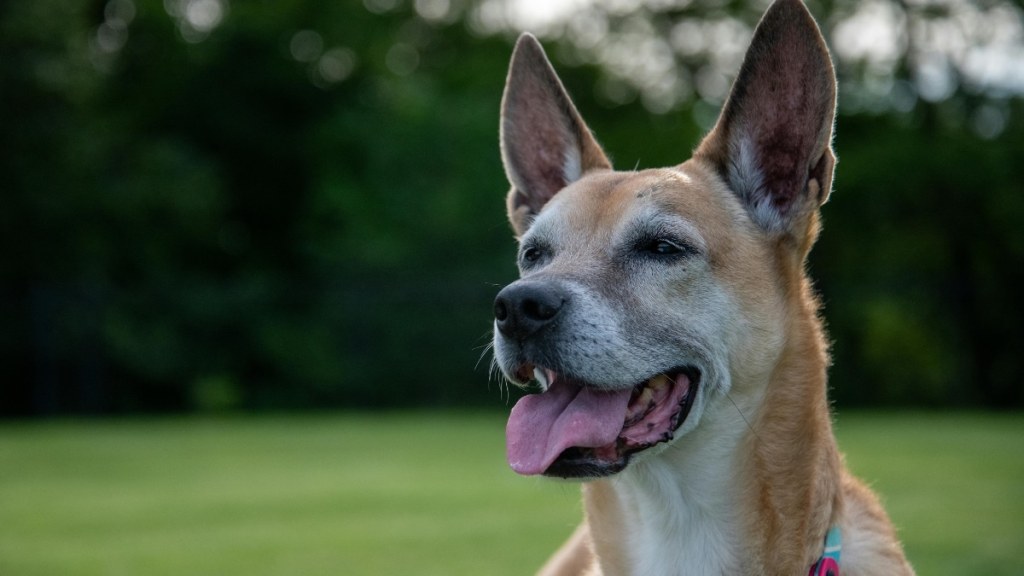
If you say your dog’s name in a noisy park or from across the house, will they still respond? The answer depends on training and familiarity.
- Well-trained dogs can pick their name out of background noise (like in a dog park or busy home).
- If they ignore their name, they might be distracted, not well-trained, or just choosing to pretend they didn’t hear you (yes, they do that!).
- Some breeds, like Border Collies and Poodles, are better at word recognition and may respond faster than independent breeds like Huskies or Afghan Hounds.
Quick Tip
If your dog struggles to respond in noisy environments, use hand signals or a high-value reward (like their favourite treat) to reinforce their recall.
Can Dogs Learn Multiple Names or Nicknames?
Absolutely! Dogs are great at associating multiple words with the same meaning. If you call them “Charlie,” “Char-Char,” or “Good Boy,” they’ll often respond to all of them, as long as the tone and context remain familiar.
However, if you frequently change what you call them, it might take longer for them to associate one particular name with themselves.
Quick Tip
If you’re introducing a rescue dog with an old name, gradually phase in their new name by pairing it with their old one (e.g., “Rex-now-Toby!”) before fully transitioning.
How Do Dogs Compare to Other Animals in Name Recognition?

- Dogs vs. Cats: Studies suggest that dogs learn their names faster and more reliably than cats. Cats can learn their names, but they’re less likely to show they care.
- Dogs vs. Dolphins: Dolphins are one of the only other species known to have individual names—they use unique whistles to identify each other!
- Dogs vs. Birds: Parrots and some songbirds can learn their own names and even say them back!
Quick Fact
A Border Collie named Chaser learned over 1,000 words, including the names of different toys!
Final Thoughts: Do Dogs Really Know Their Names?
Yes, but not in the way humans do! Dogs recognise their name as a specific sound tied to rewards and attention, rather than a personal identity. With training, they can learn multiple names, respond in noisy environments, and even pick up other commands based on sound and tone.
So next time you call your pup, remember: they’re not thinking, “That’s me!” They’re thinking, “That sound means something awesome is about to happen!” 🎾🐶
🐾 How many names does your dog respond to? Tell us in the comments!