The UK’s Dangerous Dogs Act has long been one of the most controversial pieces of animal legislation — and recent updates have brought even more debate. Whether you’re a current owner, thinking of adopting, or simply want to stay informed, here’s what you need to know in 2025.
What Is the Dangerous Dogs Act?
The Dangerous Dogs Act 1991 was introduced to tackle the rising number of dog attacks in the UK. It mainly:
This includes both specific breeds and any dog that behaves aggressively — regardless of breed.
Which Breeds Are Currently Banned in the UK (2025)?
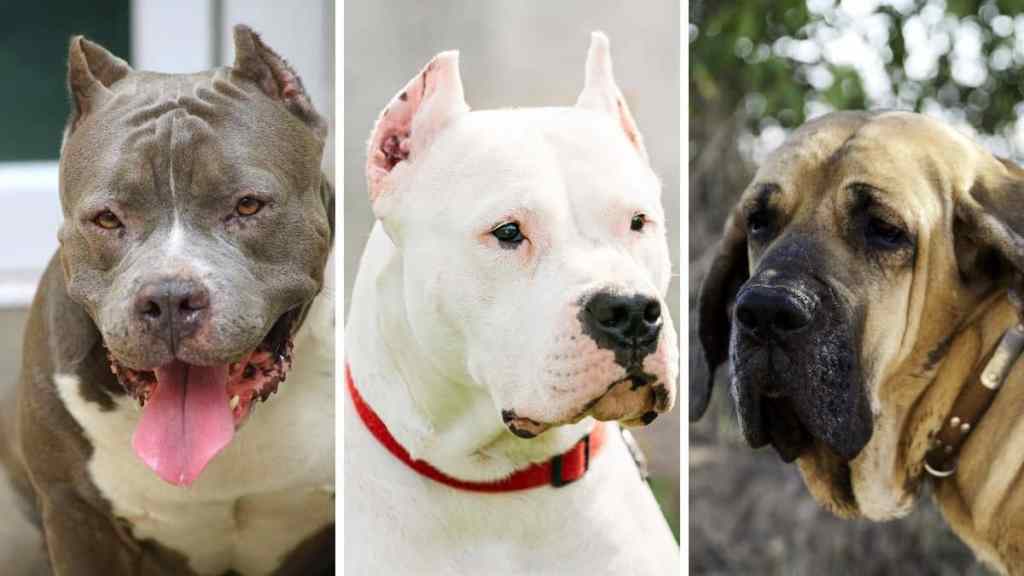
As of March 2025, the following breeds are banned under Section 1 of the Act:
- Pit Bull Terrier
- Japanese Tosa
- Dogo Argentino
- Fila Brasileiro
- XL Bully (added under the 2023/24 amendments)
The law targets types rather than registered breeds — meaning a dog can be deemed illegal based on its appearance and physical characteristics, even if it’s a crossbreed.
Can Other Dogs Be Considered Dangerous?
Yes. While Section 1 covers banned breeds, Section 3 of the Dangerous Dogs Act applies to all dogs. It’s an offence if:
- A dog is dangerously out of control in a public place
- A dog injures someone, or even causes fear or apprehension of injury
- An incident occurs on private property, including your own home (since 2014)
This means any dog, regardless of breed, can be seized or result in prosecution if it behaves aggressively.
Penalties Include
What’s New in the 2024/25 Update?
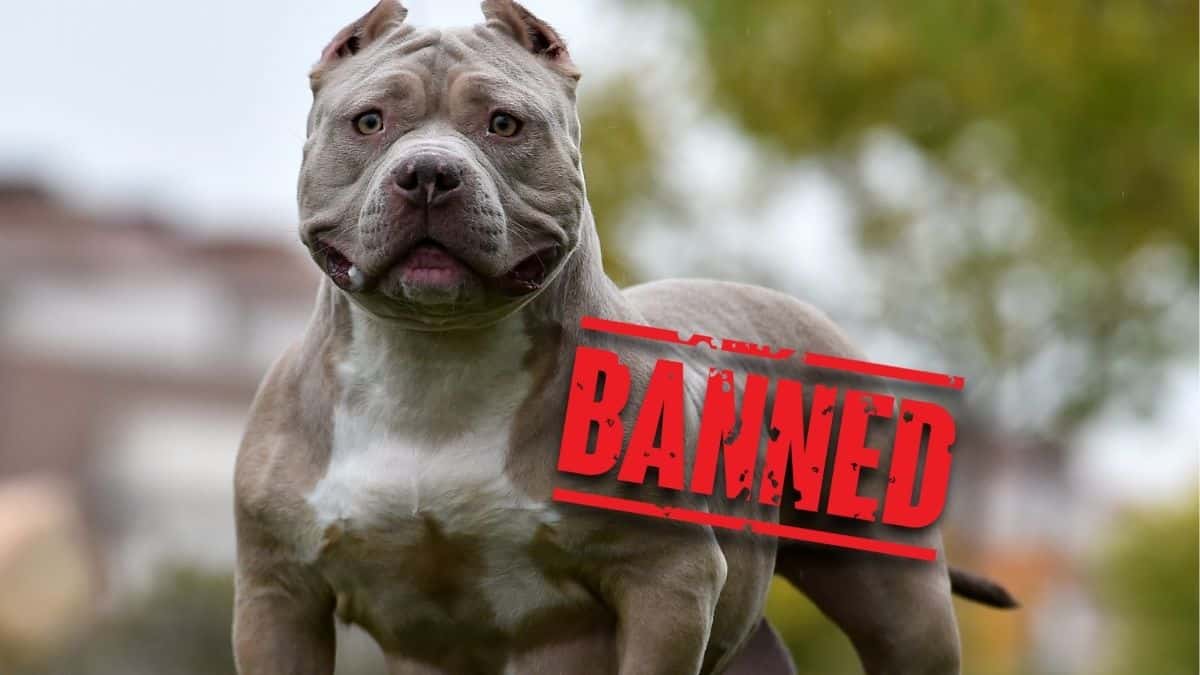
The most significant change in recent years has been the addition of the XL Bully to the banned breeds list. The rollout was phased:
- From 31 December 2023, it became illegal to sell, abandon, rehome, or breed XL Bullies in England and Wales
- From 1 February 2024, it became illegal to own an XL Bully without a Certificate of Exemption
To keep an XL Bully legally, owners must:
- Apply for and obtain a Certificate of Exemption
- Neuter the dog (depending on age)
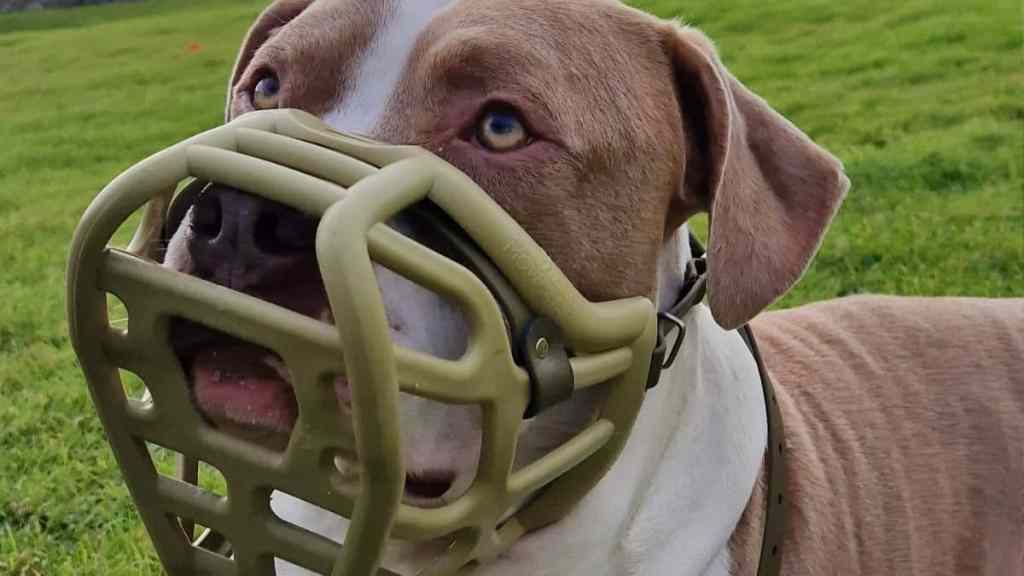
- Keep it muzzled and on a lead in public
- Take out third-party liability insurance
- Keep the dog in secure, controlled conditions
How Do I Know If My Dog Is an XL Bully?
This has caused confusion. The government released official guidance and visual ID checklists to help owners determine whether their dog meets the physical characteristics of an XL Bully type.
Even mixed-breed dogs or rescues can be classified as XL Bully if they match the standard, so owners unsure of their dog’s status should seek advice from:
- Their vet
- Breed specialists
- The official government guidance (available on gov.uk)
What Happens If You Don’t Comply
Owning a banned dog without an exemption is a criminal offence. Your dog can be:
You could also face a criminal record, court proceedings, and an unlimited fine.
Are There Other Situations That Can Lead to Seizure?
Yes. Even if your dog is not a banned breed, it can still be seized if:
- It bites someone
- It chases or threatens someone, especially delivery drivers or posties
- It attacks another animal, such as a dog or livestock
- It’s reported multiple times for aggressive behaviour
These types of incidents are investigated under Section 3 of the Act, and can still result in control orders, criminal charges, or destruction of the dog.
Are There Calls for Reform?
Yes. The Dangerous Dogs Act has faced criticism from vets, behaviourists, and animal welfare groups for being breed-specific, rather than focusing on behaviour and responsible ownership.
Campaigners argue that:
- Breed alone does not determine aggression
- Enforcing appearance-based bans leads to confusion and fear
- Better education, enforcement, and support for owners would reduce attacks more effectively
However, the government has so far defended the approach, citing public safety.
Quick Tips for Dog Owners:
- Unsure about your dog’s breed type? Seek advice early — don’t wait for enforcement.
- Keep all paperwork if your dog is exempt, including proof of insurance and registration.
- Consider muzzle training and lead control for any large or powerful breed, even if not banned.
- Be aware that local councils and landlords may impose restrictions beyond the law.
- Always supervise your dog in public and teach reliable recall and social skills.
Final Thoughts
The 2024/25 updates to the Dangerous Dogs Act mark one of the most significant legal shifts in recent memory, especially for XL Bully owners. But it’s not just about banned breeds — any dog can fall foul of the law if it’s out of control or behaves dangerously.
Whether you agree with the legislation or not, it’s crucial to stay informed, act early, and follow the law to protect yourself, your pet, and the public.
As debate continues about whether the law goes too far — or not far enough — responsible ownership remains the key.