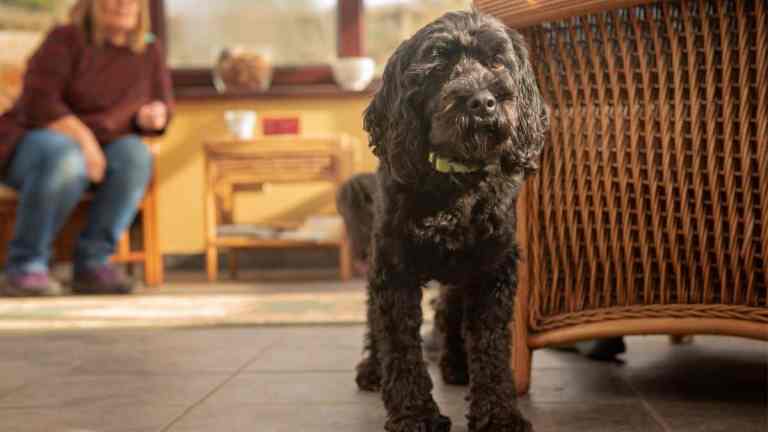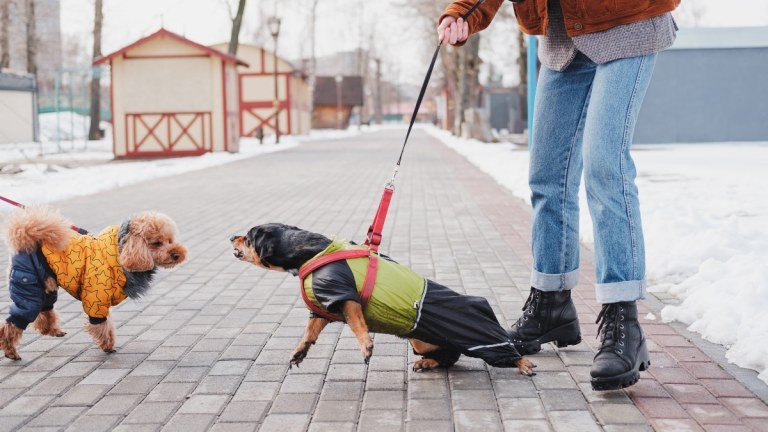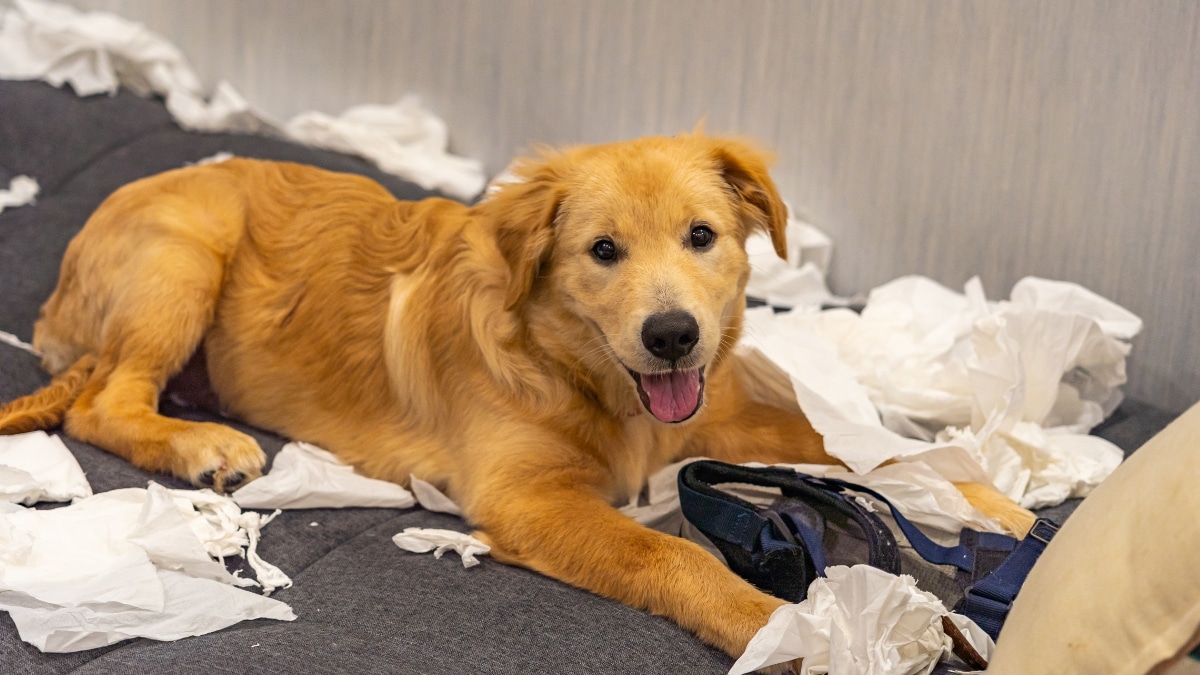
Every dog has its quirks, but when those quirks turn into frustrating behaviour problems, it can be overwhelming for owners. The good news? Most common behaviour issues can be corrected with the right training, consistency, and understanding.
In this guide, we’ll break down the most common dog behaviour problems, explain why they happen, and provide expert-backed solutions to help you raise a well-behaved and happy dog.
Why Do Dogs Develop Behaviour Problems?
Dogs don’t misbehave out of spite—they act out due to underlying reasons like boredom, lack of training, anxiety, or instinctive behaviours. Some common causes include:
- Lack of Exercise – Many behaviour issues stem from pent-up energy.
- Inconsistent Training – Mixed signals confuse dogs and create bad habits.
- Anxiety or Fear – Stress-related behaviours often stem from insecurity.
- Reinforced Bad Habits – If a dog learns that barking or jumping gets attention, they’ll keep doing it.

Quick Tip
Address the root cause, not just the behaviour itself, for long-term success.
Excessive Barking & How to Stop It
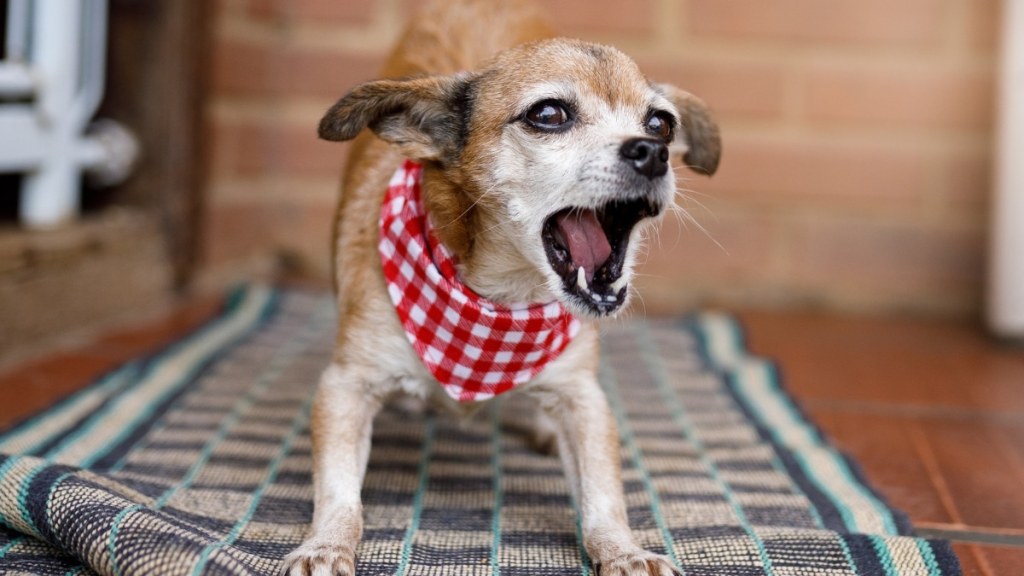
Barking is a natural way for dogs to communicate, but excessive barking can become a problem. If your dog barks too much, the first step is understanding why they’re barking. Some dogs bark due to excitement, while others do it from fear, boredom, or as an alert response.
How to Reduce Barking:
- Identify the trigger – Observe when and why your dog barks excessively.
- Train a “Quiet” command – Reward silence and discourage unnecessary barking.
- Provide mental stimulation – A bored dog is more likely to bark excessively.
- Ignore attention-seeking barking – Reinforce calm behaviour instead.
Quick Tip
Never yell at your dog to stop barking—it can make them think you’re barking along!
Jumping Up on People
Jumping up is an instinctive greeting behaviour in dogs. While it might be cute in puppies, it can become problematic in larger, stronger dogs. Dogs jump up to get attention, so preventing this behaviour means teaching them alternative ways to greet people.
How to Stop Jumping:
- Ignore the jumping – Turn away and only give attention when they’re calm.
- Teach an alternative behaviour – Reward your dog for sitting instead of jumping.
- Use the “Off” command – Reinforce good manners when guests arrive.
Quick Tip
If visitors arrive, ask them to ignore your dog until they’re sitting calmly.
Destructive Chewing & How to Redirect It

Dogs chew instinctively, but when they start destroying furniture, shoes, or other valuable items, it’s often a sign of boredom, anxiety, or lack of proper outlets for their chewing instincts.
How to Stop Destructive Chewing:
- Provide plenty of chew toys – Kongs, ropes, and rubber bones work well.
- Use taste deterrents – Bitter apple spray can make furniture less appealing.
- Keep tempting objects out of reach – Prevention is key.
Quick Tip
Freeze a wet washcloth for teething puppies—it helps soothe their gums.
Toilet Accidents Indoors

House-training setbacks can happen for many reasons, including stress, medical issues, or a lack of consistency. To prevent accidents, follow a structured toilet routine.
How to Fix Toilet Training Issues:
- Take them out frequently – Especially after meals, playtime, and naps.
- Reward outdoor toileting – Praise and treats help reinforce good habits.
- Use enzymatic cleaners – This removes odours so they don’t return to the same spot.
Quick Tip
If your dog suddenly starts having accidents, consult a vet to rule out medical issues.
Separation Anxiety & Destructive Behaviour

Dogs are social animals, and some struggle when left alone. Separation anxiety can lead to destructive behaviour, excessive barking, and even self-harm.
How to Help a Dog with Separation Anxiety:
- Start with short absences – Gradually increase the time they’re alone.
- Create a calm departure routine – Avoid making a fuss before leaving.
- Use enrichment toys – Puzzle feeders or frozen Kongs help keep them busy.
Quick Tip
Leaving a recently worn T-shirt in their bed can comfort an anxious dog.
Digging: Why Dogs Do It & How to Control It
Some dogs dig instinctively, while others do it out of boredom or frustration. If your dog is turning your garden into a mess, addressing the root cause is essential.
How to Stop Excessive Digging:
- Provide mental stimulation – Bored dogs are more likely to dig.
- Create a designated digging area – A sandbox filled with toys can work wonders.
Quick Tip
Secure your fence if your dog is digging to escape.
Begging for Food & Table Manners

Begging is a learned behaviour—if your dog gets food from the table once, they’ll keep trying. Teaching them that begging doesn’t work is key.
How to Stop Begging:
- Never feed from the table – Use their bowl for all meals.
- Teach a “place” command – Give them a specific spot during meals.
- Feed them before you eat – A full dog is less likely to beg.
Quick Tip
Ignore begging completely—any attention reinforces the behaviour.
Resource Guarding (Food & Toys)
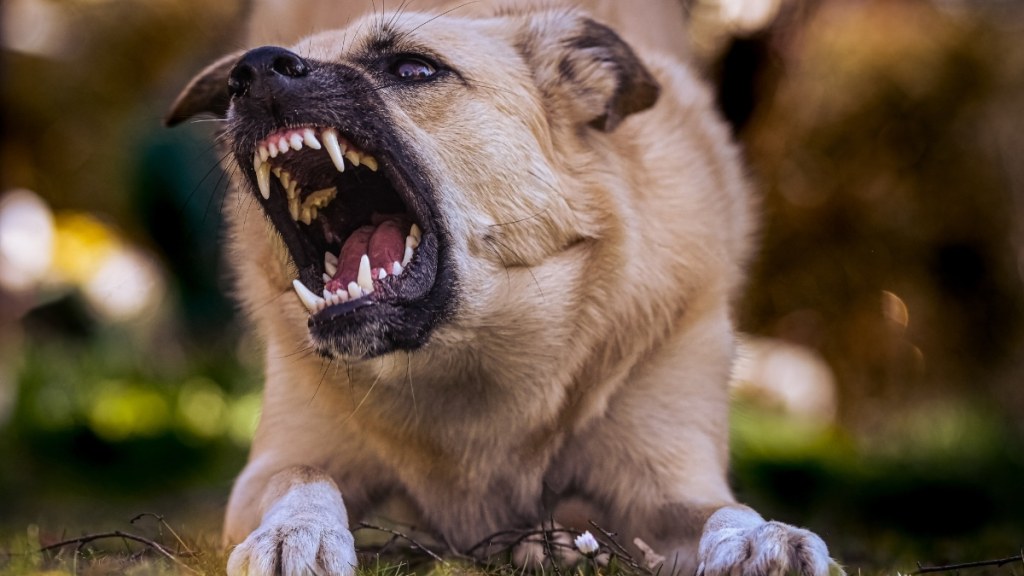
Some dogs become possessive over food, toys, or space. While resource guarding is instinctive, it can escalate into aggression if not addressed early.
How to Stop Resource Guarding:
- Trade up – Offer a high-value treat in exchange for the guarded item.
- Hand-feed meals – Builds trust and reduces food aggression.
Quick Tip
Never take food away forcefully—it reinforces guarding behaviour.
When to Seek Professional Help
If your dog’s behaviour is severe (e.g., aggression, extreme anxiety), working with a professional trainer or behaviourist is the best step forward.
- Look for force-free, positive reinforcement trainers.
- Veterinarians can assess medical causes of behaviour problems.
Quick Tip
The APBC (Association of Pet Behaviour Counsellors) offers expert help in the UK.
Final Thoughts
Every dog has unique quirks, but with patience, consistency, and training, most behaviour problems can be resolved. Focus on understanding the cause, reinforcing good behaviour, and setting clear expectations.
Have you struggled with any of these issues? Let us know your experience in the comments!
🐾 Happy training!