Rats aren’t just clever little pets — they’re social butterflies with twitchy noses and big personalities. But when it comes to cage mates, not every rat is a perfect match. Whether you’re welcoming your first pair or growing your mischief (yes, that’s really the term for a group of rats), choosing the right companions can make all the difference between harmony and chaos.
Forget the myth of the “loner rat.” These animals don’t just like company — they need it. So let’s dive into how rats bond, what to look for in the perfect cage mate, and how to help your rats live their very best social lives.
Why Rats Need Companionship
Rats are wired for connection. In the wild, they live in tight-knit colonies where survival depends on cooperation — and those instincts haven’t gone anywhere. Pet rats rely on companionship for everything from emotional wellbeing to basic behavioural development.
Here’s what the science and experience tell us:

Quick Tip
If you’re adopting rats for a child or first-time pet owner, never adopt just one. A solo rat won’t get the social stimulation it needs from humans alone — no matter how loving the household.
Can You Keep Just One Rat?
Technically? Yes. Ethically, emotionally, and according to nearly every animal welfare organisation? Absolutely not.
Keeping a rat alone might seem fine on the surface, especially if they seem cuddly with you — but rats don’t just tolerate other rats; they crave their company. The RSPCA, Blue Cross, and countless expert rat carers agree: rats should never be kept solo.
Even if you’re the most attentive human on Earth, you can’t replicate the 24/7 companionship, body language, and mutual grooming another rat provides. A solo rat may survive… but it probably won’t thrive.
What Makes a Good Rat Pair?

When you’re building your mischief, think more matchmaking than mix-and-match. The wrong pairing can lead to stress, bullying, or worse. The right one? Grooming sessions, playful tumbles, and nap-time cuddles.
Here’s what makes for a solid match:
✅ Same sex
Unless neutered (and even then, it’s not risk-free), rats should only live with others of the same sex. Mixed-sex groups = baby boom waiting to happen.
✅ Similar age
Younger rats (under 12 weeks) tend to accept new friends more easily. Older rats can get a bit set in their ways and may take more time to adapt.
✅ Balanced personalities
Pairing two bold, dominant rats? You might be asking for fireworks. Two shy rats? Not always ideal either. Aim for a confident + calm combo if you can.
Quick Tip
Many rescues and ethical breeders can help match temperaments. Always ask!
Group Size Matters
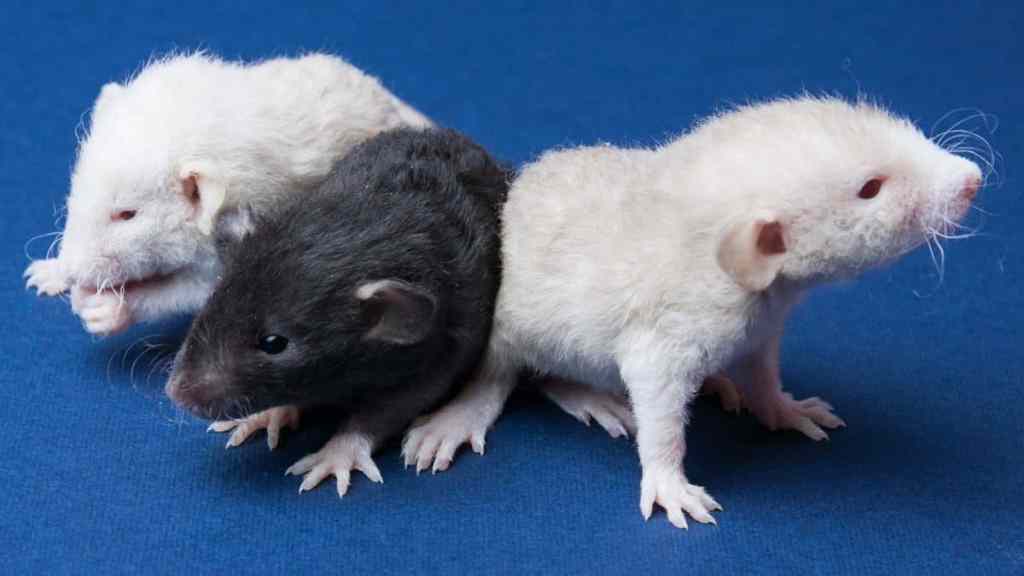
So you’ve decided on more than one rat — but how many should you get? While two is a great starting point, seasoned rat owners (and behaviourists) often say that three is the magic number.
Why? Because with three or more, social dynamics become more flexible. If one rat is napping, the others still have company. Plus, introducing new rats later tends to be easier when you already have a well-adjusted group.
Here’s a quick guide to help you decide:
- 2 rats – A bonded pair is a solid start, especially for beginners. But if one passes, the remaining rat can become lonely fast.
- 3 rats – Ideal for social balance, play, and long-term stability.
- 4+ rats – Wonderful if you have the space, time, and patience for managing a larger mischief. Great for watching natural group behaviours.
Important: Group size is only sustainable if your cage is large enough. Aim for at least 80 x 50 cm floor space for a pair, and size up generously for each extra rat. More rats = more cleaning, more enrichment, more love… and yes, a bit more chaos.
Introducing Rats: Do’s and Don’ts
Introducing new rats to your group isn’t just risky business — it’s an art. Done right, it’s smooth sailing. Done wrong, it can end in bites, bullying, and broken bonds.
Here’s how to do it safely, calmly, and kindly.
✅ DO:
- Quarantine first. Keep new rats separate for 1–2 weeks to rule out illness.
- Start in neutral territory. A playpen, bathtub, or unfamiliar room helps level the playing field.
- Watch body language. Chasing, pinning, and squeaking is normal — blood, puffed fur, or lunging is not.
- Clean the main cage before moving them in together to avoid territorial tension.
❌ DON’T:
- Rush it — some rats bond in hours, others take weeks.
- Introduce in the existing cage — this triggers defensive instincts.
- Panic at light dominance behaviour — squeaks, pins, and grooming are part of rat hierarchy.
Quick Tip
Use the “carrier method” or gradual intro box swapping if you’re nervous. Slow and steady wins the rat race.
Male vs Female Rats: Are There Differences?
When it comes to choosing the perfect rat crew, sex absolutely matters. Male and female rats can both make brilliant pets — but their personalities, energy levels, and social styles do differ slightly. It’s less about one being better, and more about choosing what suits your lifestyle.
🐀 Male Rats (Bucks)
- Generally calmer and more laid-back
- Love a cuddle session — many will happily nap in your hoodie
- Tend to be a little lazier (in a good way)
- Can become territorial if not socialised early
- Often better in smaller groups or pairs
🐁 Female Rats (Does)
- Curious, energetic, and always on the go
- Love exploring, climbing, and interactive play
- Usually less prone to weight gain than males
- More accepting of new cage mates
- Require a bit more enrichment to prevent boredom
Whichever you choose, just make sure they’re same-sex (or neutered), and that they’ve got company. One lonely rat is a sad sight — regardless of gender.
Quick Tip
If you want sofa buddies — males might be your vibe. If you’re after tiny explorers to keep you on your toes, females are bursting with energy.
Rescue or Breeder? Choosing Where to Find Your Rats
Not all rats come from the same start in life — and where you get your new companions can massively affect their health, temperament, and how well they bond with others.
🏥 Rescue Rats
- Often come as bonded pairs or groups
- Staff can advise on individual personalities and quirks
- You’ll be giving a second chance to rats who need it
- May include older rats or those with special needs
🐾 Ethical Breeders
- Focus on health, genetics, and temperament
- Usually handle pups from birth — meaning more confident, friendly rats
- Often help match rats based on social compatibility
- You may need to go on a waiting list
⚠️ Avoid: Pet shops where rats are kept in overcrowded tanks or show signs of illness. These rats are often poorly bred, under-socialised, and randomly grouped — a recipe for stress.
Quick Tip
A good rescue or breeder will ask you plenty of questions too. That’s a green flag — it means they care.
Summary Table: Rat Companionship Basics
|
Question |
Answer |
|---|---|
|
Should I keep rats alone? |
No — they are highly social and need companions. |
|
Same sex or mixed? |
Same sex only, unless neutered. |
|
Ideal group size? |
Three offers the best social balance. |
|
Can I mix ages? |
Preferably not — rats close in age settle in faster. |
|
Are males or females better? |
Males = cuddly; Females = curious. Pick based on your vibe. |
|
Rescue or breeder? |
Either — just ensure health, ethics, and personality matching. |
Final Thoughts
A happy rat is rarely a solo rat. These smart, loving animals thrive on connection — with their own kind, and with you. Choosing the right companions isn’t just about avoiding fights; it’s about creating a family. One that cuddles, grooms, plays, and lives fully together.
Whether you’re starting with two or building up a bigger mischief, get the mix right — and you’ll be rewarded with one of the most heartwarming pet dynamics you’ll ever see. 🐀💕