With their adorable teddy bear looks, affectionate nature, and reputation for being low-shedding, Cavapoos have become one of the UK’s most popular crossbreeds. A mix between the Cavalier King Charles Spaniel and the Poodle (usually a Miniature or Toy), these dogs combine the best of both worlds. But are they right for your home? This in-depth UK-focused guide explores everything you need to know — from personality traits and care requirements to health, grooming, and more.
Origins & History of the Cavapoo
The Cavapoo (also known as the Cavoodle in some countries) is a relatively new hybrid, gaining popularity in the UK in the early 2000s. While Poodle crosses have existed for decades, the Cavapoo’s rise in popularity was driven by its hypoallergenic potential and family-friendly nature.
Cavapoos were originally developed in Australia, where breeders aimed to combine the Poodle’s intelligence and low-shedding coat with the Cavalier King Charles Spaniel’s affectionate and calm temperament. The result was a dog well-suited to a range of lifestyles — from busy families in suburban homes to older couples in city flats.
Despite not being recognised by the UK Kennel Club as a pedigree breed, Cavapoos are now a top choice for first-time owners and those seeking a friendly, adaptable pet. Their charm, loyalty, and intelligence continue to win hearts across the UK.

Quick Fact
Cavapoos are sometimes referred to as “designer dogs” — but their popularity stems from more than just looks. They’re also clever, gentle, and eager to please.
Appearance & Size
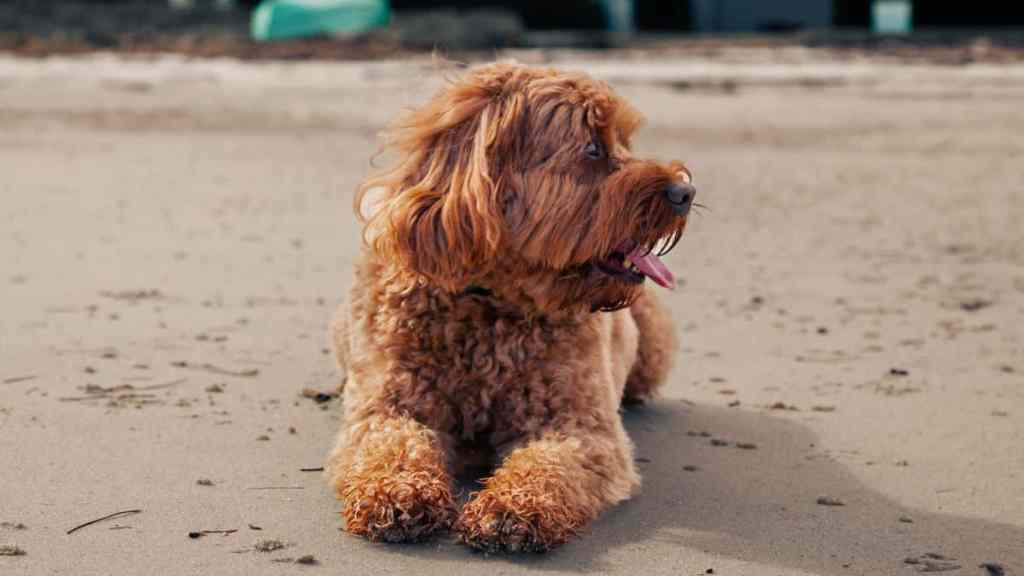
Cavapoos vary slightly in size and appearance, depending on the parent breeds — particularly the size of the Poodle used in breeding. Most UK Cavapoos are bred from Miniature Poodles, although Toy Poodles are also common.
- Height: 23–38 cm (9–15 inches)
- Weight: 5–11 kg (11–24 lbs)
- Coat: Wavy or curly, soft in texture
- Colours: Apricot, ruby, black, white, tricolour, or a combination of these
Their soft, expressive eyes and endearing facial features give them a permanent puppy-like look. The coat, inherited from the Poodle parent, tends to shed minimally, though this is never guaranteed. Their fur can vary from loose waves to tight curls, and this will influence how often they need brushing and professional grooming.
Quick Tip
Cavapoos with curlier coats (more like the Poodle) will require more intensive grooming than those with wavier fur.
Temperament & Personality

Cavapoos are often described as affectionate, sociable, and deeply bonded to their families. They thrive on human companionship and can be very people-focused. In fact, many Cavapoo owners report that their dogs will follow them from room to room, eager to stay close and be part of the action.
They’re clever and quick to learn, thanks to the Poodle’s intelligence, and gentle and affectionate like the Cavalier. This makes them excellent for families, individuals, and seniors alike.
They are also highly intuitive dogs — they quickly pick up on their owner’s mood and can make fantastic emotional support animals. Their natural sensitivity makes them well-suited for people with anxiety or those looking for an empathetic companion.
However, they don’t enjoy being left alone for long periods. Cavapoos are prone to separation anxiety, which can result in destructive behaviour or barking.
Quick Tip
If you work long hours, consider doggy daycare or a dog walker to break up your Cavapoo’s day.
Exercise & Mental Stimulation
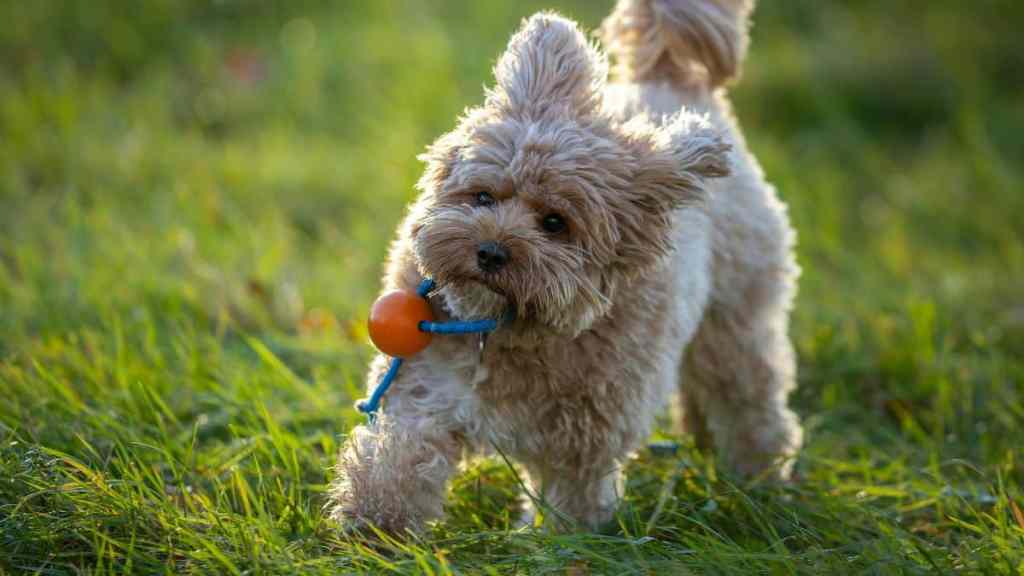
Although small in size, Cavapoos need regular physical and mental stimulation. They’re not lazy lap dogs — they thrive on activity and variety.
They typically enjoy two walks per day, along with time to play and explore. This doesn’t mean hours of running, but short, varied bursts of activity throughout the day will keep them happy and balanced. Cavapoos also love engaging activities like learning tricks, playing hide and seek with toys, or solving food puzzles.
Recommended routine:
Because they’re smart, Cavapoos are ideal candidates for agility, scent games, and obedience classes.
Quick Tip
Rotate toys weekly to keep things fresh and engaging for your Cavapoo.
Grooming & Coat Maintenance
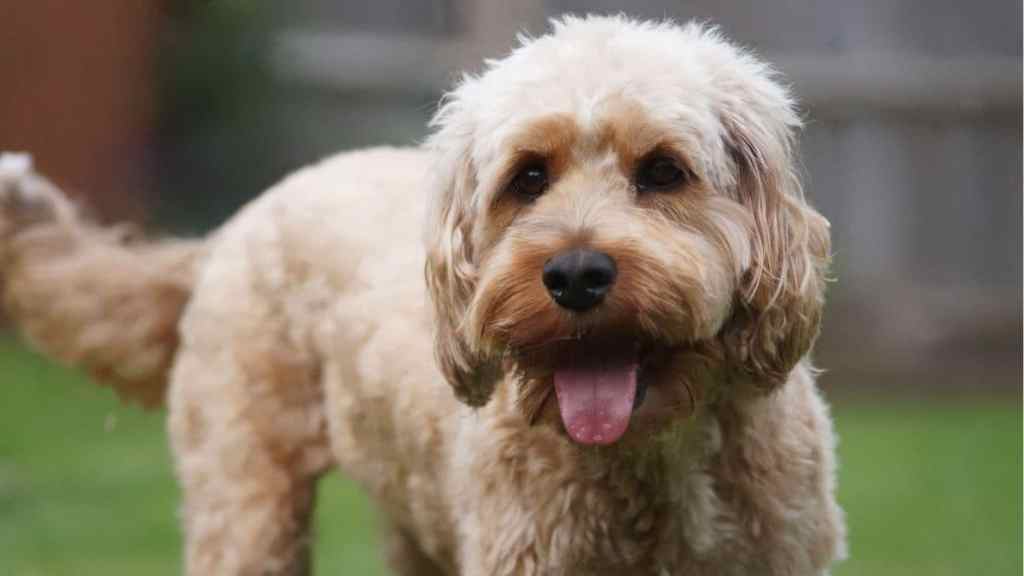
Grooming is essential for Cavapoos, particularly for those with curlier coats. A consistent routine helps keep their skin healthy and prevents painful matting.
Their fur can grow quickly and trap dirt and debris, so regular brushing is a must. Dogs with curlier coats should be brushed daily, while those with looser waves can usually get away with 3–4 times a week. Regular trips to the groomer will keep their coat in shape, especially around the eyes and paws.
Key grooming needs:
- Brushing: 3–4 times a week (daily if curly)
- Bathing: Every 4–6 weeks (or as needed)
- Professional grooming: Every 6–8 weeks
- Ear care: Weekly cleaning to prevent infections
- Dental hygiene: Brush teeth 2–3 times per week
- Nail trimming: Every 2–3 weeks
Their floppy ears can trap moisture, making them more prone to infections — especially if not cleaned regularly. Use vet-recommended ear cleaning solutions and monitor for signs of redness or irritation.
Quick Tip
Invest in a detangling spray and a slicker brush — these tools make grooming easier, especially for new Cavapoo owners.
Common Health Issues in Cavapoos
Although crossbreeds like Cavapoos often benefit from hybrid vigour, they’re still susceptible to inherited conditions. It’s essential to understand what health problems might arise so you can take preventative steps.
Cavapoos may inherit health issues from either the Cavalier or the Poodle side. While not all dogs will suffer from these problems, being aware of them means you can ask the right questions when choosing a breeder and be proactive with veterinary care.
Potential health issues:
- Mitral valve disease (MVD): A common heart issue in Cavaliers, which can affect Cavapoos as they age.
- Syringomyelia: A serious neurological condition linked to skull malformation.
- Patellar luxation: Dislocating kneecaps, often seen in smaller breeds.
- Progressive retinal atrophy (PRA): Degeneration of the retina, leading to blindness.
- Allergies and skin sensitivities: Some Cavapoos may have food or environmental allergies.
Average lifespan: 12–15 years with proper care and regular vet visits.
Quick Tip
Choose a breeder who provides health clearances for both parent breeds, particularly for heart, eye, and joint issues.
Are Cavapoos Good with Children?
Cavapoos are a popular choice for families with children thanks to their gentle, affectionate temperament. They’re playful without being rough and can handle a good amount of stimulation from little ones.
However, as with all dogs, children should be taught to treat them with respect. Pulling ears or sudden loud noises can startle even the most tolerant Cavapoo. Supervised interaction is always best, especially with younger children.
Best practices for families:
Quick Tip
Early exposure to family life will help your Cavapoo grow into a calm and confident companion.
Cavapoo vs Cockapoo: What’s the Difference?

Cavapoos and Cockapoos are both Poodle crosses, but they have different temperaments and energy levels, largely due to the differences between their Spaniel parents. While the Cavalier is laid-back and cuddly, the Cocker Spaniel is typically more energetic and independent.
|
Trait |
Cavapoo |
Cockapoo |
|
Parent Breeds |
Cavalier x Poodle |
Cocker Spaniel x Poodle |
|
Size |
Smaller |
Medium-Sized |
|
Energy Level |
Moderate |
High |
|
Temperament |
Gentle & Cuddly |
Energetic & Lively |
|
Coat Type |
Soft & Wavy |
Curly & Thick |
While both breeds make excellent companions, your choice may come down to energy level and maintenance needs. Cavapoos are more relaxed and suited for quieter homes, while Cockapoos thrive in active households.
Quick Tip
If you’re a first-time owner or live in a calmer environment, the Cavapoo’s more relaxed temperament may be a better match.
Where to Get a Cavapoo in the UK
Due to their popularity, Cavapoos are widely bred in the UK — but this also means a higher risk of encountering unscrupulous breeders or puppy farms. Always take your time and ask the right questions.
Finding a Cavapoo responsibly:
- Look for breeders who follow UK Kennel Club guidelines (even though Cavapoos aren’t KC-registered)
- Ask for health tests on both parents (especially heart and eye checks)
- Visit the breeder and see the puppy with its mother
You can also consider adopting a Cavapoo through breed-specific rescues or shelters.
Recommended rescues:
- The Doodle Trust
- Dogs Trust
- Many Tears Animal Rescue



Quick Tip
Be wary of online-only ads with no background information — always meet the puppy in person and verify credentials.
Final Thoughts
Cavapoos are one of the UK’s most popular companion dogs for good reason. They offer an unbeatable combination of affection, intelligence, and charm, along with manageable exercise and grooming needs. Whether you’re a seasoned dog owner or a first-timer, a well-raised Cavapoo can make an ideal addition to your life.
But remember — their sweet nature means they need companionship and stimulation. They’re not a “leave-them-home-alone-all-day” kind of dog. If you’re ready to invest time and love into your new best friend, the Cavapoo will return it tenfold.