Living in a flat doesn’t mean you have to give up on the dream of owning a dog. The key is to choose a breed that’s well-suited to apartment life: calm indoors, relatively quiet, doesn’t need a massive garden, and can cope with close neighbours. Whether you’re a first-time owner or a seasoned dog lover downsizing to a city flat, here are the ten best breeds for apartment dwellers in the UK, plus tips to help each one thrive.
French Bulldog

Why French Bulldogs Are Great for Apartment Living
French Bulldogs are a firm favourite among city dwellers and for good reason. Their small size (usually under 13kg), easygoing nature, and limited need for exercise make them perfectly suited to flats and apartments across the UK. Frenchies are highly adaptable, content with a couple of short walks each day and plenty of sofa time. Unlike some breeds, they rarely bark for no reason, which makes them ideal for close neighbours and quiet buildings.
Frenchies are also incredibly people-oriented. They thrive on companionship and will want to be wherever you are, whether that’s watching TV, working from home, or having a weekend lie-in. Their playful, clownish personalities bring joy to any household, and they usually get on well with children and visitors, adding to their “ideal companion” status for busy urbanites.
What to Watch Out For
Despite all their charms, French Bulldogs do have some unique challenges. Their flat faces (brachycephalic) make them prone to breathing difficulties and overheating, especially in the summer or in stuffy flats. Because of their structure, they aren’t natural swimmers and should never be left unsupervised near water. Frenchies can also be stubborn with training and may struggle if left alone for long periods, so they aren’t the best fit for people with long commutes or frequent late nights.
Medical care is something to budget for too. A well-bred, health-tested Frenchie can be a joy, but unfortunately, there are many with genetic issues due to poor breeding. Always choose a responsible, Kennel Club Assured Breeder, and avoid puppies from unverified sources.
Tips for Apartment Living with a Frenchie
Cavalier King Charles Spaniel

Why Cavaliers Are Great for Apartment Living
The Cavalier King Charles Spaniel is famous for its affectionate, gentle personality and its ability to adapt beautifully to different living spaces, including city flats. Weighing around 5–8kg, Cavaliers are small enough to fit comfortably in any apartment, yet robust enough to enjoy outdoor adventures and playtime.
Cavaliers are true lap dogs at heart, they crave human company and love being included in daily life. Their calm, patient nature means they’re unlikely to disturb neighbours with excessive barking or high-energy antics. They tend to get along with children, visitors, and even other pets, making them a top choice for sociable urban households.
One of their best traits is flexibility. Whether you’re working from home, heading out for a coffee, or relaxing with a book, your Cavalier will be happiest by your side, adapting easily to your routine. They’re also generally easy to train and quick to pick up household rules.
What to Watch Out For
Cavaliers are so devoted that they really don’t like being left alone for long periods. Separation anxiety can become a real issue if they’re regularly left by themselves. If your lifestyle means you’re out of the flat for most of the day, this breed may struggle without a companion or regular visits from a dog sitter.
Unfortunately, Cavaliers are prone to certain inherited health issues, especially mitral valve disease (heart problems) and syringomyelia (a serious neurological condition). It’s absolutely essential to buy from health-tested, reputable breeders who screen for these issues.
Their silky coats are gorgeous but need regular brushing to prevent tangles, and a check of the ears and eyes to catch any signs of infection.
Tips for Apartment Living with a Cavalier
Retired Racing Greyhound
Why Greyhounds Are Great for Apartment Living
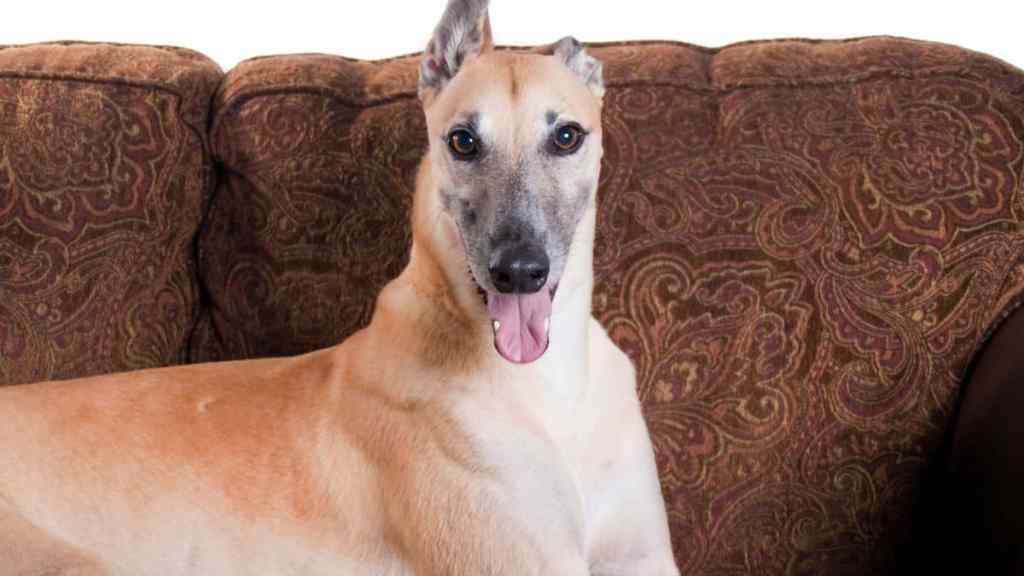
It surprises many people, but retired racing greyhounds are among the best breeds for apartment or flat living in the UK. These elegant dogs may be built for speed, but their favourite hobby is lounging. Most adult greyhounds are quiet, gentle, and extremely low energy indoors. A typical greyhound is perfectly content with two brisk walks each day and will spend the rest of their time stretched out on the sofa.
Greyhounds rarely bark without reason and are not known for being destructive or hyperactive. Their slim bodies also take up less space than many expect, and they are generally very tidy. This makes them ideal companions for those living in small spaces or flats with neighbours close by. Many greyhounds quickly adapt to indoor life, forming close bonds with their owners and loving the security and comfort of home.
Greyhounds are also a popular choice for adoption through rescue charities, which means you’ll have the chance to give a retired racer a new lease on life.
What to Watch Out For
Greyhounds do have strong prey drives due to their racing background, so off-lead walks in open, unfenced areas are usually not recommended. Their skin is thin and can be easily injured, so soft bedding is essential. Greyhounds can feel the cold much more than other breeds and will appreciate warm coats in winter and cosy blankets at home.
Some greyhounds may need time to adjust to stairs or slippery floors if they’ve never lived in a house before. They might also need patience during their first weeks as they settle into retirement.
Tips for Apartment Living with a Greyhound
Dachshund (Miniature or Standard)

Why Dachshunds Are Great for Apartment Living
Dachshunds, with their unmistakable long bodies and short legs, are one of the most recognisable and loved small breeds in the UK. Miniature dachshunds, in particular, are a perfect fit for apartment or flat living because of their compact size and affectionate nature. They are playful, lively, and very loyal to their families, usually forming strong bonds with their main people.
Dachshunds don’t require a huge amount of space and are happy with a couple of short walks or indoor play sessions each day. Many owners find them content to curl up on the sofa or burrow under blankets. Their alertness means they’ll happily serve as little “watchdogs,” but with proper socialisation and training, excessive barking can be managed.
Another big plus is their adaptability—they often thrive in busy city environments if given enough mental and physical stimulation. Their curious personalities and love for toys make them a joy to live with in smaller homes.
What to Watch Out For
Despite their small size, dachshunds can be surprisingly stubborn and independent, so consistent training is important from day one. If they get bored or don’t get enough stimulation, they may bark at noises or become destructive.
Dachshunds are also prone to back problems (intervertebral disc disease), which can be serious. Because of this, it’s important to avoid letting them jump on and off furniture or climb too many stairs. Keep them at a healthy weight and consider ramps or steps for sofas and beds.
Tips for Apartment Living with a Dachshund
English Bulldog
Why English Bulldogs Are Great for Apartment Living
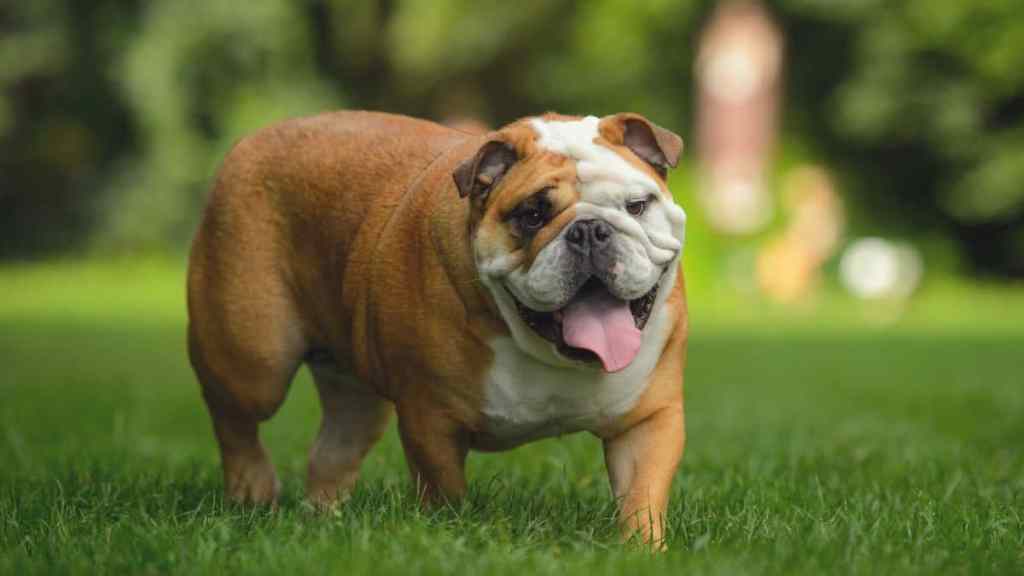
English Bulldogs are iconic British dogs, loved for their chunky build, adorable wrinkles, and easy-going personalities. They are a classic choice for apartment living because of their moderate size, low exercise needs, and calm, quiet nature indoors. Most bulldogs are happiest with a couple of short walks and then plenty of time to relax, making them ideal for city dwellers or people with a smaller flat.
Bulldogs tend to form strong bonds with their families and love nothing more than to lounge near their favourite people. They are rarely excessive barkers, which is great for keeping the peace in apartment buildings. Their affectionate, even-tempered nature means they usually get on well with children and visitors too.
What to Watch Out For
English Bulldogs do have some well-known health challenges, particularly related to their breathing (as a brachycephalic breed), joints, and skin folds. Hot weather can be especially dangerous, so keeping them cool and well-hydrated is essential. They can also put on weight easily, so daily exercise, even if gentle, is important.
Stairs and slippery floors can be difficult for bulldogs due to their stocky build and joint issues. If your flat is up several flights, a lift is much better than carrying a heavy bulldog. Regular cleaning of their skin folds is a must to prevent irritation or infection.
Tips for Apartment Living with an English Bulldog
Shih Tzu

Why Shih Tzus Are Great for Apartment Living
Shih Tzus are small, friendly, and full of personality, making them a popular choice for flat and apartment dwellers across the UK. They’re well suited to smaller living spaces because they’re typically calm indoors, enjoy human company, and are happy with short walks around the neighbourhood. Their size (usually under 8kg) means they fit comfortably in any home, and they rarely need a large garden to burn off energy.
One of the Shih Tzu’s best qualities is their adaptability. They’re just as content lounging with you during a lazy afternoon as they are joining you for a stroll. Shih Tzus are known for being sociable and affectionate, forming strong bonds with their family and often being welcoming to guests. They aren’t prone to nuisance barking, which is a huge advantage in apartment buildings with thin walls.
Shih Tzus are also a good option for allergy sufferers, as their long hair sheds minimally (although no dog is truly hypoallergenic).
What to Watch Out For
Their beautiful, long coats require regular grooming to prevent matting. Many owners opt for a professional “puppy cut” for easy maintenance. If left alone for long periods, Shih Tzus may become anxious or bored, which can lead to problem behaviours. They can also be a little stubborn during training, so patience and positive reinforcement work best.
It’s also worth noting that their short faces can make them sensitive to heat and prone to some respiratory problems, similar to other brachycephalic breeds.
Tips for Apartment Living with a Shih Tzu
Italian Greyhound
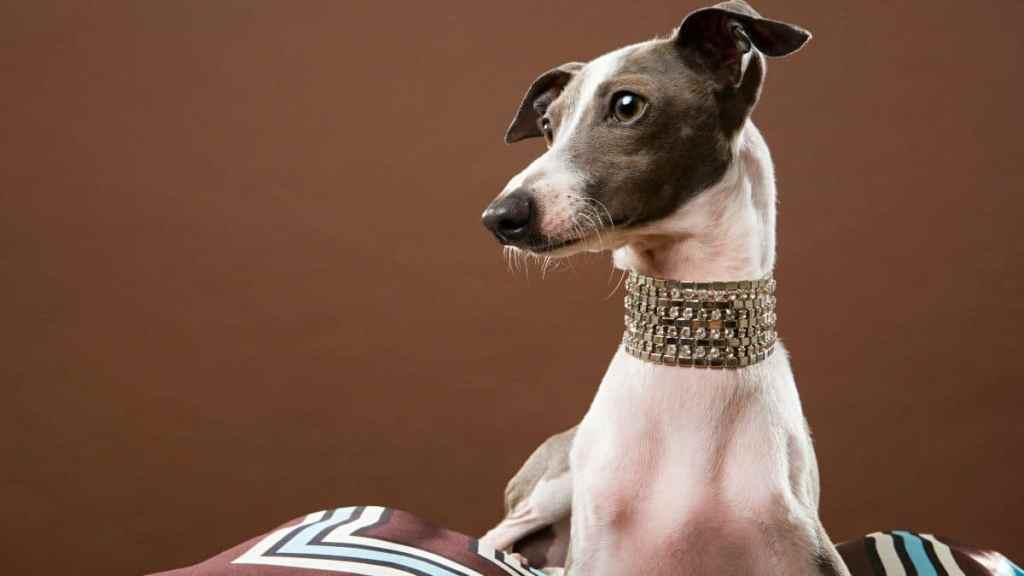
Why Italian Greyhounds Are Great for Apartment Living
Italian Greyhounds are elegant, sensitive, and compact—usually weighing less than 6kg—making them ideal companions for flats and apartments. Despite their athletic appearance, these dogs are real homebodies and love nothing more than curling up in a cosy spot. Italian Greyhounds are quiet and gentle indoors, rarely barking without good reason, which is excellent news for neighbours.
Their small size means they don’t need a large living space, and their moderate exercise needs are easily met with short, frequent walks and some indoor play. Italian Greyhounds are very affectionate and bond closely with their people, often following their owners from room to room. Their graceful personalities and cleanliness (they often groom themselves like cats) are a bonus for city dwellers.
They’re also a breed that rarely has a strong doggy odour, which can be appealing for those living in close quarters.
What to Watch Out For
Italian Greyhounds have delicate, slender legs that can be prone to fractures, especially in young, energetic dogs. It’s important to make your flat as safe as possible and avoid slippery floors and supervise play around furniture. They are sensitive to the cold and will need a jumper or coat for chilly walks and plenty of blankets indoors.
This breed does not do well left alone for long periods. Italian Greyhounds can become anxious or destructive if they feel lonely or bored, so they are best suited to homes where someone is around most of the day.
Tips for Apartment Living with an Italian Greyhound
Bichon Frise

Why Bichon Frises Are Great for Apartment Living
The Bichon Frise is a cheerful, affectionate, and small dog (usually 5–7kg) that adapts brilliantly to apartment and flat life in the UK. Known for their soft, curly, non-shedding coats, Bichons are a top pick for allergy sufferers and anyone who values a cleaner living space. Their playful but gentle temperament makes them popular with both singles and families, and their small size means they never need a large home or garden to be happy.
Bichon Frises are sociable and thrive on human company. They’re typically quiet dogs who don’t bark excessively, making them ideal for buildings with close neighbours. As long as they’re included in family activities and given daily walks, they’re happy to spend the rest of their time snoozing or playing indoors.
Their intelligence and eagerness to please make them easy to train, and they often excel in dog sports or trick training, which provides great mental stimulation for flat-dwellers.
What to Watch Out For
Despite their many positives, Bichons don’t like to be left alone for long periods and may develop separation anxiety if left frequently. Their beautiful coats require regular brushing and professional grooming every 4–6 weeks to prevent matting.
They can be prone to tear staining and some allergies, so regular cleaning around the eyes and ears is important. Like many small breeds, Bichons can be a little tricky to housetrain, so patience and consistency are key during puppyhood.
Tips for Apartment Living with a Bichon Frise
Pug

Why Pugs Are Great for Apartment Living
Pugs are compact, sturdy, and famously charming little dogs, making them an excellent choice for flat or apartment living in the UK. Their small size (usually 6–8kg), easygoing temperament, and love of people mean they don’t need a garden or large space to be happy. Pugs are social butterflies and tend to adapt quickly to new environments, whether that’s a bustling city centre or a quiet suburban flat.
Pugs aren’t high-energy dogs. They’re content with a couple of short walks and plenty of time spent lounging on the sofa with their favourite humans. They’re not typically nuisance barkers, which is great for neighbours, and their affectionate nature makes them brilliant companions for singles, couples, and families alike.
Because they thrive on routine and love being part of daily activities, pugs are happiest when they can follow you around and be included in whatever you’re doing.
What to Watch Out For
Pugs are a brachycephalic (flat-faced) breed, so they can suffer from breathing difficulties, especially in hot or humid weather. They can overheat easily, so it’s important to keep your home cool and avoid walks during the hottest part of the day. Their stocky build means they are also prone to putting on weight, so portion control and regular, gentle exercise are key.
Their facial wrinkles require regular cleaning to prevent skin infections, and they can be prone to eye issues due to their prominent eyes. Pugs also snore—sometimes loudly!
Tips for Apartment Living with a Pug
Yorkshire Terrier
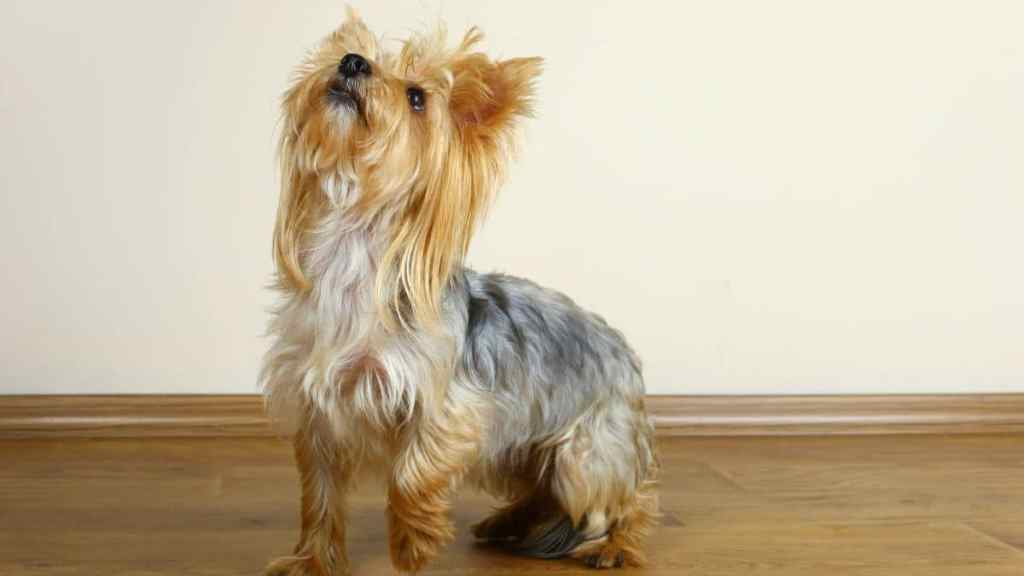
Why Yorkshire Terriers Are Great for Apartment Living
Yorkshire Terriers, or “Yorkies,” are one of the UK’s best-loved small dog breeds. Weighing in at just 2–4kg, Yorkies fit perfectly into apartments and flats of any size. Don’t let their size fool you—they have huge personalities, are brave, alert, and endlessly loyal to their families. Yorkies thrive indoors and, with daily walks and playtime, are happy and healthy even without a garden.
One of the Yorkie’s best traits for apartment dwellers is adaptability. They are easy to exercise, love cuddles, and can be trained to use indoor potty pads in a pinch (a lifesaver for high-rise living). Their natural confidence and curiosity make them excellent companions for city life, and they’re small enough to come along on outings, errands, or trips to the café.
With proper early training, Yorkies can be quiet and polite neighbours. They’re also known for being clean and not having a strong doggy smell.
What to Watch Out For
Yorkies have a tendency to bark at unfamiliar sounds or people, especially without clear boundaries and consistent routines. Early socialisation and positive reinforcement training are essential to avoid nuisance barking. Their fine, silky hair needs regular brushing and occasional trims to prevent tangles.
Though small, Yorkies can be quite bold and sometimes get themselves into trouble trying to boss around bigger dogs. They’re happiest with gentle handling and clear routines. Because of their size, Yorkies are best in homes where young children are taught to be gentle.
Tips for Apartment Living with a Yorkshire Terrier
Final Thoughts
Choosing the right breed is the first step toward a happy life with a dog in a flat or apartment. Each of these breeds brings something special to the table, but all need daily attention, exercise, and companionship—no matter the size of your home. With the right match and a little preparation, apartment living with a dog can be rewarding for both of you.