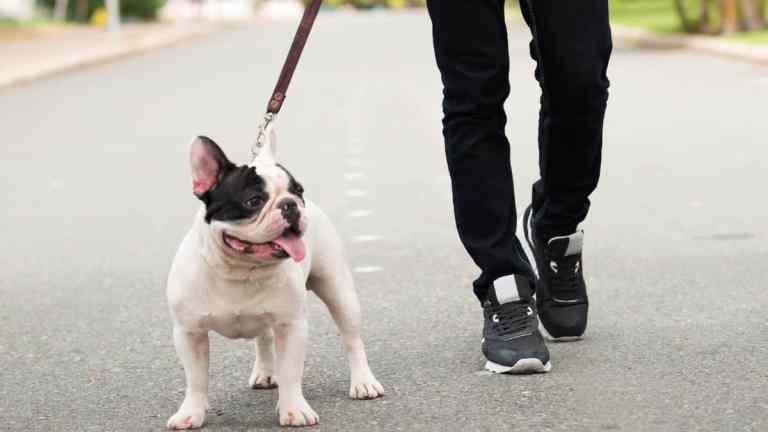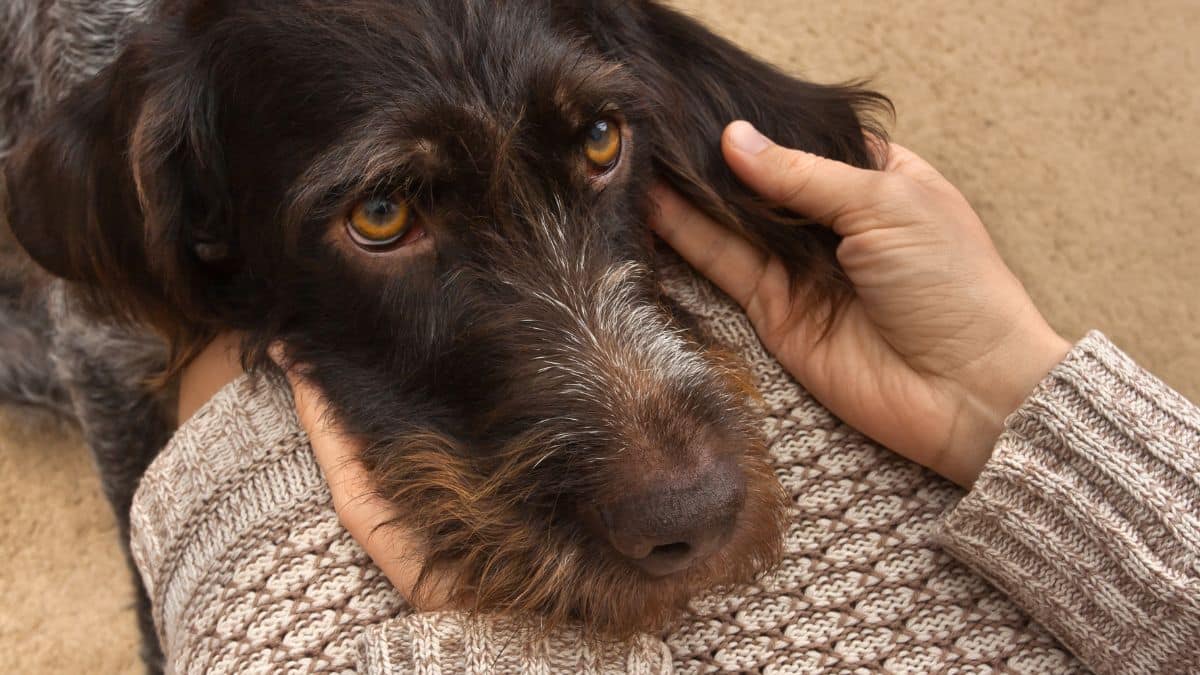
If your dog has turned into your shadow — following you from room to room, refusing to settle unless they’re touching you, or staring at you like you’re about to vanish — you’re not alone. Sudden clinginess is something many owners face at some point, and while it can be sweet, it’s not always just about affection.
Dogs get clingy for a reason. Sometimes it’s emotional, like anxiety after a change in routine. Other times, it’s physical — clinginess can be one of the first signs your dog isn’t feeling well. Understanding the root cause of this behaviour is key, especially if it’s come on quickly or seems out of character.
Whether it’s something minor or a sign that your dog needs help, this guide will walk you through the most common causes, what to look out for, and how to gently build your dog’s confidence back up.
Quick Answer: Why Is My Dog Suddenly Clingy?
Dogs can become suddenly clingy due to changes in routine, separation anxiety, fear, illness, ageing, or sensing stress in their owner. Common signs include following you everywhere, whining when left alone, or needing constant contact. While mild clinginess is normal in some breeds, sudden or intense changes may point to anxiety or underlying health issues. Keep a close eye on your dog’s overall behaviour and consider a vet check if the clinginess is paired with other symptoms.
What Does Clingy Dog Behaviour Actually Look Like?
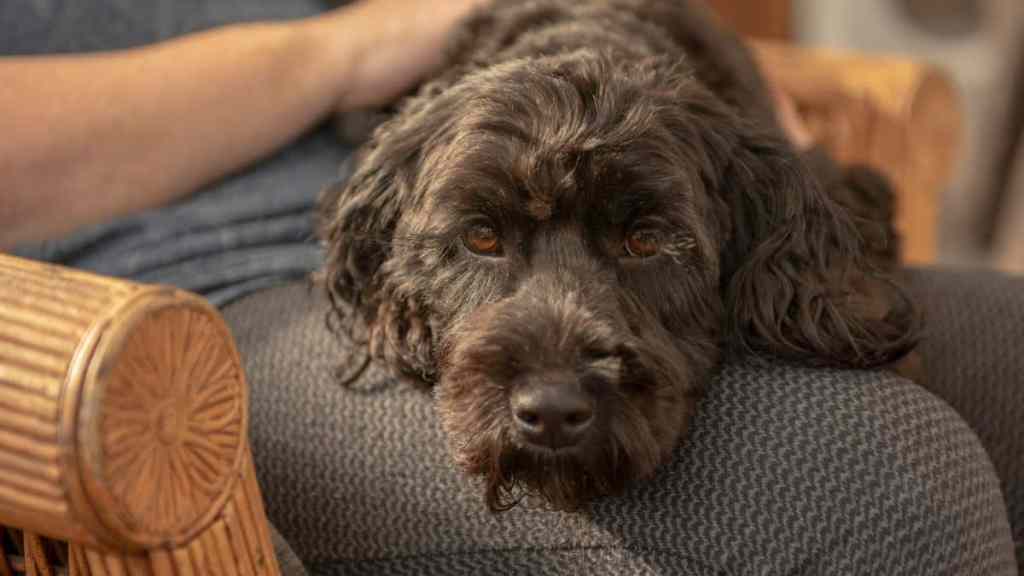
Every dog loves their humans — but if yours has suddenly become glued to your side, it might be more than just loyalty. Clingy behaviour isn’t just about following you around — it’s a set of signs that your dog is seeking comfort, security, or reassurance from you specifically.
Clinginess can range from cute to concerning, and it often develops gradually after a change in their life or yours. Some dogs are naturally more people-focused, but when the behaviour shifts suddenly or becomes extreme, it’s time to take notice.
Common signs your dog is clingy:
Some owners call this “velcro dog syndrome” — and while it’s often harmless, it can also be your dog’s way of saying “something doesn’t feel right.”
Once you know your dog is acting clingier than usual, the next step is figuring out why. Clingy behaviour doesn’t happen randomly — dogs usually become extra attached when they’re feeling insecure, anxious, or physically unwell. The key is to look at what’s changed recently, and to observe any other signs they might be giving off.
From emotional triggers like separation anxiety to physical discomfort, here are the most common reasons your dog might suddenly be sticking to you so closely.

Quick Tip
Keep a simple behaviour diary. Noting when the clinginess started — and what changed around that time — can reveal patterns you’ve overlooked.
1. A Change in Routine or Environment
Dogs love routine — and when it changes, even slightly, their sense of safety can wobble. What seems minor to us (like moving the sofa or changing when we leave the house) can feel like a major shift to them.
Whether you’ve gone back to work, started working from home, had a new baby, or even just taken a holiday, your dog might be reacting to feeling unsure about what’s next.
⚠️ Signs your dog is struggling with a routine change:
- Suddenly more attached during quiet hours
- Clingy when you’re getting ready to leave
- Restless when you’re doing new activities (e.g. packing bags, taking Zoom calls)
- Hesitant to relax or settle unless you’re nearby
- Seeking constant reassurance during transitional parts of the day (bedtime, mornings, etc.)
Dogs don’t love unpredictability. If they’re unsure of what’s coming next, they’ll cling to the one constant they trust: you.
2. Separation Anxiety (Especially After More Time Together)
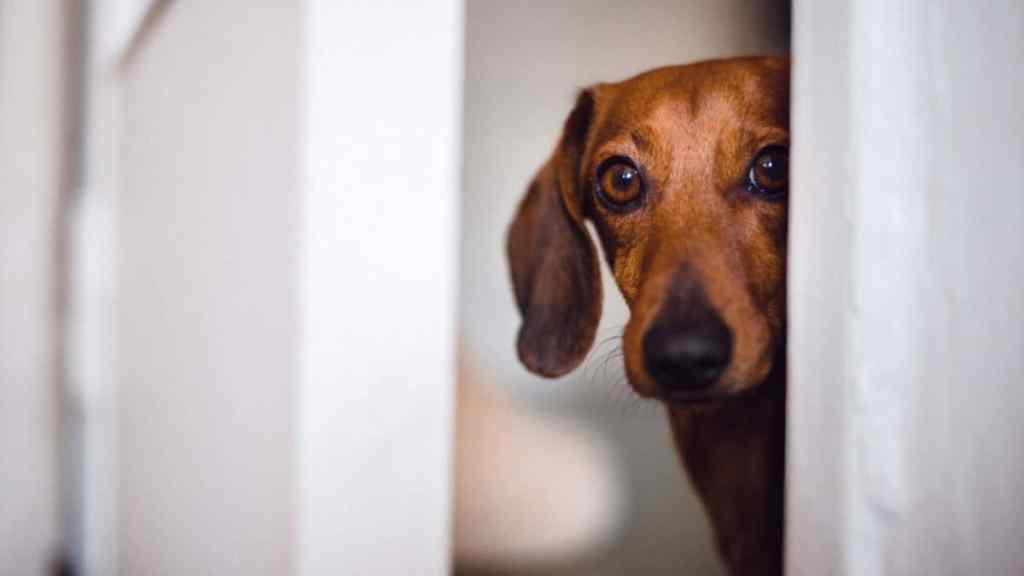
Separation anxiety doesn’t always show up as howling or destruction — sometimes, the earliest clue is low-level clinginess. Your dog might be following you more closely, becoming upset when you leave the room, or watching the door intently whenever you’re not in sight. This is especially common in:
- Dogs adopted during lockdown
- Pets who’ve spent lots of time with you due to illness, maternity leave, or remote work
- Rescue dogs with a history of abandonment
- Young dogs transitioning out of the puppy phase
⚠️ Signs of separation anxiety-style clinginess:
- Pacing, whining, or salivating when you’re not in the room
- Barking or scratching at the door when you leave
- Overreacting to your return (hyper greeting, jumping, licking)
- Ignoring other pets or household members in favour of you
- Sudden regression in house training or behaviour when left alone
If your dog has suddenly become your little shadow, it may be the early stages of separation anxiety — and now’s the time to start building their independence gently.
3. Illness, Injury, or Discomfort
Dogs can’t tell us they’re in pain — but they can show it. And one of the most common early warning signs? Clinginess.
When a dog isn’t feeling right physically, they often seek out their owner more than usual. You’re their comfort zone — and in moments of pain, confusion, or fatigue, they may want to stay close, just in case.
Even low-level discomfort (like tummy trouble or a pulled muscle) can make a dog more dependent on your presence.
⚠️ Watch for clinginess paired with:
- Loss of appetite or sudden food fussiness
- Change in posture (hunched, stiff, or slow-moving)
- Unusual vocalising or restlessness
- Panting, drooling, or excessive licking
- Refusal to lie down unless close to you
- “Off” behaviour — just not seeming like themselves
If the clinginess is sudden and comes with any of the above, always book a vet check. It’s often subtle — but early intervention makes a difference.
4. Ageing or Cognitive Changes

As dogs get older, they can become more dependent, confused, or anxious — especially in the evenings. This is particularly common in dogs with Canine Cognitive Dysfunction (CCD), a condition similar to dementia in humans.
Even without CCD, older dogs can become more anxious at night, less confident alone, and more easily startled. Clinginess can become a comfort-seeking behaviour as their senses or memory fade.
⚠️ Signs to Watch Out For:
- Wandering aimlessly, then sticking close to you
- Confusion in familiar places
- Barking at night, then settling when near you
- Difficulty getting up or down, but still following
- Seeking contact more than usual — especially in dim light
If your dog is over 7–8 years old and suddenly clingy, it could be age-related. Your vet can help rule out pain or cognitive decline, and recommend supplements, routines, or medications to ease their anxiety.
5. Fear, Stress or Insecurity

Some dogs become clingy when they feel unsettled — whether it’s a thunderstorm, fireworks, visitors in the house, or even a loud TV. This kind of fear-based clinginess is usually situational and short-lived, but in sensitive dogs, it can start happening more regularly.
Even something as simple as moving furniture or a guest staying over can make your dog feel like their environment isn’t quite right.
⚠️ Signs fear may be behind the clinginess:
- Clingy behaviour during storms, wind, or fireworks
- Following you closely when new people enter the house
- Hiding behind you or placing themselves between you and the “threat”
- Barking more than usual or trembling when alone
- Being underfoot more often in busy or noisy settings
If the clinginess comes and goes with specific triggers, fear or insecurity is likely at play. Calm reassurance and predictable routines go a long way here.
6. They’re Picking Up on Your Stress
Yep — your dog can absolutely tell when you’re stressed. Dogs are experts at reading our tone of voice, body language, and even subtle hormonal changes. If you’re feeling anxious, burnt out, or emotional, your dog may respond by sticking closer to comfort and protect you (even if you’re the one who needs comforting).
This is especially true for dogs with a strong emotional bond to their humans — and it can be a surprisingly common cause of short-term clinginess.
⚠️Signs your stress may be influencing your dog:
- They’re suddenly clingy during periods when you’re feeling overwhelmed
- They follow you more when you’re upset, working late, or not sleeping well
- They seem unsettled in otherwise normal situations
- Their clinginess fades when your routine returns to normal
In a lot of cases, dogs are simply mirroring what they’re sensing. The more relaxed and predictable you are, the more confident they tend to feel.
How to Help a Clingy Dog: Support, Not Spoiling
Clingy dogs don’t need to be “fixed” — they need support and structure. The goal isn’t to push them away, but to gently help them feel confident being on their own. Whether your dog is just extra attached lately or you’re seeing early signs of separation anxiety, here are practical ways to ease the cling without creating stress.
🧩 1. Build a Predictable Routine
Dogs crave consistency. Stick to regular feeding times, walk schedules, and wind-down routines. Predictability reduces anxiety.
🧸 2. Give Them “Jobs” or Independent Activities
Enrichment toys and training games can keep your dog mentally stimulated without needing to be glued to you. Try:
- Puzzle feeders or frozen lick mats
- Hide-and-seek treats around the room
- Teaching new tricks that don’t involve your constant presence
- Sniff walks to mentally tire them out
🚪 3. Practice Short Separations
Start with small, positive moments apart — even just popping into another room. Return calmly and quietly, so they learn your leaving doesn’t equal abandonment. Build up slowly:
- Sit on a different sofa
- Step into the garden for 30 seconds
- Leave the house for 2 minutes with no fanfare
✋ 4. Don’t Reinforce the Cling
It’s tempting to cuddle them every time they paw you, but try not to reinforce anxious behaviour with constant fuss. Instead, reward calm independence. Do:
- Praise them when they relax on their bed, even for 10 seconds
- Give attention when they’re calm, not clingy
- Offer treats for staying on a “place” command or relaxing nearby
🧘 5. Try Calming Aids
Natural calming tools can ease low-level anxiety. While not a fix, they can take the edge off. Options to explore:
- Adaptil diffusers or calming sprays
- Herbal supplements (consult your vet first)
- Anxiety vests or thunder shirts
- White noise machines if noise sensitivity is a trigger
👩⚕️ 6. Speak to a Vet or Behaviourist
If the clinginess is sudden, intense, or combined with other symptoms, it’s best to rule out medical causes. A behaviourist can also help develop a plan if anxiety is the root issue.
When to Worry: Is Clinginess a Sign of Something Serious?
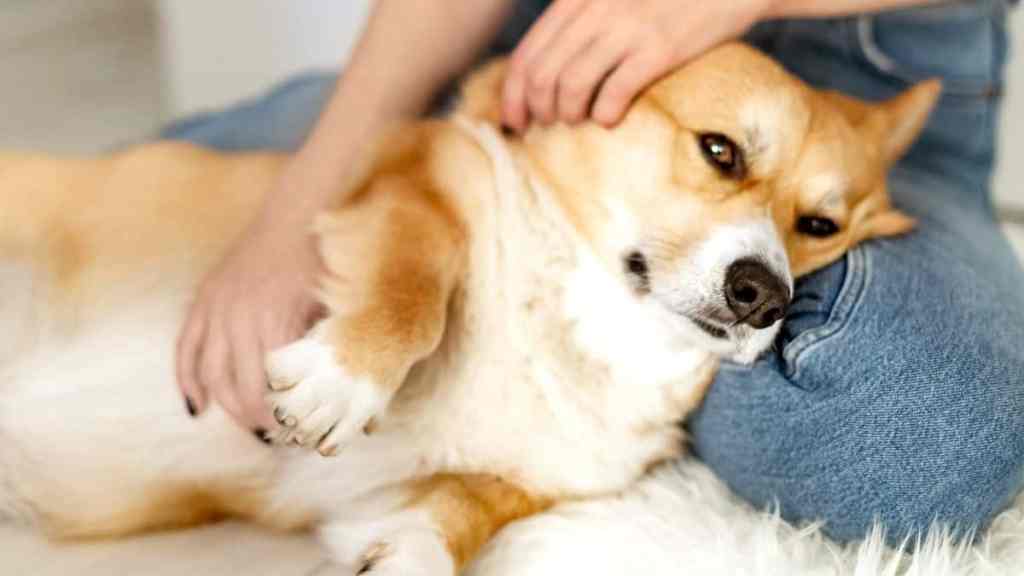
In most cases, clingy behaviour is emotional — and temporary. But occasionally, it’s a symptom of something deeper, especially when it appears suddenly or comes with physical changes.
If your dog’s behaviour feels “off,” trust your gut. Dogs are masters at hiding pain and discomfort, so clinginess may be their way of asking for help without barking about it.
Red flags to watch for:
If you’re seeing any of these signs, book a check-up with your vet. You know your dog best — and it’s never wrong to ask for peace of mind.
Quick Tip
If the clinginess is new and intense, ask yourself: is it emotional or physical? Combine what you feel with what you see — then act accordingly.
Summary Table: Why Dogs Get Clingy (and What You Can Do)
|
Cause |
Signs |
What Helps |
|---|---|---|
|
Routine Change |
Shadowing you, clingy at odd times |
Consistency, calm spaces |
|
Separation Anxiety |
Whining, pacing, overreacting to your return |
Short separations, independence training |
|
Illness/Discomfort |
Sudden clinginess + “off” behaviour |
Vet check, gentle handling |
|
Ageing/Cognitive Decline |
Wandering, night-time clinginess, confusion |
Routine, quiet bonding, vet support |
|
Fear/Insecurity |
Clingy during storms, visitors, loud noises |
Safe zone, reassurance, desensitisation |
|
Emotional Mirroring |
Clingy when you’re stressed or upset |
Stay calm, enrich their environment |
Final Thoughts
Clinginess in dogs isn’t about them being “needy” — it’s about them reaching out in the only way they know how. Whether it’s a shift in your routine, a wobble in their confidence, or something deeper, your dog’s behaviour is always trying to tell you something.
By tuning into their needs, offering gentle structure, and looking at the full picture, you’re already doing the most important thing: showing up for them.
Some dogs need more reassurance than others — and that’s okay. What matters is understanding when to cuddle, when to guide, and when to ask for help. And remember: even if your dog never quite lets you pee in peace again, you’re their safe place — and that’s a pretty special thing.