It’s one of the most common issues dog owners in the UK face: pulling on the lead. Whether you’ve got a curious puppy, a strong adolescent, or an older dog who’s never been taught lead manners, pulling can turn a relaxing stroll into a daily struggle. But here’s the good news — this behaviour is fixable. With the right understanding, consistency, and positive training, any dog can learn to walk politely on a loose lead.
This in-depth guide will walk you through the science behind pulling, the training mistakes to avoid, the tools that work, and step-by-step methods to help your dog become the walking companion you always hoped for. Plus, we’ve included UK-specific guidance, quick tips, and practical insights for dogs of all ages.
Understanding Why Dogs Pull
To truly fix lead pulling, you need to understand why it happens in the first place. Dogs don’t pull because they’re trying to dominate or misbehave — they pull because it works.
Dogs naturally walk faster than humans, and the outside world is full of distractions and exciting smells. Without guidance, most dogs simply head towards what interests them. If pulling gets them where they want to go, they’ll keep doing it.
Other reasons include:
- Excitement: The walk is the best part of their day.
- Lack of training: Loose lead walking isn’t instinctive — it must be taught.
- Reinforcement: If pulling gets a reward (like moving forward), they’ll repeat it.
- Anxiety or overstimulation: Busy environments can cause frantic pulling.

Quick Tip
Dogs have a natural opposition reflex — when something restrains them, they instinctively pull against it. This is why yanking on the lead rarely helps.
The Hidden Dangers of Lead Pulling
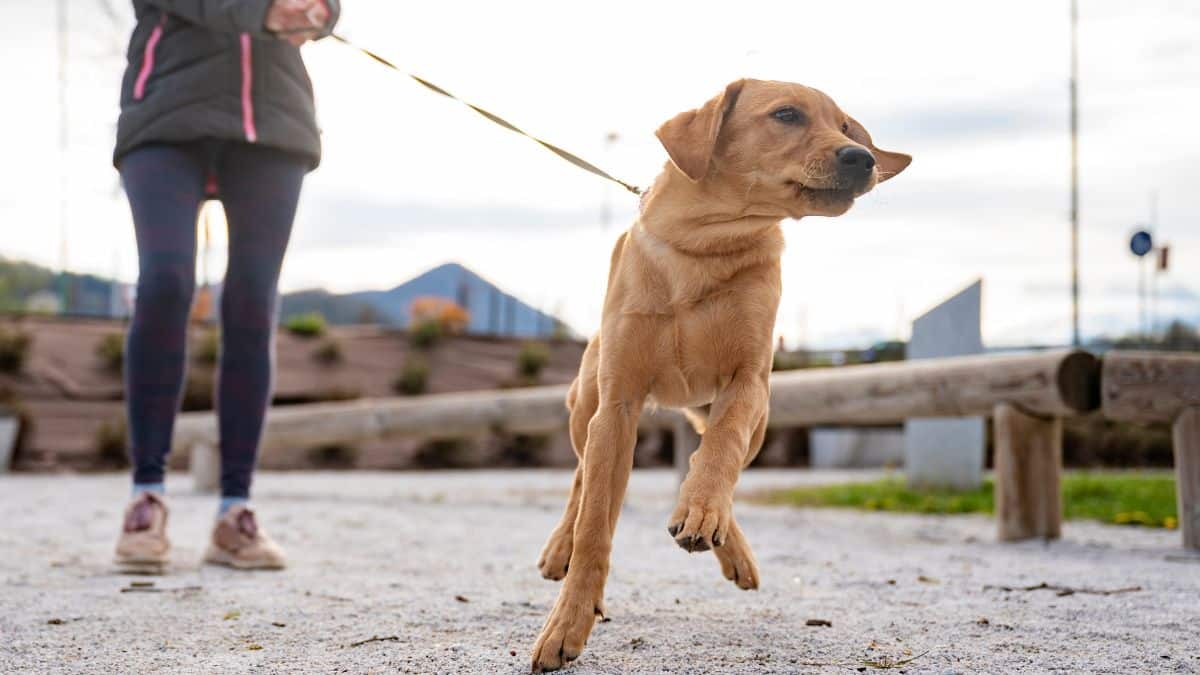
Lead pulling isn’t just annoying — it can be harmful. Repeated pressure on the neck can damage the trachea, especially in small breeds. Larger dogs can cause injury to their owners’ shoulders and wrists. If your dog darts into traffic or lunges at another dog, the risk multiplies.
Moreover, constant pulling often leads to reactive behaviour. Dogs on tight leads feel restrained and more vulnerable, which can increase barking, lunging, or aggression. That’s why teaching calm lead manners is essential for both safety and wellbeing.
Mistakes That Make Pulling Worse
Many owners try to manage lead pulling using instinct or outdated methods, but some tactics can backfire. Avoid these common errors:
Quick Tip
Never punish pulling. It’s a communication problem, not disobedience. Positive reinforcement is key.
Tools That Support Training
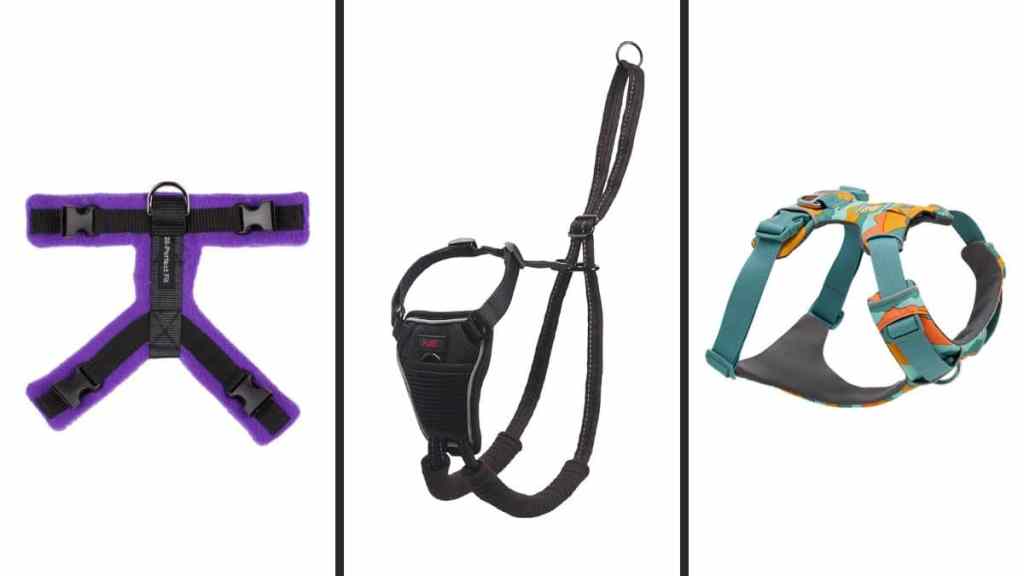
While no equipment can train your dog for you, some tools make teaching easier and safer. For most dogs, the best option is a well-fitting front-clip harness. This gently redirects your dog’s chest, encouraging them to face you instead of lunging ahead.
Pair this with a double-ended lead, which attaches to the front and back of the harness, giving you better control and reducing strain. A treat pouch is essential too — you’ll need to reward calm behaviour instantly to reinforce the right habits.
Some recommended UK brands include:
- Perfect Fit Harness
- Halti No-Pull Harness
- Ruffwear Front Range Harness
Avoid slip leads, choke chains, or e-collars — these are not suitable for loose lead training and may be restricted under future UK legislation.
How to Train Loose Lead Walking
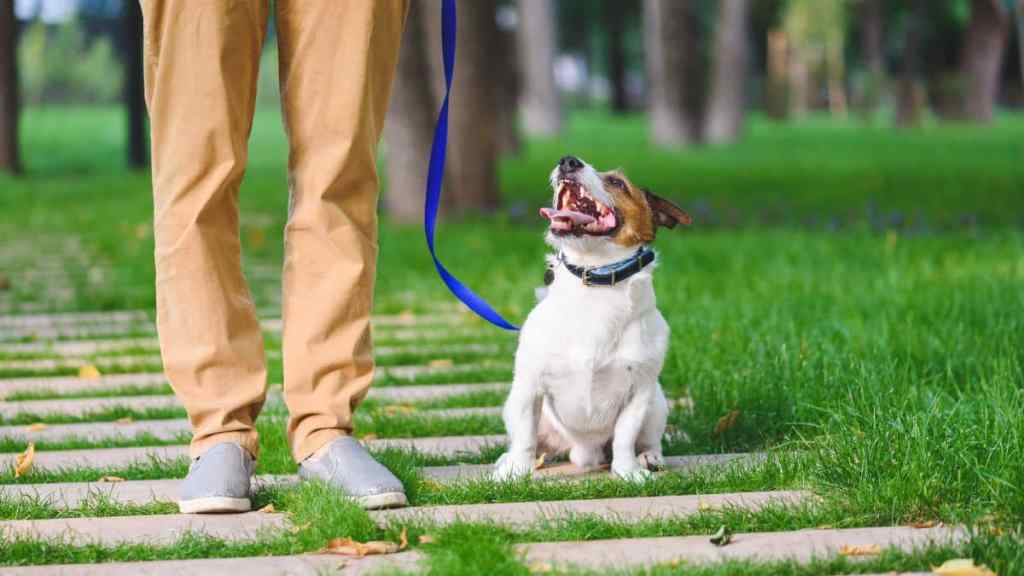
Let’s get practical. Training loose lead walking takes time, consistency, and patience — but it’s worth every step.
Step 1: Start in a Low-Distraction Area
Begin indoors or in your garden. This helps your dog focus and prevents distractions from overwhelming them. Equip your dog with their harness and lead, have high-value treats ready, and choose which side you want them to walk on (left or right).
Step 2: Reward the Position
Every time your dog is next to your leg and the lead is slack, reward them. Take a step forward — if they stay by your side, mark with a clicker or verbal cue (“yes”) and give a treat.
Gradually increase the number of steps before rewarding, but don’t push too fast. If your dog surges ahead, stop immediately. Wait for them to return or loosen the lead — then reward and resume.
Step 3: Increase the Challenge
Once your dog is succeeding in the garden, move to your street or a quiet park. Keep sessions short and focused — 5 to 10 minutes is enough.
If pulling starts, stop, change direction, or try figure-of-eight walking to reset focus.
Quick Tip
Don’t worry if it takes weeks. Every dog learns at their own pace. Stay consistent.
What to Do When They Pull
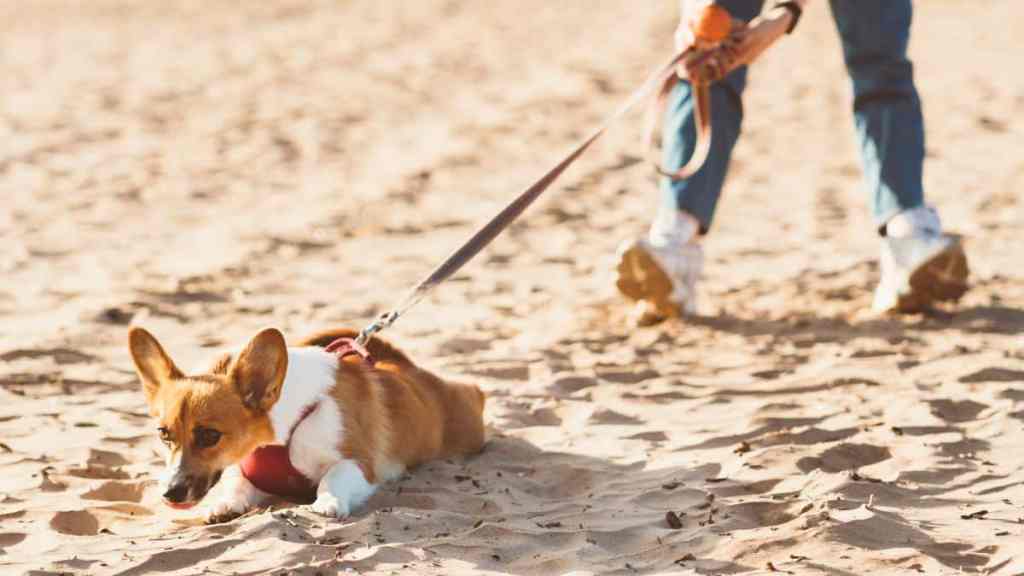
Even mid-walk, you can reinforce better behaviour:
Adapting Training for Different Dogs
Puppies
Young pups have limited focus. Keep sessions super short and fun — even 2-3 steps with a slack lead deserve praise. Don’t expect perfection under 6 months.
Strong Breeds
Staffies, Huskies, Boxers, and similar breeds often need a bit more management. Use a front-clip harness from day one and practise lots of impulse control games.
Rescue Dogs
If your dog has never learned how to walk on a lead (or associates it with trauma), go slowly. Build trust first, use very high-value rewards, and stay in safe, quiet spaces.
Quick Tip
Don’t walk your dog to “burn off energy” before they know how to walk well. Instead, use mental stimulation to help them focus.
Common Mistakes That Undermine Training

- Letting dogs pull to the park – This teaches them that pulling = fun.
- Mixing tools – Switching between different leads and harnesses confuses your dog.
- Skipping training on rainy days – Inconsistency makes training take longer.
The Role of Enrichment in Walking Behaviour
Dogs that are mentally and physically stimulated are easier to train. Try:
- Sniff walks – Let them explore on a long lead once they’re calm.
- Scent games – Hide treats in the house before walks.
- Lick mats and puzzle toys – Give these before walks to take the edge off excess energy.
Quick Tip
Mental stimulation is as important as physical exercise — a tired brain = a calmer dog.
How Long Will It Take?
Some dogs pick up loose lead walking within a week. For others, it takes months. Progress depends on breed, age, history, and — most importantly — consistency.
Stay patient. If your dog has been pulling for years, it’s going to take time to undo the habit. But they can learn.
Quick Recap
- Dogs pull because it works — training teaches them it doesn’t.
- Use front-clip harnesses and positive reinforcement.
- Don’t yank, shout, or give up — consistency is everything.
- Practise in easy environments and build up slowly.
- Enrichment, impulse control, and mental games speed up progress.
Final Thoughts
Teaching your dog to walk calmly on the lead is one of the most rewarding (and sanity-saving) skills you can develop. It doesn’t require harsh tools or frustration — just consistency, patience, and positive reinforcement.
Every walk is a training opportunity. By showing your dog that calm walking leads to fun, freedom, and praise, you’ll build a bond of trust and cooperation — and finally enjoy walks without the tug-of-war.
Whether you’re starting with a wiggly puppy or retraining an older rescue, it’s never too late to teach polite lead manners. The payoff? A happier, safer dog — and a lot less sore shoulders.