Your cat jumps up beside you, purrs, and starts rhythmically pushing their paws into your lap — left, right, left, right — claws occasionally digging in. Sound familiar?
Cats knead as a natural, instinctive behaviour linked to comfort, bonding, and territory marking. It starts in kittenhood and continues into adulthood, often directed at people they love — like you.
Let’s break down exactly why your cat kneads you, whether it’s a good sign (spoiler: it usually is), and what to do if it’s starting to hurt.
What Is Kneading, and Why Do Cats Do It?
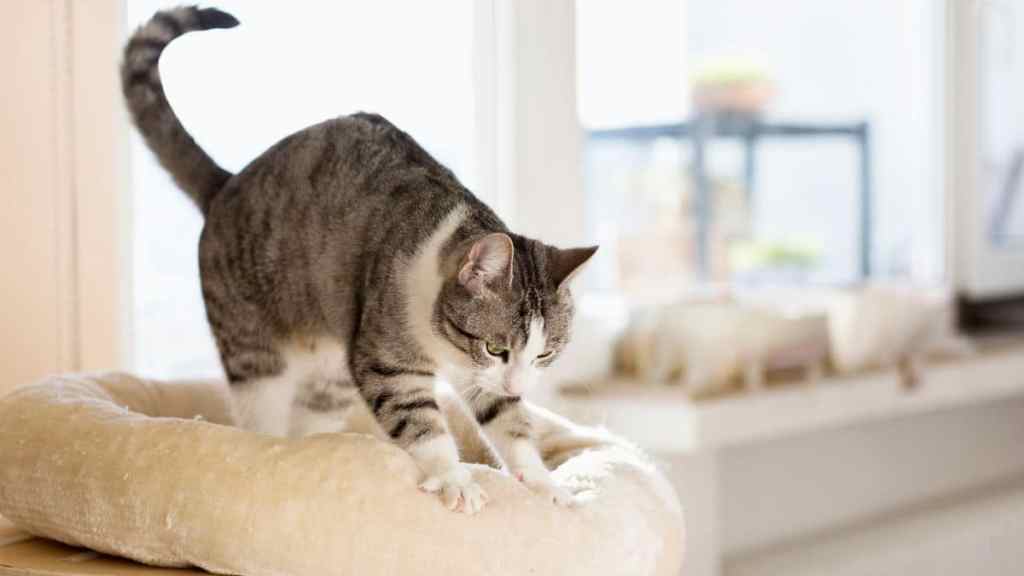
Kneading — sometimes nicknamed “making biscuits” — is when a cat pushes their paws alternately into a soft surface. Some use all four paws, but most just use the front two. It looks adorable… and feels a bit like a personal massage from a very prickly masseuse.
Kneading begins when kittens stimulate milk flow from their mother by pressing against her belly. But the behaviour often sticks around into adulthood — especially in content, emotionally secure cats.
Common Reasons Cats Knead People

1. You remind them of their mum (in a good way!)
This is the most widely accepted reason. If your cat kneads you while purring, half-closing their eyes, and curling up — they’re basically telling you “you’re my safe place.”
It’s a throwback to kittenhood — and a huge compliment. You’re the lap of luxury, literally.
2. They’re marking you as “theirs”
Cats have scent glands in their paws, so kneading also deposits a little of their scent onto you. It’s their way of saying “this human is mine,” in the same way they rub against your legs or head-butt your face.

Quick Tip
: If your cat kneads after you’ve been around other animals, they may be reclaiming you — reapplying their personal scent after it’s been “diluted”.
3. It’s part of their wind-down routine
Some cats knead before settling down to sleep, like fluffing a pillow. It helps them relax, much like how some dogs circle their beds.
You’ll notice this especially if they only knead when they’re sleepy or before curling into a nap.
4. They’re showing affection
Many cats knead their favourite people — and only their favourites. If your cat hops on your lap and kneads away while purring, it’s a physical way of saying “I love you.”
Some will even suckle gently at clothing while doing it, especially if they were weaned early. It’s harmless — just keep an eye out for any signs of anxiety or compulsive behaviour.
5. They’re feeling playful or over-stimulated
Not all kneading is calm and cuddly. Some cats knead with intensity — claws out, tail flicking, pupils wide. This might be linked to excitement, frustration, or even mating behaviour in unneutered cats.
If your cat’s kneading comes with biting, mounting, or restlessness, it’s worth discussing neutering or spaying with your vet.
Why Do Some Cats Knead More Than Others?
Like people, cats have different personalities. Some are natural kneaders — others not so much. Factors that influence this include:
- Their breed (Ragdolls and Siamese are famously “kneady”)
- How early they were weaned
- Their bond with you
- Whether they were hand-reared
- Individual habits and comfort levels
Quick Tip
If your cat’s never kneaded, it doesn’t mean they don’t love you — they just show affection in other ways.
Should I Be Worried About My Cat’s Kneading?
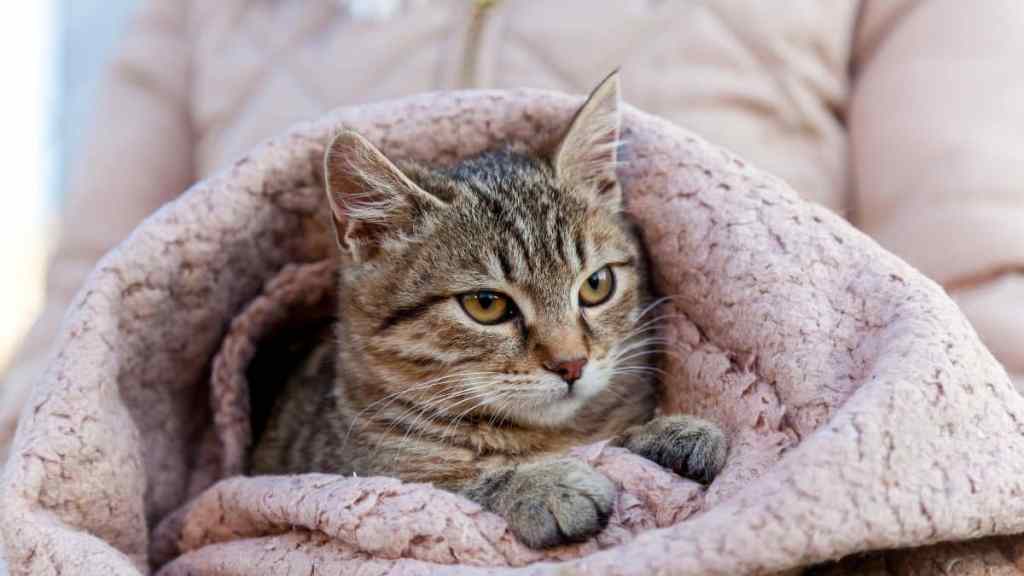
Kneading is almost always harmless. But there are a few things to keep an eye on:
⚠️ When kneading might be a concern:
- Excessive suckling or drooling, especially if paired with anxious behaviour
- Kneading paired with biting or humping in adult cats
- Clawing furniture during kneading (see below)
- Persistent pawing at the same spot — could be discomfort, fleas, or irritation
If in doubt, consult your vet — especially if the behaviour changes suddenly.
How to Protect Your Lap (and Furniture!) from Overenthusiastic Kneading

Kneading can feel adorable… until those claws dig in! Here’s how to keep things cosy without discouraging your cat’s natural behaviour.
✅ For your lap:
- Place a thick blanket or cushion on your lap before they settle
- Keep their claws trimmed (ask your vet or groomer if you’re unsure)
- Redirect their paws gently if they’re getting too intense — but don’t push them away harshly
Quick Tip
Never punish your cat for kneading. It’s a sign of trust — and shouting or pushing can break that bond.
✅ For your sofa:
- Offer designated kneading spots: soft beds, fleece throws, or a jumper that smells like you
- Use scent deterrents (like citrus sprays) on furniture if needed
- Praise them when they knead acceptable surfaces
- Provide scratching posts nearby — many cats switch between the two
Why Do Cats Sometimes Knead and Bite at the Same Time?
This combo behaviour usually comes from excitement or overstimulation — particularly in cats that didn’t have long enough with their mum.
They’re trying to self-soothe but getting a bit carried away. It’s not aggression, just muddled signals. Offer comfort but be ready to gently distract if needed — a toy or a low-voiced “shhh” often works.
Kneading Recap – At a Glance
|
Reason |
What It Means? |
What Can You Do? |
|
Throwback to kitten-hood |
You’re their comfort and security |
Smile and enjoy the affection |
|
Marking territory |
“You’re mine!” via scent glands |
Let them claim you — it’s bonding behaviour |
|
Winding down before sleep |
Fluffing the nest, feeling safe |
Offer soft blankets or cushions |
|
Showing love |
A feline form of affection |
Pet them gently, keep the trust growing |
|
Overexcited behaviour |
May bite, hump, or claw |
Gently redirect, consider neutering |
Final Thoughts
So, why does your cat knead you? Because you make them feel safe, loved, and content. It’s a deep-rooted behaviour that stretches back to kittenhood — and a true sign of trust.
Whether your cat kneads quietly while purring, or stamps your lap like they’re kneading sourdough, take it as the compliment it is. You’ve become their comfort zone — their person.
Just pop a blanket over your legs, trim those claws, and enjoy the free cat massage.