You call your cat. Nothing. You shake the treat bag. Still nothing. They’re staring at the wall, grooming themselves, or simply walking away like you don’t exist.
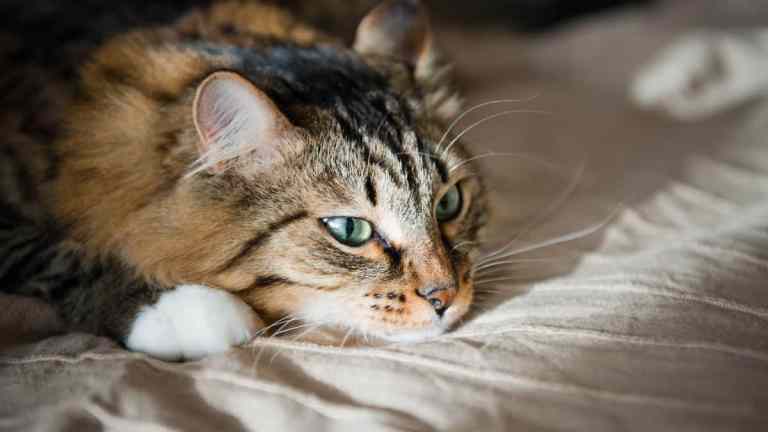
If your cat seems to be ignoring you, they’re probably not being rude — they’re either communicating something subtly, prioritising their environment, or simply doing what cats do best: being independent.
In this post, we’ll decode the reasons behind your cat’s “ignoring” behaviour and help you work out when it’s normal, when it’s meaningful, and when it might be time to check in on their health or emotional wellbeing.
Do Cats Really Ignore Us on Purpose?
Short answer: not exactly — at least not in the way humans might “ignore” someone out of annoyance.
Cats don’t have the same social wiring as dogs or people. They’re more solitary by nature and value choice, space, and independence. What we see as ignoring is often a mix of:
- Environmental focus
- Mood
- Sensory overload
- Subtle communication (yes, really)
Your cat might hear you. They might even acknowledge you. But whether they respond is another matter entirely — and that’s where things get interesting.
Common Reasons Cats Ignore Their Owners
1. They’re relaxed and content (and don’t need anything)
Some cats only interact when they want food, play, or attention. If all their needs are met, they may simply be enjoying their own space. This is especially common in:
- Older cats who’ve settled into a routine
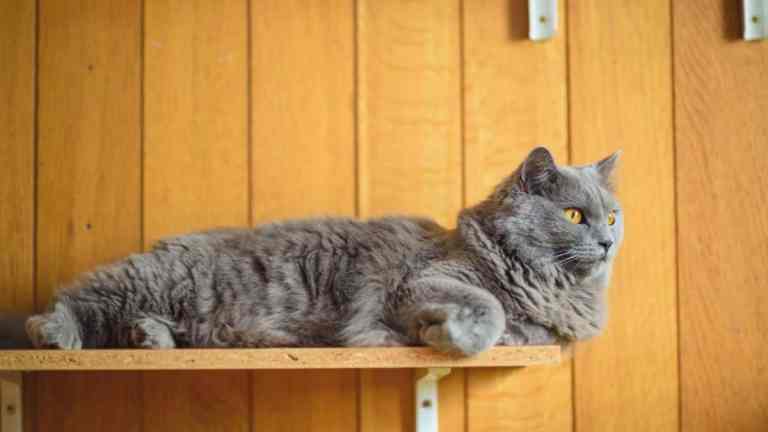
- Independent breeds (like British Shorthairs or Russian Blues)
- Cats who’ve been free-roam or outdoor-focused

Quick Tip
If your cat ignores you but still chooses to be near you — like resting in the same room — that’s a quiet sign of affection.
2. They’re overstimulated or need alone time
Just like us, cats have social limits. If they’ve had too much fuss, interaction, or noise, they may withdraw for a while. Signs your cat wants space:
- Flicking their tail when you approach
- Walking away after a few strokes
- Hiding in a quiet spot for long periods
Let them come to you when they’re ready. Forcing attention can damage trust.
3. They’re focused on something else
Cats are highly alert animals. If your cat is intently watching a bird, listening to a sound, or tracking a smell, they may simply prioritise that moment over your voice.
It’s not rudeness — it’s instinct. Especially common during:
- Outdoor window watching
- New house noises
- Multi-cat households with tension
Try again later, or use a higher-value motivator (treats, a favourite toy) to regain attention.
4. They’re feeling anxious or uncertain
A cat who suddenly avoids interaction could be stressed, confused, or emotionally off-balance. Has anything changed recently? Common triggers include:
- New pets or visitors
- Loud home improvements
- Rearranged furniture
- New smells (like unfamiliar laundry detergent)
An anxious cat may appear to ignore you because they’re in vigilance mode — assessing threats and keeping to themselves.
5. They’re giving you subtle body language
Cats are expert communicators — but their language is subtle. What looks like ignoring may actually be calm acknowledgement. Look for:
- Slow blinks (a sign of trust)
- Ears turned towards you (they’re listening)
- A soft tail flick as they walk past (a social gesture)
Quick Tip
Ignoring with flattened ears, dilated pupils, or tail tucked under may indicate discomfort or illness.
6. They’re in pain or unwell
If your normally affectionate cat is suddenly ignoring you, hiding more, or avoiding touch — don’t assume they’re moody. Cats hide illness extremely well, and withdrawal is often a first sign. Warning signs:
- Hiding more than usual
- Avoiding stairs, jumps, or cuddles
- Change in appetite or toilet habits
- Hissing or growling when approached
If you’re concerned, always check in with your vet.
How to Rebuild Connection When Your Cat Withdraws

Step 1: Respect their space
Let your cat come to you. This reinforces trust and control — two things cats value deeply.
Step 2: Use positive association
Sit nearby with a favourite treat, or initiate play with a wand toy. Keep it gentle and let them set the pace.
Step 3: Talk softly and blink slowly
It sounds silly, but slow blinking is cat language for “I’m relaxed and safe.” Many cats return the gesture.
Quick Tip
If your cat always ignores a certain tone of voice or word, try using different pitches. Cats respond best to higher-pitched, melodic tones (think baby talk!).
When “Ignoring” Is Actually Connection
Cats don’t always show affection like dogs. Here are signs your “indifferent” cat might actually be very fond of you:
|
Behaviour |
What It Really Means |
|
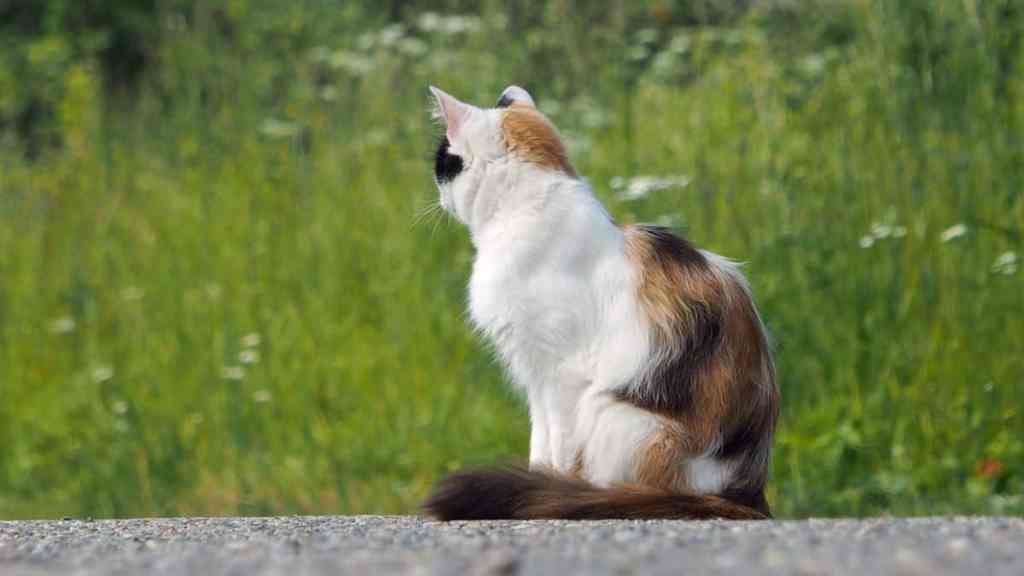
Sitting with their back to you |
“I trust you — I’m not watching my back” |
|
Ignoring you while on your lap |
“I’m safe enough to nap here” |
|
Stretching out near you |
Indicates total relaxation and trust |
|
Grooming themselves beside you |
You’re part of their calm, secure environment |
Final Thoughts
So, is your cat ignoring you? Probably not in the way you think. In most cases, they’re either content, distracted, or showing affection in their own quiet way.
Cats are deeply individual. Some are social butterflies, others are reserved companions. The key is to read their signals, respect their autonomy, and engage on their terms.
And when your cat does choose to respond to your voice, curl into your lap, or blink slowly at you from across the room — it means more than you might realise. Because they could ignore you. But they didn’t.