If you’ve ever watched your dog suddenly explode into a wild burst of energy—sprinting in circles, dashing from room to room, or tearing around the garden like a maniac—you’ve witnessed something affectionately known as the zoomies.
Zoomies are equal parts hilarious, chaotic, and slightly confusing. But are they normal? Why do dogs get them? And is there ever a point to worry?
In this ultimate guide, we’re unpacking everything UK dog owners need to know about dog zoomies—scientifically called frenetic random activity periods (FRAPs)—from what causes them to how to manage them safely. Let’s dig in.
What Exactly Are Dog Zoomies?
Dog zoomies, also known as Frenetic Random Activity Periods (FRAPs), are short bursts of frantic energy where dogs run, spin, or leap around suddenly. They’re a completely normal behaviour and often occur when dogs are excited or releasing tension.
Why Do Dogs Get Zoomies?
There’s no single cause of zoomies, but they’re generally triggered by a combination of excitement, overstimulation, or a release of built-up energy. Some dogs also get zoomies as a reaction to relief or joy after a stressful situation.
Common triggers for zoomies in dogs:
Some dogs are more prone to zoomies than others—especially working breeds, sighthounds, spaniels, and other energetic types. However, almost any dog can experience a zoomie now and then.
Are Zoomies Normal?

Yes—zoomies are completely normal dog behaviour. In fact, they’re often a sign that your dog is happy, healthy, and full of life. Puppies and younger dogs tend to get zoomies more often as they explore their world and learn how to regulate their energy levels.
That said, zoomies should always be:
- Brief (usually under 5 minutes)
- Non-aggressive
- Followed by a calm down (often a flop on the floor or deep snooze)
If your dog is zooming frequently or in ways that seem obsessive, anxious, or aggressive, it may be worth speaking to a vet or behaviourist to rule out stress, pain, or behavioural issues.
When Do Dogs Get the Zoomies?
Zoomies often happen at predictable times of day or after specific activities. You might start to notice patterns in your dog’s behaviour.
Most common zoomie moments:
Dogs may also get the zoomies as a way to self-soothe after something stressful, like a vet visit or nail trim. It’s not necessarily anxiety—it’s just their way of recalibrating.
How Long Do Zoomies Last?
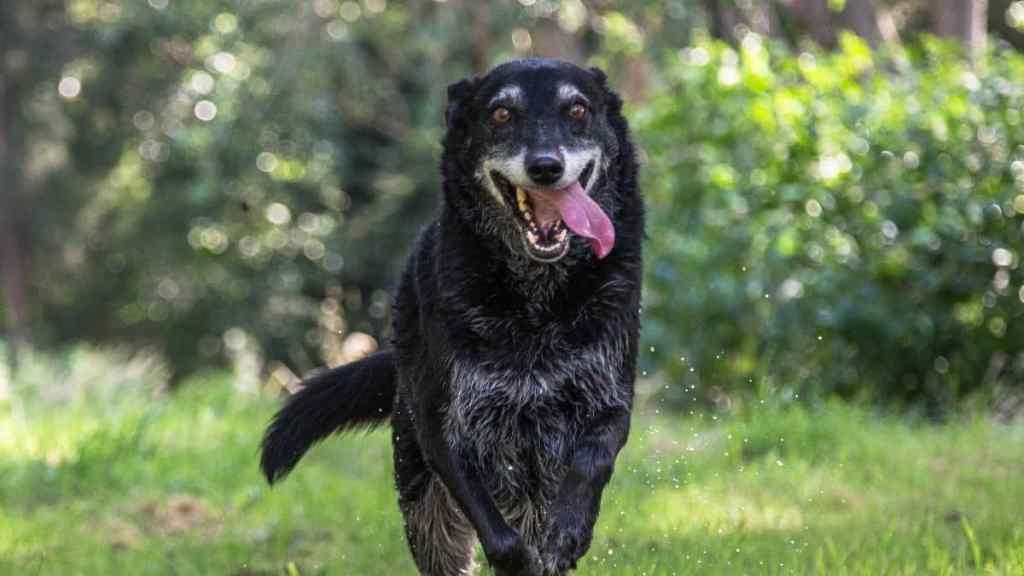
Zoomies are short-lived. A typical FRAP lasts anywhere from 30 seconds to a few minutes, and most dogs will naturally calm down without intervention. Some dogs will lie down and pant heavily after a zoomie, while others might grab a toy or curl up for a nap.
There’s no need to stop the zoomies unless they’re happening in an unsafe space—or your dog is likely to injure themselves or someone else.
Are Zoomies a Sign My Dog Isn’t Getting Enough Exercise?
Not necessarily—but it can be a clue. Zoomies are normal, but frequent, intense, or destructive episodes may suggest your dog isn’t getting enough:
- Physical exercise (walks, playtime, off-lead runs)
- Mental stimulation (enrichment toys, training, scent work)
- Social interaction (play with other dogs or people)
If your dog is zooming multiple times a day indoors and tearing up rugs or furniture in the process, it might be time to rethink your exercise routine.
Are Dog Zoomies Dangerous?
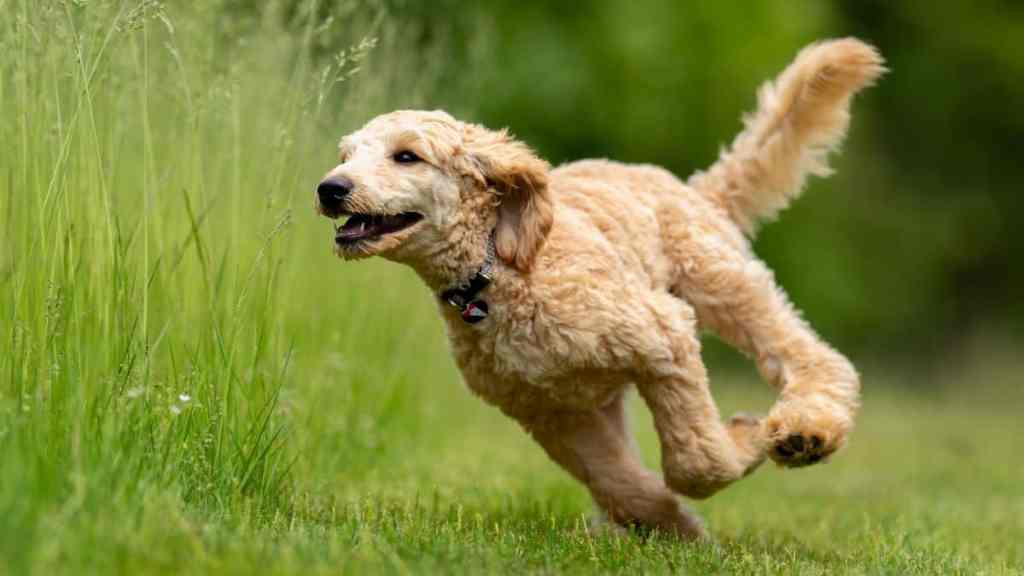
Zoomies are generally harmless, but they can become risky if they happen in the wrong environment. Dogs don’t have much spatial awareness during a zoomie—they’re acting on instinct and energy. That can lead to collisions, falls, or broken items in the home.
Potential risks:
- Slipping on laminate or tile flooring
- Crashing into furniture or glass doors
- Tripping over small children or elderly family members
- Bolting into roads or unsafe areas if outside
How to Safely Handle Zoomies
You don’t need to stop the zoomies—but you can manage them wisely.
Safety tips for zoomie-proofing your home:
- Create a clear open space (hallways and gardens work well)
- Avoid letting dogs zoom in slippery rooms like kitchens
- Use rugs or runners for traction on hard floors
- Keep fragile or sharp items out of zoomie range
- Ensure your garden is securely fenced if your dog zooms outdoors
Never punish your dog for having zoomies. It’s a natural behaviour and a form of self-expression. Instead, redirect them if necessary—toss a toy in a safer direction or guide them calmly away from furniture.
How to Reduce Excess Zoomies (If Needed)
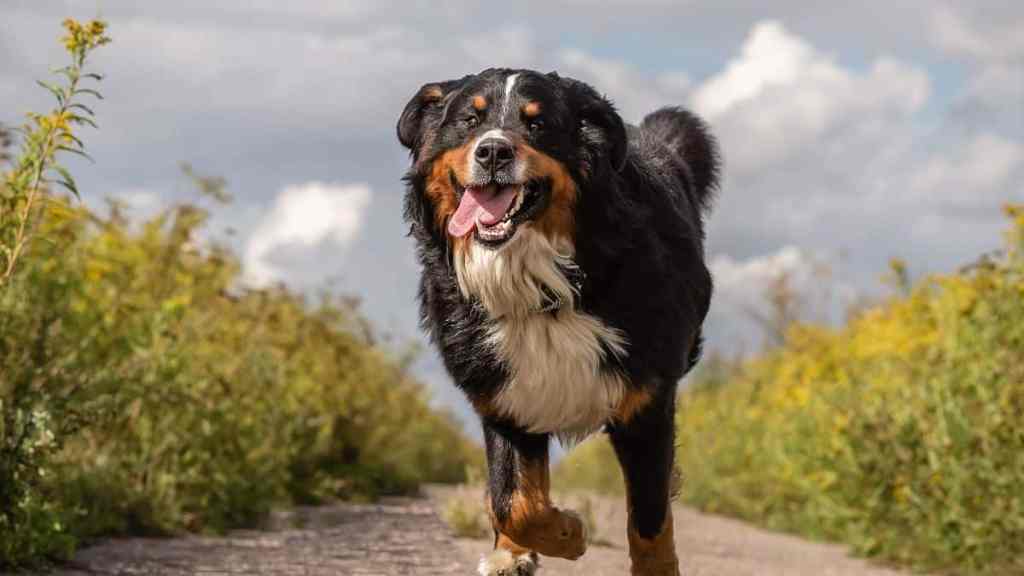
If the zoomies are becoming a bit much—especially at night or indoors—you can take steps to channel your dog’s energy more productively.
Ways to reduce excessive zoomies:
- Increase daily exercise: longer or more frequent walks
- Add mental stimulation: food puzzles, lick mats, training games
- Offer interactive play: tug-of-war, flirt poles, fetch
- Create a calming wind-down routine in the evenings
- Stick to a consistent feeding and walking schedule
A mentally and physically satisfied dog is far less likely to unleash chaos at 9pm across your living room.
Quick Facts About Zoomies
Final Word: Should You Be Concerned About Zoomies?
In most cases, zoomies are completely normal and even healthy. They’re a joyful burst of canine expression and often a sign that your dog is thriving.
However, if you’re seeing any of the following, it may be time to consult your vet or a professional trainer:
- Zoomies that look obsessive or compulsive
- Aggressive behaviour during or after zoomies
- Frequent crashing, injuries, or anxiety post-zoomie
- Zoomies paired with other behavioural changes or withdrawal
For everyone else, the best thing you can do is laugh, make sure the space is safe, and let them zoom. It’s one of the purest displays of joy you’ll ever see.