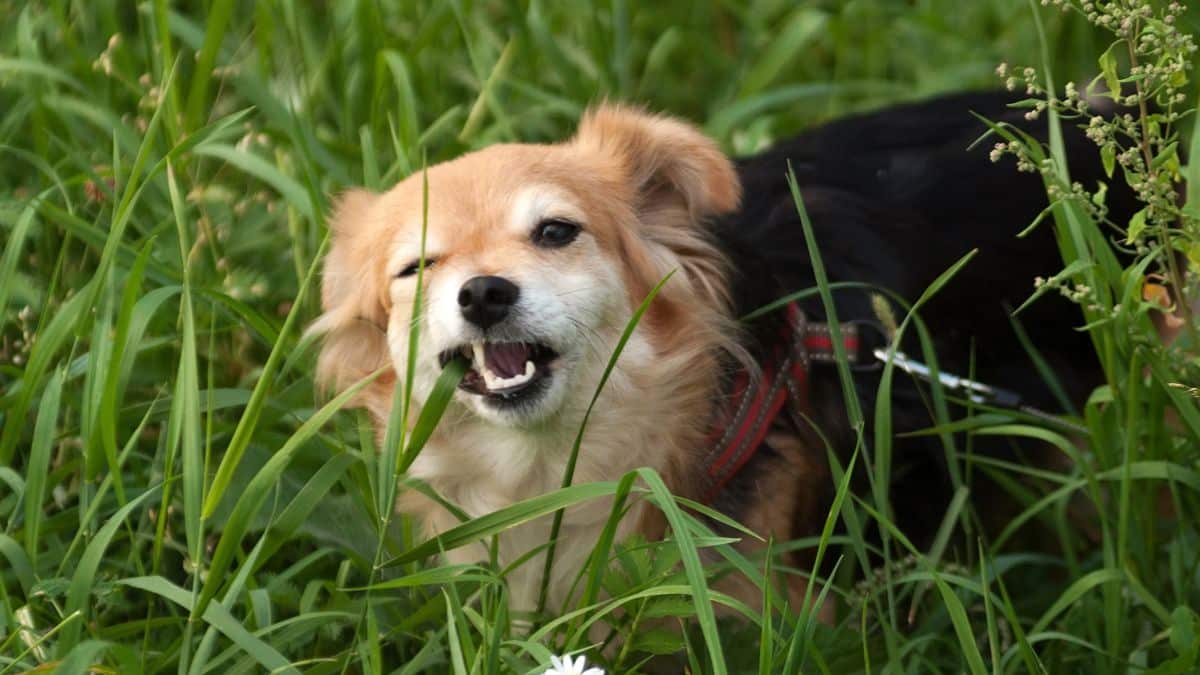
It’s a surprisingly common behaviour — one moment your dog is happily trotting along, and the next they’re head down, nibbling on a patch of grass like it’s their favourite treat. But is grass-eating just a quirky habit, or is it a sign of something more serious? In this in-depth UK guide, we explore the possible reasons why dogs eat grass, what the behaviour might mean, and when it’s time to consult your vet.
Is It Normal for Dogs to Eat Grass?
Yes, in most cases, it’s completely normal. Occasional grass eating is considered common among dogs, and the vast majority of the time it isn’t dangerous. According to veterinary research and numerous pet care studies, up to 8 in 10 dogs will eat grass at some point, and many do it regularly without any signs of illness.
That said, just because it’s common doesn’t mean it should be ignored — particularly if it becomes frequent, obsessive, or is followed by vomiting.

Quick Tip
A dog nibbling grass now and then isn’t unusual. But frequent or frantic grazing may point to an underlying issue.
Why Do Dogs Eat Grass?

There’s no single explanation — and no scientific consensus — but there are several well-supported theories. Your dog might be eating grass for one reason, or a combination of several:
1. To Relieve an Upset Stomach
Many owners notice their dog vomits after eating grass, which has led to the belief that dogs use it as a natural remedy. But studies suggest most dogs don’t actually vomit after grazing, meaning the connection may be overstated. Still, grass might irritate the stomach lining just enough to prompt vomiting in some dogs with tummy issues.
2. Dietary Deficiency or Fibre Craving
Some experts believe dogs lacking fibre may instinctively seek out grass. While modern pet foods are generally well-balanced, your dog might still benefit from added fibre through safe veggies like carrots or green beans. If your dog frequently grazes, reviewing their diet could help.
3. Boredom or Stress
Dogs that aren’t getting enough stimulation or are left alone for long periods may eat grass out of boredom or anxiety. Grazing becomes a kind of displacement activity — something to do when they’re under-stimulated or uncertain.
4. Natural Canine Instinct
In the wild, wolves and other canines have been observed consuming the stomach contents of herbivorous prey. This might suggest a leftover instinct to consume plant material, especially from dogs with stronger prey drives or hunting behaviours.
5. They Like the Taste or Texture
Some dogs simply enjoy the taste or feeling of grass in their mouths. Young dogs in particular may experiment more with their surroundings, using their mouths to explore.
Quick Tip
Not all grass eating is equal — casual nibbling on a walk is very different from compulsive lawn grazing at home. Keep an eye on patterns.
Is Grass Eating Dangerous for Dogs?
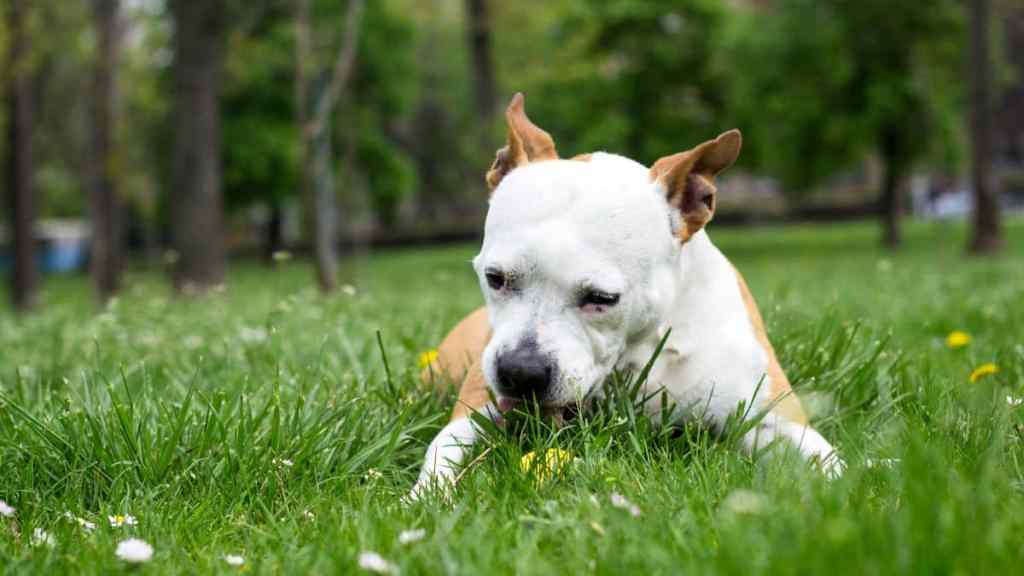
Occasional grazing isn’t typically harmful. However, there are real dangers depending on the location and frequency:
- Pesticides and fertilisers: Treated lawns, parks, or gardens can be hazardous. Many UK public spaces use chemicals not meant for ingestion.
- Slugs and snails: Grass can be a host for these critters, which may carry lungworm, a potentially fatal parasite in dogs.
- Sharp blades: Coarse or jagged grass can irritate the throat or stomach lining.
- Choking hazard: Some dogs chew long grass blades and could gag if they try to swallow too much at once.
To minimise risk, be aware of where your dog is grazing and avoid heavily treated or unknown patches.
When to Be Concerned
You don’t need to worry every time your dog nibbles grass, but some red flags warrant a vet consultation:
- Eating grass frequently or obsessively
- Vomiting more than once after grazing
- Lethargy, reduced appetite or weight loss
- Coughing, wheezing or laboured breathing (possible lungworm)
- Diarrhoea or signs of stomach discomfort
If you spot any of the above or have doubts, it’s always best to err on the side of caution and seek veterinary advice.
Should You Try to Stop the Behaviour?
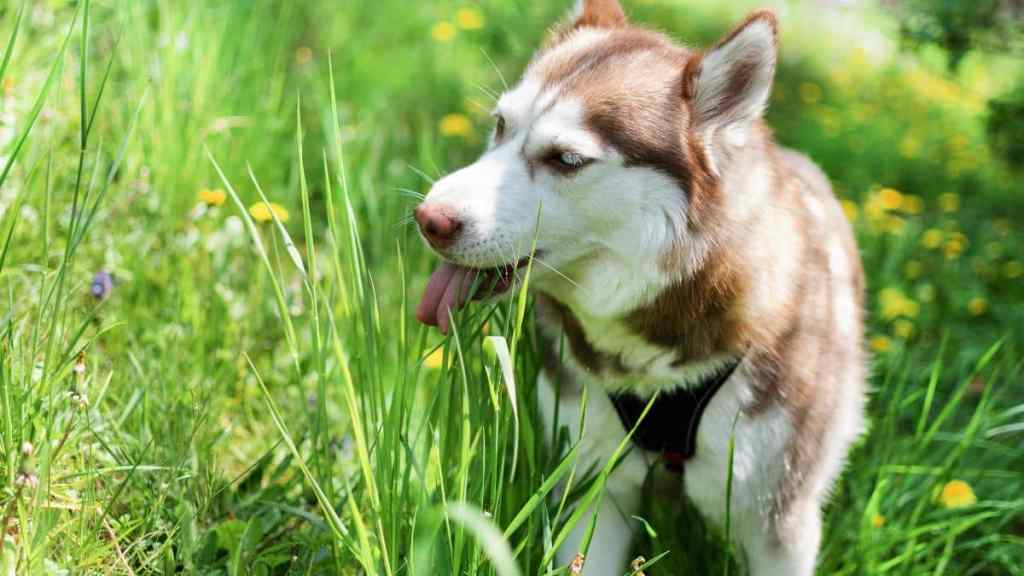
If your dog eats grass occasionally and shows no adverse symptoms, you probably don’t need to intervene. But if it’s frequent, or you’re worried about exposure to pesticides or parasites, consider these steps:
Quick Tip
Ensure your dog is up to date with lungworm prevention. It’s a real risk in many parts of the UK, especially for dogs that graze.
Final Thoughts
Dogs eating grass is one of those strange behaviours that’s more common — and less concerning — than it first seems. In most cases, it’s a normal, non-dangerous habit. But it becomes important to understand the context and frequency.
As a rule of thumb, casual grazing is okay — but obsessive or post-grazing sickness isn’t. Stay alert to changes in behaviour, consider dietary tweaks, and always avoid letting your dog eat grass in areas treated with chemicals or prone to parasites.
If you’re ever in doubt, speak to your vet. Peace of mind is always better than guesswork when it comes to your dog’s health.