
Elegant, affectionate, and surprisingly low-maintenance, Whippets are beloved for their calm temperament and athletic grace. Once known primarily as racing dogs, Whippets are now a staple in British homes — adored for their sweet nature and unique combination of speed and serenity. This in-depth UK-focused guide covers everything from their history and care needs to exercise, health, and what makes Whippets such wonderful companions.
History & Origins
The Whippet’s origins trace back to Victorian England, particularly the north, where coal miners and labourers bred them as smaller, more affordable alternatives to Greyhounds. These “snap dogs” were used to chase rabbits and race in makeshift tracks, offering entertainment and an opportunity to earn money. Their incredible speed made them natural competitors, and Whippet racing quickly became a working-class pastime.
Over time, the breed gained popularity for its elegant build, gentle nature, and manageable size. While some still associate them with the phrase “poor man’s racehorse,” modern Whippets have broken away from their racing-only image. Today, they shine in dog sports like lure coursing, agility, and even flyball, with recent standout performances at prestigious UK events like Crufts.
They were officially recognised by The Kennel Club in the late 1800s and continue to be one of the UK’s most loved sighthound breeds.

Quick Fact
Whippets can reach speeds of up to 35 mph — making them one of the fastest dog breeds in the world!
Appearance & Size
Whippets are sleek, medium-sized dogs with a graceful and athletic appearance. They’re built for speed, with long legs, deep chests, and slender waists — traits they share with their Greyhound cousins.
- Height: 44–51 cm (17–20 inches)
- Weight: 9–18 kg (20–40 lbs)
- Coat: Short, fine, and smooth
- Colours: Brindle, fawn, black, white, blue, red, cream, and a wide variety of combinations
Despite their athletic look, Whippets are incredibly low-maintenance. They shed minimally, don’t carry strong doggy odours, and are one of the cleanest dog breeds around. However, their thin coats and low body fat mean they’re sensitive to the cold.

Quick Fact
A good quality dog coat is a must during the colder months — and don’t be surprised if your Whippet insists on snuggling under the blanket all year round.
Temperament & Personality
Whippets are known for their affectionate, calm, and sensitive natures. They form strong bonds with their families and are usually happiest when curled up beside their favourite person.
While they’re quiet and gentle indoors, they do have a playful side — especially during zoomies! Social and curious, they generally get along well with other dogs, although their high prey drive may mean caution is needed around cats or small pets.
They tend to be polite with strangers, though sometimes reserved. Harsh corrections or noisy environments can make them anxious, so they respond best to calm, positive environments and consistent routines.
Good to Know:
- Great with children and adults alike
- Can be prone to separation anxiety if left alone for too long
- Rarely aggressive or reactive — often shy or aloof instead
Quick Tip
Early socialisation with people, places, and noises is key to helping your Whippet become confident and relaxed.
Exercise & Mental Stimulation
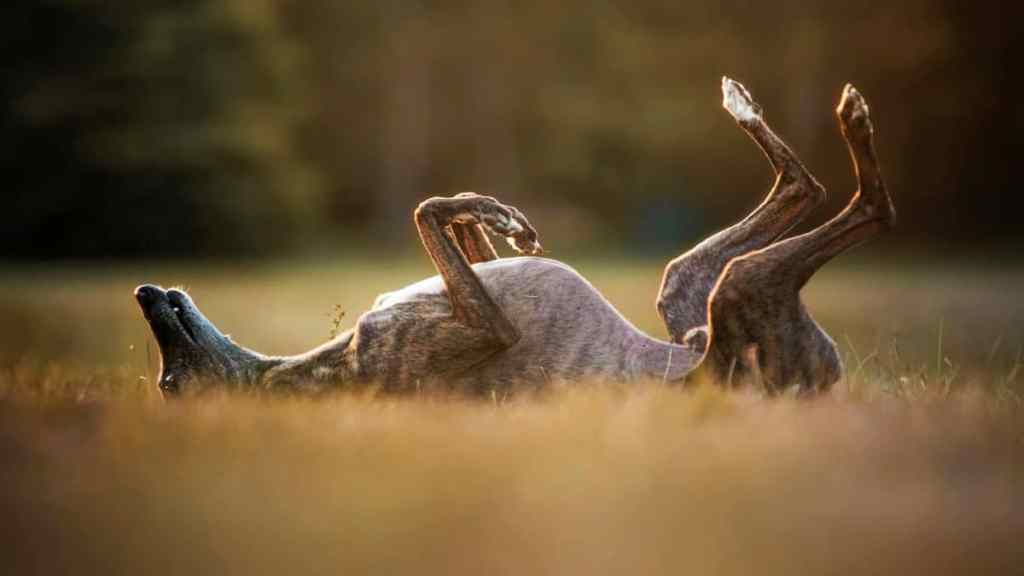
Don’t be fooled by their bursts of speed — Whippets aren’t high-energy in the way some breeds are. They’re happy with short periods of active play followed by long, lazy naps.
Ideal daily routine:
Their love for running means they excel at lure coursing, but they’ve also shown promise in agility and, more recently, flyball competitions. Many Whippets in the UK are now enjoying more diverse activities than ever before.
Grooming & Maintenance
Grooming a Whippet is a breeze. Their short, fine coat means they don’t pick up as much dirt as other breeds, and a quick weekly brush is usually enough.
Basic grooming routine:
- Brushing: Weekly using a grooming mitt
- Bathing: Every 6–8 weeks or as needed
- Ears: Check weekly for dirt and wax build-up
- Teeth: Brush 2–3 times a week
- Nails: Trim every few weeks
Because of their bony frame, they are susceptible to pressure sores if they lie on hard surfaces. Provide soft bedding and avoid slippery flooring where possible.
Health Considerations

Whippets are a robust and healthy breed with relatively few inherited health problems — but like all dogs, they do have some vulnerabilities.
Common health concerns:
- Mitral valve disease (heart-related)
- Progressive retinal atrophy (PRA) — a genetic eye condition
- Hypothyroidism
- Anaesthesia sensitivity — typical of sighthounds
- Cold sensitivity — due to low body fat
Lifespan: 12–15 years (often longer with good care)
Quick Tip
Always speak to a vet familiar with sighthounds — their physiology means they may require different dosages or medication types.
Living with a Whippet
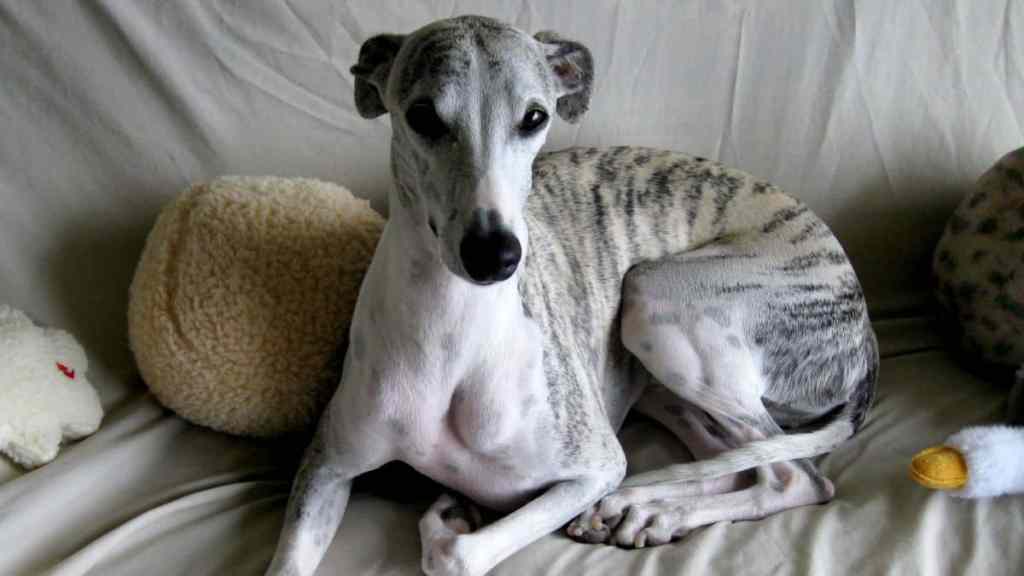
Whippets thrive in calm, loving households. They are surprisingly adaptable — equally at home in a flat or a country cottage — provided they have daily walks and a comfy place to snooze.
They enjoy routine and gentle handling. Because they’re sensitive souls, loud households or rough play can be distressing.
Top lifestyle considerations:
- Not ideal for homes where they’ll be left alone all day
- Thrive in homes with soft furniture (yes, they’ll take over the sofa)
- Quiet, well-mannered companions — great for older people or gentle families
Whippets & Children (and Other Pets)
Whippets are a brilliant choice for families with respectful children. They love being part of the action — but without being overwhelming or overly boisterous.
They usually get on well with other dogs and, with careful introduction, can sometimes live peacefully with cats. However, their sighthound instincts can kick in when small animals move quickly.
Quick Tip
Avoid off-lead interactions in public parks with small dogs or wildlife unless you’re confident in your Whippet’s recall.
Training a Whippet

Whippets are intelligent, eager to please, and usually responsive to gentle, consistent training. They do best with reward-based methods and are sensitive to harsh corrections.
Start early with basic obedience and house manners, using treats, praise, or toys as rewards. Short, positive training sessions work better than long, repetitive ones. Many Whippets enjoy learning tricks, scent work, or taking part in dog sports — anything that offers mental stimulation in a low-pressure setting.
Common training challenges:
- Recall can be tricky due to their strong chase instinct
- House training may take a little patience, especially in cold or wet weather
- Crate training works well if introduced gradually
Whippet-Friendly Activities
Whippets may be calm indoors, but they enjoy having structured and stimulating activities. These don’t always need to be physically demanding — mental enrichment counts too.
Great options include:
Quick Tip
Try “sniff walks” in quiet parks — allowing your Whippet to follow their nose is both calming and mentally enriching.
Adoption & Breeder Advice (UK)
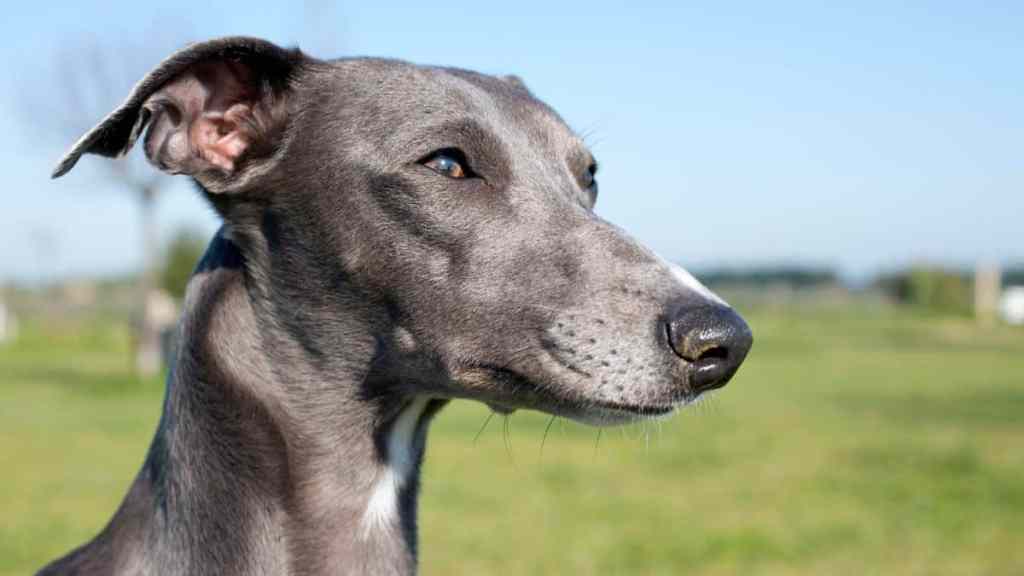
There are many wonderful Whippets in rescues across the UK. Due to their sensitive nature, ex-racing or retired Whippets can make wonderful companions with a bit of patience and love.
Where to look:
- The Kennel Club Assured Breeders Scheme
- Whippet Rescue UK
- Local shelters and breed-specific charities
Questions to ask breeders:
- Have both parents had heart and eye tests?
- What socialisation have the puppies had?
- Can you visit and meet the mother?
Quick Tip
Always avoid buying online or from sellers unwilling to show you the home environment.
Final Thoughts
Elegant, affectionate, and surprisingly low-key — the Whippet is one of the UK’s best-kept secrets. Their adaptability, loving nature, and peaceful temperament make them a dream companion for many households. Whether you live in the heart of the city or the quiet countryside, a Whippet can bring grace, loyalty, and warmth to your life.