Feeding a cat should be simple… right? Yet with shelves full of kibbles, pouches, raw diets, and grain-free options — not to mention treats and supplements — it’s easy to second-guess yourself. Whether you’re a first-time cat parent or just want to double-check your routine, you’re in the right place.
This guide cuts through the confusion to give you a simple, trustworthy breakdown of what cats really need to thrive. No scare tactics, no marketing fluff — just clear, kind, science-based advice from someone who actually cares.
Quick Answer: Are you feeding your cat right?
Cats are obligate carnivores and need a high-protein, meat-based diet with essential nutrients like taurine, vitamins, and fatty acids. The right food depends on their age, health, lifestyle, and preferences — but a complete, balanced diet (wet, dry, or both) is key. Always read the label and check it’s marked “complete” for your cat’s life stage.
Understanding What Cats Need to Eat
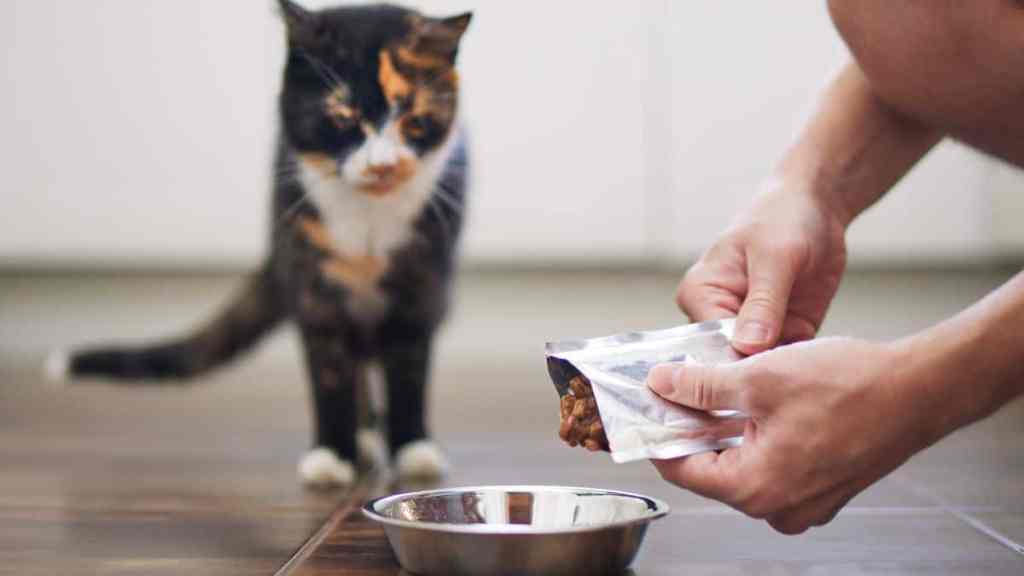
Let’s start with the basics: cats are obligate carnivores. That means their bodies are designed to get all the nutrients they need from meat. Unlike dogs, they can’t thrive on a plant-based or grain-heavy diet.
Meat isn’t just a preference — it’s a biological necessity. Cats lack the enzymes to convert certain plant-based nutrients into usable forms. For example, they must consume taurine and arachidonic acid (an essential fatty acid) directly from animal tissue, because their bodies can’t make these from plant ingredients like humans or dogs can.
To be healthy, your cat’s diet must include:

Quick Tip
“Complete” cat foods legally must contain all the nutrients your cat needs. If the label only says “complementary”, it’s a treat or topper — not a meal.
Wet vs Dry Cat Food: Which Is Better?
Wet and dry cat food both have their perks — and neither is “better” across the board. The best choice often depends on your cat’s needs, preferences, and your lifestyle.
In many cases, a combination of both works best: wet food helps with hydration and appeal, while dry food offers convenience and texture.
🥫 Wet Food (Pouches, Tins, Trays)
- High moisture content — good for hydration
- Usually more palatable to picky eaters
- Easier to chew for kittens and older cats
- Shorter shelf life once opened
🐾 Dry Food (Kibble)
- Convenient, less messy, can be left out
- May support dental health when part of a broader routine
- More energy-dense, but can lead to overfeeding
- Typically low in moisture — not ideal as the only food
Most vets recommend mixing both types to get the benefits of each — just be sure to introduce any changes gradually to avoid tummy troubles.
Choosing a Complete Cat Food
When standing in the pet food aisle, the number of options can be overwhelming. Here’s what really matters:
What to Look For
Looking for something premium and ultra-transparent? KatKin’s fresh wet food is made from 100% gently-cooked chicken thigh, liver, and heart, combined with their unique KatKin Nutrient Mix. It’s formulated for cats with fresh, human-quality ingredients and delivered straight to your door — a brilliant option if you want convenience without compromising on quality.


What to Avoid
Quick Tip
Not all expensive brands are good, and not all budget options are bad. Some supermarket or vet-recommended brands are perfectly adequate — it’s about ingredients and formulation, not price tag alone.
How Much Should You Feed Your Cat?
Feeding guides on packaging are a starting point — but they’re not one-size-fits-all. Your cat’s ideal portion depends on:
- Weight – including whether they need to gain or lose
- Activity level – indoor cats need fewer calories than outdoor explorers
- Age and life stage – kittens and seniors have different needs
- Health conditions – e.g. diabetes, kidney disease, or allergies
Watch your cat’s body condition more than the bowl. You should be able to feel their ribs without pressing hard, see a visible waist from above, and they should move comfortably without extra weight around the belly.
Too much food — even high-quality — can lead to obesity, diabetes, and joint problems. Too little can cause nutrient deficiencies.
Can Cats Have Treats and Human Food?
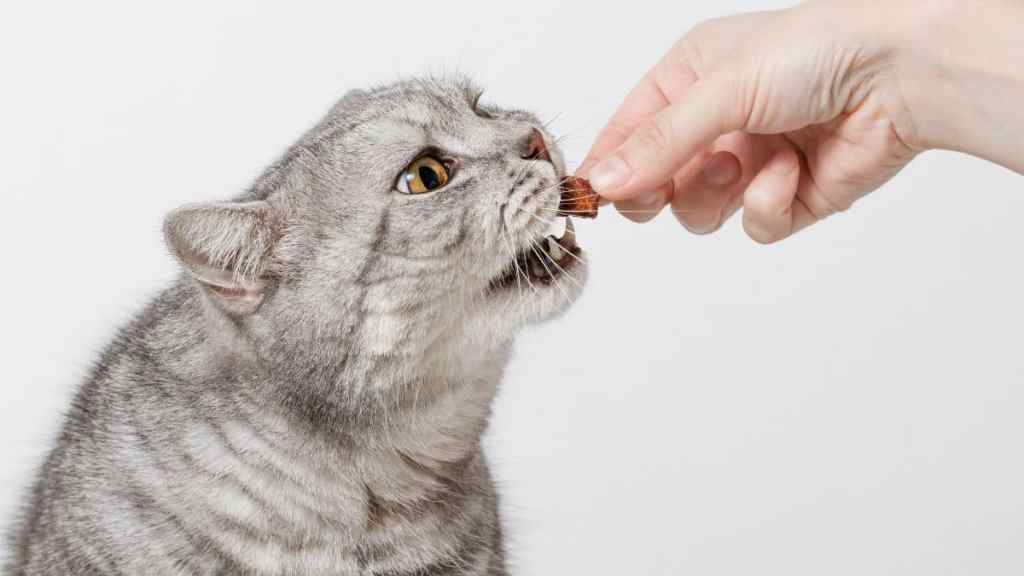
Treats and shared snacks can feel like love — and in small doses, they can be! But it’s important to know what’s safe and what’s not when feeding your cat anything outside their usual meals.
🍗 Treats:
- Fine in moderation (aim for no more than 10% of daily intake)
- Choose cat-specific treats with limited ingredients
- Great for training, bonding, or post-vet rewards
- Don’t overdo it — even “healthy” treats can add up
🍽️ Human Foods:
Some foods are fine in tiny amounts — like plain cooked chicken or tuna in spring water — but others are seriously dangerous.
Toxic to cats (even in small amounts):
Cats aren’t small humans — their bodies process food very differently. When in doubt, skip the scraps and stick to species-appropriate treats. It’s the safest way to keep them healthy.
Feeding Tips for Fussy or Sensitive Cats
Some cats are picky. Others have sensitive tummies. If your cat turns their nose up at meals or has frequent runny poos, here’s what can help:
- Stick to routine – same food, same time, same place
- Try warming wet food slightly to enhance aroma
- Don’t constantly switch foods — it can cause tummy upset
- Rule out medical issues (especially dental pain or nausea)
- Choose sensitive or hypoallergenic formulas if advised by your vet
- Offer small, frequent meals if your cat is a grazer
Quick Tip
Stress can also affect appetite — changes in the home, new pets, or even noisy renovations might make your cat eat less.

Summary Table: What Makes a Balanced Cat Diet?
|
Nutrient / Feature |
Why It Matters |
Where to Find It |
|---|---|---|
|
Animal Protein |
Builds muscle, fuels energy |
Chicken, beef, turkey, salmon |
|
Taurine |
Essential for heart, vision, reproduction |
Found naturally in meat |
|
Omega-3 & 6 Fats |
Supports skin, coat, and brain |
Fish oils, poultry fat |
|
Moisture |
Aids hydration and kidney health |
Wet food, broths, water fountain |
|
Vitamins & Minerals |
Regulate body functions and immunity |
Complete cat foods (check the label) |
|
Portion Control |
Prevents obesity and nutrient imbalance |
Use feeding guide + body condition |
|
Life Stage Formulation |
Matches your cat’s changing needs |
Kitten, adult, senior-specific foods |
Final Thoughts
Feeding your cat doesn’t have to be confusing — just focused. Stick with high-protein, complete foods, watch their weight and habits, and choose options that work for both of you.
There’s no single “perfect” diet, but with the right balance, plenty of water, and thoughtful portions, you’ll be doing brilliantly. And if you’re ever unsure, your vet or vet nurse can help you tailor a feeding plan to your cat’s needs.
It’s also worth remembering that your cat’s nutritional needs can change over time. A playful kitten, a calm indoor adult, and a senior cat with sore joints will all benefit from slightly different feeding strategies — so it’s a good idea to check in every so often and adapt if needed.
Above all, don’t stress about perfection. Focus on nourishment, consistency, and observation. Trust your instincts, do your best, and your cat will feel the love in every bowl you put down.
Because when it comes to nutrition, it’s not just about full bellies — it’s about long, healthy, happy lives 🐾