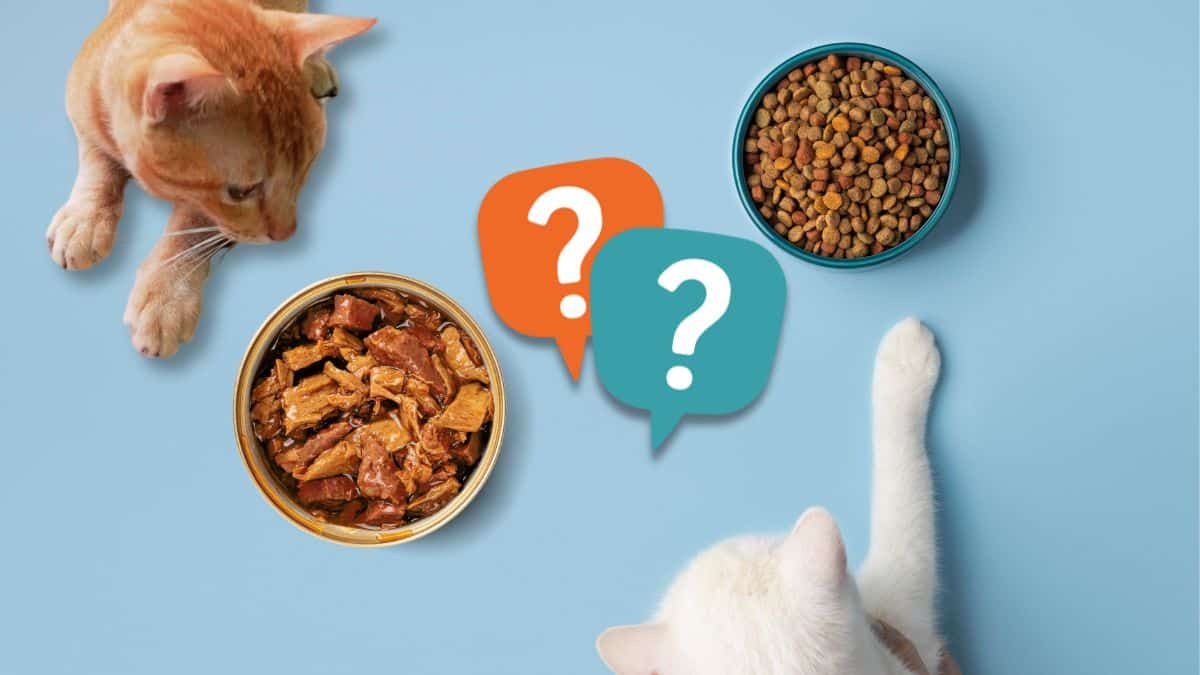
Standing in the cat food aisle shouldn’t feel like decoding a science textbook. Yet, between the bold claims and conflicting advice, it’s hard to know what’s truly best for your feline friend.
Is dry food really better for teeth? Does wet food support hydration? Is a mix the answer?
In short — it depends. Both dry and wet food offer unique benefits (and drawbacks). The best choice depends on your cat’s age, lifestyle, health, and personal preferences.
This UK-focused guide will help you understand the pros, cons, and science behind each option — so you can feed your cat confidently and with care.
So, Which Is Better — Wet or Dry Food?
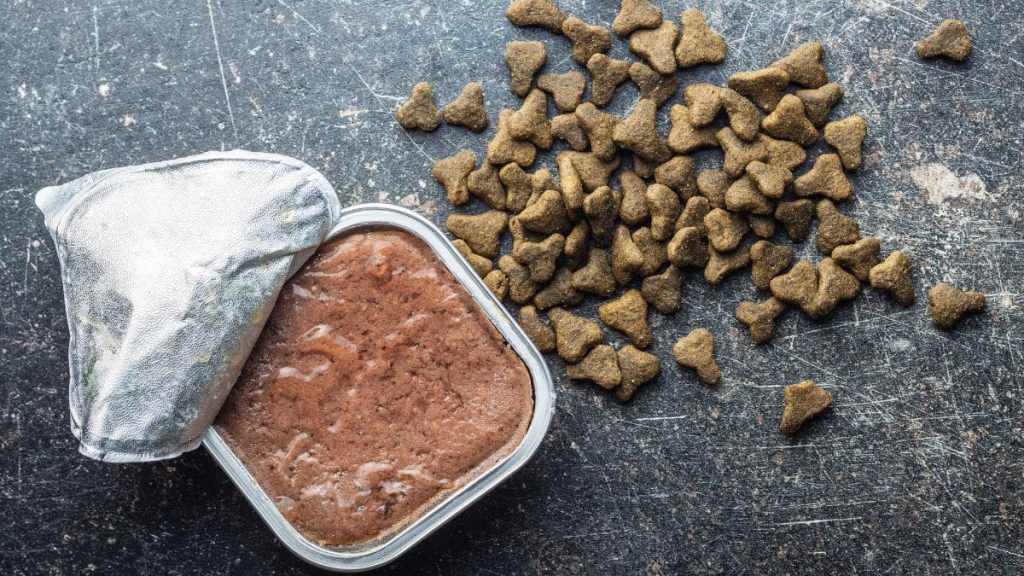
There’s no one-size-fits-all answer. Wet food delivers essential hydration, which supports urinary and kidney health — especially important in cats that naturally have a low thirst drive. Dry food, on the other hand, is convenient, cost-effective, and may help with dental hygiene (if it’s the right kind).
💡 Best of both? Many UK vets now recommend a mixed feeding approach, offering the moisture benefits of wet food alongside the ease and crunch of dry. The trick is getting the balance right for your cat’s age, health, and lifestyle.
What You Need to Know About Wet Cat Food
💧 1. High Moisture = Better Hydration
Cats evolved to get most of their water from prey — not water bowls. Wet food contains up to 80% moisture, helping cats stay hydrated even if they rarely drink.
✅ Great for:
- Kidney health
- Preventing urinary tract infections
- Constipation-prone or senior cats
🐟 2. Closer to a Natural Diet
Wet food is typically richer in animal protein and lower in carbs — ideal for obligate carnivores like cats. It’s also more palatable, making it a win for fussy eaters.
⚠️ 3. It Spoils Quickly
Once opened, wet food needs refrigeration and shouldn’t sit out for more than 1–2 hours. It can also be pricier and create more waste due to packaging and uneaten portions.

Quick Tip
Wet food is especially helpful for older cats or those with kidney disease — always check with your vet.
What You Need to Know About Dry Cat Food

🍗 1. Convenient and Long-Lasting
Dry food is easy to store, budget-friendly, and ideal for busy households. It works well with automatic feeders or if your cat prefers to graze throughout the day.
✅ Best for:
- Multi-cat homes
- Portion control (if measured correctly)
- Owners looking for a low-maintenance routine
🦷 2. Crunch May Support Dental Health
Kibble can help reduce tartar slightly, but it’s not a substitute for proper dental care. Look for dry food specifically labelled to support oral health.
⚠️ 3. Lower Moisture Can Be Risky
With just 8–10% water content, dry-only diets may increase the risk of dehydration, bladder issues, or kidney disease — especially in older cats. Always ensure access to fresh water or add wet meals to the routine.
Quick Tip
For real dental support, consider vet-approved dental treats or brush your cat’s teeth regularly.
Mixed Feeding: The Best of Both Worlds?
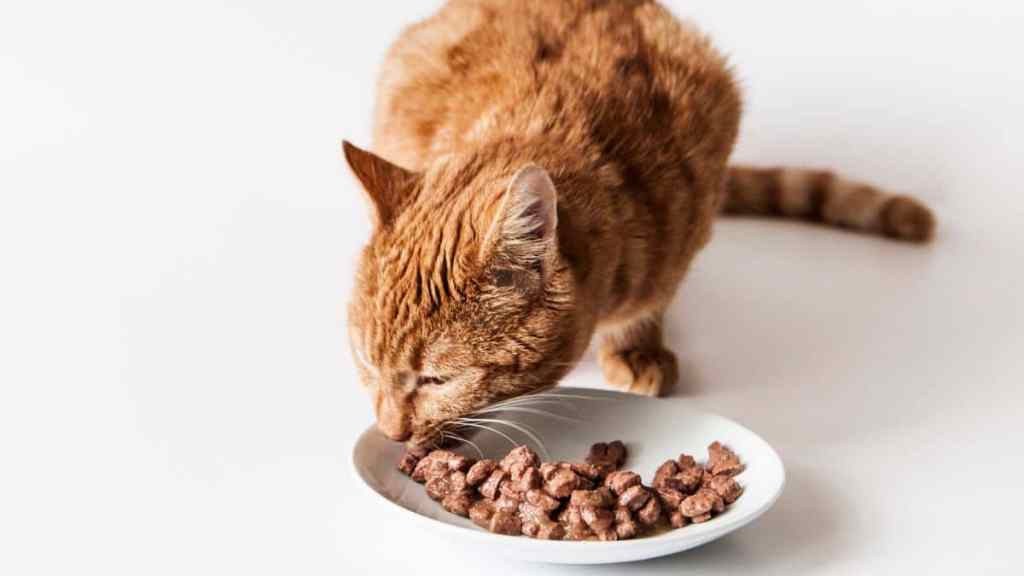
More and more UK vets now recommend a mixed feeding routine — because it offers the hydration benefits of wet food alongside the practicality of dry.
Here’s how to do it right:
- Serve wet food at mealtimes (e.g. morning & evening)
- Offer dry food as a controlled portion during the day
- Adjust quantities to avoid overfeeding or weight gain
This approach supports hydration, improves palatability, and provides a bit of variety — especially for picky eaters.
Quick Tip
Keep mealtimes consistent to avoid digestive upset and maintain a healthy routine.
Special Diets and Considerations
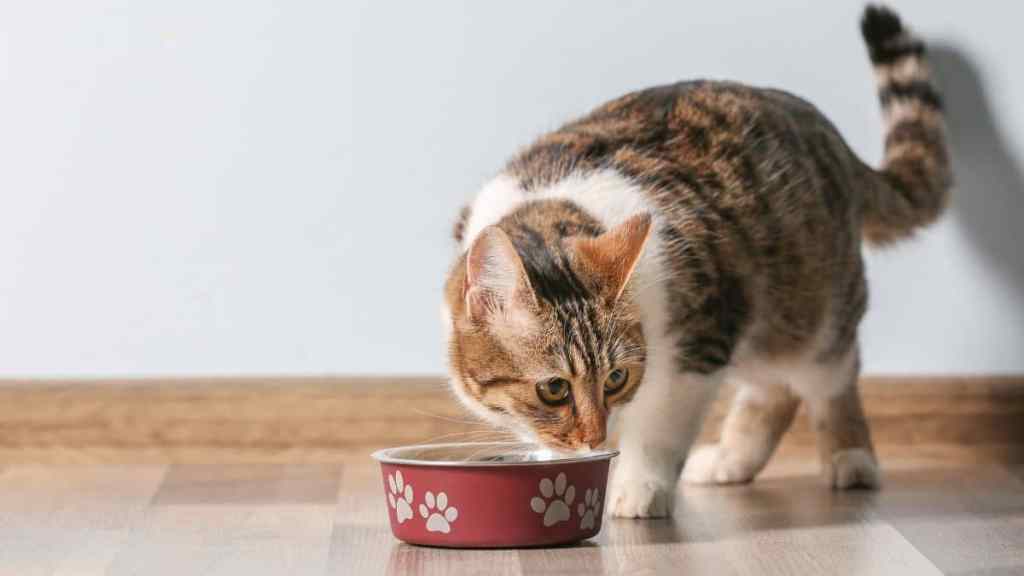
Some cats need more than just a standard feeding plan. Whether due to age, health, or life stage — here’s how wet vs dry plays into common needs:
Senior Cats
- Wet food is easier to chew and provides extra hydration for ageing kidneys
- Dry food can still be offered if teeth are healthy — just soften it if needed
Kittens
- Wet food supports hydration and helps with the transition from milk
- Dry can be introduced gradually from 8 weeks, softened at first for easy chewing
Cats with Health Conditions
- Kidney disease: Wet food is usually the top recommendation
- Diabetes: Low-carb, vet-prescribed wet food may be best
- Weight concerns: Dry food needs strict portion control or vet-approved light wet options
Quick Tip
Always consult your vet — many prescription diets are available in both wet and dry forms.
How to Choose Quality Cat Food (Wet or Dry)
Marketing claims are everywhere — but what’s actually important when choosing cat food?
✅ Look for:
- Named animal protein (like chicken or salmon) as the first ingredient
- Clear “complete and balanced” labelling (not just “complementary”)
- UK/EU pet food compliance (FEDIAF standards)
- Transparent ingredient lists — avoid mystery “meat derivatives”
⚠️ Avoid:
- Fillers like sugar, wheat, or artificial colours
- Vague labelling — if it doesn’t say exactly what’s inside, skip it
Quick Tip
Don’t just go by brand — read the label like you would your own food.
Feeding Tips for a Happy, Healthy Cat
No matter what you feed your cat, getting the basics right makes a world of difference. Here’s how to keep mealtimes healthy and hassle-free:
✅ Stick to measured portions
Always follow feeding guidelines based on your cat’s age, size, and activity level. Overfeeding leads to weight gain — and health risks.
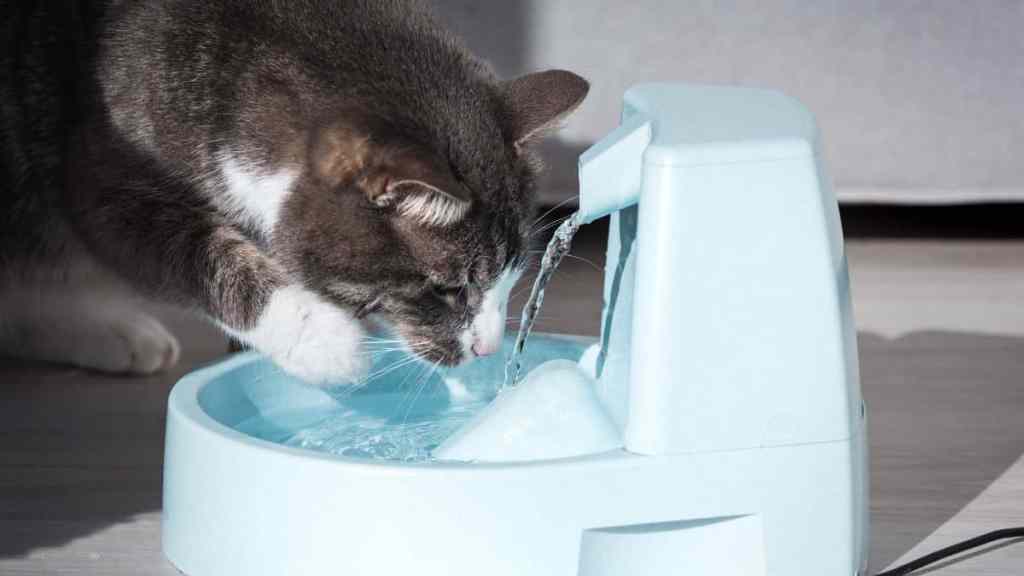
✅ Keep fresh water available 24/7
Cats aren’t natural drinkers. Encourage hydration with a clean bowl or a cat water fountain to entice interest.
✅ Store wet food properly
Refrigerate opened tins or pouches and use a pet food lid to keep it fresh. Never leave wet food out for more than 1–2 hours — especially in warmer homes.
✅ Transition foods gradually
Switching foods too fast can cause tummy trouble. Mix the new food in slowly over 7–10 days to help your cat adjust.
Quick Tip
If your cat turns their nose up at a new food, warm it slightly or mix in a bit of their favourite to tempt them.
Final Thoughts
So — wet or dry? The answer isn’t one-size-fits-all. It’s about what works for your cat and your lifestyle.
- Wet food offers hydration and palatability
- Dry food delivers convenience and crunch
- A mix of both? Often the perfect middle ground
What matters most is feeding a complete, balanced diet that supports your cat’s health, hydration, and happiness. Tailor your approach to their age, medical needs, and personal quirks — and always consult your vet if you’re unsure.
🐾 Well-fed cats are healthier, happier, and more full of life. Whether you’re opening a pouch or pouring kibble — when you feed with care, your cat feels it.