With the UK’s long winter evenings and unpredictable schedules, walking your dog after dark can often become part of the routine. But walking your dog at night carries extra risks for both of you. From poor visibility and roadside dangers to reactivity and weather concerns, night walks require a different approach. This comprehensive guide walks you through everything you need to know to keep your canine companion safe and relaxed after sunset.
Why Night Walks Can Be Riskier Than Day Walks
Walking your dog in the dark isn’t inherently dangerous, but it does require more forethought. In daylight, you’re more aware of your surroundings, terrain, and hazards. Once the sun sets, however, your senses — and your dog’s — are tested in new ways.
Key Challenges of Night Walks:

Quick Tip
Always check the weather before heading out. Rain and icy pavements can make night walks far more hazardous.
What to Wear: Essential Night-Walking Gear
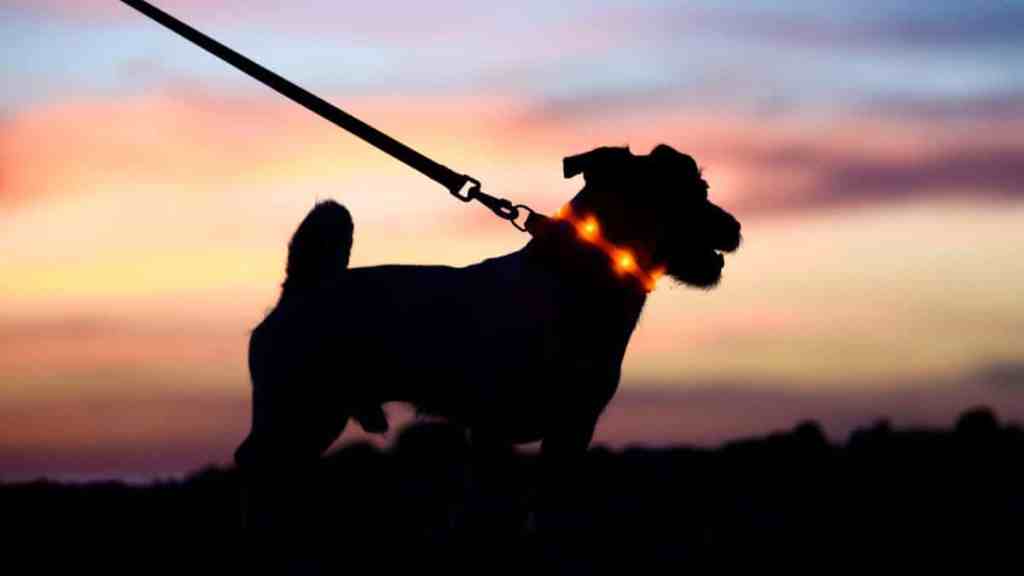
Proper gear is key to safe dog walking at night. Reflectivity and control are your two priorities — being seen, and staying in control.
For Your Dog:
- Reflective or LED collar and lead – so others can see them from a distance
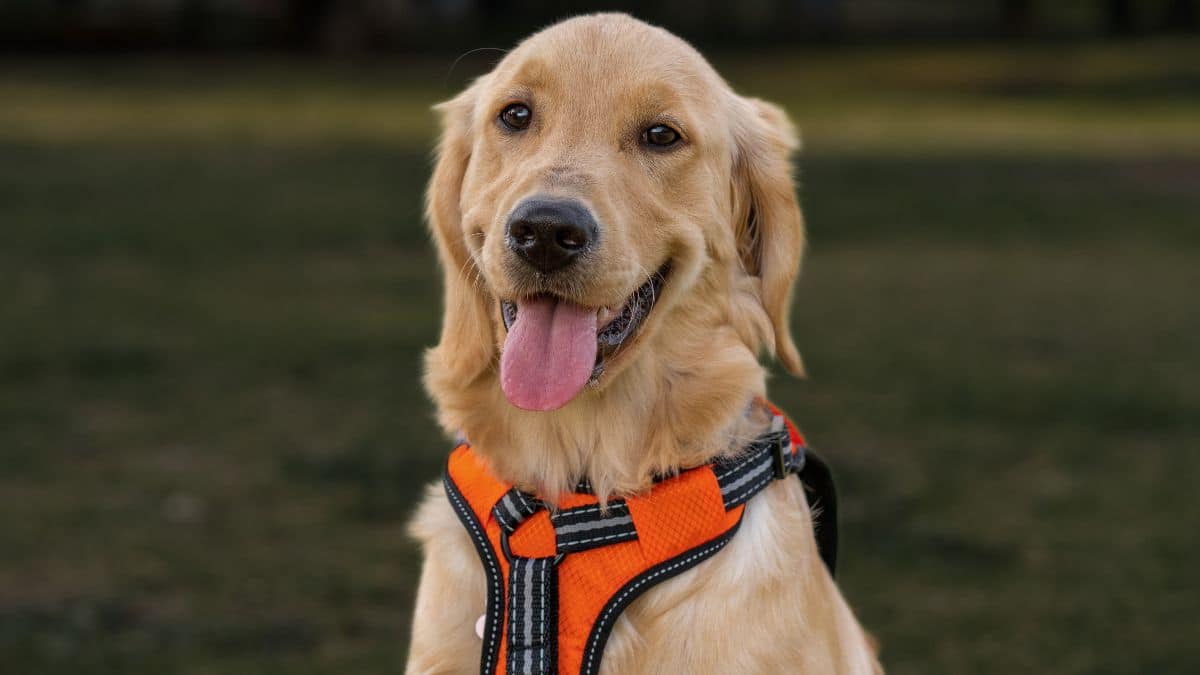
- Hi-vis or light-up harness – for full-body visibility
- Warm, weather-appropriate coat – particularly for short-haired or small breeds
- ID tag – legally required in the UK, and crucial if your dog escapes
For You:
- Head torch or clip-on light – keeps your hands free
- Reflective armband or jacket – helps motorists see you
- Non-slip footwear – wet leaves and frozen paths are common
- Fully charged mobile – in case of emergency
Quick Tip
Avoid extendable leads after dark. They reduce control and increase the chance of entanglement or escape.
Best Practices for Safe and Enjoyable Night Walks
A few simple changes to your routine can make a huge difference in safety and enjoyment.
Quick Tip
If your dog seems nervous or hyper-alert, reduce your speed and let them set the pace.
Dogs That Might Need Extra Consideration

Certain dogs are more vulnerable during night-time walks, especially in unfamiliar areas.
- Senior dogs – May have diminished eyesight or hearing
- Brachycephalic (flat-faced) breeds – Like pugs or bulldogs; colder air and poor visibility can increase stress
- Small breeds – Easier to miss in the dark, and more sensitive to cold
- Rescue or reactive dogs – New environments, dark figures and wildlife can cause anxiety
Make sure to read your dog’s body language. If they seem tense, avoid new routes or areas with traffic.
Useful Alternatives to Night-Time Walks
If it’s not safe to walk, or your dog simply struggles with dark environments, don’t worry — there are other options:
- Morning walks – Prioritise outdoor time during daylight hours
- Garden time – If you have a secure, well-lit space
- Indoor enrichment – Try puzzle feeders, snuffle mats, or hide-and-seek games
- Short training sessions – Mental exercise can be just as tiring as physical
Quick Tip
Even 10–15 minutes of indoor engagement can reduce restlessness or destructive behaviours in the evening.
Night-Time Safety Tips Every Dog Owner Should Know
- Always carry poo bags — and consider a small clip-on light so you can see what you’re doing
- Let someone know your route, or bring a friend if walking in quieter areas
- Avoid alleys, unlit parks, or wooded trails if you’re alone
- Keep your dog on a lead unless you’re in a secure, familiar area with no traffic
Night-Time Safety Responsibilities
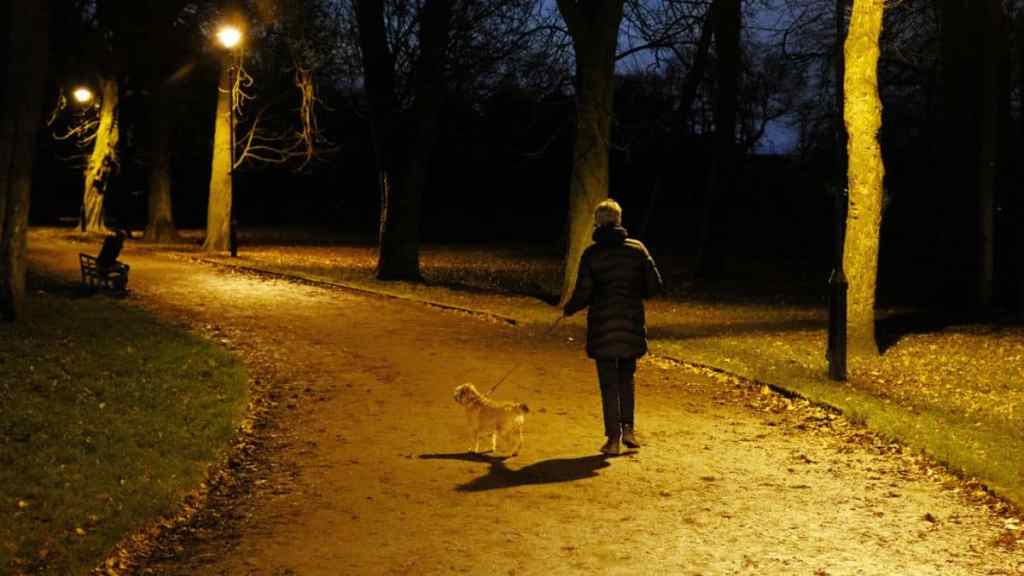
As a dog owner, your responsibilities don’t change after sunset — but they may require more awareness:
- Ensure your dog’s ID tag is up to date and legible
- Keep leads short around roads and driveways
- Watch for wildlife like hedgehogs, which are more active at night
- Don’t assume others can see you — take visibility seriously
Quick Tip
If you’re walking with others or with multiple dogs, consider reflective leads of different colours for easy identification.
Recap for the Road:
Final Thoughts
Dog walking after dark doesn’t have to be stressful or dangerous. With the right equipment, careful planning, and an understanding of your dog’s needs, it can even become one of the most peaceful parts of your day.
By making visibility a priority, staying alert, and adapting your routine to suit your dog’s temperament, you’ll stay safer and more confident — even on the darkest evenings.
Stay safe, stay visible — and enjoy those peaceful moonlit strolls!