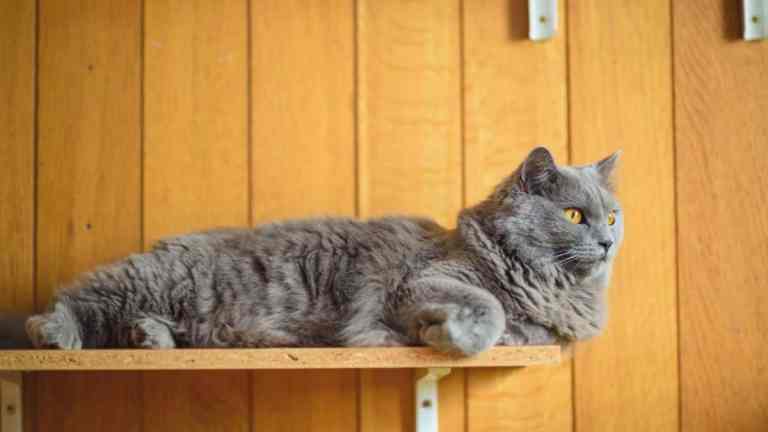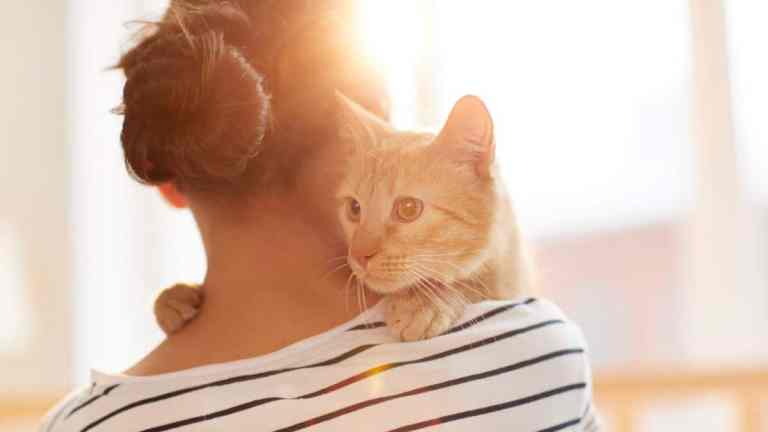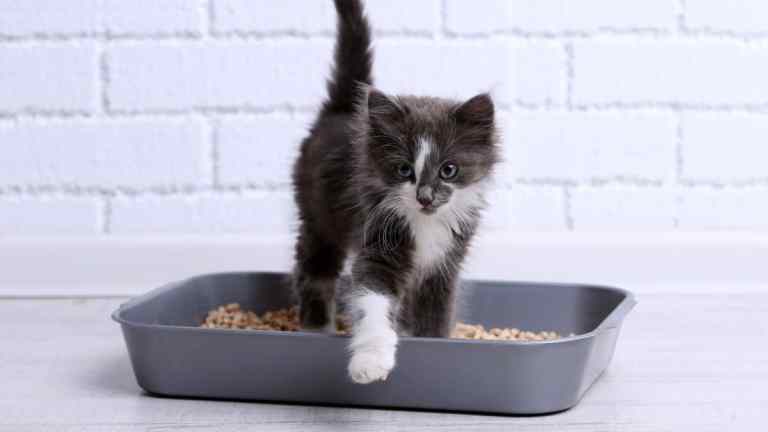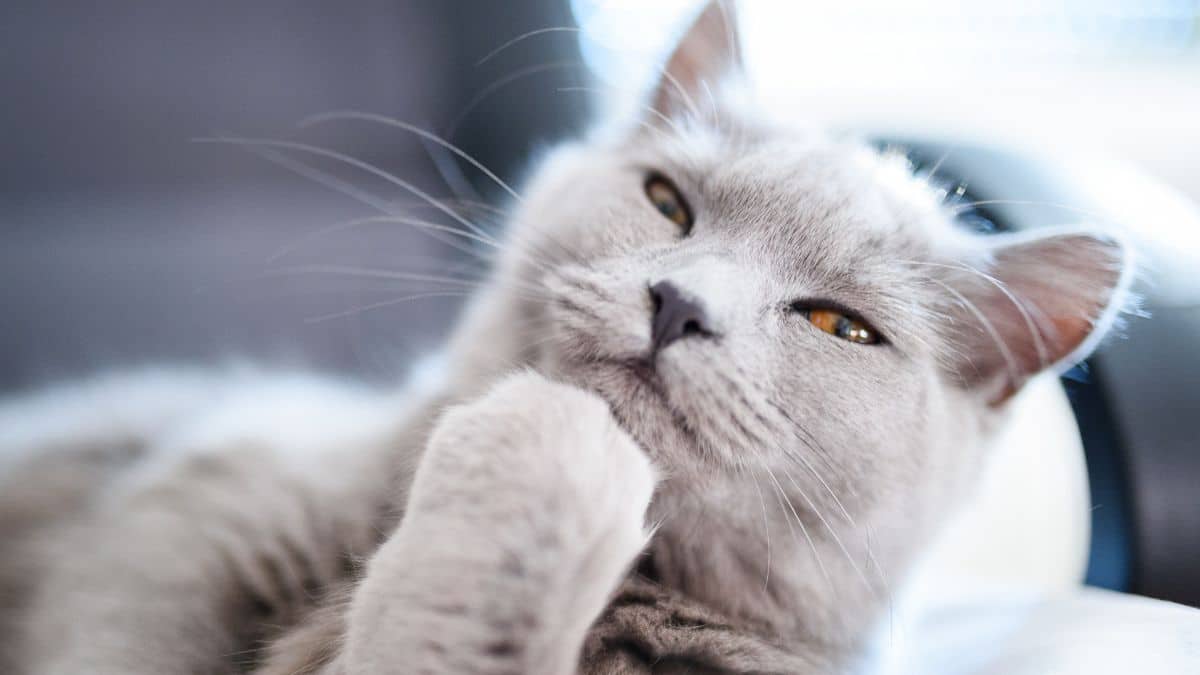
Ever wished your cat could just tell you how they feel? Good news — they do. You just need to learn their language.
Understanding cat body language means reading the subtle signals your feline sends through their ears, eyes, tail, whiskers, and posture. It’s how cats communicate everything from happiness to discomfort — and learning to spot the signs helps you build a stronger, more respectful bond.
Let’s explore how to read your cat from tail to whiskers, so you can confidently respond to their moods, needs, and quirks.
Why Understanding Cat Body Language Matters
Cats may not speak our language, but they are incredibly expressive in their own way. Unlike dogs, who wag their tails or bark to show emotion, cats communicate through subtle, non-verbal cues. Understanding these cues is key to strengthening your bond and ensuring your cat feels seen, heard, and safe.
Learning to read your cat’s body language helps you:

Quick Tip
Always look at the whole picture — from tail to whiskers — for an accurate read on your cat’s mood.
Tail Talk: The Mood Barometer
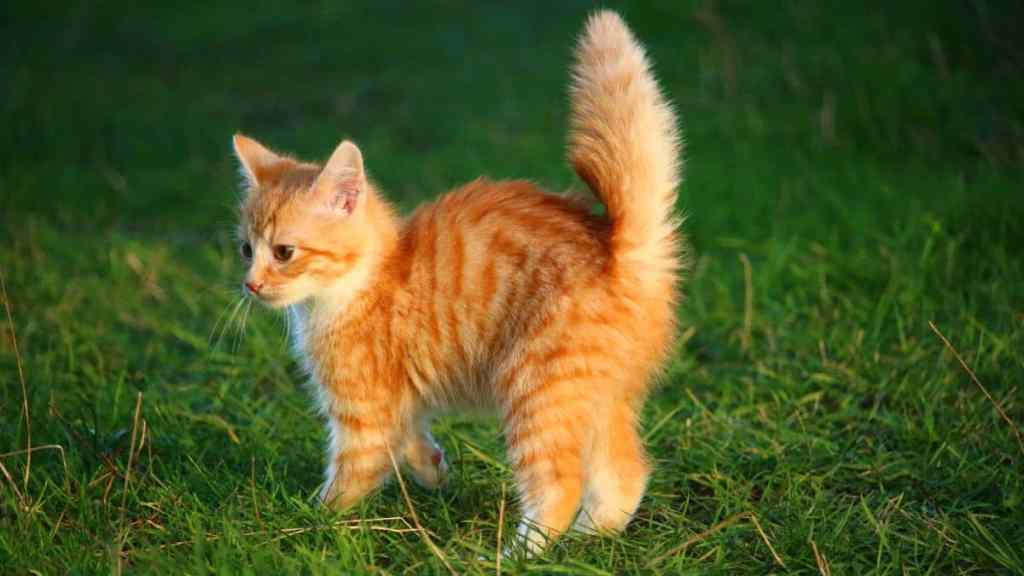
Your cat’s tail is one of their most expressive features, acting as a mood barometer that can change in an instant. Whether it’s a relaxed flick or a sudden puff, their tail reveals exactly how they feel in that moment. Understanding their tail movements can help you gauge everything from contentment to discomfort — and make your interactions more respectful and intuitive.
🐾 Tail Held High
Meaning: Confident, friendly, happy to see you
- A raised tail with a slight curve at the tip often signals a relaxed, happy cat.
- Common when greeting you at the door or feeling especially social.
Best Response: This is the perfect time to engage. Try offering a gentle scratch or a pet.
🐾 Tail Low or Tucked
Meaning: Nervous, unsure, or submissive
- A low or tucked tail can indicate that your cat feels threatened, unsure, or submissive.
- If it stays tucked against the body, this is often a sign of anxiety or fear.
What to Do: Give them space and avoid pushing interaction. Assess the environment for potential stressors.
🐾 Puffed-Up Tail
Meaning: Scared or startled
- A fluffy, puffed-up tail is a classic sign that your cat is frightened or defensive.
- Typically seen alongside a tense, arched back — think of the “Halloween cat” pose.
Best Response: Don’t approach immediately. Let them calm down on their own time, and avoid sudden movements.
🐾 Slow Tail Flick or Swish
Meaning: Focused, alert, possibly irritated
- This slow flicking or swishing often occurs during moments of intense focus, like hunting or play.
- If they flick slowly while being petted, it may indicate they’ve had enough.
What to Do: If you see this, stop petting them. Respect their personal space to avoid a warning swipe.
🐾 Rapid Tail Thumping or Lashing
Meaning: Agitation or anger
- When a cat’s tail is thumping rapidly or lashing back and forth, it’s a sign of agitation or frustration.
- This can escalate quickly to hissing, biting, or other aggressive behaviours.
Best Response: If this happens during cuddles, your cat is overstimulated. Immediately stop the interaction and give them space to calm down.
Ears: The Feline Radar
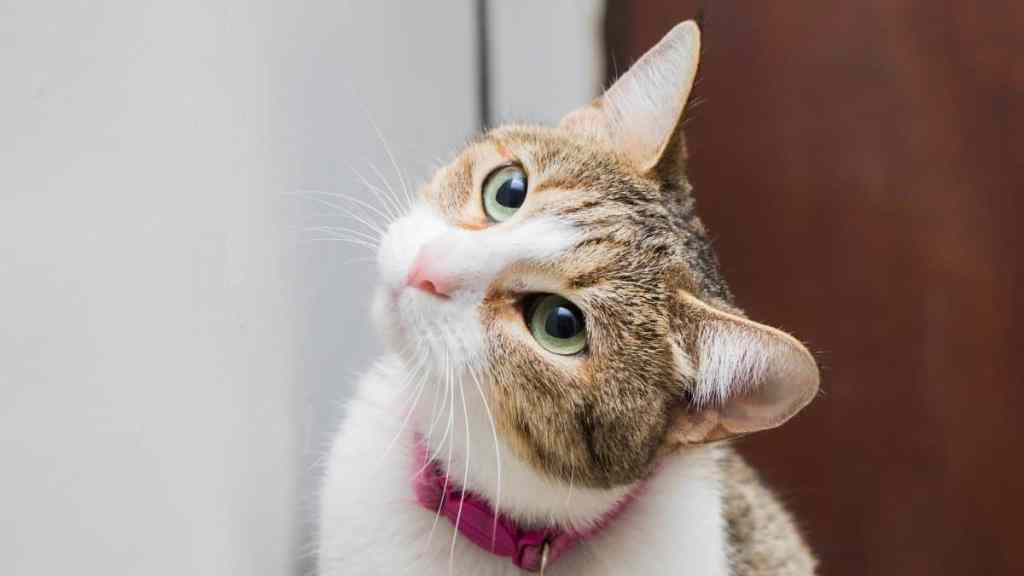
A cat’s ears are incredibly expressive. They serve as a real-time emotional radar, revealing a lot about their current state of mind. The position and movement of their ears indicate whether they’re curious, relaxed, fearful, or agitated. Learning to read these signals helps you understand what your cat is feeling and how best to interact with them.
🐾 Ears Forward
Meaning: Curious, interested, relaxed
- Forward-facing ears often appear when a cat is focused or exploring.
- Common during playtime or when they’re intently watching something.
Best Response: Approach with a calm voice or try offering a toy for engagement.
🐾 Ears Slightly Sideways
Meaning: Cautious or uncertain
- This ear position is often seen when a cat is assessing something or is unsure.
- It’s a neutral pose — they’re not relaxed but not aggressive either.
Best Response: Offer gentle reassurance or provide space for your cat to decide if they want further interaction.
🐾 Ears Back or Flattened
Meaning: Angry, scared, or overstimulated
- Ears pinned back or flattened against the head often signal anger or fear.
- It’s a classic prelude to a swipe or a defensive stance, often accompanied by low growls or dilated pupils.
What to Do: Avoid touching and approach cautiously, moving slowly to give them space. Keep a close eye on their body language for potential escalation.
Eyes: Windows to Your Cat’s Soul (Sort Of)
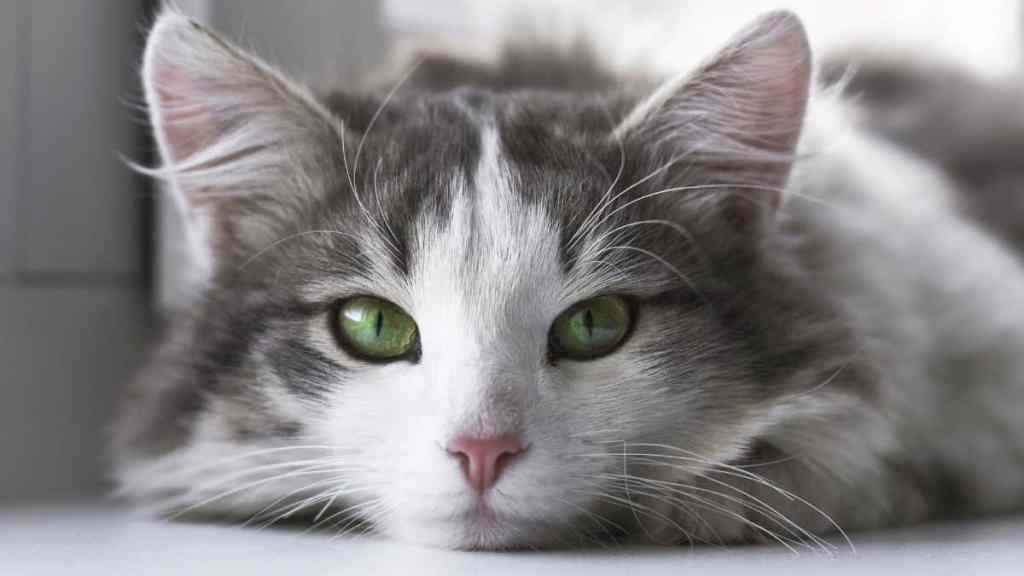
Cats express a lot through their eyes — not just with movement, but also the shape and size of their pupils. By learning to interpret these eye signals, you can gain insight into your cat’s mood and emotional state.
🐾 Slow Blink
Meaning: Affection and trust
- This is your cat’s way of saying “I feel safe with you.”
- Return the gesture by slow-blinking back — it’s a sign of mutual trust and affection.
Tip: In the cat world, blinking = bonding.
🐾 Wide Eyes with Dilated Pupils
Meaning: Excited, playful, startled, or scared
- Wide eyes and dilated pupils can mean your cat is in a state of heightened emotion.
- Context is key: Are they pouncing on a toy, or are they hiding in response to a loud noise?
- This can quickly shift from curiosity to overstimulation, so pay attention to the overall situation.
🐾 Half-Closed Eyes
Meaning: Relaxed, sleepy, content
- Often seen when your cat is lounging in a sunny spot or napping on your lap.
- This relaxed eye position is usually accompanied by purring or light grooming
Best Response: Enjoy the cuddle session — they feel completely at ease.
Whiskers: The Unsung Communicators
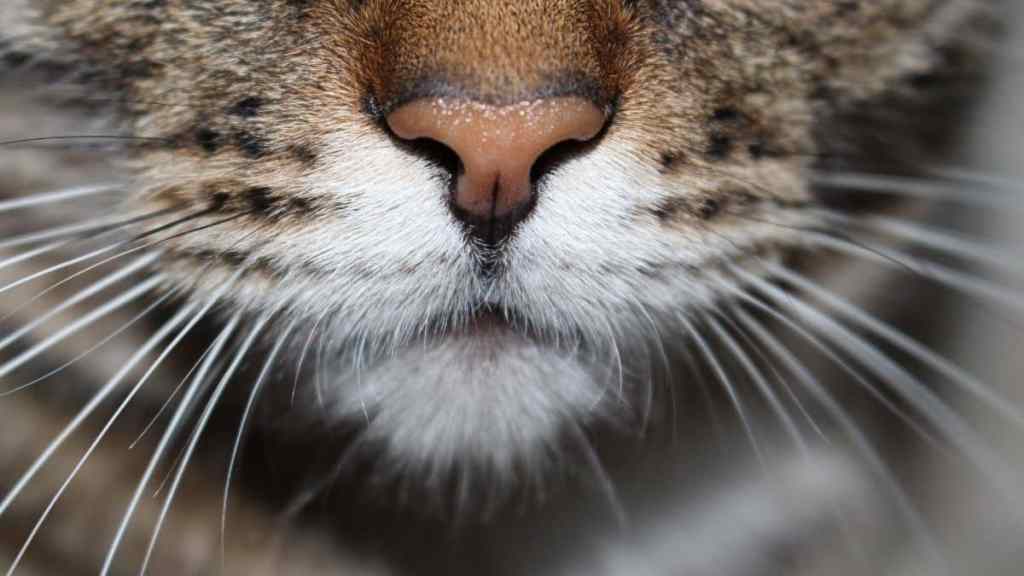
Whiskers are not just cute; they’re highly sensitive tools that serve as both sensory organs and emotional indicators. The position of your cat’s whiskers can reveal a lot about how they’re feeling.
🐾 Whiskers Forward
Meaning: Curious, alert, or hunting
- Forward-facing whiskers typically occur during play or when your cat is focused on something.
- This position indicates high energy or anticipation, as if your cat is ready to pounce or explore.
🐾 Whiskers Relaxed/Neutral
Meaning: Content, calm, or chilled out
- Whiskers in a relaxed or neutral position are commonly seen when your cat is resting, sleeping, or casually grooming.
- This is a good indicator that your cat feels secure and at ease.
🐾 Whiskers Pulled Back
Meaning: Nervous, irritated, or in pain
- When whiskers are pulled back against the face, it can indicate discomfort, stress, or fear.
- This position is often accompanied by flattened ears or a lowered head.
What to Do: Watch for signs of discomfort or stress, and if the whiskers remain pulled back, consult with a vet for possible underlying issues.
Posture: From Puffed-Up to Purring Pancake

A cat’s posture reveals a lot about their emotional state. How they hold their body communicates everything from fear to trust. By reading their body language, you’ll gain insight into how your cat is feeling in that moment.
🐾 Arched Back with Fluffed Tail
Meaning: Startled or defensive
- Your cat is attempting to appear bigger and more threatening.
- This is a classic response to sudden noises, new environments, or threats.
What to Do: Give your cat space to calm down — avoid approaching them immediately.
🐾 Rolling Onto Back
Meaning: Trust, comfort… or a potential trap!
- If relaxed: This is an invitation for interaction or affection.
- If the eyes are intense and tail flicking: This is likely not an invitation for belly rubs.
Tip: Use context clues to determine whether they want affection or are just showing you their belly defensively.
🐾 Crouched, Tense Body
Meaning: Fear, pain, or readiness to pounce
- Watch for limbs tightly tucked under the body and ears pinned back.
- This posture often indicates that your cat is in a defensive state or is preparing to hunt.
What to Do: If your cat is tense, give them space to relax or consider what might be causing their distress.
🐾 Flopped Sideways or Loafed
Meaning: Content, chilled, and happy to be around you
- Your cat is feeling completely relaxed and at ease.
- This relaxed position often includes purring or gentle tail flicks.
What to Do: This is the perfect time for gentle stroking or simply sitting with your cat for quiet companionship.
Putting It All Together: Reading the Whole Cat
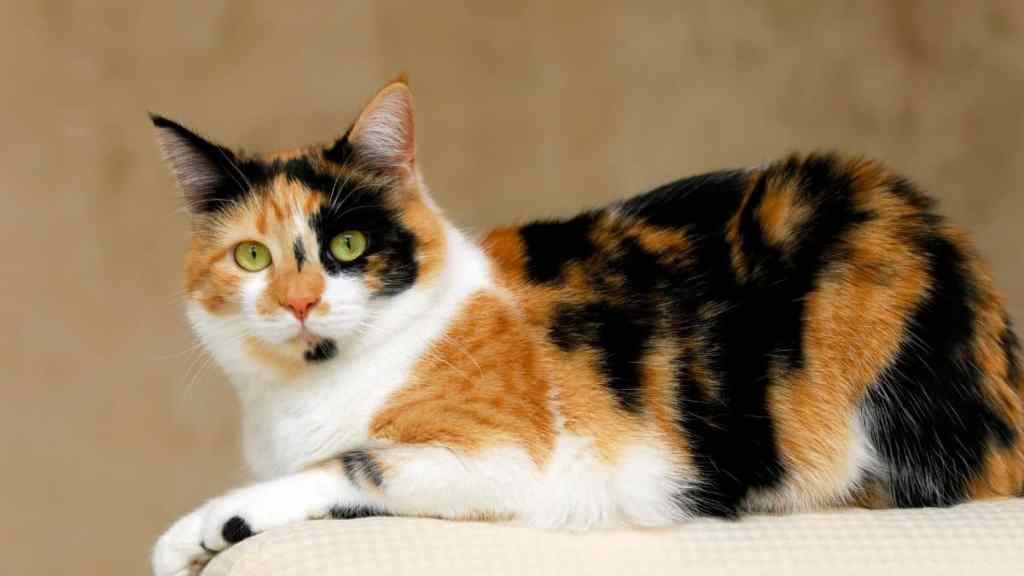
To understand how your cat feels, always assess:
- Tail movement and position
- Ear direction
- Pupil size and facial tension
- Whisker placement
- Overall posture and stillness
The more you observe your cat’s body language, the easier it becomes to spot when something is off or when they are inviting you to play, snuggle, or politely back off.
Cat Body Language Cheat Sheet – Save or Screenshot
|
🐾 Signal |
💬 What It Likely Means |
✅ Best Response |
|
Tail held high |
Friendly, confident |
Engage with soft voice or play |
|
Tail swishing rapidly |
Agitated, overstimulated |
Stop interaction, give space |
|
Ears forward |
Curious, alert |
Offer toys or interaction |
|
Ears flat/back |
Scared or angry |
Back off gently |
|
Slow blink |
Trust and affection |
Return the gesture |
|
Whiskers pulled back |
Nervous or in pain |
Monitor or consult vet |
|
Rolling onto back |
Trust or defensive (context matters) |
Proceed with caution! |
|
Loafed or sprawled position |
Relaxed, happy |
Quiet companionship, gentle strokes |
Final Thoughts
Cats don’t speak our language, but they speak volumes — with their tail flicks, slow blinks, relaxed loafs, and puffed-up arches.
Learning to “listen” with your eyes and respond with empathy not only strengthens your bond, but also helps you become a more trusted, respectful part of your cat’s world.
So next time your cat flashes you a blink, or flicks their tail during cuddles, you’ll know exactly what they mean — and how to respond with love, patience, and understanding.