We all know dogs are loyal. But some take that loyalty and turn it into something extraordinary. These are the dogs that work — not in the fetch-and-roll-over sense, but in the very real, life-changing sense.
They guide people through crowded stations. They detect seizures before they happen. They track missing hikers through wind and rain, and sniff out dangers humans can’t even see. Some spend their days by hospital beds. Others work in police vans, military units, airports, farms, conservation zones. Every one of them has a role, a purpose, and a job title — even if they can’t read it.
Working dogs aren’t just well-trained pets — they’re trained professionals. And the work they do is as wide-ranging as it is remarkable.
What Is a Working Dog?
A working dog is any dog trained to perform specific, skilled tasks that support or protect people, animals, or the environment. Their jobs can be physical, medical, emotional or even scientific — and they’re often jobs that no machine or human could do quite as well. This can include:
And while they might come from different breeds, backgrounds, or training schools, they all have two things in common: unshakable focus and a bond with their handler that runs deeper than words.
Why This Guide Matters
Working dogs are part of everyday life in the UK — often in ways we don’t see. They deserve more than admiration. They deserve understanding. In this guide, we’ll explore 10 of the most vital roles dogs play in the working world. What they do. How they’re trained. Why it matters.
Whether you’re here to learn, to admire, or just to celebrate how amazing dogs truly are — you’re in good company.
🦮 1. Guide Dogs

Helping people see the world, one step at a time.
Guide dogs are perhaps the most iconic working dogs — calm, clever, and utterly committed to their job. Trained to assist people who are blind or partially sighted, they provide far more than navigation. They offer freedom, safety, and independence.
Unlike dogs who simply follow commands, guide dogs are taught intelligent disobedience. That means if their human gives an unsafe instruction (like stepping into traffic), they’ll ignore it. Their work requires focus, memory, and quick judgement — especially in unpredictable environments like busy streets or train stations.
Their training takes around 20–24 months and includes:
- Avoiding obstacles and low-hanging hazards
- Stopping at kerbs and steps
- Navigating to known locations like bus stops or shop entrances
- Keeping a straight path through crowds
- Recognising changes in elevation or surface
In the UK, Guide Dogs (the charity) supports over 4,500 active partnerships and operates entirely on donations. The total cost of raising and training one guide dog is around £55,000 — and every penny goes towards changing someone’s daily life.
Common Breeds:
These dogs don’t just help people get around — they help people live on their own terms.
🐕 2. Service & Assistance Dogs

Independence, safety, and support — trained into every step.
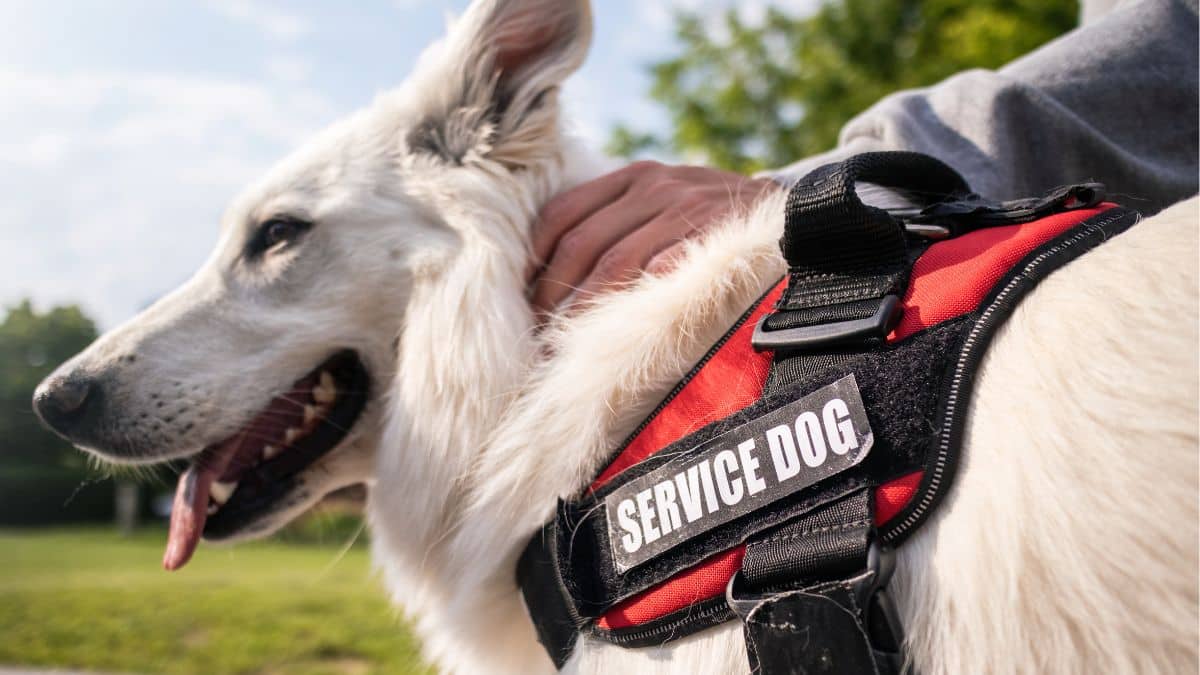
While guide dogs support those with vision loss, assistance dogs are trained to help people with a range of physical, neurological, and medical conditions. From opening doors to alerting to an oncoming seizure, these dogs are life-changing companions, especially for people with mobility challenges, autism, epilepsy, PTSD, or diabetes.
They aren’t just helpful — they’re essential. In many cases, assistance dogs allow people to live independently where they otherwise couldn’t.
Tasks They’re Trained For:
- Retrieving dropped items or fetching medication
- Opening doors, pressing buttons, or activating alarms
- Providing deep pressure therapy during anxiety or panic attacks
- Detecting changes in blood sugar, cortisol, or scent signals for seizures
- Alerting to sounds (for deaf users), or guiding someone to safety
The training is intense and highly personalised. It can take 18 months or more, and dogs are often matched carefully based on the person’s lifestyle and medical needs.
In the UK, assistance dogs trained by charities like Dogs for Good, Support Dogs, and Canine Partners are legally recognised under the Equality Act 2010, giving them public access rights similar to guide dogs.
Common Breeds:
Whether they’re calming a child during a meltdown or helping someone safely cross a supermarket, these dogs aren’t just companions — they’re partners in independence.
👃 3. Detection Dogs

When the nose knows — lives are saved.
If guide dogs are trained to lead, detection dogs are trained to sniff — with astonishing precision. These dogs use their incredible sense of smell to detect specific scents, from explosives and drugs to cancer, Covid-19, and even endangered species.
Their noses are so sensitive, they can detect a teaspoon of sugar in an Olympic-sized swimming pool. But more impressively, they can be taught to find that scent among thousands of others, in chaotic or high-pressure environments.
What They Can Detect:
- Illegal drugs and narcotics (airports, festivals, border checks)
- Explosives and firearms
- Cash (used in smuggling and laundering)
- Medical conditions — including cancer, Parkinson’s, malaria, Covid-19
- Agricultural pests and invasive species
- Endangered animals or illegal wildlife products
Detection dogs are used by police forces, border patrol units, hospitals, conservation teams, and security services across the UK. In recent years, they’ve even been deployed at NHS hospitals to detect disease through scent alone.
Training takes 6–12 months and focuses on scent recognition, target indication (often sitting or pawing), and working calmly in high-distraction areas.
Common Breeds:
When seconds count or stakes are high, these dogs can do what machines still can’t — and often save lives by doing it.
🧭 4. Search & Rescue Dogs
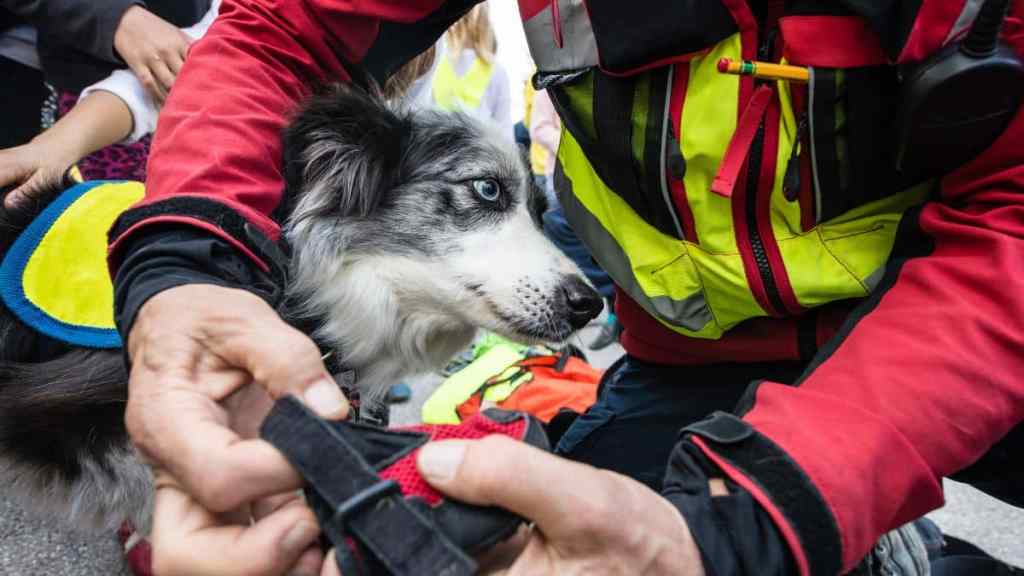
Trained to find the lost, the missing, and the trapped — fast.
When time is critical and terrain is tough, search and rescue dogs (SAR dogs) are called in to do what humans and machines often can’t: find people. Whether it’s a missing hiker in the Brecon Beacons or someone trapped under rubble after a building collapse, these dogs are trained to track, trail and alert.
They work across mountains, forests, cities, rivers, and disaster zones — often in dangerous, unpredictable conditions.
What They Do:
- Air-scenting: finding people by scent in open terrain
- Tracking/trailing: following the specific scent trail of an individual
- Disaster response: locating survivors after earthquakes, landslides or structural collapses
- Water rescue: searching for people near or in bodies of water
- Cadaver search: locating deceased persons in remote or inaccessible areas
SAR dogs are used by Mountain Rescue England & Wales, Lowland Rescue, and international disaster response teams. Their work is emotionally and physically demanding, and often voluntary.
Training can take over a year and includes obedience, agility, scent work, and working off-lead across extreme terrain — often at night and in harsh weather.
Common Breeds:
These dogs don’t just search — they save. And when someone’s lost in the dark, their bark can be the first sign of hope.
🚓 5. Police Dogs (K9 Units)
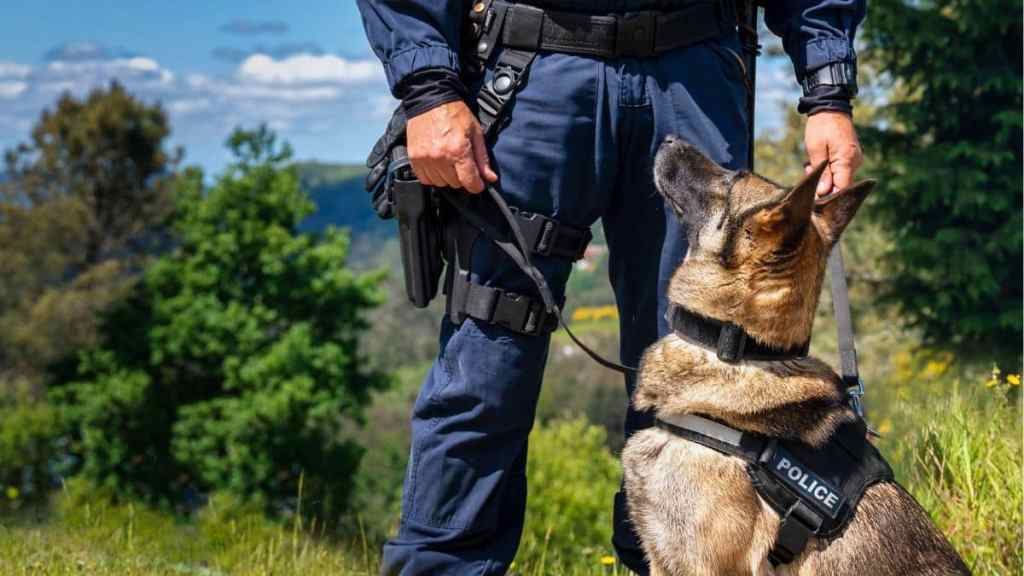
Frontline focus, fearless instincts.
Police dogs — often known as K9s — are trained to support law enforcement in some of the UK’s most high-risk situations. From tracking down suspects to crowd control at football matches, these dogs are quick-thinking, powerful, and completely dedicated to their handler.
They don’t just follow orders — they follow through, even in the most chaotic environments.
What They Do:
- Criminal apprehension – chasing, subduing, and holding suspects until officers arrive
- Tracking – following the scent trail of missing persons or offenders
- Crowd control – managing high-tension public gatherings or riots
- Evidence recovery – finding weapons, discarded clothing, or hidden contraband
- Property searches – assisting in building sweeps for drugs, firearms, or explosives
In the UK, police dogs are part of specialist K9 units and are assigned to trained handlers, forming one of the closest bonds in working dog partnerships. Dogs typically start training around 12–18 months old and work for 6–8 years before retirement.
Many are general-purpose, but some specialise in detection or firearms operations alongside armed response teams.
Common Breeds:
These dogs are highly disciplined, fearless under pressure, and trusted with responsibilities that could save lives — including their handler’s.
🧸 6. Therapy Dogs
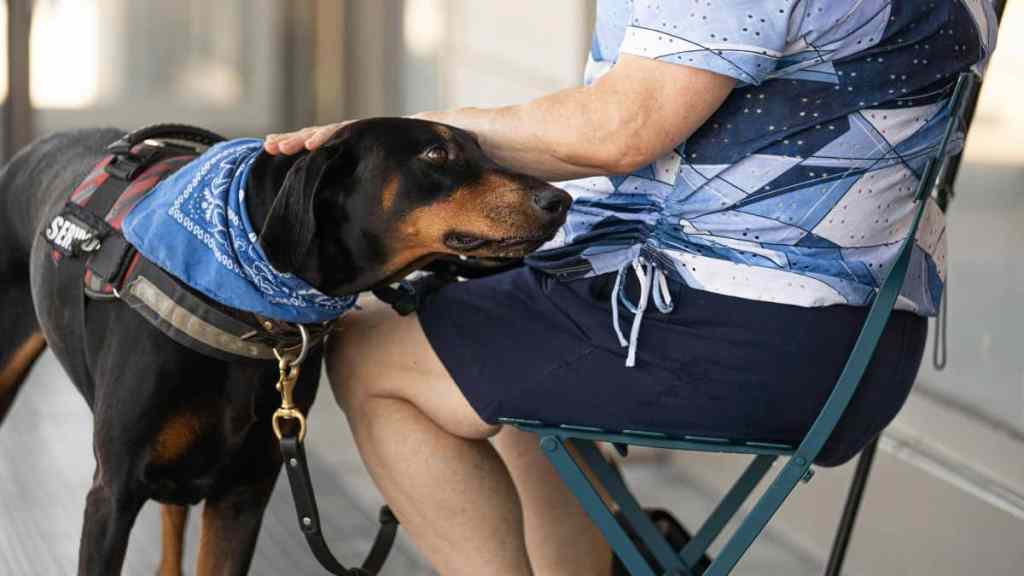
Bringing comfort, calm and connection where it’s needed most.
Unlike assistance or service dogs, therapy dogs aren’t trained to perform tasks — they’re trained to bring emotional support and companionship to people in settings like schools, hospitals, care homes, and even disaster zones.
Their strength lies in their calm, friendly presence. They don’t heal conditions, but they often ease anxiety, reduce blood pressure, and provide a moment of peace in places that can feel stressful or overwhelming.
Where They Work:
- Care homes and hospices
- Schools (to support children with anxiety, autism, or learning challenges)
- Hospitals and mental health units
- Airports and courts (as “emotional support” greeters)
In the UK, therapy dogs are often assessed and placed by organisations like Pets As Therapy or Therapy Dogs Nationwide, ensuring they’re safe, well-mannered, and comfortable with handling by strangers.
Common Traits:
- Exceptionally calm
- Non-reactive to noise, wheelchairs, sudden movement
- Friendly, but not overly excitable
Breeds Vary Widely:
From Labradors and Golden Retrievers to greyhounds, cavapoos and mixed breeds — what matters most is temperament.
These dogs don’t come with capes or titles. But their impact? Quietly life-changing.
🪖 7. Military Working Dogs
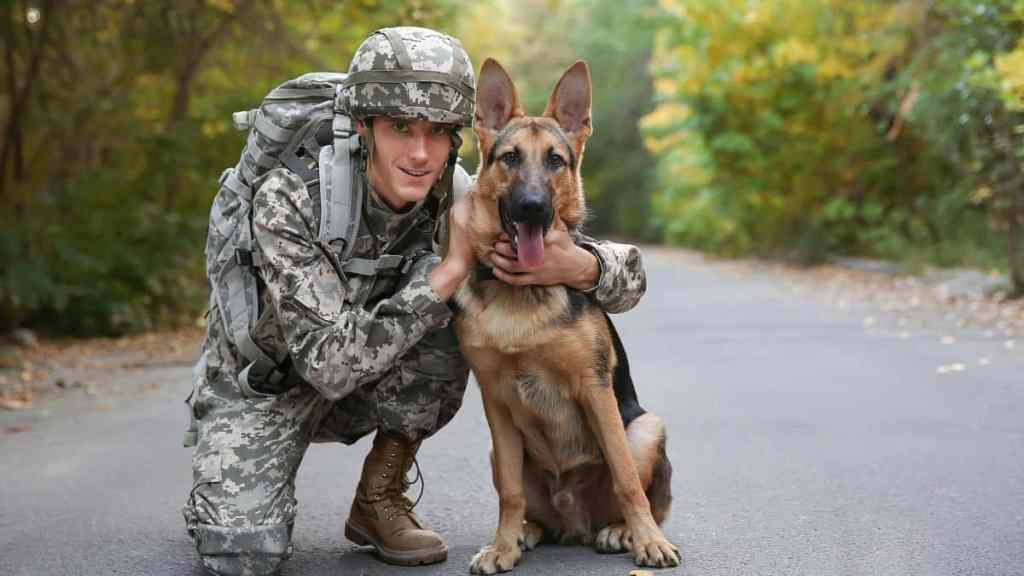
Loyal, disciplined, and vital on the front line.
Military working dogs (MWDs) are trained for high-risk, high-pressure environments — from patrolling bases to detecting explosives. In the British Armed Forces, they serve alongside soldiers, often in combat zones, and play a crucial role in keeping personnel safe during operations.
These dogs don’t just assist — they enhance tactical capability.
Roles They Perform:
- Explosives detection (IEDs, mines, ammunition caches)
- Patrol and protection (guarding military facilities and escorting personnel)
- Tracking (following enemy movement or locating hidden threats)
- Search and clearance in warzones or unfamiliar terrain
Military dogs are usually paired with a dedicated handler, forming an intensely close unit. The training is rigorous — obedience, control under gunfire, agility, and scent work — and the bond is second to none.
They are used by both the British Army and Royal Air Force, often deployed abroad, particularly in areas like Afghanistan or Eastern Europe.
Common Breeds:
Many military dogs retire to live with their handlers after service. Some even receive medals for bravery, including the PDSA Dickin Medal — often referred to as the “animal Victoria Cross.”
In war or peace, these dogs serve with everything they’ve got — and never ask for anything in return.
🐑 8. Herding Dogs
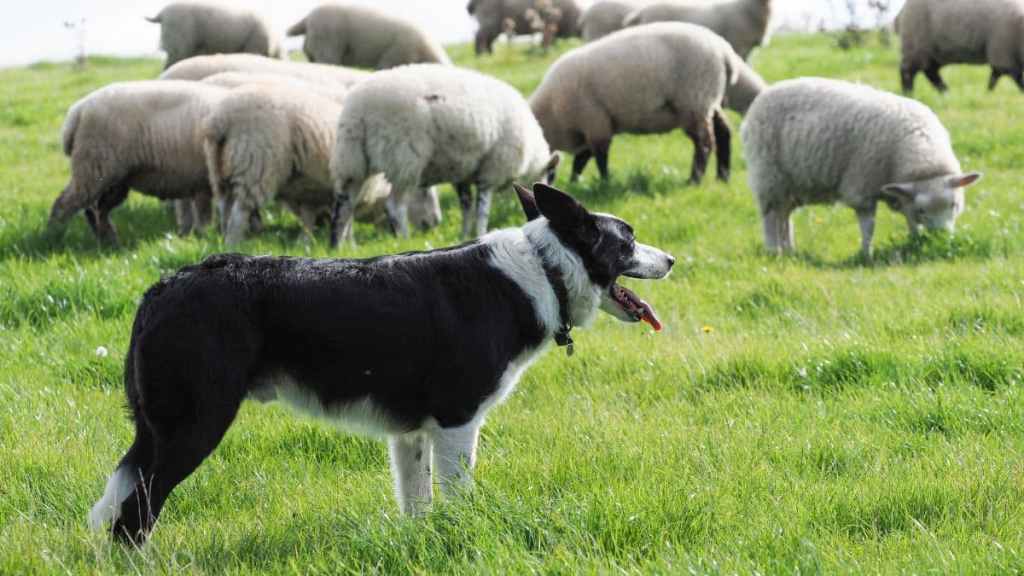
The silent professionals of the countryside.
Before working dogs wore harnesses or vests, they were managing flocks. Herding dogs are still essential to farming life across the UK, especially in sheep and cattle farming — helping farmers move animals efficiently, calmly, and safely across large and often difficult terrain.
They don’t bark orders. They read subtle cues from both sheep and handler — often working at distance with incredible precision.
What They Do:
- Move livestock between fields or into pens
- Respond to whistle commands or hand signals from hundreds of metres away
- Keep animals calm while directing movement
- Prevent straying, splitting or injury during movement
These dogs are valued for their instinct, intelligence, and stamina. They’re not just taught what to do — many are bred from generations of working dogs who’ve passed down the skill.
Training begins early and is often ongoing throughout their life. While the work is demanding, most herding dogs are deeply fulfilled by it — it’s in their DNA.
Common Breeds:
With a nod or a whistle, they spring into action — not for applause, but because this is what they were born to do.
❄️ 9. Sled Dogs
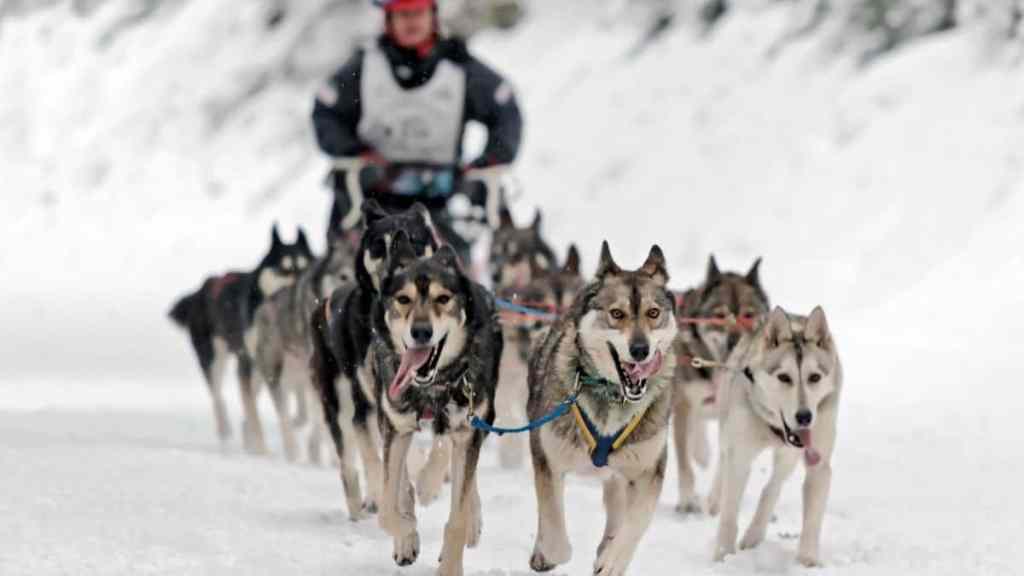
Built for ice, bred for endurance.
While you won’t find many sled teams racing through rural Yorkshire, sled dogs still represent one of the most iconic working dog roles in history. Originating in Arctic and sub-Arctic regions, these dogs were essential for transportation, hunting, and survival in some of the harshest environments on earth.
Today, they still work — in sport, tourism, and even emergency supply runs in remote areas.
What They Do:
- Pull sleds across snow and ice, often in extreme temperatures
- Travel long distances while carrying equipment, goods, or passengers
- Respond to vocal commands and work as part of a well-coordinated team
- Maintain focus and endurance over hours or even days of travel
In the UK, sled dogs may not serve essential functions anymore, but the working instinct remains strong in breeds like Huskies and Malamutes — and many take part in dryland mushing, canicross, and working dog clubs to stay mentally and physically fulfilled.
Common Breeds:
These dogs aren’t just fast — they’re fiercely resilient. When teamwork and trust are the only things between you and a snowstorm, you want a sled dog on your side.
🌱 10. Conservation Dogs

Sniffing out solutions for the planet.
Not all working dogs protect people — some protect the planet. Conservation dogs are specially trained to detect scents that help wildlife experts monitor endangered species, locate invasive pests, or collect critical ecological data. It’s one of the most specialised — and surprising — jobs a dog can do.
Their power lies in precision. Dogs can cover vast areas more quickly and more accurately than humans or machines, detecting subtle environmental cues that would otherwise go unnoticed.
What They Do:
- Track endangered animals via scat or fur samples
- Locate nests or burrows for monitoring or research
- Detect invasive plant species before they spread
- Assist in anti-poaching efforts and wildlife trafficking detection
- Monitor biodiversity in remote or delicate ecosystems
In the UK, conservation dogs have worked on projects protecting red squirrels, water voles, great crested newts, and even sniffed out bat roosts in construction zones — ensuring development doesn’t destroy vital habitats.
Common Breeds:
They might not wear a badge or a cape — but make no mistake: these dogs are helping save species, habitats, and the future of our shared world.
Final Thoughts
From guiding people through daily life to detecting disease, rescuing the lost, or protecting endangered wildlife, working dogs are more than just well-trained companions — they’re part of the essential workforce.
Some wear harnesses. Some ride in helicopters. Others simply sit quietly, sensing when someone needs comfort. But whether they’re leading, guarding, sniffing, or supporting, they all share one thing: a purpose. And for a dog, there’s no greater reward than having a job to do and a person to do it for.
As we’ve seen, working dogs come in all shapes, sizes, and specialisms. They’re found in fields, cities, labs, mountains, hospitals, airports — and sometimes, right beside someone you know.
So the next time you spot a dog at work, take a moment to appreciate what they bring to the world: focus, loyalty, instinct, and care — all wrapped in fur.