Bringing home a kitten is pure magic — tiny paws, big eyes, and that unmistakable purr. But while you’re busy cuddling and Instagramming those adorable moments, there’s a critical window you don’t want to miss: your kitten’s early socialisation period.
Helping your kitten learn about the world safely, gently, and positively during the first few months of life can shape their behaviour for life. From how they cope with visitors to whether they hide at the vet or walk in with confidence — it all starts with early experience.
Quick Answer: Why does early kitten socialisation matter?
Socialising your kitten early (especially between 2–7 weeks, ideally continuing up to 16 weeks) helps them grow into a friendly, confident adult cat. Early exposure to people, sounds, handling, and other animals reduces fear and anxiety later in life, preventing behavioural issues like aggression, hiding, or stress-related illnesses.
What is kitten socialisation?
Socialisation is the process of gently introducing your kitten to the world around them — sights, sounds, people, handling, other pets, and everyday routines.
Kittens are naturally curious, but like babies, they’re also learning what’s safe, who to trust, and how to behave. If those early experiences are positive, your kitten is more likely to grow into a calm, adaptable adult cat.
This isn’t about forcing your kitten into scary situations. It’s about building trust and confidence during a crucial stage of brain development.
When does the kitten socialisation window open?

The key socialisation window starts at around 2 weeks old and begins to close around 7–9 weeks, but social learning can continue right through to 16 weeks.
Most kittens come to their new homes at around 8–10 weeks old, so you’ll be picking up where their breeder or rescue left off. If they’ve already had some gentle exposure to humans, sounds, and safe handling — brilliant! If not, don’t worry. You can still help them catch up.

Quick Tip
The earlier you begin (safely), the better — but always go at your kitten’s pace.
What happens if you miss this window?
Kittens who miss out on early socialisation may grow into shy, fearful, or reactive cats. They might:
While older cats can still learn and adapt, it takes more time, patience, and care. Prevention really is easier than cure.
How to socialise your kitten: Step-by-step guide
You don’t need expensive tools or rigid routines to socialise your kitten. What matters most is your consistency, kindness, and awareness of their comfort level. Use the steps below to build confidence, reduce fear, and raise a sociable, well-adjusted adult cat.
1. Create a safe base
Before your kitten can explore the world with confidence, they need a space that feels completely their own. Start by setting up a quiet, secure area in your home — ideally a spare room or calm corner away from noise and foot traffic. This safe base gives your kitten time to adjust without feeling overwhelmed.
Furnish the space with everything they need:
Let your kitten explore this area at their own pace. Avoid picking them up constantly or inviting lots of visitors in straight away — your role is to provide comfort, not pressure. The goal here isn’t to introduce novelty, but to help them feel safe and in control. From this secure starting point, they’ll be much more confident as you begin expanding their world.

2. Handle with care
Early, gentle handling teaches your kitten that human contact is a normal part of life — not something to fear. It’s the key to raising a cat who’s calm during vet visits, grooming sessions, or being picked up by new people.
Start slow, especially during their first few days home. When your kitten is relaxed, gently stroke them for short periods. As they grow more confident, begin introducing different types of touch:
- Lift them briefly, then place them back down gently
- Touch their ears, paws, tail, and gently run your hand along their back and tummy
- Try lightly opening their mouth or checking their teeth, just for a second
These little experiences help desensitise them to future health checks and handling. But always go at their pace. Signs they’ve had enough include:
If you spot any of these, stop immediately and give them space. It’s all about trust — and that comes from respecting their limits.
Quick Tip
Finish each session with something positive: A treat, a toy, or soft praise helps build happy associations with being touched.
3. Introduce sounds gradually
To a kitten, your home is a symphony of strange new sounds — some curious, some startling. Without careful exposure, these everyday noises can turn into lifelong triggers for fear or anxiety. The goal isn’t to overwhelm your kitten but to help them grow up feeling calm and secure in a normal household environment.
Start by introducing common sounds during positive, relaxed moments — ideally while your kitten is eating, playing, or cuddling:
As they become more confident, you can gradually increase the volume or shorten the distance. Just watch their body language — a flicking tail or wide eyes mean it’s time to pause.
You can also use sound desensitisation playlists to gently expose them to noises they’ll encounter later in life, such as fireworks, traffic, or thunderstorms. Keep the volume low and the atmosphere calm. If they seem relaxed, reward with treats or toys.
What matters most is consistency. Over time, your kitten learns these sounds are just part of life — nothing to fear, and nothing worth hiding from.
Quick Tip
You can find desensitisation soundtracks online (like fireworks or traffic) — start at low volume and slowly increase.
4. Meet the family — and a few friends
The more positive experiences your kitten has with different people early on, the more confident and sociable they’ll become as an adult. That means fewer nerves around visitors, vets, or anyone new — and a lot less hiding under the bed.
Begin by introducing your kitten to household members one at a time, keeping voices calm and movements slow. Once they’re comfortable, gradually invite in friends or relatives. Aim for variety — not just in personality, but appearance too:
- Men and women
- Children (always supervised)
- People with glasses, hats, beards, or different accents
Ask everyone to crouch down, let the kitten come to them, and offer a treat or toy if they’re feeling shy. Avoid crowding or passing the kitten around — that can feel overwhelming. If your kitten retreats, give them space and try again another day. Socialisation should never be rushed.
These early encounters help your kitten build a mental library of what’s safe and familiar — so when the plumber shows up or your niece visits for the weekend, your cat doesn’t panic.
5. Explore textures and objects
Kittens who experience a variety of sights, textures, and environments early on are far more adaptable later in life. They’re less likely to panic when faced with change — whether it’s a new rug, a packed suitcase, or a trip to the vet.
Start by letting your kitten explore different areas of your home, one room at a time. Encourage curiosity by scattering safe objects for them to investigate, such as:
You don’t need to guide them — just create a safe space for exploring. Let them sniff, paw, climb, or even hide. Every positive experience builds confidence.
You’re not just entertaining them — you’re helping them build a toolkit for life. That includes being able to handle the unexpected without fear.
Quick Tip
Rotate objects occasionally to keep things novel, and stay nearby in case they need reassurance.
6. Introduce other pets (slowly)

If you have other animals at home, it’s crucial to introduce them carefully. A rushed or negative first meeting can lead to fear, tension, or long-term behavioural issues — especially with cats, who don’t easily forget a bad experience.
Start by keeping your kitten and existing pet(s) in separate spaces. Let them get used to each other’s scent before they meet face to face. You can do this by:
Once they seem calm with this setup, move to visual introductions. Use a baby gate, crate, or cracked door to let them see one another without contact. Keep sessions short and reward calm behaviour on both sides.
Only when both animals are relaxed should you try a supervised face-to-face meeting in a neutral space. Watch their body language closely. A wagging tail or slow blink is fine — but hissing, growling, or freezing means it’s time to pause and try again later.
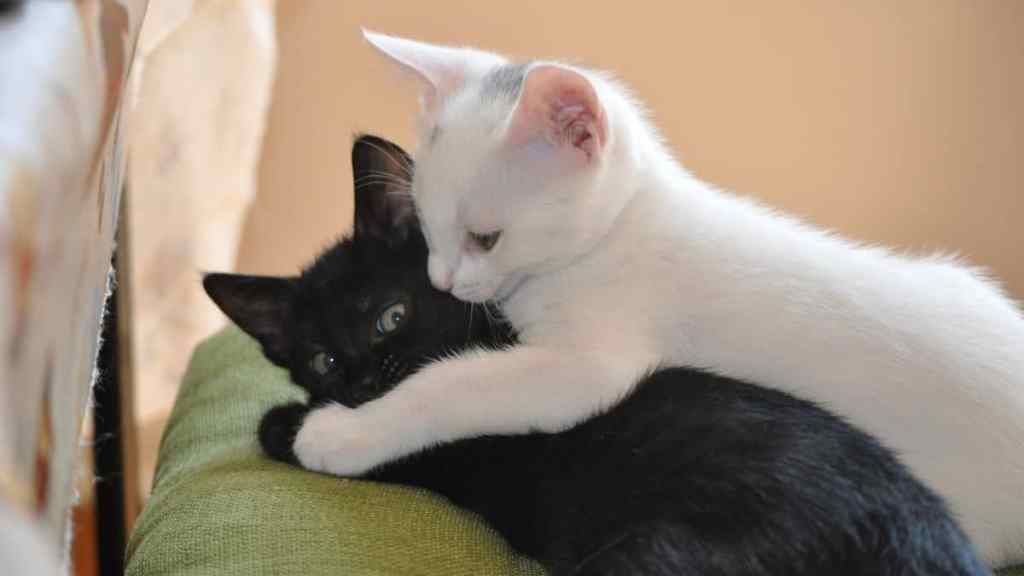
Done right, these introductions lay the foundation for peaceful co-existence — and in many cases, genuine friendship.
Quick Tip
Never leave them alone together until you’re completely confident they’re safe.
Can older kittens and rescue cats still be socialised?

Yes — while early socialisation is ideal, it’s absolutely possible to help older kittens and adult rescue cats feel safer and more confident. It just takes a little more time, consistency, and patience.
Cats past the key 16-week window can still adapt and learn, especially if they’re motivated by food, toys, or affection. The key is to build a steady routine and create low-pressure opportunities for positive experiences — letting them choose when to engage, rather than forcing interaction.
Start small:
Over time, trust builds — and with it, confidence.
⚠️ If your cat shows ongoing signs of fear, stress, or aggression, consider working with a feline behaviourist. Look for professionals accredited by APBC (Association of Pet Behaviour Counsellors) or CCAB (Certified Clinical Animal Behaviourists) in the UK.
Quick Tip
Socialisation isn’t just for kittens — it’s a lifelong process of building trust. And even the most nervous cat can surprise you with what they’re capable of, when given the chance.
Socialisation Do’s and Don’ts
Here’s a quick reference to keep you on the right track:
✅ Do:
- Start socialisation as early as safely possible
- Go at your kitten’s pace — not yours
- Pair new experiences with food or play
- Handle your kitten daily (gently)
- Introduce people, sounds, and objects gradually
- Monitor body language for signs of stress
❌ Don’t:
- Force interactions or handling
- Punish fearful behaviour (this increases anxiety)
- Overwhelm your kitten with too much, too fast
- Skip early experiences assuming they’ll “grow out of it”
Kitten Socialisation Checklist
|
Experience Type |
Examples to Introduce |
|---|---|
|
People |
Men, women, children (supervised), visitors |
|
Handling |
Stroking, lifting, touching paws/ears |
|
Sounds |
TV, hoover, washing machine, traffic |
|
Surfaces & Objects |
Wood floors, steps, bags, umbrellas |
|
Routine Activities |
Litter changes, feeding times, grooming |
|
Travel |
Car journeys, carrier familiarity |
|
Other Animals (if safe) |
Dogs, cats, small pets — gradual intros |
Final Thoughts
Socialising your kitten isn’t just about making them “friendly” — it’s about giving them the tools to feel safe, confident, and resilient in a world full of new experiences.
The earlier you start, the easier it is — but no matter their age, your kitten can always learn to trust you if you’re kind, patient, and consistent.
Think of socialisation as a gift: not just to your kitten, but to your future self. A well-socialised cat is easier to handle, happier in daily life, and better able to cope with change — from vet visits to visitors.
You’re not just raising a kitten. You’re shaping a future feline companion who feels secure in your world. And that’s a pretty amazing thing.