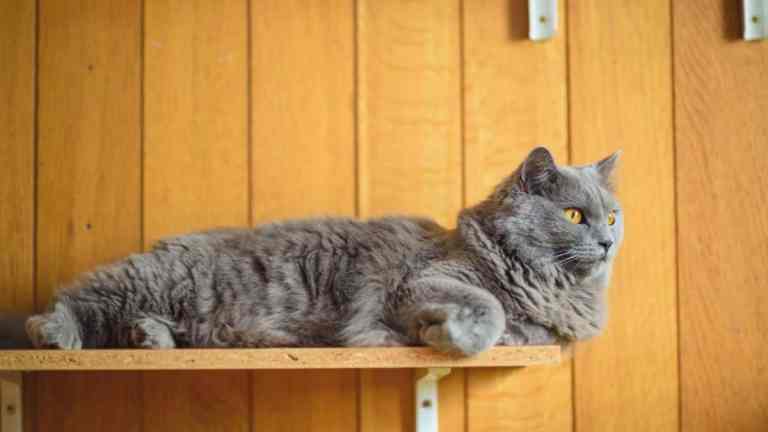
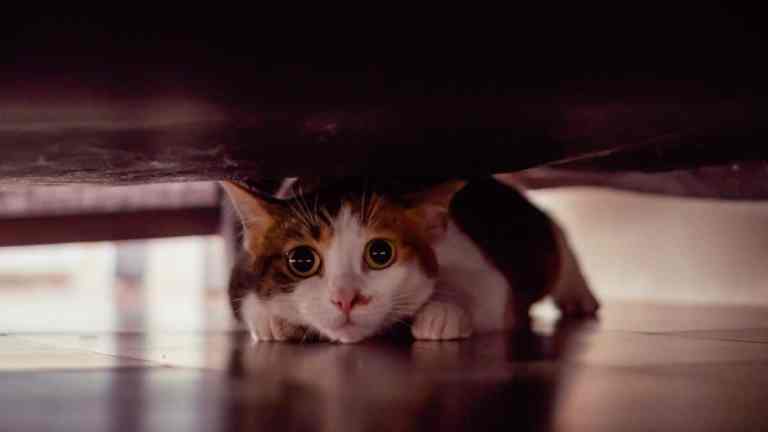
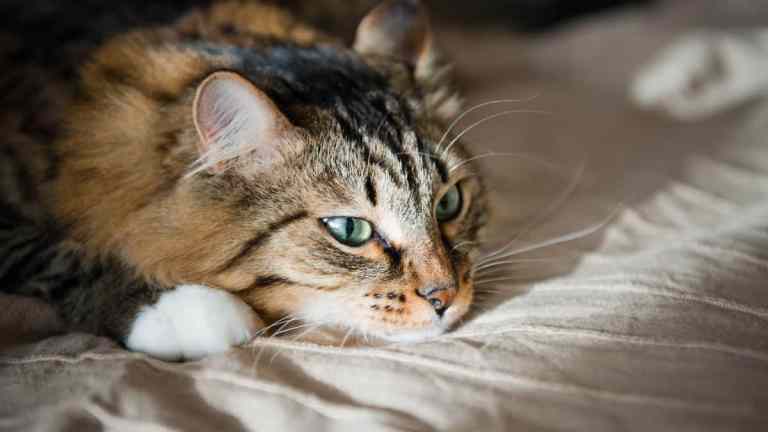
Your cat spends most of the day lounging, staring out of the window, or chasing imaginary flies across the living room wall. Is it just classic cat behaviour — or a sign they’re craving more stimulation?
Cats get bored when their environment lacks variety, play, and mental stimulation. Boredom can lead to stress, weight gain, and unwanted behaviours — but it’s easy to fix with a few changes.
This guide covers the top signs of feline boredom and what you can do to enrich your cat’s life, no matter how big or small your space.
Why Do Cats Get Bored?
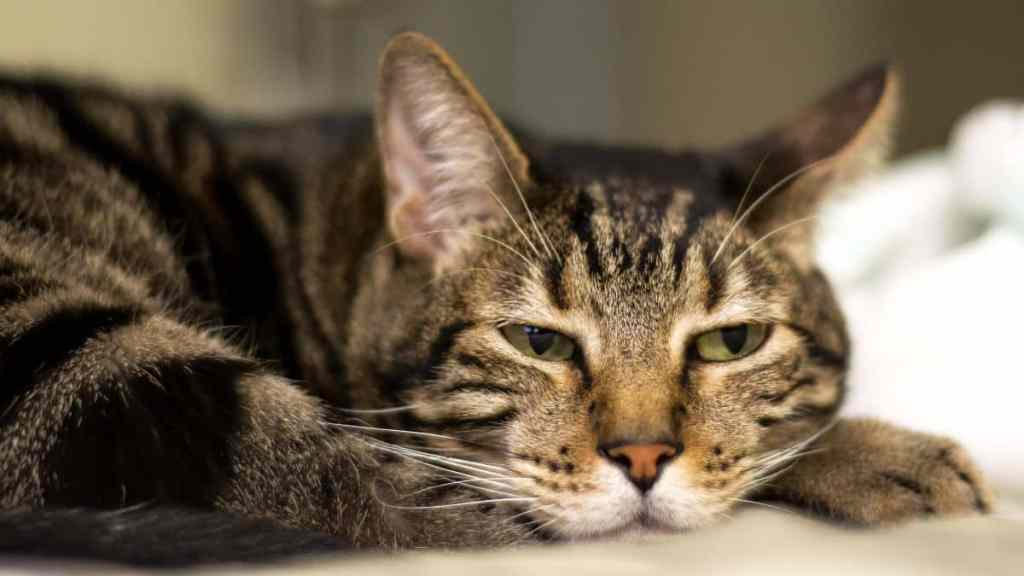
Cats may be independent, but they’re far from low-maintenance. In the wild, they’d spend hours hunting, climbing, and exploring. Indoors, without the right outlets, many become under-stimulated — especially those left alone for long stretches.
Lack of activity can cause:
That’s why spotting the early signs matters — and acting quickly can turn things around.
1. Overeating or Weight Gain
If your cat seems obsessed with food, constantly begs for treats, or snacks between meals out of boredom, it’s a red flag.
Bored cats often eat as a form of entertainment — especially if meals are the only exciting part of their day. Free-feeding or constant snacking can lead to obesity and related health problems.
What to do:
- Switch to puzzle feeders or slow-feed bowls
- Stick to a set feeding schedule
- Offer smaller meals more frequently
- Use low-calorie treats for training and play

Quick Tip
Make your cat “hunt” for meals by hiding food around the house or in interactive toys.
2. Destructive Behaviour
Chewing wires. Scratching furniture. Knocking things off shelves. Sound familiar?
Destructive behaviours are often a cat’s way of saying: “I need more to do.”
Especially common in young, energetic cats or indoor-only pets, this behaviour is a cry for stimulation, not naughtiness.
What to do:
- Add more vertical space (cat trees, shelves)
- Provide cardboard boxes, tunnels, and safe chew toys
- Rotate enrichment activities weekly
- Consider supervised outdoor time (catio or harness walks)
3. Excessive Sleeping (More Than Usual)

Cats are famous for napping — but if your cat is sleeping more than 16–18 hours a day and seems unmotivated to move when awake, boredom could be the culprit.
A bored cat often enters a “shutdown” state — sleeping just to pass the time.
What to Do:
- Create short play sessions throughout the day
- Open windows for birdwatching (with screens for safety)
- Set up a perch or hammock with a view
- Leave a radio or nature sounds playing when you’re out
4. Obsessive Grooming or Licking

Excessive grooming, fur pulling, or constant licking can be a sign of stress or boredom — especially when there’s no medical cause.
It’s a way for cats to self-soothe when they feel under-stimulated or anxious.
What to do:
- Rule out allergies or skin issues with your vet
- Increase daily play and interaction
- Offer toys that engage their brain (like treat puzzles or foraging games)
- Consider calming pheromone diffusers if stress is suspected
5. Aggressive Play or Rough Behaviour
A bored cat might turn their energy towards you — chasing feet, biting hands, or pouncing out from behind furniture.
Kittens and young adults are especially prone to this if they don’t have enough interactive play.
What to do:
- Use wand toys or fishing rods to redirect energy
- Avoid using hands or fingers during play
- End every session with a reward or treat
- Set up “prey play” twice daily — stalk, chase, pounce, catch
6. Vocalising More Than Usual
Has your cat become extra chatty? Yowling, meowing, or pacing while calling out can be a boredom signal — particularly in intelligent or social breeds like Siamese or Bengals.
It can also be a sign they’re lonely or want interaction.
What to do:
- Talk back! Use a cheerful tone to acknowledge them
- Offer a window perch or cat-safe viewing spot
- Introduce a new toy or scent for them to explore
- Consider adopting a second cat if they seem lonely (but only after careful consideration and proper introductions)
7. Lack of Interest in Toys or People

If your cat seems completely disengaged — ignoring toys, turning away from interaction, and generally acting flat — it could be boredom slipping into low mood or depression.
Don’t assume they’re just “lazy”. Cats, especially those who’ve lost a companion or had a change in routine, can emotionally shut down.
What to do:
- Try new types of toys (feathers, bells, kickers, catnip mice)
- Use scent enrichment: herbs, silvervine, valerian
- Change the layout of their space
- Gently encourage play with praise — but don’t force it
How to Keep Your Cat Stimulated Daily
Boredom busting doesn’t mean spending a fortune — just a few thoughtful changes go a long way. Here’s how to create a richer routine:
✅ Morning:
- Brief interactive play
- Scatter feed or hide dry food to “hunt”
- Window perch time with the curtains open
✅ Afternoon:
- Access to sunny nap spots or elevated shelves
- Rotate toys or bring out a cardboard box fort
- Gentle brushing session for bonding
✅ Evening:
- Second play session (before meals mimics natural hunting)
- Treat puzzle or slow feeder
- Calm cuddle time or lap sit (on their terms)
Quick Tip
Cats love novelty. Rotate toys weekly and change their environment slightly now and then — even just moving furniture or adding a new scent can spark curiosity.
Bored Cat Checklist – Save or Screenshot
|
Sign of Boredom ⚠️ |
Fix It With 💡 |
|
Constant snacking |
Puzzle feeders, structured mealtimes |
|
Destructive behaviour |
Vertical space, enrichment, rotations |
|
Oversleeping |
Birdwatching spots, interactive toys |
|
Excessive grooming |
Vet check, stress relief, scent enrichment |
|
Rough play |
Wand toys, daily hunt-style sessions |
|
Vocalising or pacing |
Engagement, environmental changes |
|
Ignoring toys/people |
Variety, slow reintroduction, confidence building |
Final Thoughts
A bored cat isn’t a bad cat — they’re a cat with unmet needs. Spotting the signs early helps you avoid bigger problems like weight gain, aggression, or emotional withdrawal.
The best solution? Daily interaction, a varied environment, and permission to be a cat — climbing, scratching, playing, and exploring.
With a little effort, you can turn your cat’s world from “meh” to marvellous. And nothing’s more rewarding than seeing them light up with curiosity again.