Quick answer: How do I know if my dog is stressed?
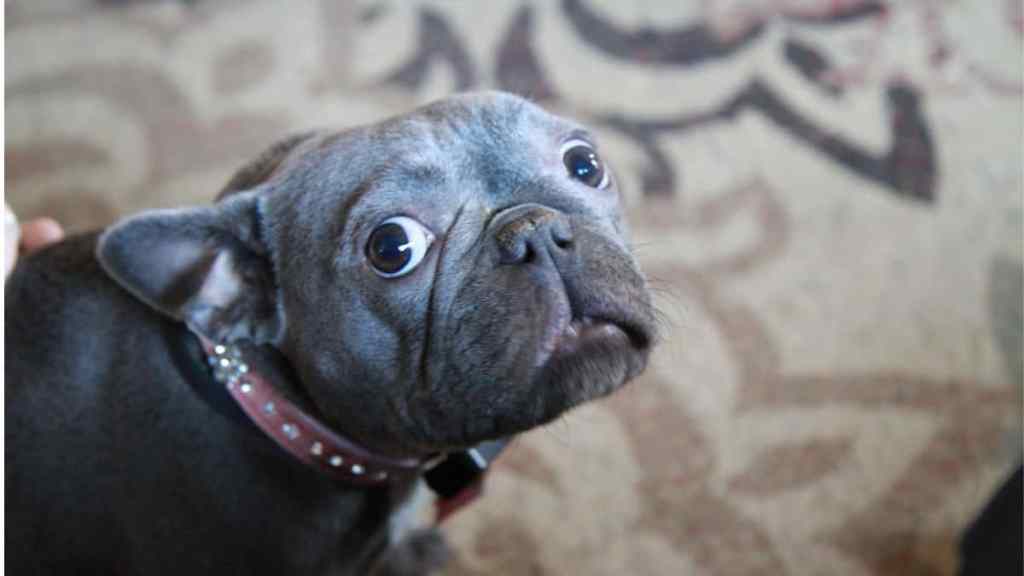
Common signs of stress in dogs include excessive yawning, lip licking, whale eye (showing the whites of their eyes), tucked tail, panting when not hot, avoiding eye contact, and shedding more than usual. These signals are easy to miss because they’re subtle — but learning to read them helps you remove your dog from stressful situations before they escalate.
Dogs can’t tell us when they’re uncomfortable, but they’re constantly communicating through body language. The problem is, many stress signals look like normal behaviour to the untrained eye — or worse, they’re misread as the dog being “guilty” or “dramatic.”
Here are 7 signs your dog might be stressed — and what to do about them.
1. Yawning When They’re Not Tired
Dogs yawn when tired, but stress yawns are different — they’re often more intense and happen at odd times, like at the vet, during thunderstorms, or when meeting new people. Watch for yawning combined with other stress signals.

2. Lip Licking and Nose Licking
This is often seen when someone leans over your dog, stares at them directly, or invades their personal space. It’s their way of saying “I’m not a threat, please back off.”
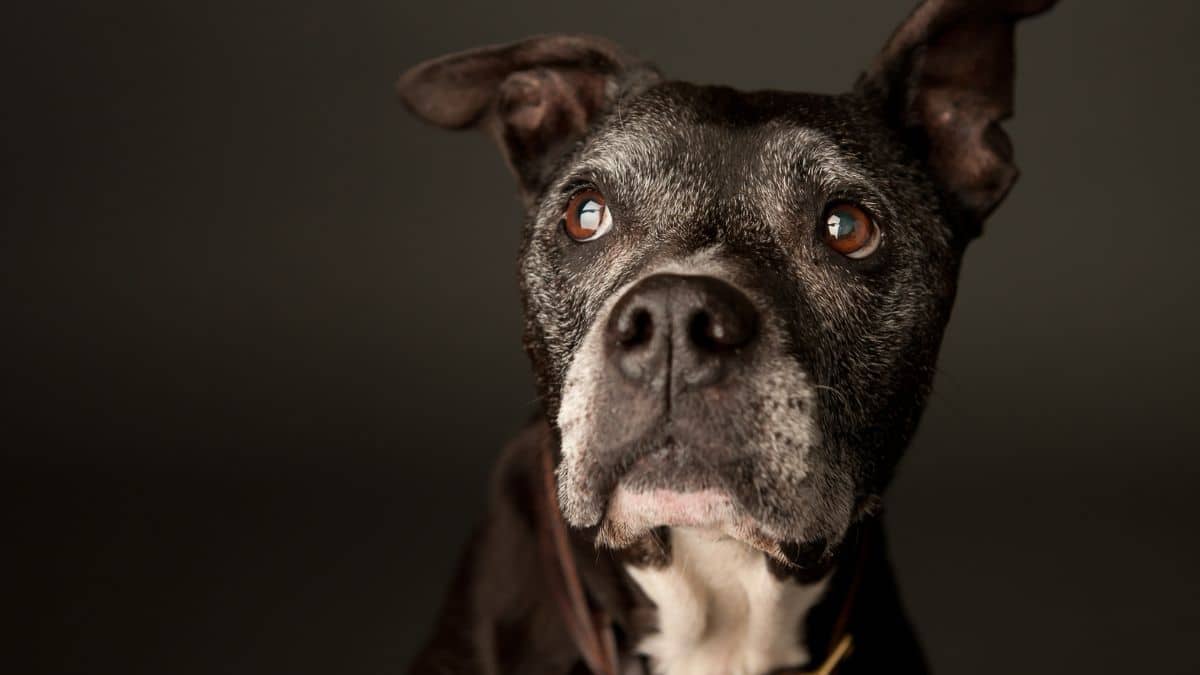
3. Whale Eye (Showing the Whites)
Whale eye is a warning sign. Your dog is uncomfortable and may escalate to growling or snapping if the stressor doesn’t go away. You’ll often see it when someone hugs a dog who doesn’t enjoy hugging (which is most dogs).
4. Tucked Tail or Low Body Posture
Many people mistake this for “guilt” — but dogs don’t feel guilt the way we do. That tucked tail after they’ve chewed something is actually fear of your angry tone, not remorse about the chewing.
5. Panting When It’s Not Hot
Stress panting is common at the vet, in the car, or during fireworks. If your dog pants heavily in situations where they shouldn’t be hot or tired, anxiety is likely the cause.
6. Avoiding Eye Contact or Turning Away
When a dog turns away from someone or something, they’re asking for space. Respect this — forcing interaction when they’re clearly uncomfortable increases stress and erodes trust.

7. Excessive Shedding or Dandruff
This is one of the more dramatic stress responses. If your dog sheds excessively in specific situations (vet visits, car rides), it’s a clear sign they find those experiences stressful.
What to Do If Your Dog Is Stressed
Final Thoughts
Learning to read your dog’s stress signals is one of the most valuable skills you can develop as an owner. Dogs give us plenty of warning before they escalate to growling or snapping — but only if we know what to look for.
When you spot these signs, your job isn’t to force your dog through the discomfort — it’s to advocate for them. Remove them from stressful situations, give them space to recover, and work gradually on building positive associations with their triggers.