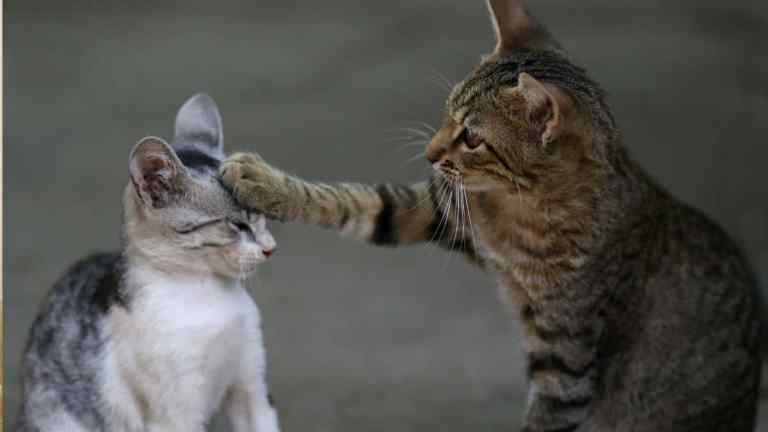
Cats are famously stoic — and that makes spotting pain tricky. In the wild, showing weakness makes them vulnerable, and even on your sofa at home, that instinct still runs deep.
So how do you know if your cat is hurting? Subtle changes in behaviour, posture, and expression can all hint that something’s wrong. Recognising these signs early can prevent suffering — and might even save their life.
In this guide, we’ll cover expert-backed signs of feline pain and the steps to take if your cat seems “off.” Whether it’s physical discomfort or emotional stress, we’ll help you decode the signs and act quickly.
Can Cats Really Hide Pain That Well?
Yes — and they’re masters at it.
Cats instinctively hide pain to avoid appearing vulnerable, which means even attentive owners can miss the signs. What seems like a moody moment or a lazy day could actually be your cat coping with discomfort.
That’s why it’s essential to tune into your cat’s normal behaviour — and notice when something changes. A subtle shift might be the only clue they give you.
Behavioural Signs Your Cat Might Be in Pain
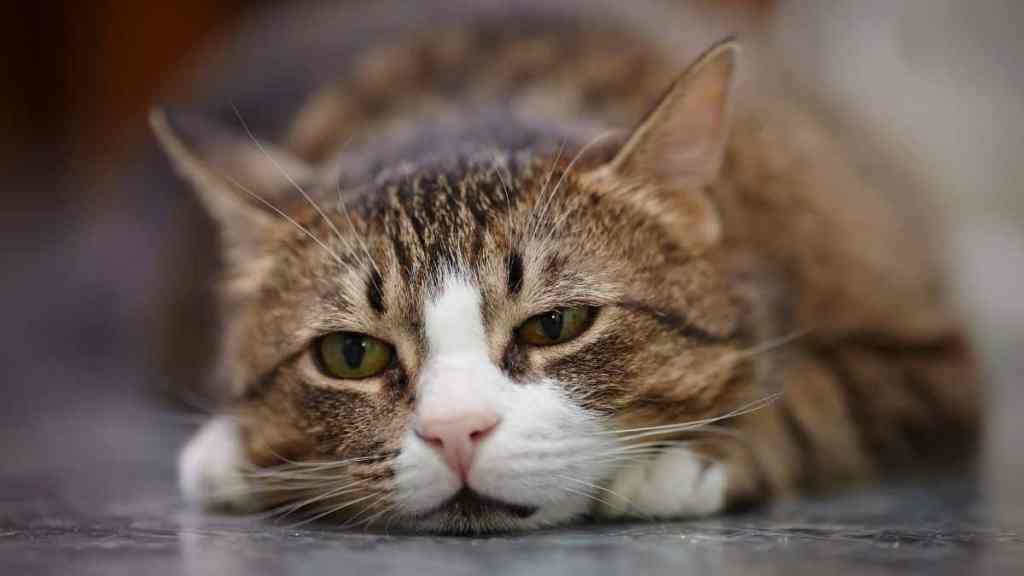
Cats often communicate discomfort through changes in their behaviour long before physical symptoms appear. These shifts can be subtle or sudden, but they’re almost always meaningful. The trick is spotting the difference between “just being a cat” and something more serious.
Here’s what to look out for:
Withdrawal or Hiding More Than Usual
If your usually sociable cat is suddenly spending hours tucked away under furniture or in unfamiliar hiding spots, it could be a red flag. Pain makes cats seek out quiet, low-traffic areas where they feel secure.
💡 Especially important if they’re normally confident and outgoing.
Changes in Appetite or Drinking
Pain — especially in the mouth, abdomen, or joints — can put your cat off their food or make it harder for them to eat. They might show interest in food but back away, refuse dry food, or drink less than usual.
💡 Dental discomfort is a common cause — if they’re hungry but struggling, get it checked.
Changes in Toileting Habits
If your cat starts urinating or pooing outside the litter tray, don’t assume it’s behavioural. It could be painful for them to climb in or squat. Straining, avoiding the tray, or accidents near it might point to joint issues, constipation, or urinary pain.
💡 Keep litter trays easily accessible and low-entry if mobility’s an issue.
Aggression or Sudden Irritability
Cats in pain may lash out — even at their favourite humans. If they flinch when touched or become aggressive during petting (especially around the back, hips, or stomach), something could be hurting.
💡 Irritability is often misunderstood — it can be a pain response, not a personality shift.
Physical Changes That Signal Pain in Cats
Beyond behavioural clues, your cat’s body can reveal discomfort in subtle but telling ways. These physical signs are often mistaken for ageing, laziness, or fussiness — but they could be your cat’s quiet way of asking for help.
Limping or Stiff Movement
Any hesitation when jumping, stiff legs after sleep, or shorter, awkward strides can be signs of pain — especially in the joints. Some cats will “bunny hop” upstairs or avoid higher surfaces altogether.
💡 Watch closely during play or post-nap stretches — that’s when signs often show.
Overgrooming or Lack of Grooming
Cats in pain might lick a specific spot obsessively, often over joints or areas of nerve discomfort. Others may stop grooming altogether if movement causes pain, leading to matted or greasy fur — particularly along the back.
💡 A sudden drop in grooming is rarely laziness — it’s often a cry for help.
Facial Expression Changes (The “Cat Grimace”)
Veterinary studies use the Feline Grimace Scale to assess pain through facial cues. Look for squinted eyes, flattened ears, tight lips, and whiskers pulled back or forward unnaturally.
💡 If their face looks different — pay attention. Cats don’t exaggerate pain.
Less Obvious Pain Indicators in Cats
Not all signs of pain are physical. Some creep in quietly, disguising themselves as quirks or personality shifts. But if you’re tuned into your cat’s normal behaviour, these subtle changes are loud enough to raise concern.
Changes in Vocalisation
Cats in pain may become more vocal — or go unusually quiet. Listen for:
💡 Any shift in vocal patterns is worth noting, especially if it comes out of the blue.
Panting or Rapid Breathing
Unlike dogs, cats almost never pant. If your cat is breathing heavily, panting, or holding their mouth open, it’s not normal — and it could indicate pain, stress, or a medical emergency.
💡 Unless it’s extreme heat or intense play, call your vet.
Lack of Interest in Play or Affection
Pain often robs cats of joy. A cat who normally plays, cuddles, or purrs but now avoids toys or people could be in distress. It’s not just grumpiness — it’s a possible red flag.
💡 Don’t write it off as “just getting older” — age and pain are two different things.
What Causes Pain in Cats?
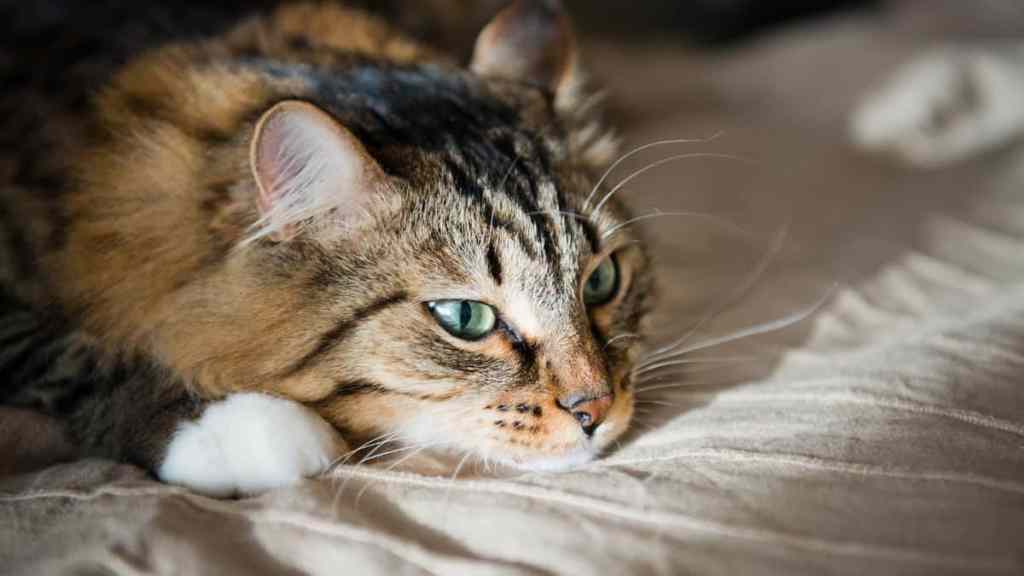
Pain in cats can stem from a wide range of conditions — and many of them are more common than people think. Some causes are visible, like injuries, while others (like dental or joint issues) can go unnoticed until your cat starts showing subtle symptoms.
Here are some of the most frequent sources of feline pain:

Quick Tip
If your cat’s behaviour changes suddenly or you notice more than one pain sign — don’t guess. Get them checked by a vet.
What Should I Do If I Think My Cat Is in Pain?
If something feels off with your cat, don’t wait and hope it goes away. Cats rarely show pain until it’s significant — so any unusual behaviour is worth paying attention to. Here’s how to respond:
✅ Step 1: Observe and Take Notes
Keep a short log of what you’re seeing:
- What exactly has changed? (e.g. limping, hiding, loss of appetite)
- When did it start?
- Is it worse at certain times or triggered by anything specific?
This helps your vet get a clearer picture, especially if your cat acts normal during the visit.
✅ Step 2: Book a Vet Appointment
Even if it doesn’t seem urgent, book in. Early treatment can make a huge difference — especially with dental pain, arthritis, or internal issues that worsen over time.
Your vet will:
- Do a physical examination
- Check teeth, eyes, joints, and abdomen
- Recommend tests or offer pain relief based on findings
✅ Step 3: Never Give Human Painkillers
Paracetamol, ibuprofen, aspirin — all toxic to cats, even in small doses. These drugs can cause severe liver or kidney damage and should never be used. Only give medication prescribed specifically for your cat, by a vet.
Quick Tip
Keep a list of your cat’s recent behaviours handy on your phone — it’s easier to recall during a vet visit than trying to remember everything on the spot.
How Vets Treat Pain in Cats
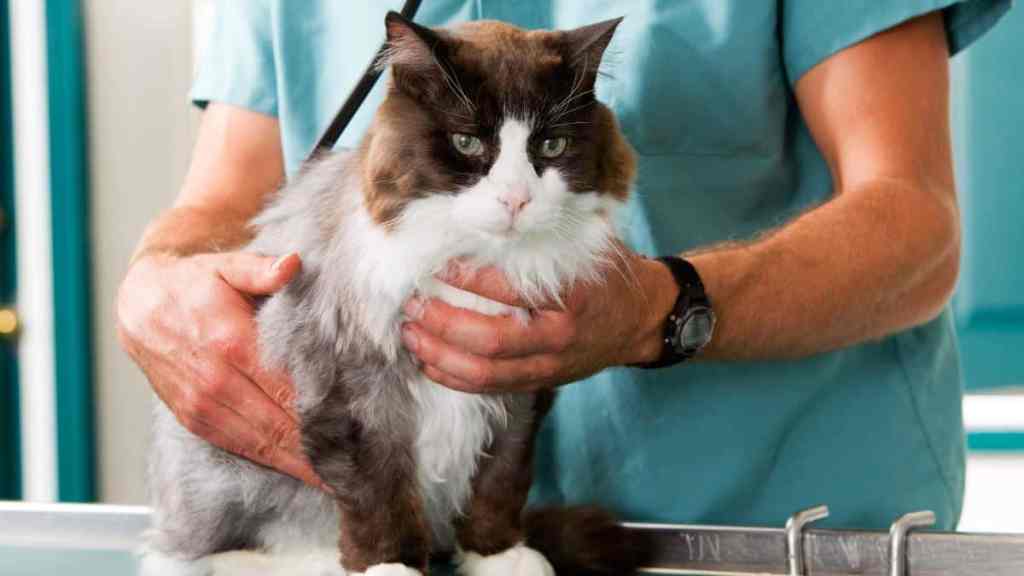
Once your vet identifies what’s causing your cat discomfort, they’ll tailor a treatment plan to manage or relieve the pain. The goal isn’t just to treat the issue — it’s to help your cat feel like themselves again.
Common Treatment Options:
Prescription Pain Relief
Vets may prescribe NSAIDs (non-steroidal anti-inflammatory drugs), gabapentin, or other pain meds, depending on your cat’s age, health, and condition. These reduce inflammation and make day-to-day life easier.
Joint Supplements
Glucosamine, omega-3s, and other supplements can support cats with arthritis or mobility issues. These are often used long-term and can be added to food.
Dental Treatment
Dental pain is common and easily missed. Vets may recommend extractions or cleaning under anaesthesia to resolve the issue.
Surgery
In cases of injury, tumours, or blockages, surgical intervention may be necessary — followed by pain management during recovery.
Lifestyle Adjustments
For chronic conditions like arthritis, simple changes at home can make a big difference:
Quick Tip
Many cats with chronic pain show huge improvements once they start pain relief. You might notice more playfulness, purring, or grooming — like they’ve turned back the clock.
Final Thoughts
Cats might be masters at masking pain, but that doesn’t mean we can’t spot it — if we know what to look for. Subtle changes in their behaviour, body language, or habits often speak volumes.
Whether it’s skipping meals, hiding away, or suddenly flinching when touched, these little clues are your cat’s way of asking for help. And acting early doesn’t just ease their discomfort — it protects their long-term wellbeing.
If you’ve spotted something that feels “off,” trust your instincts and talk to your vet. Your cat can’t tell you what’s wrong — but you can be their voice.