If your cat’s claws are clicking on the floor, snagging your clothes, or shredding the corner of your sofa (again), you might be wondering: should I trim their claws? It’s a common question — and a good one.
While cats usually manage their nails naturally, there are times when trimming is helpful or even necessary. But how do you know when to step in? And more importantly — how do you do it safely?
This guide walks you through the pros, cons, and correct technique for trimming your cat’s claws, so you can make the best choice for your feline friend.
Quick Answer: Should you trim your cat’s claws?
You don’t always need to trim your cat’s claws — most cats maintain them naturally. But in some cases, such as with indoor cats, elderly cats, or when claws become overgrown or painful, trimming can help. It should be done carefully, using proper tools, and never as a substitute for scratching posts or play.
Do Cats Need Their Claws Trimmed?
In the wild, cats wear down their claws through climbing, hunting, and roaming. Domestic cats — especially those living indoors or in less active homes — don’t always get enough natural wear. That can lead to overgrown, sharp, or even ingrown claws.
So, trimming isn’t about vanity — it’s about health, comfort, and avoiding painful problems down the line.
You might need to trim your cat’s claws if:
But for many cats — especially young, healthy outdoor ones — claw trimming may never be needed.
Pros and Cons of Claw Trimming
Like most aspects of cat care, trimming claws has both benefits and risks. It’s not something every cat needs — and when done incorrectly, it can do more harm than good. Here’s what to weigh up before you reach for the clippers.
Pros: Why Trimming Can Help
Cons: What To Be Careful About

Quick Tip
Never declaw. In the UK, declawing is illegal and considered a serious welfare violation. It removes part of the toe bone — not just the nail — and can cause lifelong pain and behaviour issues.
How to Safely Trim Your Cat’s Claws
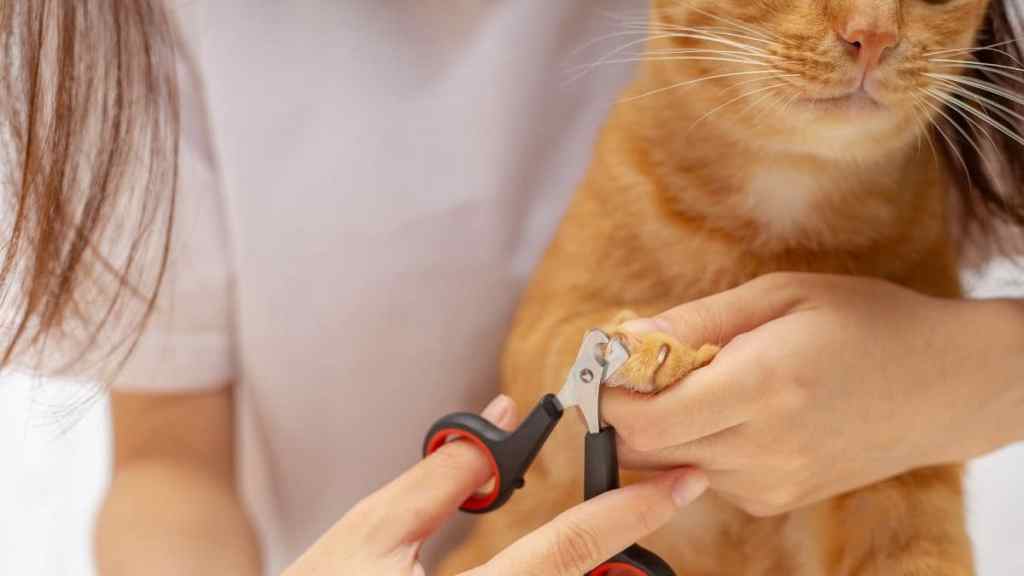
If you’ve weighed up the pros and cons and decided trimming is right for your cat, it’s important to approach it calmly, confidently, and with the right tools. Done gently, it can be a simple, stress-free part of your regular care routine — and even a bonding moment with your cat.
✂️ What You’ll Need:
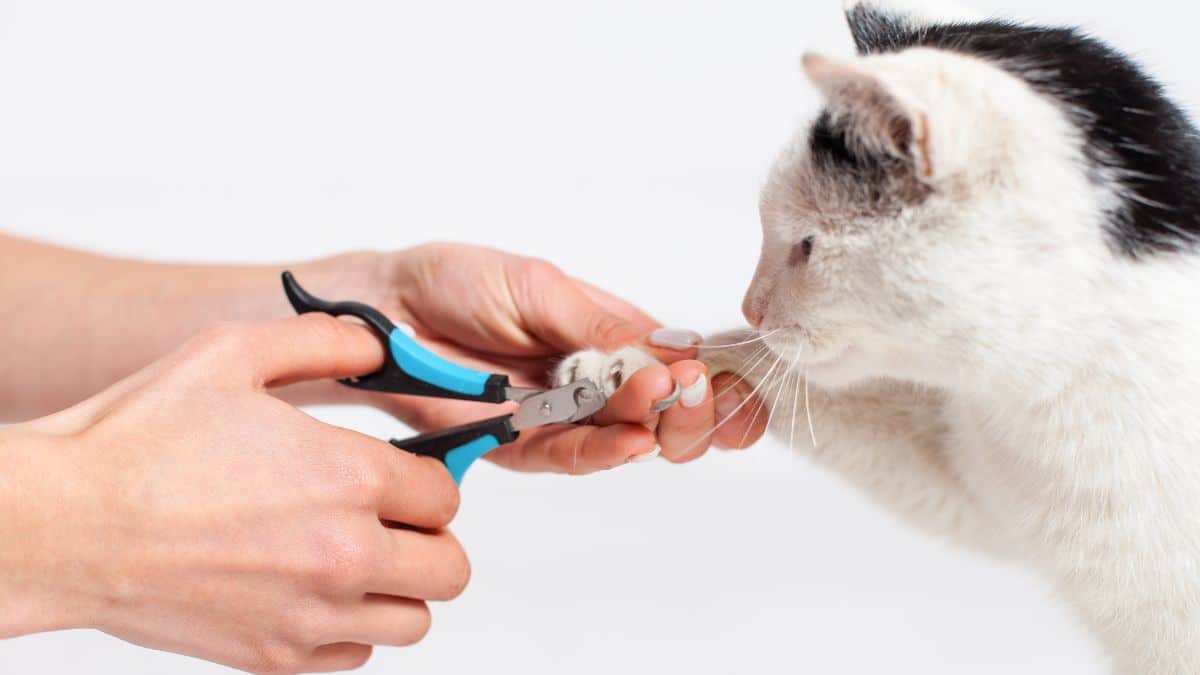
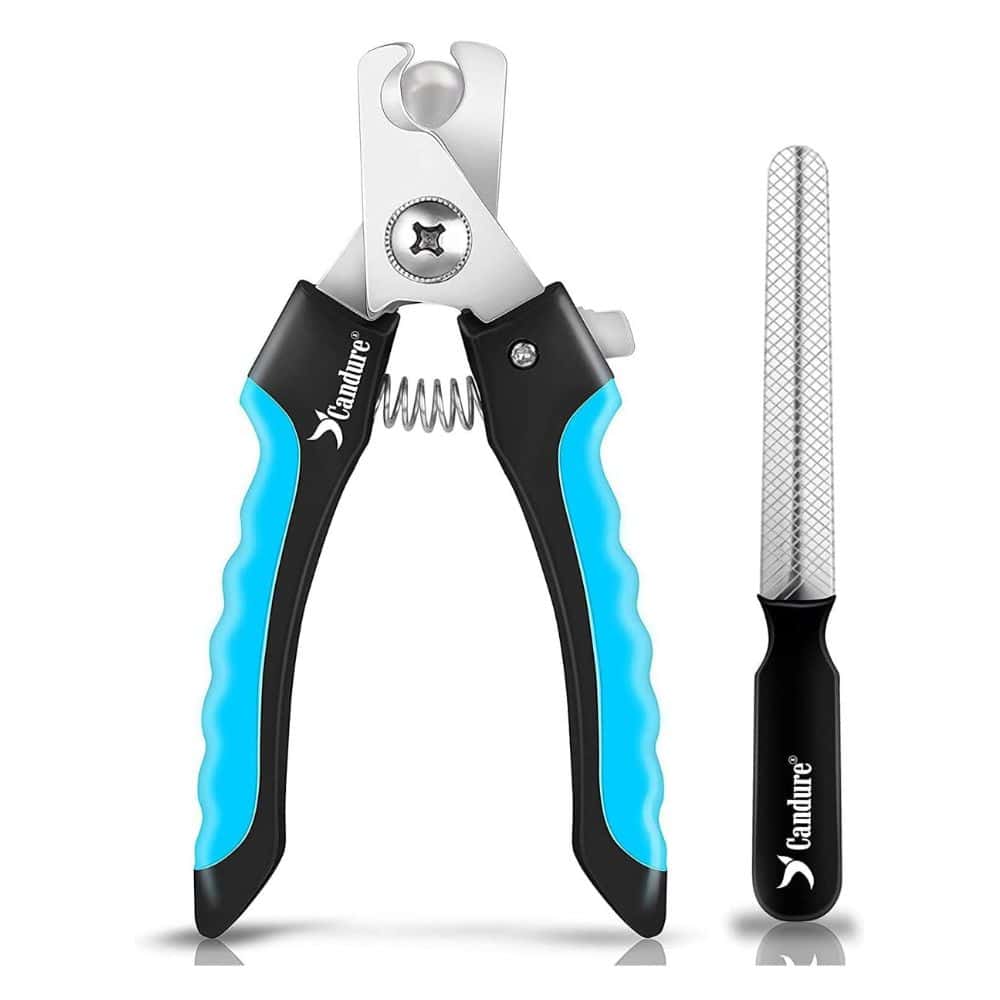
- Cat-specific nail clippers (scissor or guillotine-style) – A solid, easy-to-handle option like the Candure Pet Nail Clippers is a great pick. Designed for both cats and small dogs, it comes with a safety guard and ergonomic grip — ideal for home use.
- Treats or rewards for afterwards
- A soft towel (to gently hold or wrap your cat if needed)
- A helper, if your cat tends to wriggle
- Styptic powder or cornflour (just in case you nick the quick)
📋 Step-by-Step Guide
- Choose a calm time – After a nap or meal is ideal. Don’t attempt trimming when your cat is hyper or anxious.
- Set the scene – Sit in a quiet space with natural light. Let your cat sit on your lap or a cosy surface.
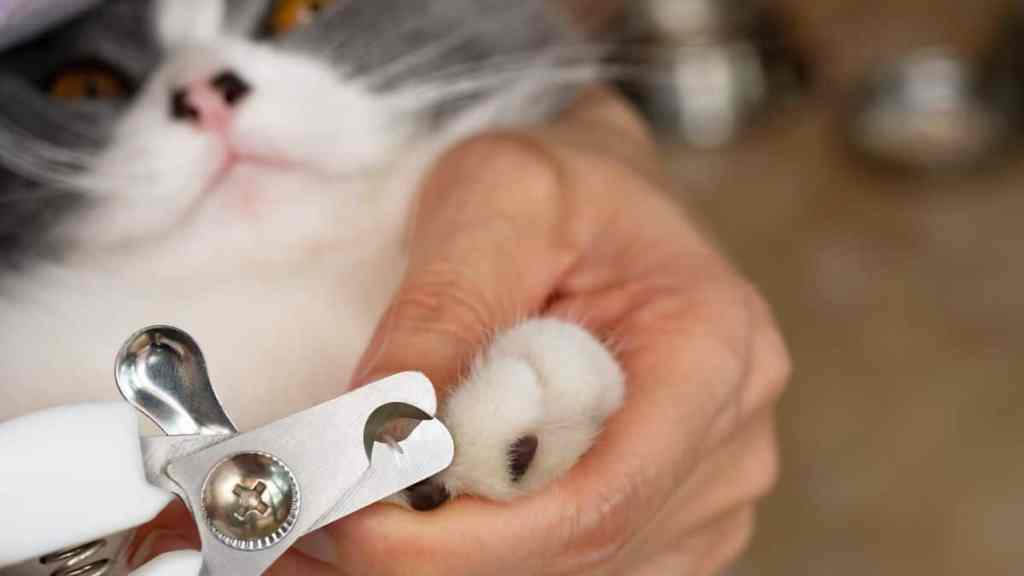
- Get familiar with the claw – Gently press the paw pad to extend the claws. You’ll see a clear or whitish tip, and a pink centre (that’s the quick — don’t cut it).
- Trim just the tip – Snip only the sharp, curved end. Don’t go near the pink part. If in doubt, less is more.
- Use praise and treats – Reward your cat after each paw or even each claw. You can do one paw a day if needed.
- Stop if they get upset – It’s OK to take breaks. Forcing it only builds fear.
Quick Tip
For first-timers or nervous cats, just start by handling their paws for a few days — no clippers involved. Reward them for calm behaviour so the process becomes routine, not scary.
How Often Should You Trim a Cat’s Claws?
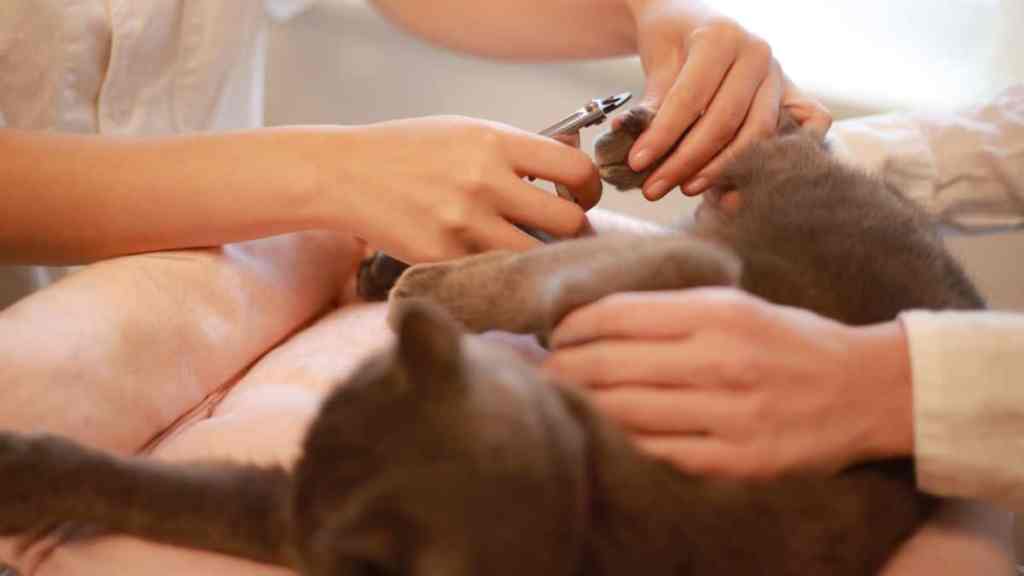
There’s no one-size-fits-all schedule — how often you trim will depend on your cat’s age, activity level, and whether they spend time outdoors. It’s less about the calendar and more about keeping an eye on claw length and comfort.
- Indoor or older cats: Every 3–6 weeks
- Outdoor, active cats: Usually not needed, but check monthly
- Kittens: Start gentle handling young, even if you don’t need to trim yet — it builds trust
- Senior cats: Check regularly — claws can become thicker and grow faster with age
Alternatives to Claw Trimming
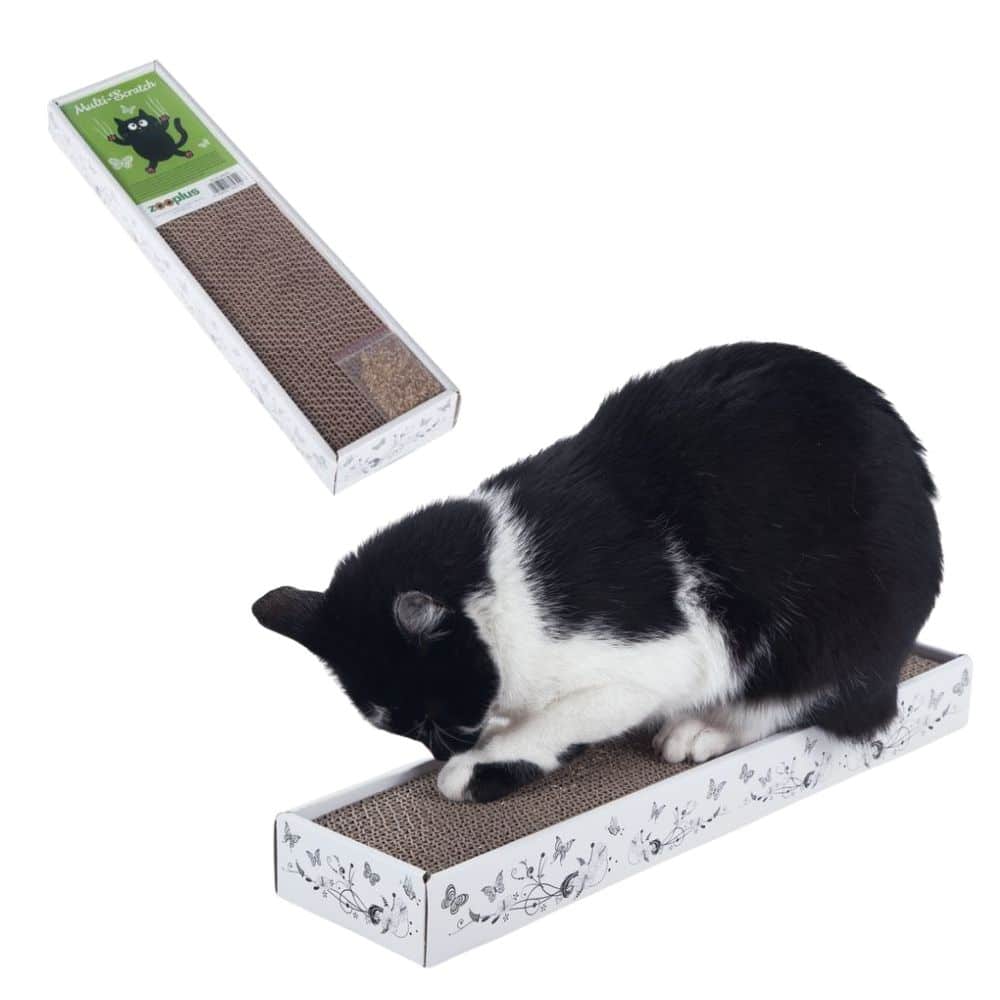
Trimming can help manage claw length, but it’s no substitute for the natural wear cats get from daily scratching, climbing, and play. Giving your cat the right outlets keeps their claws healthy — and your furniture safer.
Support healthy claws with:
Quick Tip
Keeping claws healthy isn’t just about trimming — it’s about giving your cat natural ways to scratch, stretch, and stay active.
Summary Table: Should You Trim Your Cat’s Claws?
|
Situation |
Should You Trim? |
Notes |
|---|---|---|
|
Indoor-only cat |
✅ Yes, if claws don’t wear naturally |
Trim regularly, use scratching posts |
|
Elderly or arthritic cat |
✅ Yes, helps comfort & mobility |
Check more often for overgrowth |
|
Outdoor cat |
⚠️ Usually no |
They need claws for climbing/defence |
|
Kitten or young adult |
❓ Not always needed |
Focus on paw handling, play, scratching |
|
Cat with sharp or split claws |
✅ Yes, if causing issues |
Use safe clippers, avoid the quick |
|
Cat that hates trimming |
🐾 Go slowly or ask your vet |
Build tolerance gently with handling |
Final Thoughts
So — should you trim your cat’s claws? It depends on their lifestyle, health, and environment. For many cats, especially indoors or elderly ones, a careful trim can prevent pain and keep things comfortable. For others, regular scratching and a good climbing setup may be all they need.
What matters most is understanding your individual cat, checking their claws regularly, and trimming only when it’s truly beneficial. When done right, claw care can be stress-free and even bonding — just another way to keep your feline friend happy, healthy, and thriving.
If you’re unsure, start small. Handle your cat’s paws regularly, build their trust, and observe how their claws naturally wear down. You don’t need to aim for perfection — just awareness and gentle support. And remember, if claw trimming ever feels stressful or uncertain, there’s no shame in asking your vet or groomer for help. It’s all part of caring for your cat in a way that suits them. Every cat is different — and that’s what makes them so wonderfully unique.