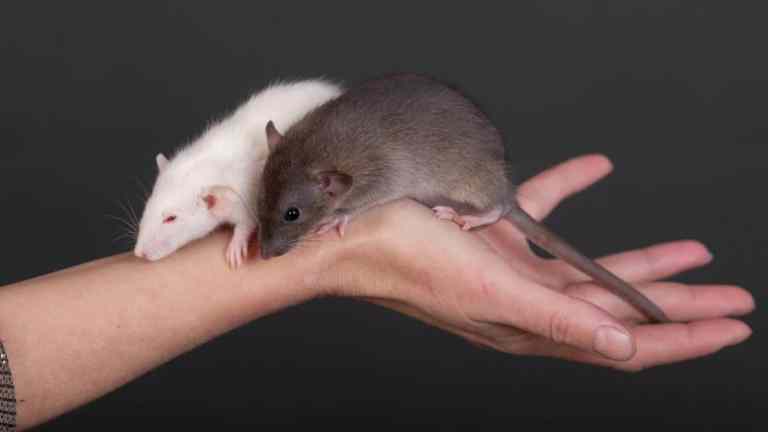
Mice might be miniature, but they’ve got bold personalities and an even bolder love for snack time. If your pet mouse comes sprinting at the sound of a bag crinkling, you’re not alone — but just because they can eat something, doesn’t mean they should.
Whether you’re training, bonding, or just want to make your mouse’s day, the right treats can add fun and flavour to their lives — while the wrong ones can lead to health issues, dental problems, and behavioural changes. In this guide, we’ll explore which treats are safe for pet mice, which are best avoided, and how to offer them responsibly.
Quick Answer: What Treats Can Pet Mice Eat?
Pet mice can enjoy small portions of natural treats like raw vegetables, grains, and some fruits. Avoid sugary, sticky, processed or fatty foods, and never feed chocolate, onions, citrus, or anything spoiled. Treats should make up no more than 10% of a mouse’s diet — think tiny nibbles, not full snacks.
What Counts as a Treat for Mice?
A treat is any food given outside your mouse’s standard complete diet — usually as a reward, training tool, or something to make life more exciting. And while your mouse might be willing to try almost anything, that doesn’t mean every nibble is a good idea.
A good mouse treat is:
Think cucumber slices, oats, or a single sunflower seed — not a chunk of cheese or a yoghurt drop the size of their head.
Safe Mouse Treats: Tasty, Trusted, and Vet-Approved

Here are some healthy and mouse-safe treats that you can offer in moderation:
🥦 Veggie Snacks (Chopped tiny — always raw, never cooked or seasoned)
- Cucumber
- Broccoli
- Carrot
- Courgette
- Raw sweetcorn (not canned or salted)
🍓 Fruit Favourites (Once or twice a week only — due to natural sugar content)
- Blueberries
- Blackberries
- Apple (no seeds — they’re toxic!)
- Banana (tiny pieces only)
- Grapes (cut in half, seedless)
🌾 Grainy Goodies
- Cooked wholemeal pasta (cooled, plain)
- Plain dry oats
- Unsweetened puffed rice or wheat
🥚 Protein-Rich Treats (Offer sparingly)
- Boiled egg (crumb-sized amount)
- Plain cooked chicken (no salt, herbs or oils)
- Unsalted seeds or nuts (sunflower or pumpkin — just one at a time)
Silly But Harmless Mouse Treats

Not all treats are dangerous — but that doesn’t mean they’re doing your mouse any favours nutritionally. These options are safe in tiny amounts very occasionally, but shouldn’t become part of their regular diet.
Examples of “junk food” style treats:
- Store-bought mouse treats – Often loaded with sugar, honey, yoghurt, or dairy products. Cute packaging, questionable ingredients.
- Flavoured hamster yoghurts – Tasty but usually full of sugar or milk-based fillers. Not suitable for regular feeding.
- Plain rice cakes – Safe in small nibbles, but offer little nutritional value and can be too bulky

Quick Tip
Treat these like you would a birthday cupcake: fine as a rare reward, but never daily.
The No-No List: Foods Mice Should Never Eat
Some human foods — even healthy ones for us — can be dangerous or even fatal for mice. Always double-check anything new before offering it to your pet.
Never feed your mouse:
Quick Tip
Even if your mouse tries to sneak a bite, don’t be tempted to let them “just try it.” Stick to safe, mouse-appropriate snacks.
Treats & Taming: How to Build Trust with Snacks
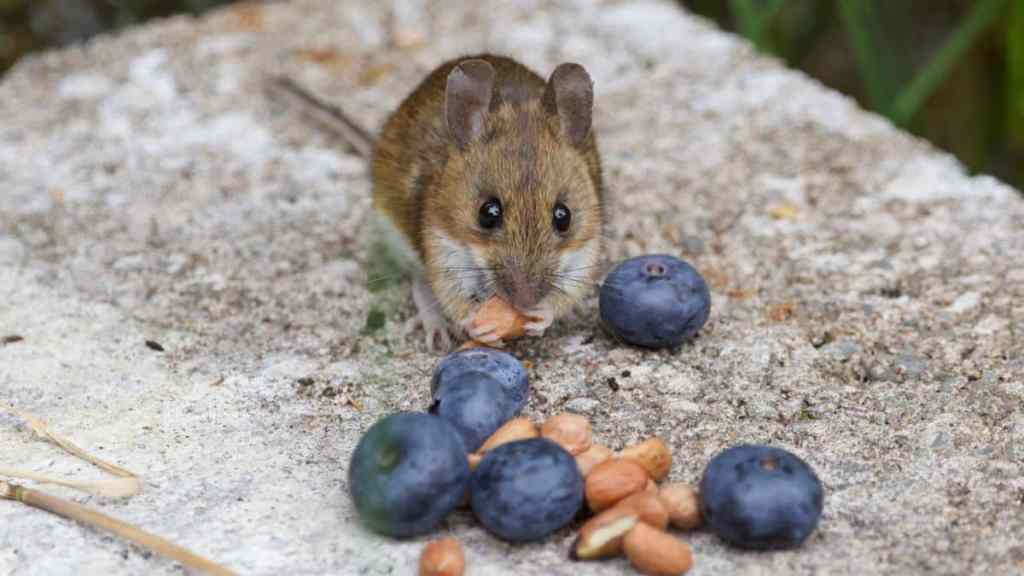
Treats aren’t just tasty — they’re powerful tools in helping your mouse get comfortable around you. Used with patience and consistency, they can help form a strong bond and reduce anxiety in nervous or new mice.
How to use treats for taming:
- Start by placing treats in the cage with your hand nearby. Let them eat at their own pace while getting used to your scent and presence.
- Next, hold the treat out with your fingers still, allowing your mouse to come to you.
- Eventually, try offering treats in your open palm, so they learn you’re safe and rewarding to be around.
Quick Tip
Avoid picking up your mouse too early during taming. Let them associate your hand with good things first — not sudden movements.
How Often Should Mice Get Treats?
As a rule of thumb, treats should make up no more than 5–10% of your mouse’s total daily intake. That means just a couple of small treat-sized nibbles per day — not a bowlful or anything that replaces their main food.
Over-treating can lead to:
- Obesity
- Nutritional imbalances
- Dental problems
- Reduced interest in their proper food mix
It’s best to think of treats as just that — a little bonus. The goal is enrichment, not indulgence.
Quick Tip
If you’re using treats for training or taming, break them into even smaller bits so you can spread them out without overfeeding.
Summary Table: Mouse Treats at a Glance
|
Treat Type |
Safe Examples |
How Often |
Notes |
|---|---|---|---|
|
Veggies |
Broccoli, cucumber, carrot |
Daily (tiny bits) |
Always raw, plain, and fresh |
|
Fruits |
Apple, banana, blueberries |
Weekly (sparingly) |
Too much sugar = digestive upset |
|
Grains |
Oats, brown rice, wholemeal pasta |
A few times a week |
Good energy source — don’t overdo it |
|
Protein treats |
Boiled egg, plain chicken, pumpkin seeds |
Once or twice a week |
Offer in crumb-sized amounts |
|
Store-bought |
Yogurt drops, seed sticks, “mouse biscuits” |
Rarely (if at all) |
Often high in sugar or dairy |
|
Unsafe foods |
Chocolate, onion, citrus, peanut butter |
Never |
Toxic or hazardous — always avoid |
Final Thoughts
A mouse’s world is small — but every bite matters. Treats can be a joyful part of your pet’s life, but they need to be offered wisely. Focus on natural, bite-sized snacks, avoid gimmicky pet shop junk, and always keep your mouse’s health and happiness front and centre.
Whether you’re bonding with a new mouse, training a skittish one, or simply adding variety to their day, the right treat — given the right way — can do wonders.