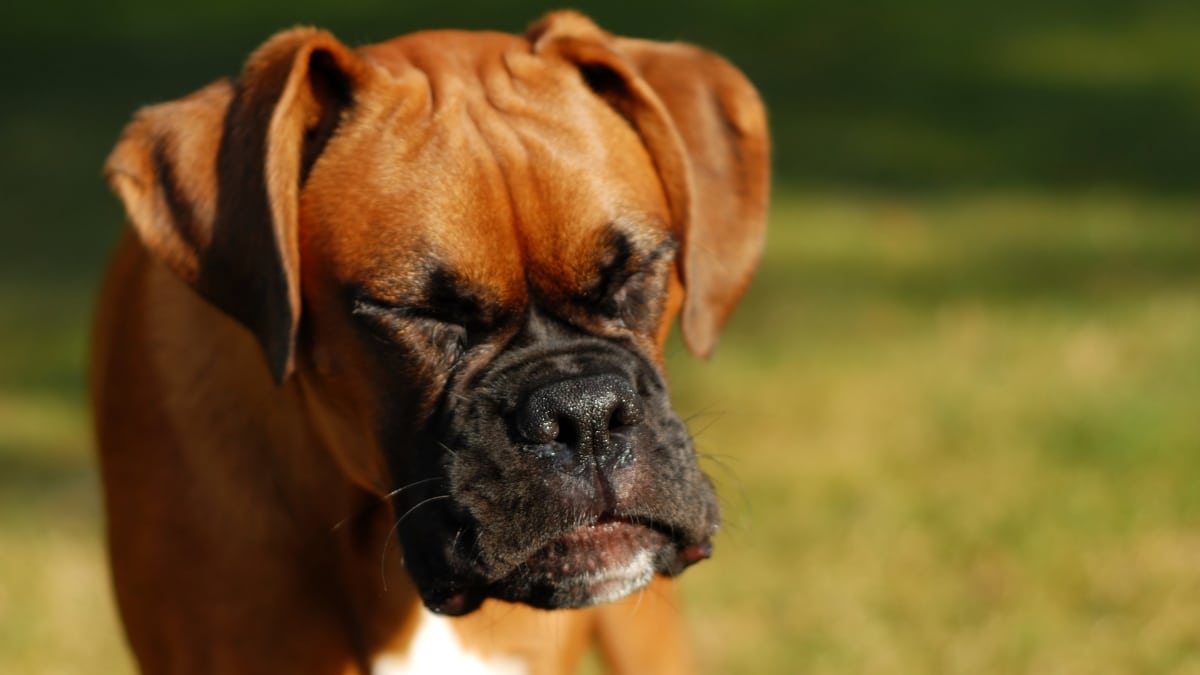
Have you ever noticed your dog suddenly make loud snorting or honking sounds, standing stiff with their neck extended? It can be frightening to witness — and for many dog owners, their first thought is that their dog is choking or having a seizure. But often, what you’re seeing is something far less serious: reverse sneezing.
Also known as inspiratory paroxysmal respiration, reverse sneezing occurs when a dog forcefully inhales through their nose. Unlike a typical sneeze, which expels air, reverse sneezing pulls it in. It’s dramatic, noisy, and startling — but in most cases, completely harmless.
While it’s not a disease or illness, reverse sneezing is still worth understanding. Knowing what causes it, when it might signal something more serious, and how to respond can save you stress — and help your dog feel more comfortable.
What Causes Reverse Sneezing?

Reverse sneezing is typically triggered by mild irritation to a dog’s soft palate or throat. The body’s reflex response is to suck in air rapidly, resulting in the loud snorting you hear. Common triggers include:
- Environmental irritants: dust, pollen, air fresheners, or strong cleaning sprays
- Pulling on the lead: especially if your dog wears a collar
- Overexcitement: greeting visitors, playtime, or sudden bursts of energy
- Eating or drinking too quickly: food particles or water may briefly irritate the throat
- Temperature changes: stepping into cold air after being indoors
- Nasal mites or inflammation: less common, but worth ruling out if episodes are frequent

Quick Tip
Some dogs are simply more prone to reverse sneezing than others. Brachycephalic (flat-faced) breeds like French Bulldogs, Pugs, and Shih Tzus have shortened nasal passages, which makes them more susceptible.
Recognising a Reverse Sneezing Episode
A reverse sneeze is often mistaken for choking, coughing, or even a seizure — but it has its own tell-tale signs. Here’s what to look for:
- Sudden, repeated snorting or gagging noises
- Dog stands still, visibly stiff or alert
- Mouth closed, nostrils flared
- Neck extended, elbows sometimes splayed
- Episode lasts 5 to 30 seconds, rarely more than a minute
Importantly, dogs usually recover quickly and behave normally once the episode ends.
When Is It NOT Reverse Sneezing?
If your dog shows any of the following signs, contact your vet urgently:
- Blue gums or tongue
- Foaming at the mouth
- Collapsing or loss of consciousness
- Coughing with blood or mucus
These symptoms could indicate something far more serious, such as choking, a collapsing trachea, or respiratory distress.
What Should You Do When It Happens?
The good news: reverse sneezing is usually harmless and stops on its own. But there are things you can do to help soothe your dog during an episode:
- Stay calm: Your dog can pick up on your anxiety.
- Gently stroke their neck: A light massage can relax the throat muscles.
- Briefly cover their nostrils: This can encourage your dog to swallow, which often ends the episode (do this gently and only for a second).
- Move away from irritants: If you’re using cleaning sprays or candles nearby, step into fresh air.
- Use a harness: If pulling on the lead is a trigger, switch from a collar to a well-fitted harness to avoid throat pressure.
These steps won’t prevent every episode, but they can reduce your dog’s discomfort and stop it faster.
When to Contact a Vet

While occasional reverse sneezing is usually nothing to worry about, frequent or severe episodes warrant a check-up. See your vet if:
- Episodes are happening more often or lasting longer
- Your dog seems distressed or exhausted afterwards
- There are other symptoms (nasal discharge, coughing, lethargy)
- Your dog is very young or has never shown signs before
Your vet may examine your dog’s airways, check for infections or foreign bodies, or refer you for further tests like rhinoscopy (a small camera to look inside the nasal cavity).
In rarer cases, reverse sneezing can be associated with nasal mites, respiratory tract infections, or inflammation.
FAQs: Reverse Sneezing in Dogs
Quick Tips for Dog Owners
Final Thoughts
Reverse sneezing can look dramatic, but it’s one of those quirky dog behaviours that’s usually far less serious than it appears. By understanding what it is, recognising the signs, and knowing when to step in, you’ll be prepared to handle it calmly and confidently.
If in doubt — or if something just doesn’t feel right — always speak to your vet. But for most UK dog owners, the occasional reverse sneeze is just another part of life with a four-legged friend.