Bringing home a new puppy is exciting, chaotic, and—let’s be honest—a bit overwhelming. You want to do everything right, but with so much advice flying around online, it’s hard to know what your pup actually needs at each stage.
Should they be learning “sit” already? Is it too early for recall? When do you start leash training? And what if your pup is still having accidents indoors?
The truth is, puppies develop in phases, and your training plan should grow with them. Trying to teach too much too soon (or not enough early on) can cause frustration on both sides.
In this guide, we’re breaking down exactly what UK puppy owners should focus on at each major milestone—from 8 weeks to 6 months and beyond. This isn’t just about commands—it’s about building confidence, shaping behaviour, and creating a dog who trusts you for life.
Quick Answer: What Should I Teach My Puppy First?
Start with bonding, toilet training, crate comfort, and name recognition. At 8–10 weeks, it’s all about laying the foundation: gentle exposure, soft structure, and making your puppy feel safe. Obedience comes later.
8–10 Weeks: Bonding, Basics & The “Foundations Phase”

You’ve just brought your puppy home—and everything is new. New smells, new routines, new people, new boundaries. This stage isn’t about teaching tricks or strict commands—it’s about building trust, routine, and gentle structure in a calm, low-pressure environment.
Your puppy is still adjusting, and their brain is like a sponge—but also easily overwhelmed. Short, positive moments are everything right now.
What to Focus On 🔍:
- Name recognition: Say their name in a happy voice, reward when they look at you
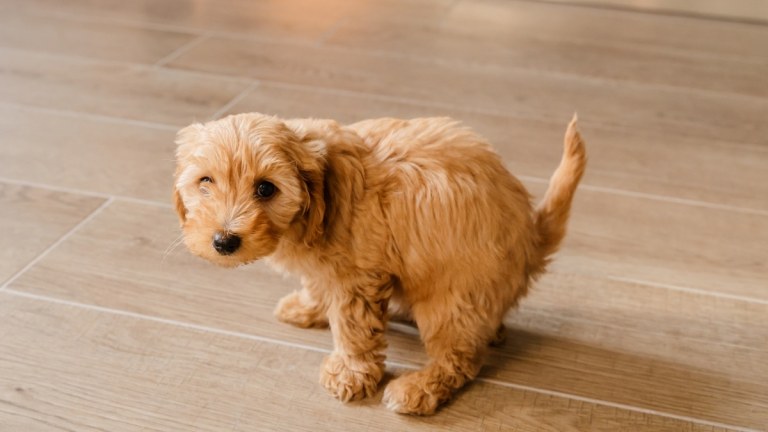
- Toilet training: Regular toilet trips outside (every 30–60 minutes), with huge praise when they get it right
- Crate training (if using one): Make it cosy, never a punishment, and use it for rest—not isolation
- Startle recovery: Help them bounce back from unexpected sounds with calm praise
- Handling and grooming: Touch paws, ears, tail gently—reward calmness
What Not to Worry About Yet:
- Obedience drills
- Long training sessions
- Walks outside (before vaccines finish)

Quick Tip
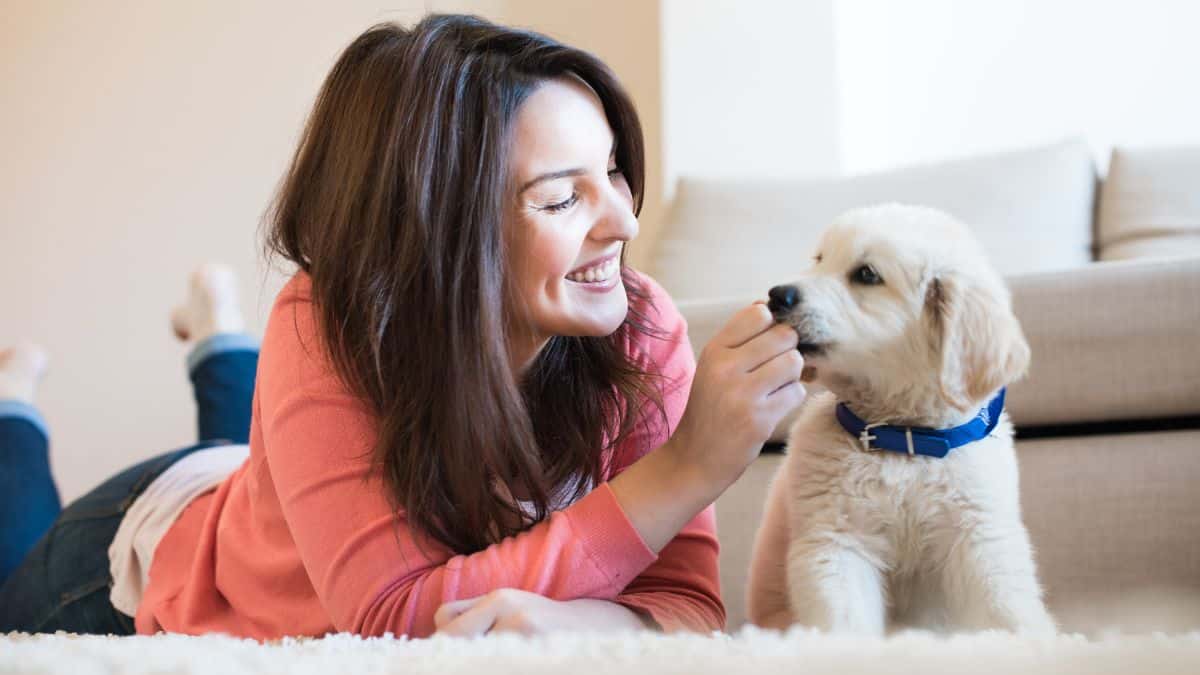
Use their daily kibble for mini “training moments” around the house. This keeps it low-pressure and starts reinforcing your bond with every bite.
10–12 Weeks: Socialisation, Structure & Simple Commands

This is a golden window. At around 10–12 weeks old, your puppy is still young and impressionable—but starting to settle into their new world. Their brain is soaking up experiences rapidly, which makes it the ideal time to gently shape how they see people, sounds, places, and other dogs.
This isn’t about strict training—it’s about exposure with positivity. Think of this phase as “learn the world” more than “learn the rules.” That said, now’s the perfect time to start introducing structure and super simple obedience skills in short bursts.
What to Focus On 🔍:
- Socialisation: Safely introduce your puppy to new people, textures, noises, and gentle dogs (in vaccinated, low-stress settings)
- Positive associations: Vet visits, grooming tools, car journeys, and household sounds should all be linked to treats and praise
- Basic cues: Start teaching “Sit,” “Come,” and “Leave it” with rewards and excitement
- Recall games indoors: Call them between people for treats—make it fun
- Lead introduction: Let them wear a soft harness or collar and clip on the lead indoors to get used to the feel
What Not to Expect Yet:
- Flawless responses or consistency
- Long walks or high-energy play outside
- Perfect toilet habits—accidents still happen!
Quick Tip
Confidence is built through positive repetition—not overwhelm. Every happy experience now makes future training easier.
12–16 Weeks: Expanding Socialisation and Introducing Structured Training

By the time your puppy hits 12–16 weeks, they’re starting to feel a bit more secure in their new environment. Their vaccines are in, their curiosity is at an all-time high, and the world is no longer a confusing blur—it’s a playground that they’re eager to explore. This stage is all about building on early socialisation and gently introducing more structured training routines.
What to Focus On 🔍:
1. Enhanced Socialisation:
At this stage, your puppy should be meeting new people, other vaccinated dogs, and experiencing different environments.
- Dog Park Visits: Start with short, controlled visits to dog parks or puppy classes to help them learn proper social cues.
- Variety of Environments: Take them to busy streets, quiet parks, and even pet-friendly shops. Each setting teaches them to adapt and feel comfortable.
- Controlled Introductions: Arrange playdates with other well-mannered puppies or calm adult dogs, which builds confidence and teaches proper play behaviour.
2. Introduction to Basic Commands:
Now’s the time to move beyond just “Sit” or “Come” in the home. Keep sessions short (5–10 minutes) and fun.
- Start with “Sit” and “Come”: Use a consistent, friendly tone and reward immediately when they follow the cue.
- Incorporate “Leave it”: A simple way to begin teaching impulse control. Use treats to lure them away from distractions, reinforcing the command with positive praise.
- Practice with Distractions: Begin training in a low-distraction environment, then gradually introduce distractions (like other dogs or gentle street noise) as your puppy’s confidence grows.
3. Leash Training and Outdoor Exploration:
At 12–16 weeks, it’s also a great time to start getting your puppy accustomed to a leash in real-world settings.
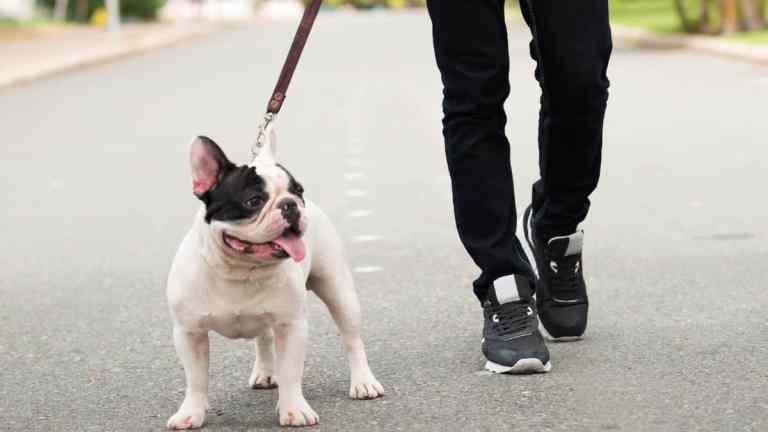
- Short Leash Walks: Begin with short, calm walks around your neighbourhood. Keep sessions fun—if they behave, reward them with treats or play.
- Positive Reinforcement: Praise calm walking behaviour; if they pull, gently redirect them without harsh corrections.
Why This Stage Matters:
Your puppy is now more capable of handling structured training without becoming overwhelmed. Every positive experience in varied environments builds a foundation for future learning. Consistency and patience here are crucial—each new social encounter and every correctly followed command paves the way for a confident, well-trained dog later in life.
Quick Tip
Always keep training sessions upbeat and short. Use a mix of verbal cues, treats, and play to reinforce that learning is a positive experience. If a session gets too overwhelming, take a break—consistency is key, but so is keeping it fun.
4–6 Months: Reinforcing Training & Entering the ‘Teenage’ Phase

Welcome to adolescence. At around 4 to 6 months, your once-eager-to-please puppy may suddenly start testing boundaries, ignoring commands they previously knew, or becoming extra excitable (or nervous) around new experiences. Sound familiar? You’ve officially entered the canine teenage phase.
This stage is critical—it’s where good habits either solidify or fall apart. Your puppy’s brain is undergoing major development. They’re becoming more independent, more curious, and yes—more distracted. Your job? Reinforce everything they’ve learned so far with consistency, patience, and clear expectations.
What to Focus On 🔍:
1. Reinforce All Core Commands
Don’t assume “they know it.” Even if your pup nailed “sit,” “down,” or “recall” at 12 weeks, they’ll need refreshers now—especially in different environments.
- Daily refreshers of all basic cues
- Practise with more distractions (parks, new people, other dogs)
- Increase distance and duration (e.g. longer “stays,” longer recalls)
2. Strengthen Recall Training
Recall often takes a nosedive during this stage as your puppy becomes more confident and curious.
- Use long lines and high-value treats
- Reinforce heavily when they come back, even if it takes a second
- Keep recall games fun and energetic
3. Begin Loose Lead Walking in Earnest
Your puppy’s getting stronger, so leash manners matter now more than ever.
- Stop and reset if they pull—don’t let bad habits stick
- Reward heavily for walking beside you, even for a few steps
- Practise short, frequent walks in different places
4. Introduce More Impulse Control
Training patience is vital at this stage.
- Use cues like “Wait”, “Stay”, and “Leave it”
- Play impulse control games like “It’s Your Choice” or slow treat release
- Reinforce calm behaviour at doors, before meals, or when meeting people
5. Manage Chewing & Teething
Some puppies will be teething heavily now.
- Provide plenty of chew-safe options (e.g. rubber toys, frozen carrots)
- Puppy-proof your home if needed—don’t let them rehearse bad chewing habits
- Redirect to appropriate chews and praise like crazy when they make good choices
Why This Stage Matters:
Many training regressions happen here—not because your puppy’s forgotten everything, but because they’re maturing and testing boundaries. Stay consistent, don’t panic, and avoid punishing independence. It’s temporary, and with the right structure, you’ll come through it with a more focused, mature pup on the other side.
Quick Tip
Always keep training sessions upbeat and short. Use a mix of verbal cues, treats, and play to reinforce that learning is a positive experience. If a session gets too overwhelming, take a break—consistency is key, but so is keeping it fun.
6+ Months: From Puppy to Young Dog – Building Reliability

By six months, your puppy is growing fast—physically, mentally, and emotionally. They’re likely full of energy, more confident around the world, and depending on the breed, entering full-blown adolescence. But don’t let the size fool you: their training needs to continue just as consistently as ever.
This stage is about reinforcement, reliability, and real-world fluency. You’re no longer just teaching behaviours—you’re making sure your dog can perform them anywhere, anytime, even when life gets exciting.
What to Focus On 🔍:
1. Proofing Existing Commands
Your dog might “Sit” perfectly at home but ignore you in the park. That’s normal.
- Practise commands in new environments, around new distractions
- Add distance and duration (e.g. holding a “Stay” while you move around)
- Start expecting more consistent responses before offering rewards
2. Advanced Recall Training
You’ve laid the foundation—now it’s time to level up.
- Practise recall with real-life distractions (e.g. other dogs, smells, squirrels)
- Use a long line for safety and reliability
- Make coming back to you the best part of their day
3. Polishing Loose Lead Walking
Pulling becomes a habit fast if it’s not corrected.
- Keep using positive reinforcement for walking beside you
- Practise in new places (country walks, high streets, parks)
- Introduce stop/start or change-of-direction games to build focus
4. Maintain Social Confidence
Adolescent dogs may go through a second fear phase.
- Watch for signs of nervousness and offer reassurance—not force
- Continue safe socialising and reward calm behaviour around new stimuli
- Avoid overwhelming them—small, positive exposures are better than big, chaotic ones
5. Introduce New Skills & Challenges
This is the perfect time to explore:
- Settle training (on a mat in cafes or at home)
- Trick training to build confidence and mental stimulation
- Canine enrichment through puzzles, nosework, or light agility
Why This Stage Matters:
This is where your training either solidifies—or slips. Keep your sessions short, engaging, and consistent. The more you reinforce good choices now, the more automatic they’ll become into adulthood.
Quick Tip
Don’t stop training just because your dog looks grown up. Mentally, they’re still maturing—some breeds won’t settle into full adulthood until 18–24 months.
Final Thoughts
Raising a puppy isn’t about fast results—it’s about building trust, habits, and a shared language over time. By breaking training into age-appropriate stages, you’re helping your dog grow into a calm, confident, well-behaved companion.
Stay consistent, keep sessions fun, and remember: every challenge is just a phase. With patience and structure, you’ll set your dog up for a lifetime of good choices—and great adventures together.