For decades, many dog owners have believed that being a ‘good’ dog walker means keeping your pup firmly by your side — no pulling, no sniffing, no dawdling. But what if we’ve been approaching walk time all wrong?
Newer, dog-led approaches are gaining popularity among behaviourists and UK trainers alike, showing that allowing your dog more freedom on walks can actually lead to better behaviour, lower stress, and a stronger bond.
Should You Always Be in Control on a Dog Walk?

Dog training culture has long emphasised the idea that dogs should walk obediently beside or slightly behind their human — that anything else signals dominance issues or lack of control. But more and more trainers and behaviourists are challenging that thinking, especially here in the UK, where positive reinforcement and enrichment-led walking are gaining traction.
So, is letting your dog take the lead really a bad thing? Or could it actually improve their wellbeing?
Understanding the Old Approach: “Pack Leadership”
The notion that dogs must walk behind their humans comes from outdated dominance-based training methods — often rooted in the idea that you must be the ‘alpha’. While the theory had traction decades ago, it’s been widely debunked by modern animal behaviour science.
Dogs aren’t trying to take over your household because they walk ahead. More likely, they’re just excited, curious, or following their nose — which brings us to enrichment.

Quick Tip
You don’t need to “correct” a dog for walking ahead unless it’s unsafe. Focus on loose-lead walking, not rigid heel work for every stroll.
Why Letting Your Dog Lead Can Be Beneficial
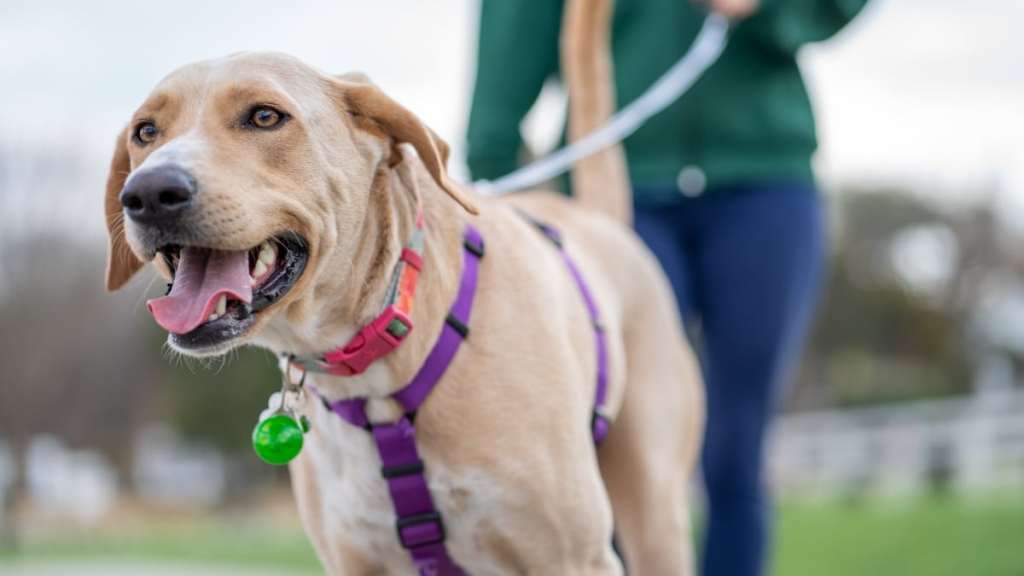
Letting your dog explore, sniff, and occasionally choose the route has genuine benefits for their physical and mental wellbeing.
1. Mental Enrichment
Dogs experience the world primarily through scent. Allowing them time to sniff freely is mentally stimulating — like reading the morning paper or catching up on neighbourhood news. Sniffing actually reduces cortisol levels, helping your dog feel more relaxed.
2. Reduced Anxiety and Stress Relief
A walk that includes free sniffing and exploring gives your dog a sense of agency. Dogs that feel more in control of their environment often exhibit fewer stress-related behaviours such as reactivity or restlessness.
3. Confidence Building
For puppies or rescue dogs still adjusting to the world, being allowed to explore calmly at their own pace can build trust and boost overall confidence in new environments.
4. Stronger Human–Dog Bond
Relaxed walks that prioritise your dog’s experience build positive associations. You’re not just training — you’re connecting.
5. Better Behaviour at Home
Dogs that are mentally and physically enriched on walks are often calmer and more settled indoors. They’re less likely to chew furniture, bark excessively, or show signs of frustration.
When You Shouldn’t Let Your Dog Lead
That said, free walks aren’t appropriate in every situation. There are times when structure and safety must come first:
- Busy pavements or roads — safety takes priority
- Shared-use paths — avoid letting your dog meander into others
- Training-focused walks — where you’re reinforcing cues or behaviour
- Reactivity concerns — dogs may stumble into a trigger if allowed to roam freely
Quick Tip
Mix structured and unstructured walks throughout the week to create balance. Your dog learns skills and gets time to unwind.
What Are “Decompression Walks” — and Should You Try Them?
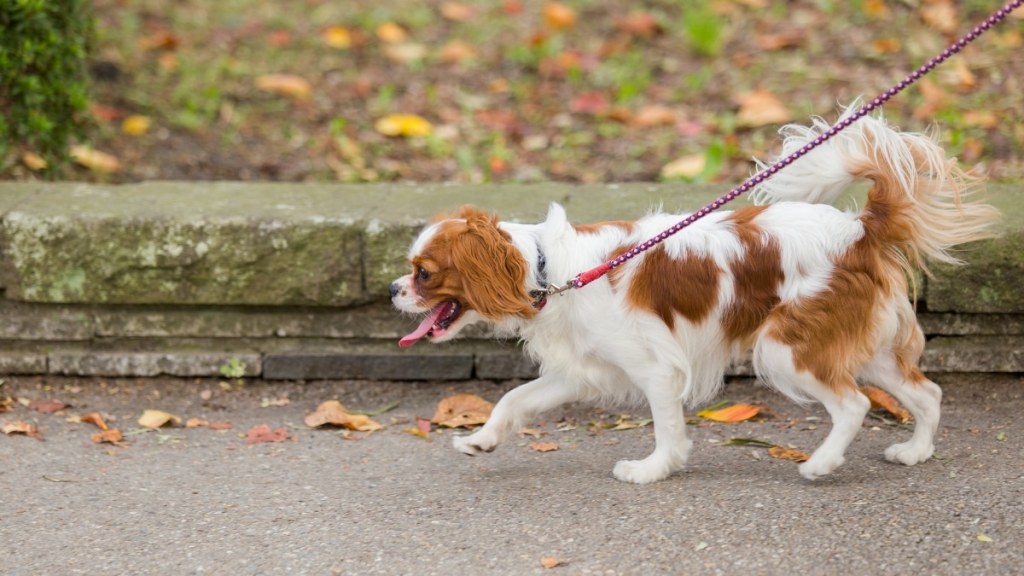
A decompression walk is a low-pressure, low-distraction walk where your dog is allowed to sniff, roam, and explore with minimal direction. It’s often done using a long line in a quiet, safe outdoor space like a park or field.
Benefits of Decompression Walks:
- Lower stress levels
- Improved emotional regulation
- Better sleep and recovery
- Ideal for dogs coming out of kennels, rescues, or high-stress environments
Even just 20–30 minutes of this kind of walk, 2–3 times a week, can improve your dog’s overall quality of life.
Quick Tip
Always check if an area is secure before letting out a long line, and make sure your dog has reliable recall.
Safety and Balance: Let Them Lead – Within Reason
You don’t need to let your dog drag you wherever they want — it’s about giving them moments to lead, not total control. Letting your dog stop to sniff a lamppost for 30 seconds isn’t spoiling them — it’s fulfilling a natural need.
Here’s how to give freedom without sacrificing safety:
Common Misconceptions
“Letting dogs lead makes them dominant.”
False. Behaviour science has shown dominance theory is outdated and often misunderstood. Most dogs walk ahead because they’re excited or curious — not power-hungry.
“All dogs must heel.”
Not true. While teaching heel can be helpful for certain situations, it’s not necessary for every walk. Loose-lead walking with sniffing breaks is far more beneficial for most dogs.
“It’s spoiling them.”
Allowing your dog to meet their needs isn’t spoiling — it’s responsible ownership. Dogs that feel fulfilled are better behaved, calmer, and more cooperative.
Quick Recap
Final Thoughts
Walking your dog isn’t just about burning off energy — it’s about fulfilling your dog’s natural need to explore the world. Allowing your dog to lead the walk — at times and in appropriate settings — can significantly improve their mental health, reduce anxiety, and make walks more enjoyable for both of you.
Balance is key. You don’t have to choose between chaos and control. With the right tools, environments, and mindset, you can give your dog the freedom they crave while keeping them safe and responsive.
So next time you head out the door, try loosening the lead — and letting your dog show you the way.