Trimming your dog’s nails is one of the most overlooked yet important grooming tasks you can do at home. Many dog owners avoid it out of fear — fear of hurting their dog, cutting the quick, or simply getting it wrong. But left untended, overgrown nails can become painful, even damaging, for your dog.
Nail trimming isn’t just about appearance. Long nails can affect your dog’s posture, cause joint strain, and lead to painful injuries. In this detailed UK guide, we’ll take you through everything you need to know to trim your dog’s nails safely and confidently — from how often to do it, to how to make it a stress-free experience for both of you.
Why Nail Trimming Is Essential for Dogs

Your dog’s nails aren’t just decorative. They serve a function — for grip, balance, and natural wear. But in domestic settings, especially in the UK where many dogs walk on soft grass or carpet, nails don’t wear down as they would in the wild. This leads to overgrowth, which can have more serious consequences than many people realise.
Long nails can cause a dog to change their natural gait, placing unnecessary strain on joints and ligaments. You may notice your dog walking awkwardly or even limping. Nails that are too long can curl back into the paw pad, which is not only painful but can also lead to infection. Additionally, long nails are more prone to splitting or snagging, which often requires a vet visit to repair.
Regular trimming keeps nails short and healthy, helping to maintain natural posture and preventing discomfort. It also gives you a chance to inspect the paws for any cuts, irritations, or signs of infection.

Quick Tip
Nails that make a clicking sound on hard floors are too long — and should be trimmed sooner rather than later.
How Often Should You Trim Your Dog’s Nails?
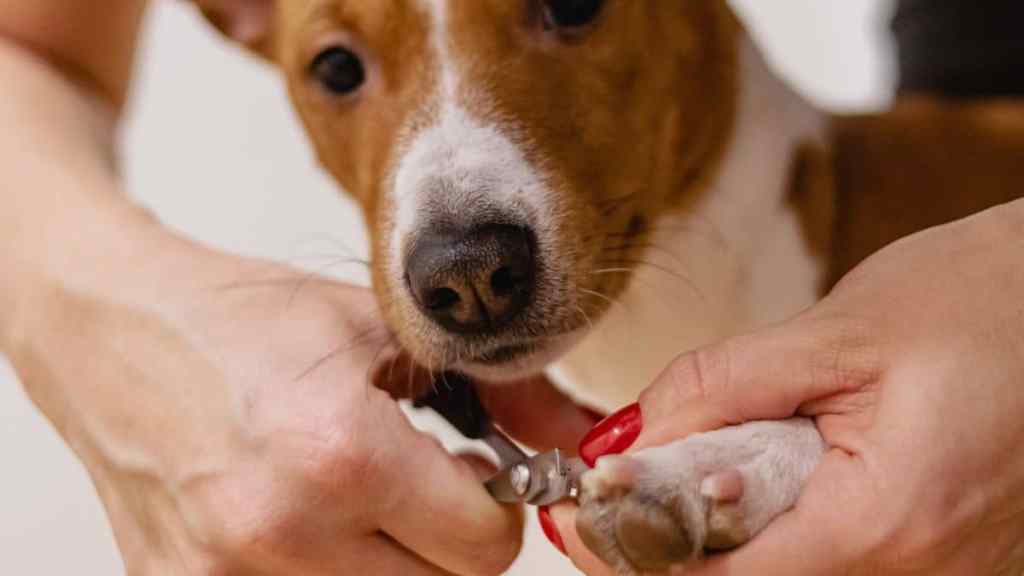
This depends on your dog’s breed, lifestyle, and activity level. Generally speaking, most dogs need their nails trimmed every 3–6 weeks. Dogs that walk frequently on hard surfaces like pavements may naturally wear their nails down more, while indoor dogs or older, less active pets tend to grow nails faster and need more regular attention.
Some breeds, like Greyhounds and other sighthounds, have fast-growing nails that tend to curl quickly. In contrast, terrier types with rougher activity levels might need less frequent trimming. You’ll also want to keep a close eye on dewclaws — the small, higher nails on the inner side of your dog’s leg — as these don’t touch the ground and can grow inwards painfully if ignored.
Quick Tip
A good rule of thumb — if you’re not sure, check your dog’s nails every 2–3 weeks. If they’re nearing the paw pad or making a noise on hard floors, it’s time.
Tools You’ll Need
Having the right tools can make nail trimming dramatically easier and safer.
Here’s what you’ll want in your kit:
Quick Tip
Avoid cheap, dull clippers can crush the nail rather than cut it cleanly. Always replace them when they become blunt.
Step-by-Step Guide: How to Trim Your Dog’s Nails
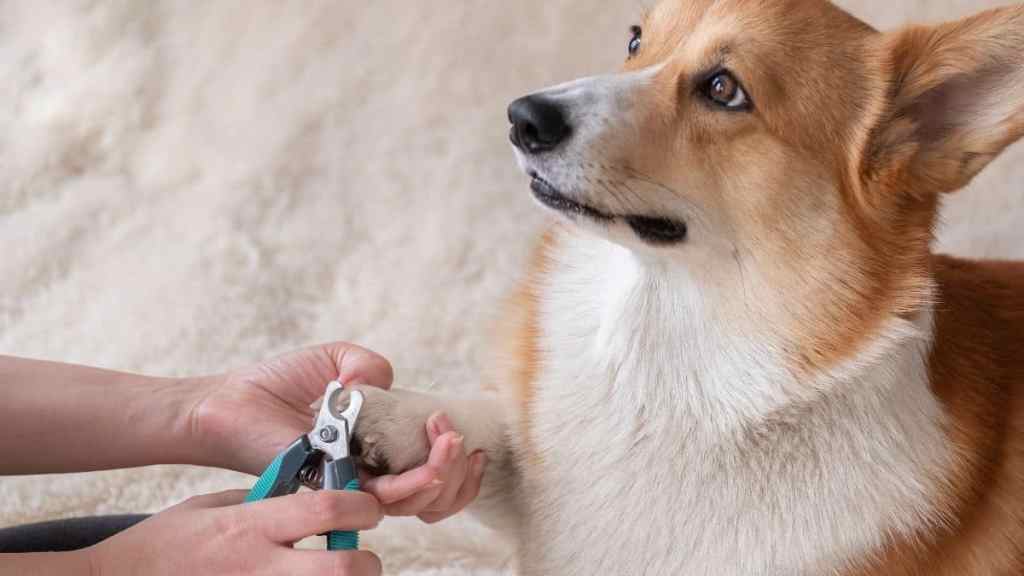
Before you begin, choose a quiet environment and a time when your dog is calm — perhaps after a walk or in the evening. Patience is key.
- Get your dog settled: Have them sit or lie down in a comfortable position. Use treats to keep it relaxed.
- Gently handle the paw: Hold the paw firmly but gently. Spread the toes apart to isolate the nail.
- Locate the quick: This is the sensitive, blood-supplied part of the nail. In clear nails, it’s pink. In dark nails, trim slowly and stop when you see a grey or white centre (that’s the quick).
- Trim at a slight angle: Cut the nail in small slices at a 45-degree angle, just below the quick. Never try to take off too much at once.
- Smooth the edges: If your dog tolerates it, use a grinder to file the tips and prevent snagging.
- Reward generously: Every successful nail deserves a treat or praise.
Quick Tip
If you do nick the quick, don’t panic. Apply styptic powder or cornstarch, hold pressure for a few seconds, and reassure your dog calmly.
What If Your Dog Hates Nail Trims?
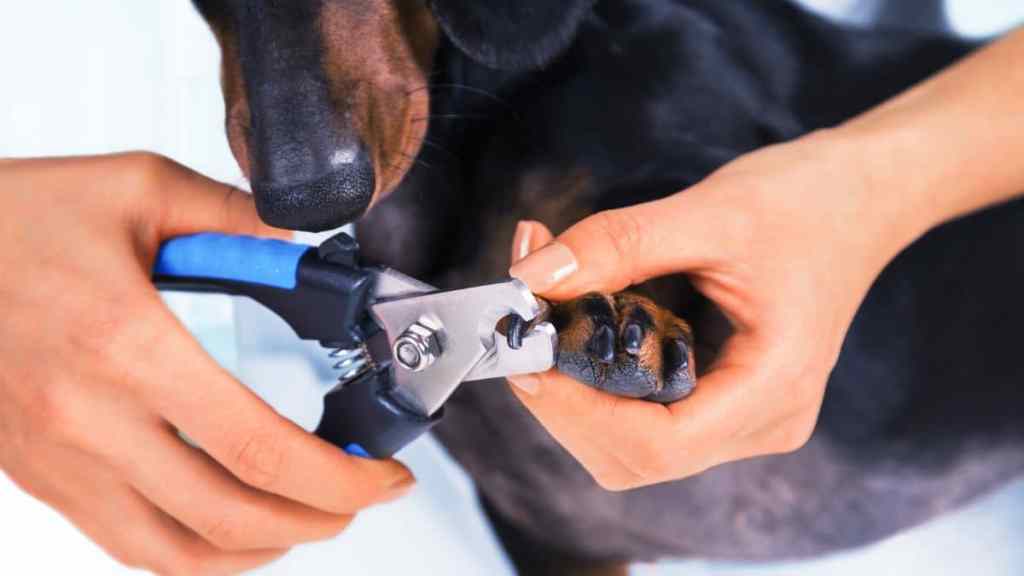
Many dogs develop a fear of nail trims after a negative experience — whether from pain, restraint, or loud clippers. But with consistent positive exposure, you can help them overcome it.
Start by handling their paws regularly without trimming. Pair every touch with praise or treats. Once they’re comfortable with this, let them see the clippers. Practice “fake” trims where you hold the paw and make a clipping sound without actually cutting. Over time, introduce short sessions where you clip just one nail at a time.
If your dog shows anxiety, never force it. Instead, break the session into daily one-nail routines, and always end on a good note. Some dogs genuinely prefer grinders over clippers — they find the vibration less startling than the ‘snap’ sound.
Quick Tip
Use a lick mat smeared with xylitol-free peanut butter to keep your dog occupied while you work.
Recognising When Nails Are Too Long

Still unsure if your dog needs a trim? These signs indicate it’s time:
Quick Tip
Neglecting long nails can lead to more than discomfort — it can cause damage to the bone structure of the foot over time.
When to Leave It to the Pros
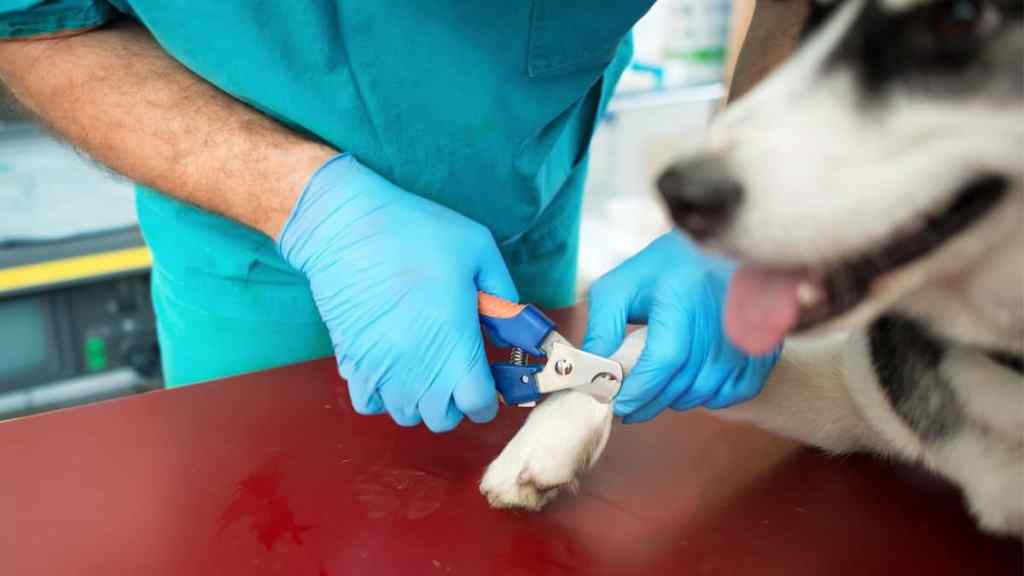
Some dogs simply won’t tolerate nail trimming at home, and that’s okay. If your dog becomes aggressive, anxious, or unmanageable, don’t risk injury. A professional groomer or vet nurse can trim nails quickly and safely, and many vets offer affordable nurse appointments for nail care.
You should also seek professional help if:
- The nails are extremely overgrown or embedded into the paw pad
- A nail is split, cracked, or infected
- Your dog’s paw is swollen, red, or painful to touch
Final Thoughts
Nail trimming doesn’t have to be a stressful experience — for you or your dog. With the right tools, a calm approach, and regular maintenance, it becomes just another part of your grooming routine. Start small, take your time, and be patient.
The more often you trim, the easier it becomes. And the benefits — improved mobility, reduced pain, better paw health — make it more than worth the effort.
Remember: Healthy nails mean a happier, more comfortable dog.