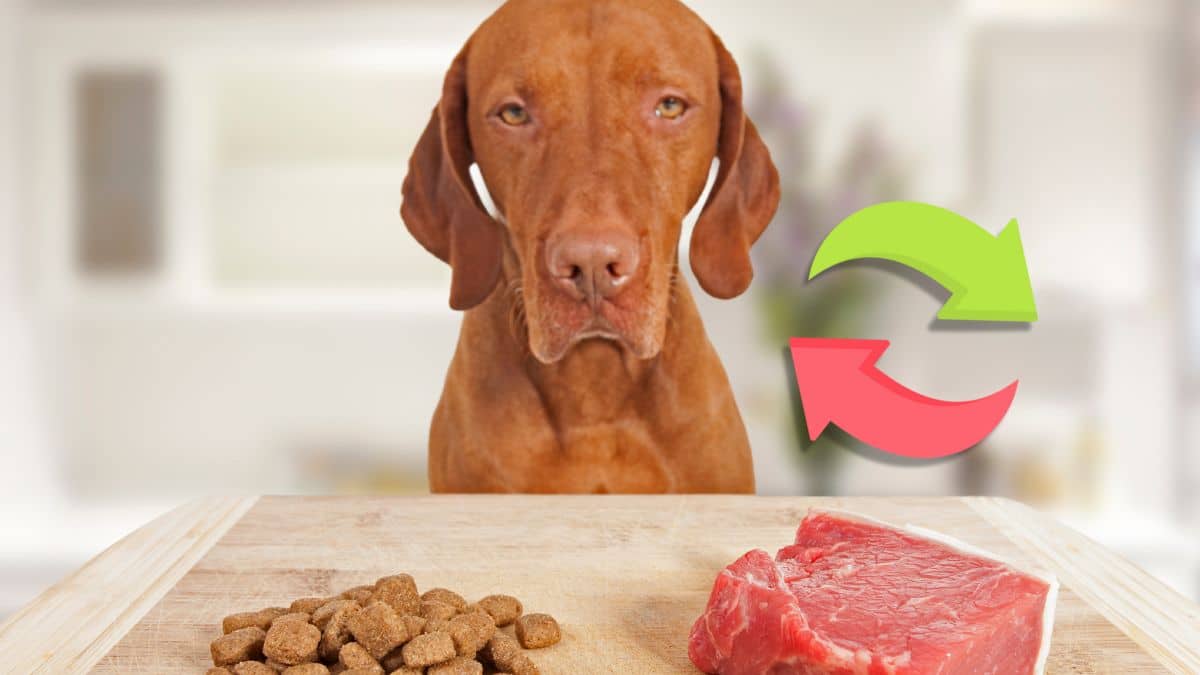
Changing your dog’s food isn’t just a matter of swapping bowls overnight — doing it the wrong way can lead to upset stomachs, diarrhoea, or even refusal to eat. Whether you’re transitioning to a better brand, a different formula, or shifting from puppy to adult food, the process should be gradual and carefully managed.
This UK-focused guide breaks down how to switch your dog’s food safely, step-by-step — plus when it might be risky, how to deal with fussy eaters, and what to watch for.
Why Gradual Transitioning Matters
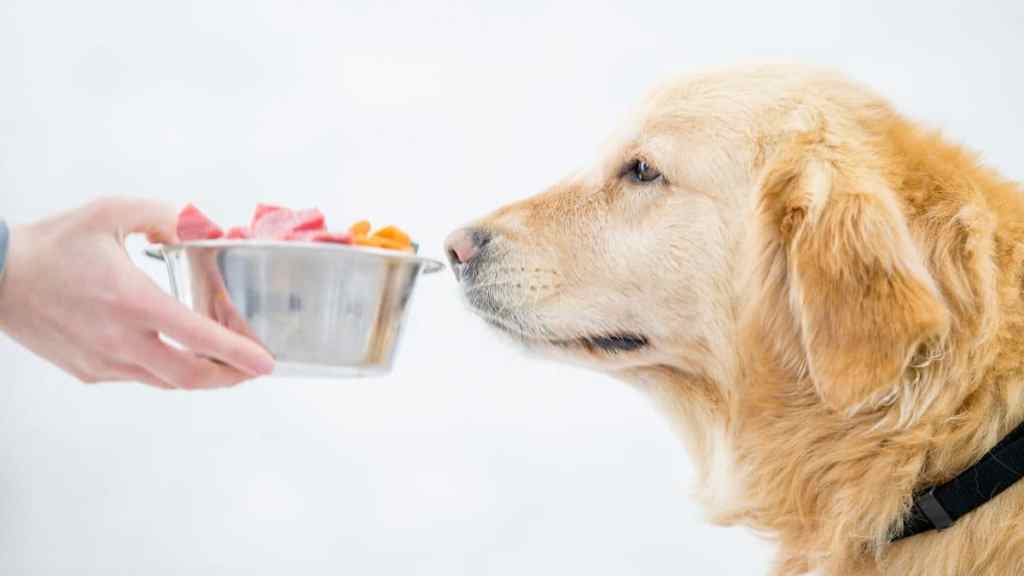
Sudden changes in your dog’s diet can cause digestive upset because their gut microbiome has adapted to their current food. A new set of ingredients — even if higher quality — can confuse the system, leading to gastrointestinal issues like loose stools or vomiting. A slow transition allows their digestive enzymes and gut bacteria to adjust gradually, which helps ensure a smoother and healthier switch.

Quick Tip
The more sensitive your dog’s stomach, the slower you should transition.
The 7-Day Transition Plan (Standard Method)
Veterinarians typically recommend a transition over at least seven days. During this time, you’ll gradually introduce the new food while decreasing the old one, allowing your dog’s digestive system to adapt without shock.
|
Day 🗓️ |
Old Food |
New Food |
|
1-2 |
75% |
25% |
|
3-4 |
50% |
50% |
|
5-6 |
25% |
75% |
|
7+ |
0% |
100% |
To carry this out, simply mix the specified proportions in one bowl for each meal. Stick to your dog’s regular feeding schedule and watch closely for any digestive changes. If your dog’s stomach seems especially sensitive, extending the transition over 10–14 days is perfectly fine — and often more successful.
Quick Tip
If your dog has a very sensitive digestive system, consider stretching this transition to 10–14 days.
When You Shouldn’t Switch Foods Gradually
While gradual transitioning is ideal, some situations require an immediate change in diet. In medical cases, where a dog is experiencing allergic reactions, food intolerance, or has been prescribed a veterinary diet, the risk of continuing their current food outweighs the risk of a sudden switch.
In these cases, a vet may advise an abrupt change — but this should always be done under veterinary supervision. Never attempt an instant switch on your own unless directed by a professional.
Signs the Transition Isn’t Going Well
It’s important to monitor your dog’s response during the switch. Some minor digestive issues, like slightly softer stools, are common and usually resolve within a few days. However, certain symptoms can indicate a more serious problem or an intolerance to the new food.
Watch for:
- Loose or runny stools that persist beyond 2–3 days
- Vomiting or signs of nausea (licking lips, drooling)
- Refusal to eat new food after multiple attempts
- Itchy skin, excessive scratching or licking (potential allergy)
‼️ If any of these persist, stop the transition and consult your vet.
How to Handle a Fussy Eater

Not every dog will welcome a new food with excitement. Some breeds — and individuals — are naturally picky eaters. A dog that refuses their new food can delay the transition or lead to a loss of appetite. If your dog is turning their nose up at mealtimes, there are a few tricks to encourage better acceptance without creating bad habits.
Quick Tip
Avoid constantly changing foods in search of one they’ll like — it makes fussiness worse.
Special Cases: Puppies, Seniors & Medical Diets
Life stage plays a big role in dietary needs. Puppies, adult dogs, and seniors all have different nutritional requirements, so it’s essential to handle each case carefully when switching food.
- Puppies: Transition to adult food around 12 months (or later for large breeds). Make the switch slowly to avoid upsetting their developing systems.
- Seniors: Older dogs often require diets that are easier to digest and support joint health. Watch closely for appetite changes or digestive issues during the switch.
- Medical diets: Dogs on prescription diets for conditions like kidney disease or food allergies must follow the transition schedule advised by a vet. These formulas are often very different from standard commercial food.
What If You’re Switching Between Food Types? (Dry to Wet or Raw, etc.)
Switching between food types (like dry kibble to wet, or to raw feeding) can be more complex than simply switching brands. The texture, moisture, and temperature differences can affect both digestion and your dog’s willingness to eat.
Final Thoughts
Changing your dog’s food is something most owners will do at least a few times throughout their pet’s life — whether due to age, diet upgrades, allergies, or convenience. When done correctly, a food transition can go smoothly and even improve your dog’s health in the long term Remember, patience is key. Stick to a gradual schedule, observe closely, and always consult your vet if in doubt.
Always speak to your vet before switching foods, especially if your dog has health conditions or dietary needs.