Bringing home a new kitten is pure joy — until they wee on your rug. But don’t panic: litter training a kitten is surprisingly easy when done with patience, the right setup, and a sprinkle of understanding.
Most kittens pick it up quickly (often by watching their mum), but there are a few key tricks to help things go smoothly from day one.
How do you litter train a kitten?
Most kittens instinctively use a litter tray if it’s clean, easy to find, and the right size. To help them succeed, place the tray in a quiet spot, show them where it is, and gently guide them after meals and naps. Accidents are normal — don’t punish, just reset and reinforce.
Kittens naturally want to bury their waste — it’s an instinct that goes back to their wild ancestors, who did so to avoid detection by predators. A clean, well-placed litter tray taps into this instinct. After meals or naps, gently placing your kitten in the tray helps reinforce the association without causing stress. Keep your tone calm and positive — shouting or scolding may only create fear and delays in learning. If you’re consistent, most kittens will grasp the concept in just a few days.
Also, watch for the telltale pre-potty behaviours — sniffing, scratching the floor, or circling. Gently intervene and guide them to the tray when you spot these signs. If they use the tray, even partially, that’s progress worth praising.
When to Start Litter Training Kittens
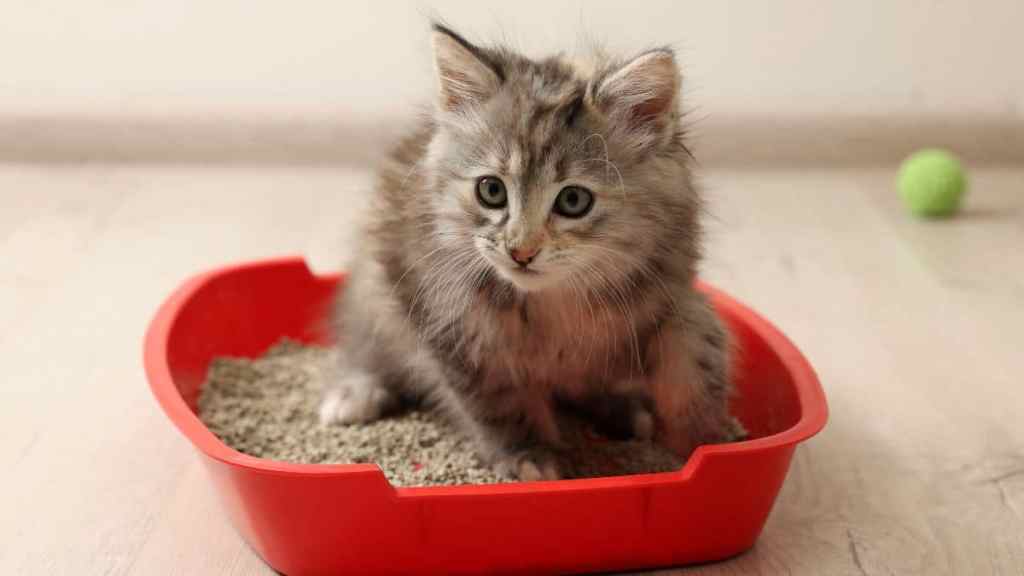
Kittens usually start learning litter habits between 3–4 weeks old, especially if they’re still with their mum. If you’ve adopted an older kitten (8+ weeks), you can begin training straight away.
Kittens learn fast — especially when observing their mother or older cats. In many cases, the training has already begun before they arrive in your home. However, moving to a new environment can unsettle them, even if they were perfectly trained before. New smells, new sounds, and new routines may temporarily throw them off — so it’s important to re-establish good habits from the very beginning.
If you’re adopting a kitten that was raised outside or without a mother, be prepared for a slower start. These kittens may need more guidance and reassurance. In such cases, patience is key — focus on consistency, and remember that even a few accidents at the start are completely normal.
Timing also matters in terms of mobility and independence. Very young kittens under 3 weeks may not yet be fully mobile or coordinated enough to use a tray effectively. By 4 weeks, most can start exploring and learning. At 8–12 weeks, they should be capable of mastering litter habits if given the right support.

Quick Tip
If your kitten has been raised indoors, chances are they’ve already had some experience using a tray. But a new environment means new routines — so don’t skip training.
Choosing the Right Litter Tray
Size and access matter
Your kitten needs to be able to climb in and out easily.
As your kitten grows, you can switch to a deeper or lidded tray if needed.
A tray that’s too tall or bulky can be a real obstacle for small kittens, especially in their first few weeks. Think of it like toddler-proofing — the easier it is to access, the more likely they’ll use it. High sides can feel overwhelming or be physically difficult for tiny legs and developing coordination.
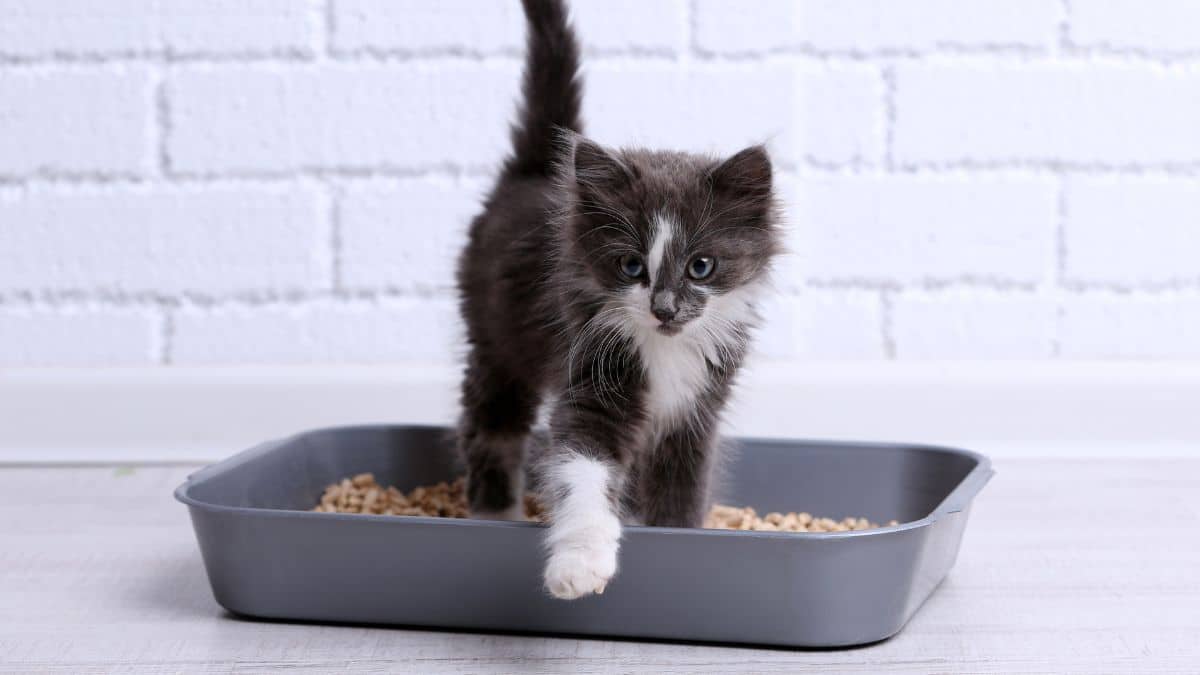
Start with open trays that have low rims (2–3 inches). These let your kitten hop in and out without stress. If they seem hesitant, it might not be the litter — it could be the size, shape, or even the colour of the tray.
Avoid automatic or self-cleaning boxes early on. Sudden movements or mechanical noises can spook kittens and lead to tray avoidance.
Once your kitten is confidently using the tray, you can transition to a larger or lidded version to help contain mess and reduce odour.
Picking the Best Litter for Kittens

Not all litter types are safe for little ones. Avoid clumping or scented litters for kittens under 4 months — they might ingest it while exploring. Safer options include:
Once they’re older and reliably using the tray, you can try clumping litters if preferred.
When choosing litter, safety should come before convenience — especially in the early weeks. Kittens are naturally curious and often explore with their mouths. Ingesting clumping litter can cause serious digestive issues, including blockages.
Stick to unscented, dust-free options to protect their developing respiratory systems. Even “natural” scents like pine or lavender can irritate sensitive kittens or cause them to avoid the tray altogether.
Paper or wood-based pellets are soft on paws, low dust, and biodegradable — a popular choice among vets and rescues. They’re also great for training, since they track less and are gentle enough for tiny toes.
If you plan to switch to clumping litter later on, make the transition gradually. Mix a small amount into the current litter over several days and monitor your kitten’s behaviour. If they start digging excessively or mouthing the litter, pause and try again when they’re a bit older.
Where to Place the Litter Tray
Location is everything. Your kitten wants a quiet, private spot — but not too far away.
If you have a large home, consider multiple trays so they’re never caught short.
Kittens are highly sensitive to their surroundings. Loud noises, constant activity, or unfamiliar spaces can make them avoid the tray. Think of it like your own bathroom — you’d want it quiet, clean, and nearby. Your kitten feels the same.
At the same time, don’t hide the tray somewhere difficult to reach. Behind closed doors, near appliances, or at the end of a long hallway can make the tray feel unwelcoming — or simply too far away.
In larger homes or multi-level spaces, a second tray is a must. Kittens may not make it across the house in time, especially during the night or in new environments.
Quick Tip
Watch your kitten for a day or two and take note of where they naturally like to rest, play, or retreat to. Placing a tray somewhere near their preferred “safe zone” can often lead to faster training success.
How to Train: Step-by-Step
🐾 1. Introduce the Tray Early
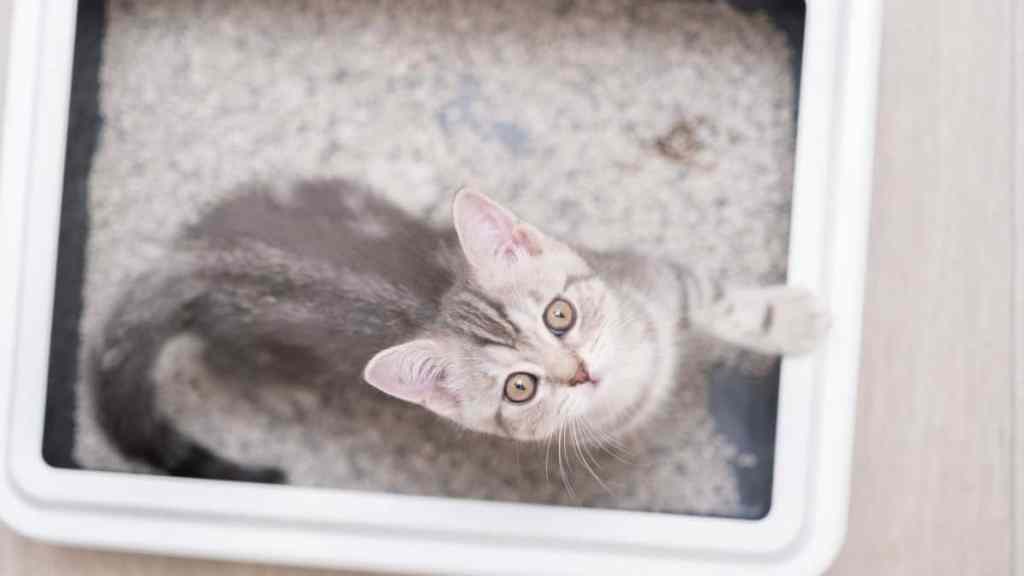
As soon as you bring your kitten home, place them in the litter tray and let them sniff and explore.
Do this even if they don’t seem interested right away. You’re creating familiarity — and even one good sniff helps them mentally bookmark the spot. Repeat this several times on day one, especially after travel, to build positive association.
🐾 2. Timing is Key
Encourage them to use the tray after:
- Meals
- Waking up
- Play sessions
If you see signs of squatting or sniffing, gently lift them into the tray. These are the moments they’re most likely to go. Keep an eye out for subtle body language: tail twitching, circling, or sudden stillness are your cues. The quicker you redirect, the faster they’ll connect the dots.
🐾 3. Reward Calmly
Praise them with a soft voice or gentle fuss after a successful visit. No need for treats — kittens respond well to calm encouragement.
Avoid loud excitement — the goal is to reinforce that using the tray is a normal, safe thing. A calm, reassuring tone helps make the experience feel secure and routine.
🐾 4. Clean Accidents Gently
If your kitten has an accident, clean the area thoroughly to remove odours, but never punish. Instead, revisit the basics — guide them back to the tray and reinforce.
Use enzymatic cleaners to fully remove smells — anything left behind might encourage a repeat accident in the same spot. Think of mistakes as communication, not defiance — and use them as cues to tweak tray access, placement, or timing.
How Many Litter Trays Do You Need?
The golden rule:
Even with one kitten, two trays give you options and reduce accidents. If you have multiple cats, make sure trays are placed in different areas of the house — not just lined up together.
Kittens, like adult cats, value choice — and offering more than one tray gives them flexibility. If one tray gets soiled or feels “off” to them (cats can be picky about scent and cleanliness), they’ve got another option ready.
Spacing is just as important as quantity. Lining up trays side by side may look tidy to us, but to a cat it feels like one big litter box. Instead, place trays in separate rooms or on opposite sides of the space. This helps reduce territorial issues and allows for peaceful bathroom time, especially in multi-cat households or busy homes.
Common Litter Training Challenges

Even with the best setup, kittens can run into a few bumps along the way. Here’s how to handle the most common issues — with patience, perspective, and practical solutions.
❌ Accidents Outside the Tray
Occasional accidents are completely normal during the early stages of litter training. But if your kitten is regularly missing the tray, it’s time to troubleshoot.
Check the basics:
- Is the tray clean and scooped daily?
- Is it placed in a quiet, low-traffic area?
- Can your kitten reach it easily — especially at night?
If those boxes are ticked and the accidents continue, look deeper. Kittens may avoid the tray if it smells strongly of cleaning products, is too close to food bowls, or if they’ve had a stressful experience nearby. Always clean accidents with an enzymatic cleaner to remove odours completely — lingering scent can encourage repeat mistakes.
If issues persist, consult your vet to rule out medical causes like urinary tract infections, digestive upset, or early signs of stress-related illness.
❌ Playing in the Litter
Many kittens go through a phase of treating the litter tray like a sandbox. It’s messy — but it’s also part of learning.
Young kittens are naturally curious. They’ll dig, roll, and even nap in the tray if it smells like them and feels safe. While harmless at first, this behaviour can become disruptive if it continues too long.
To redirect the behaviour:
- Provide more enrichment outside the tray — tunnels, dig boxes, and sensory toys
- Try switching to a different litter texture (wood or paper-based pellets often discourage play)
- Offer praise when they use the tray properly without turning it into a playground
In most cases, as your kitten matures and explores more of the house, the novelty will wear off.
❌ Avoiding the Tray
If your kitten suddenly stops using the litter tray, it’s usually a signal — not stubbornness.
Tray avoidance can be caused by:
- A stressful change in the environment (new pet, loud noise, visitors)
- Dislike of the litter texture or scent
- Feeling unsafe in the tray’s location
- A tray that hasn’t been cleaned recently
Kittens are creatures of habit, and small disruptions can shake their confidence. Re-establish consistency: put the tray in a low-stress location, keep it immaculately clean, and use an unscented, kitten-safe litter.
Sometimes, simply giving your kitten more quiet time, reassurance, and a simpler routine is all it takes to reset their habits.
Keeping the Tray Clean
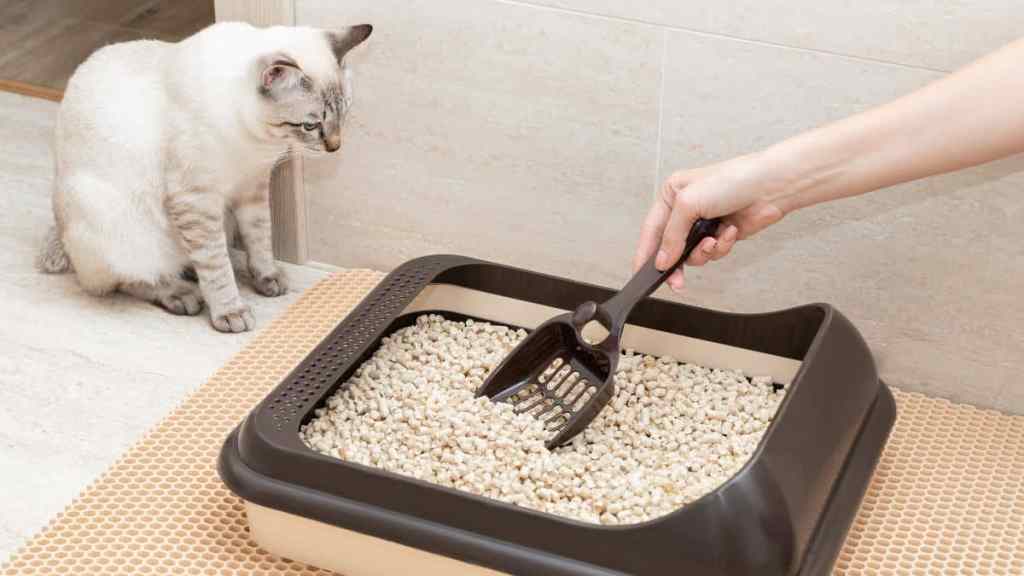
A dirty litter tray is one of the most common reasons kittens start having accidents. Scoop at least once a day, and clean the tray fully once a week using warm water and a pet-safe, unscented cleaner.
Avoid harsh chemicals or scented products — even a mild smell can put kittens off using the tray.
Quick Tip
A clean, odour-free tray keeps training on track and helps prevent problems before they start.
When to Ask for Help
Most litter training issues are easily fixed with time and consistency. But if your kitten is regularly soiling outside the tray, straining, crying, or showing signs of discomfort, it’s time to call your vet.
These could be signs of a urinary tract infection, digestive issues, or stress-related problems — all of which need prompt attention.
Trust your instincts: if something feels off, it’s always better to check.
Recap: Litter Training Checklist
Final Thoughts
Litter training your kitten doesn’t have to be stressful — in fact, it’s often one of the easiest parts of welcoming a new feline friend. With the right setup, a calm routine, and a bit of patience, most kittens pick it up in no time.
Stay consistent, be gentle, and remember: a few early accidents are just part of the learning curve. The habits you build now will set your cat up for a lifetime of confident, clean behaviour.