House training is one of the first and most important lessons your puppy will learn. Getting it right from the start will save you stress, mess, and frustration. In this UK-focused guide, we’ll walk you through a proven, step-by-step approach to puppy toilet training that works for all breeds.
Understanding House Training Basics
House training is about consistency, patience, and positive reinforcement. Puppies naturally want to keep their sleeping area clean, so your goal is to teach them where and when to go.
- Most puppies can’t hold their bladder for long—expect frequent toilet breaks.
- The general rule: A puppy can “hold it” for one hour per month of age (e.g., a 2-month-old puppy = 2 hours max).
- Puppies need toilet breaks after waking, eating, playing, and before bedtime.

Quick Tip
Choose a consistent toilet spot in your garden. Puppies learn by association, so always take them to the same place.
Creating a Puppy Toilet Training Schedule
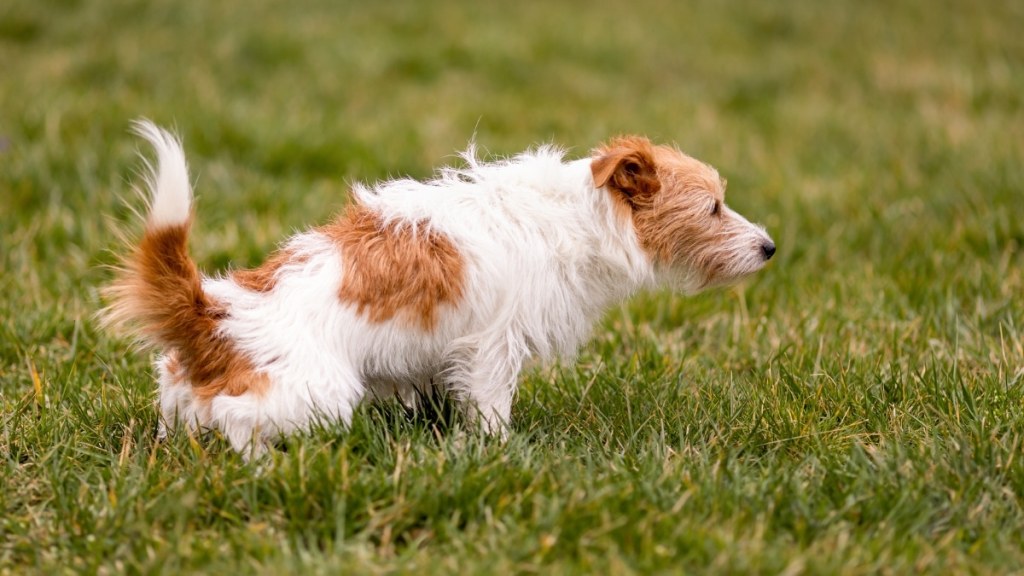
A structured schedule makes house training much easier. Here’s an example routine for an 8-week-old puppy:
|
Time |
Activity |
|---|---|
|
7:00 AM |
First toilet break (straight outside) |
|
7:30 AM |
Breakfast, then another toilet break |
|
9:00 AM |
Nap, then toilet break upon waking |
|
11:00 AM |
Playtime & training, followed by a toilet break |
|
1:00 PM |
Lunch, then a toilet break |
|
3:00 PM |
Afternoon nap, then a toilet break |
|
5:00 PM |
Playtime & training, then toilet break |
|
7:00 PM |
Dinner, then toilet break |
|
9:00 PM |
Wind-down time & final toilet break before bed |
|
11:00 PM |
Optional late-night toilet break |
Quick Tip
If your puppy has an accident, never punish them—interrupt gently and take them outside.
How to Reward & Reinforce Good Habits
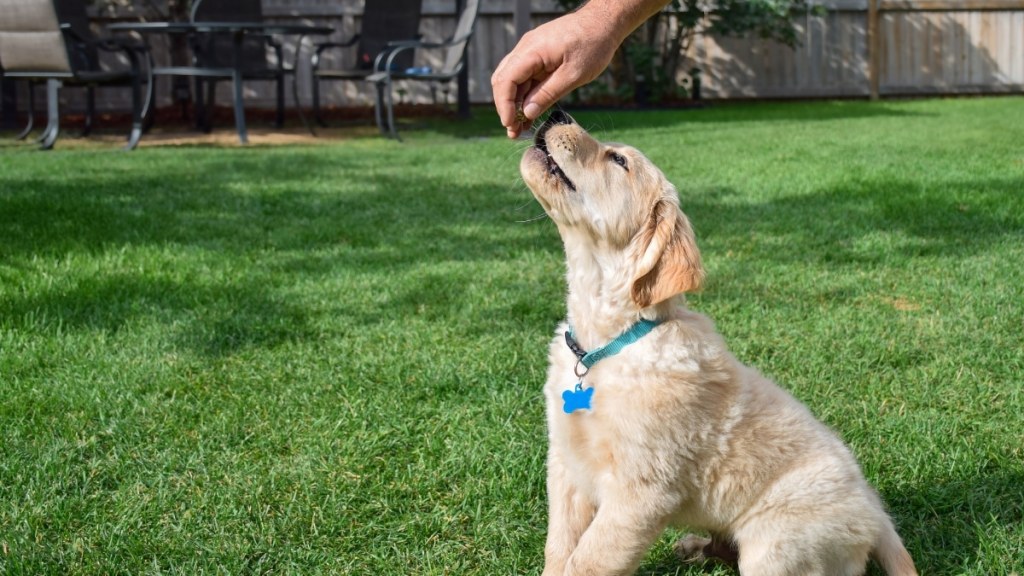
Positive reinforcement is the fastest way to house train a puppy:
- Use high-value treats (small, tasty rewards work best).
- Praise immediately when they go in the right spot.
- Add a cue word like “Go potty” to help them learn.
- Be patient—puppies learn at different speeds!
Quick Tip
Keep treats by the door so you can reward instantly.
Handling Accidents & Common Challenges

Even with a perfect routine, accidents happen. Here’s how to deal with them:
- Clean up accidents with enzymatic cleaners (standard cleaners won’t remove the scent completely).
- Avoid scolding your puppy—this can create anxiety and delay progress.
- If they start to go indoors, interrupt calmly and move them outside.
Quick Tip
Puppies may regress in training during teething or changes in routine—stay consistent!
Crate Training for Faster Housebreaking
Crates can be a great house training tool:
- Puppies avoid soiling their sleeping space, encouraging bladder control.
- Crates help with overnight training by reducing accidents.
- Always take them out immediately after waking from a crate.
Quick Tip
Make the crate a positive space—never use it for punishment.
Outdoor vs. Indoor Training: Which Is Best?
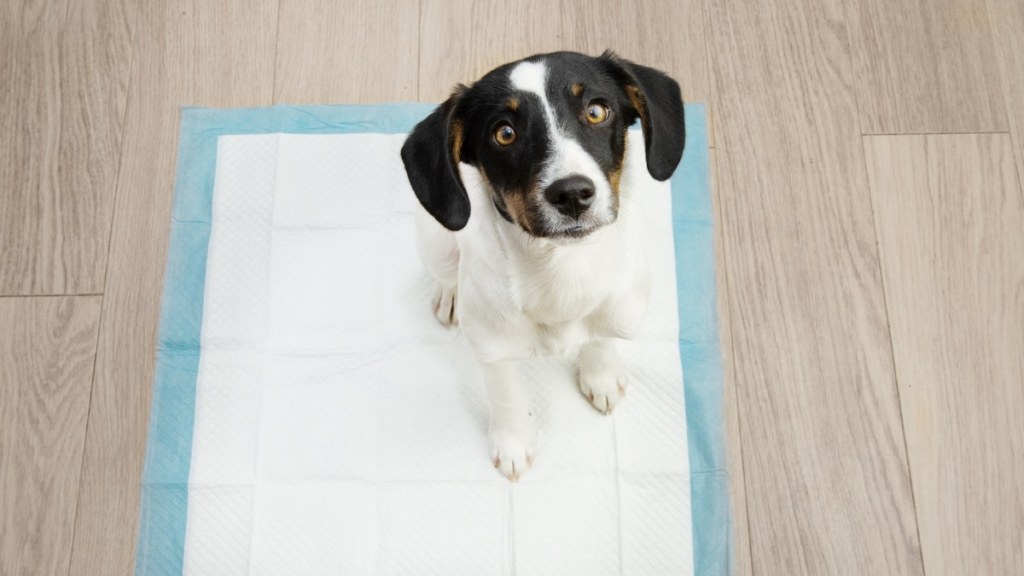
Outdoor training is ideal, but indoor pads can be useful if:
- You live in a flat or high-rise without easy outdoor access.
- Your puppy is too young for walks before vaccinations.
If using pads:
- Keep them in a consistent spot.
- Gradually move them towards the door to transition outside.
Quick Tip
Don’t rely on puppy pads for too long—it can delay outdoor training.
How Long Does House Training Take?
Most puppies are house trained by 4-6 months, but some take longer. Success depends on:
- Breed & size (small breeds have smaller bladders!).
- Consistency in training.
- Owner patience—setbacks are normal.
Quick Tip
If training is taking longer than 6 months, check for medical issues or inconsistencies in your routine.
FAQ: House Training Troubleshooting
Final Thoughts
House training takes patience, but staying consistent and using positive reinforcement will get results. Stick to a schedule, reward good habits, and stay calm through the setbacks—your puppy will get there!