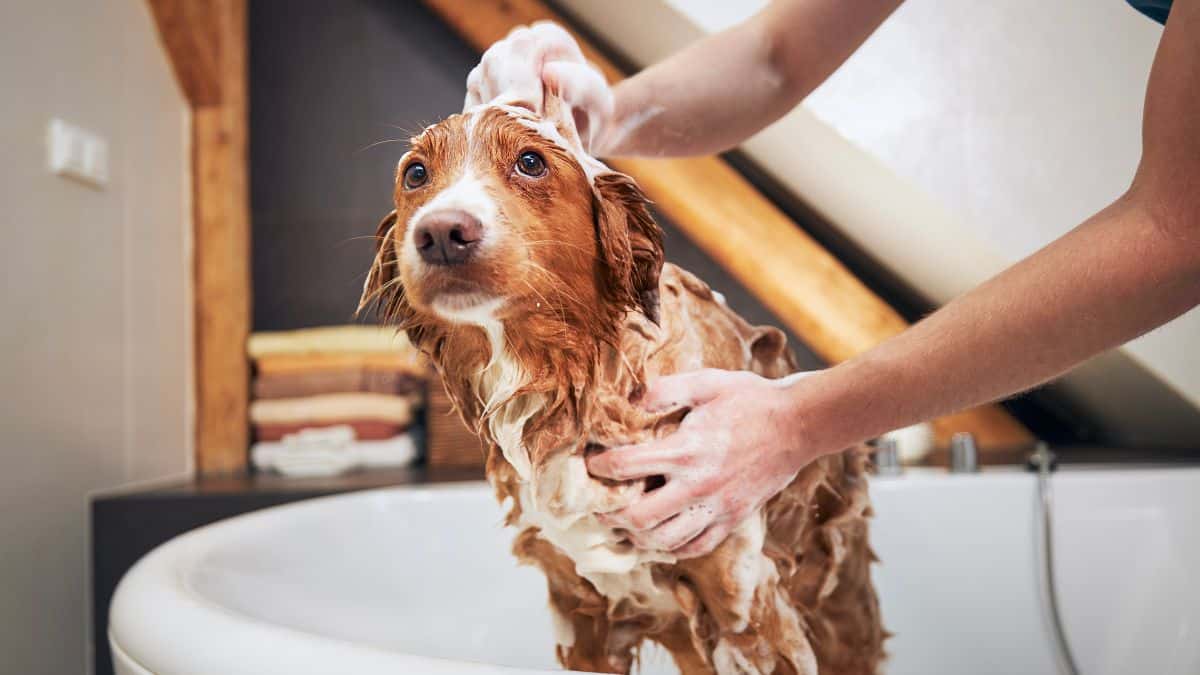
Rain, mud, fox poo… Welcome to dog ownership in the UK. Bath time isn’t just about making your dog smell nice — it’s an essential part of canine hygiene. But ask five owners how often to bathe a dog and you’ll get five totally different answers.
So what’s the truth?
In this guide, we break down how often you should actually be bathing your dog, based on their coat type, lifestyle, breed, and even the British climate. No fluff — just facts (and a few fun tips to make it easier).
Why Bathing Matters (But Overdoing It Doesn’t)
Bathing helps remove dirt, allergens, bacteria, and odours from your dog’s coat and skin. But too much bathing can strip away natural oils, causing dryness, itching, and irritation — especially in sensitive breeds.
Maintaining a balance between hygiene and skin health is key. Some dogs genuinely need more frequent washing, while others can go months without a scrub. What matters is why you’re bathing them, not just how often.

Quick Tip
Use lukewarm water and always choose a dog-specific shampoo. Human products (even baby shampoo) can mess with your dog’s skin pH.
General Bathing Frequency (The Short Answer)

If you’re just after a quick rule of thumb, here’s a rough idea — but remember, it’s not one-size-fits-all:
- Most dogs: Every 4–8 weeks
- Short-haired breeds: Every 2–3 months unless dirty
- Long-haired or double-coated breeds: Every 4–6 weeks with regular brushing
- Dogs with skin conditions: Follow your vet’s recommendation
- Puppies: Not too often! Every 2–3 months unless mucky, using a puppy-specific shampoo
Let’s take a closer look at how coat type can influence your routine.
Bathing by Coat Type
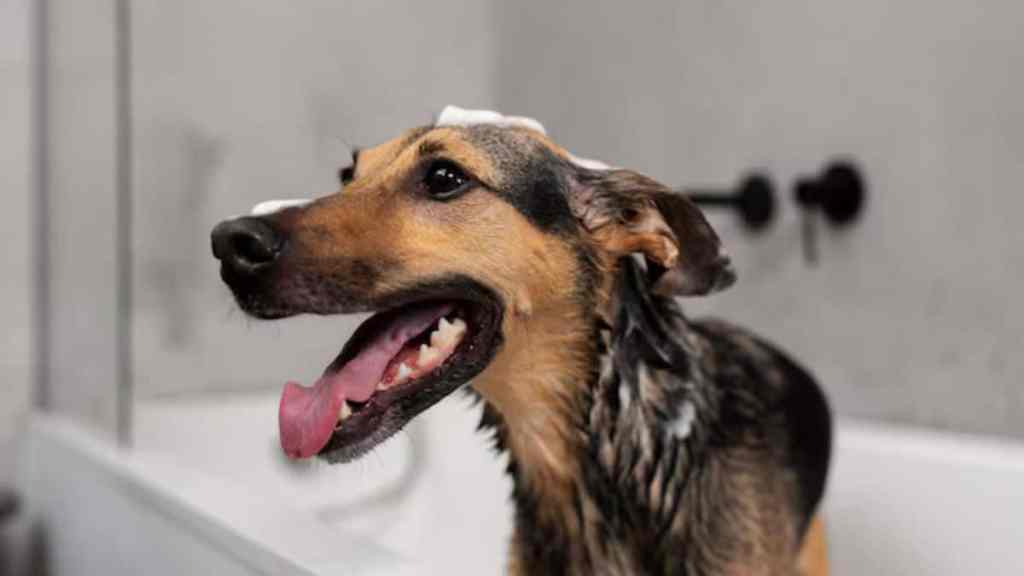
A dog’s coat determines how much dirt, oil, and moisture they trap — which directly affects how often they should be bathed. Some coats are almost self-cleaning, while others become a matted mess within days.
Short & Smooth Coats (Staffies, Boxers, Greyhounds, etc.)
Short coats are low-maintenance and don’t trap much grime. Dogs with this coat type typically don’t smell unless they’ve rolled in something — so bathing can be infrequent.
- These dogs don’t trap as much dirt or oil.
- Monthly baths (or less) are often enough.
Quick Tip
Use a soft mitt or grooming glove to loosen surface dirt between washes.
Medium & Double Coats (Labradors, Retrievers, Spaniels, etc.)
These coats are sneaky — they might look clean, but the undercoat can trap moisture, mud, and shed fur. They need more frequent grooming and a consistent bathing routine.
- Their coats can hide a lot of grime, especially in the undercoat.
- Bathe every 4–6 weeks, but brush often to avoid matting.
Quick Tip
Use a deshedding tool before and after bathing for better results.
Long & Silky Coats (Shih Tzus, Yorkies, Afghan Hounds, etc.)
Silky coats tangle easily and trap dirt like a magnet. These breeds often require professional grooming — so bath frequency often goes hand-in-hand with coat maintenance.
- Need regular upkeep to prevent tangles and debris.
- Every 3–4 weeks is typical — often paired with trims.
Quick Tip
Use a detangling spray post-bath to make brushing easier.
Curly & Wavy Coats (Poodles, Cockapoos, Bichons, etc.)
Curly coats are prone to matting and can hold onto smells longer. Regular bathing and brushing are essential for coat health.
- Can trap dirt and moisture, leading to skin issues if not properly cleaned.
- Aim for every 3–4 weeks, with regular brushing in between.
Quick Tip
Always dry these coats thoroughly to avoid that ‘damp dog’ smell.
Lifestyle & Environment Factors
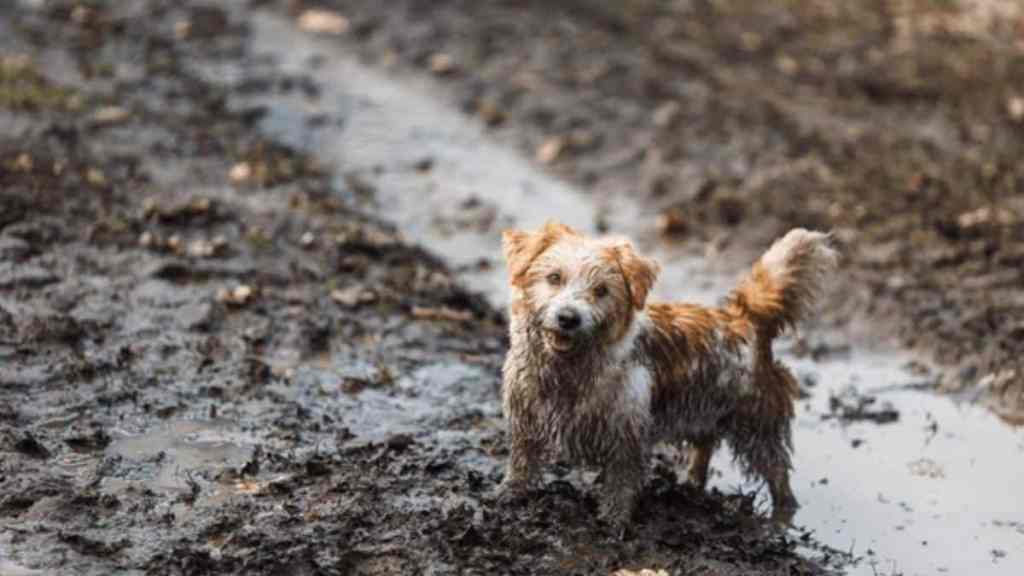
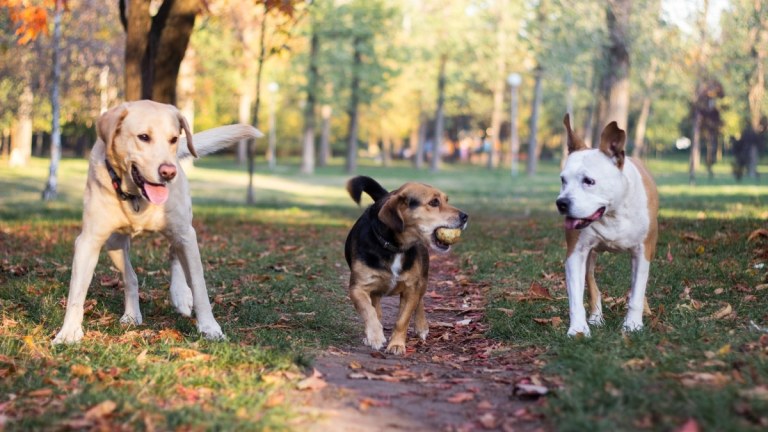
Bathing frequency isn’t just about breed — it’s about how your dog lives. Dogs who love the outdoors will need more baths than a pampered pooch who lounges indoors.
- Muddy walks & rainy parks: If your dog’s a regular in the woods or loves rolling, you’ll be bathing more often.
- City dwellers: May need fewer full baths, but regular paw and belly wipes are essential.
- Dogs that hate water: Use dry shampoo or grooming wipes for in-between clean-ups.
- Allergy-prone households: More frequent bathing (with hypoallergenic shampoo) can reduce allergens.
Quick Tip
For fox poo emergencies, keep an enzyme-based dog shampoo in the cupboard. It’s the only thing that works.
Breed-Specific Bathing Needs (UK Focus)
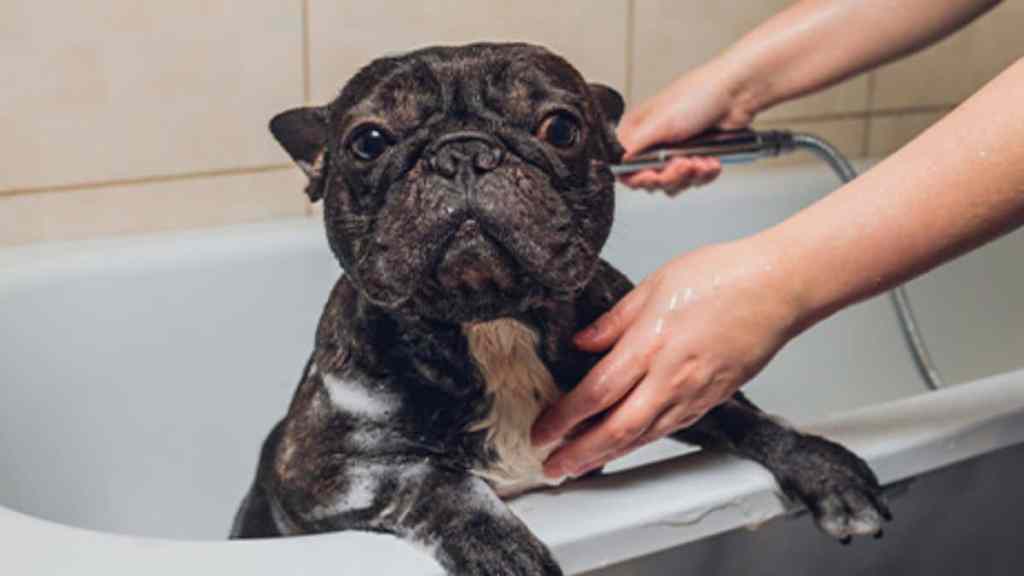
Let’s look at some popular UK breeds and their quirks when it comes to bath time:
- Bulldogs & Frenchies: Prone to skin issues — use a gentle, medicated shampoo if needed. Clean skin folds regularly.
- Labradors: Water-resistant coat means they dry slowly — brush before bathing to avoid the ‘wet dog’ trap.
- Cockapoos: Their curls hide grime — don’t skip grooming appointments if you’re not up for DIY.
- Terriers: Love to dig, roll, and cause chaos. Be ready for frequent rinses.
- Whippets & Greyhounds: Thin coats = less smell, less grime. Spot clean as needed.
Signs You’re Bathing Too Often
Too much of a good thing? Yes — and your dog’s skin will tell you. If you’re noticing any of the following, you may need to scale back:
- Dry or flaky skin
- Excessive scratching or licking
- Dull, brittle coat
- Redness or inflammation
These symptoms might also point to underlying issues — so speak to your vet if things don’t improve with a gentler schedule.
Quick Tip
If your dog smells bad quickly after a bath, it might be due to yeast or bacteria — not dirt.
Bath Time Survival Tips
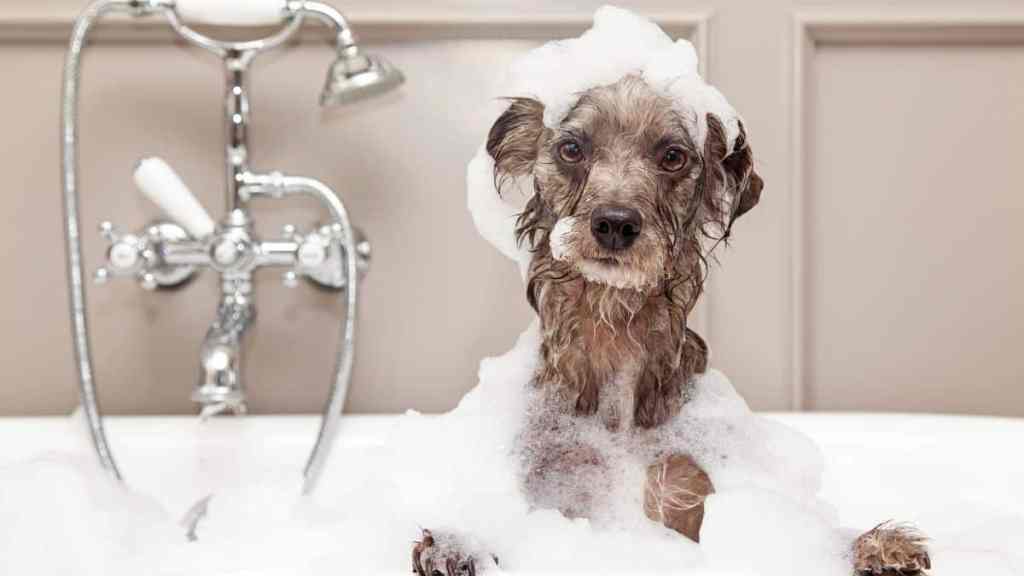
A smooth bath makes for a happy pup (and a dry human). Here’s how to keep the experience stress-free:
- Use a non-slip mat to prevent stress or injury
- Try a lick mat with dog-safe peanut butter to distract anxious pups
- Brush before bathing to reduce tangles
- Dry properly — use a microfibre towel or pet-safe dryer
Quick Tip
Keep a ‘bath basket’ with shampoo, treats, towels and a brush so you’re never hunting things down mid-wash.
FAQs
Final Thoughts
There’s no single answer to how often you should bathe your dog — it depends on their coat, lifestyle, breed and even their personality. But armed with the right knowledge (and shampoo), you can keep your dog clean and happy without overwashing.
Let them roll in the mud. You’ve got this covered.