The real answer depends on more than just breed or age…
If you’re asking “Am I walking my dog enough?”, you’re not alone. It’s one of the most searched dog-related questions in the UK—and with good reason. Every dog is different, and the right amount of walking isn’t just about stretching legs—it’s about physical health, mental stimulation, behaviour, bonding, and quality of life.
And while the old advice of “two walks a day” still floats around, the truth is some dogs need a lot more, and some need a lot less—depending on their breed, age, energy levels, health, and environment.
In this FluffPost guide, we’ll break down how often UK dogs need walking based on expert-backed data, behavioural insight, and what really works in day-to-day life—rain or shine.
Quick Answer: How Many Walks Does a Dog Need a Day?
Most healthy adult dogs in the UK need at least two walks per day, ideally lasting 30 minutes or more each. High-energy breeds like Collies and Spaniels may need up to 2+ hours of daily exercise, while lower-energy dogs or flat-faced breeds may only need one shorter walk. Puppies and older dogs require gentler, shorter walks—but more frequent outings. Breed, age, lifestyle and health all play a role.
Why Walks Matter More Than You Think
Walks aren’t just for bathroom breaks or burning calories—they’re your dog’s chance to experience the world. From sniffs and sights to social interactions and training moments, a walk offers everything from stimulation to stress relief.
Even if you’ve got a big garden, it’s not the same. Your dog doesn’t just want open space—they want novelty. They want to follow a scent trail, chase a leaf, or hear something new. It keeps their brain sharp, their mood steady, and their behaviour in check.
Without enough walks, dogs are more likely to:
Simply put? A well-walked dog is a happier, healthier, easier dog to live with.
Breed & Energy Levels: Why Some Dogs Need More Walks Than Others
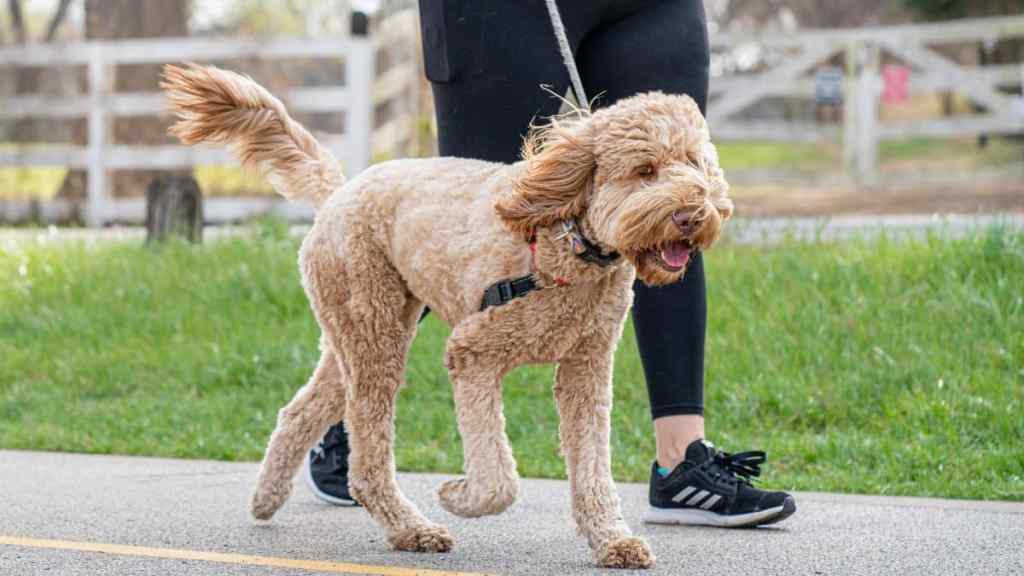
One of the biggest factors that determines how often your dog needs walking is their breed type and natural energy level. Dogs were bred for different jobs—from sprinting across fields to guarding gates or lounging on laps—and those instincts are still deeply wired in.
That’s why your neighbour’s Border Collie might be zooming around the park at 7am, while your Frenchie’s biggest concern is finding the comfiest patch of sofa.
Some breeds need a couple of brisk walks a day. Others need long sessions, off-lead sprints, and constant sniffing opportunities to keep them sane. And yes, there are a few that can cope with just one shorter stroll.
Here’s a breakdown of how many walks a day different types of dogs typically need in the UK:
How Many Walks Does My Dog’s Breed Need?
|
Type |
Examples |
Walks per Day |
Total Exercise Time |
|
High-Energy Working Dogs |
Border Collie, Springer Spaniel, Vizsla |
2-3+ |
1.5-2.5 hours |
|
Medium-Energy Companions |
Cockapoo, Beagle, Staffie |
2 |
1-1.5 hours |
|
Low-Energy or Small Breeds |
Shih Tzu, Pekingese, Chihuahua |
1-2 Short walks |
30-45 minutes |
|
Flat-Faced Breeds (Brachycephalic) |
French Bulldog, Pug, Boston Terrier |
1-2 Short Walks |
20-40 minutes |
|
Large Guardians |
Rottweiler, Mastiff, Akita |
1-2 Short Walks |
45-90 minutes |
Note: These are just averages. Some Shih Tzus are power walkers, and some Labradors are couch potatoes. You know your dog best—but this is a solid starting point.
How to Spot an Under-Walked Dog
If your dog is constantly demanding attention, chewing your skirting boards, or crashing into furniture like a wrecking ball, chances are… they need more walks.
Puppies, Adults & Seniors: How Age Affects Walking Needs
Just like us, dogs need different amounts of exercise at different stages of life. What works for a bouncy 2-year-old Labrador won’t suit a 12-week-old puppy or a senior dog with arthritis.
Walks should evolve alongside your dog’s age, joints, stamina and mental maturity. The goal is always the same—healthy stimulation without overdoing it.
Puppies: Gentle, Short & Frequent Walks
Puppies are bundles of energy, but their growing joints and bones are fragile. Too much structured walking too early can lead to long-term issues with hips, elbows, and general mobility.
A widely accepted guideline is the “5-minute rule” (i.e. 5 minutes of structured walking per month of age, up to twice per day. So:
- A 3-month-old pup = 15 mins x 2 walks
- A 6-month-old pup = 30 mins x 2 walks
But that’s just the walking part.
Puppies also need playtime, training sessions, indoor enrichment and naps—lots of naps. Think short walks with loads of sniffing, not long-distance hikes.
Adult Dogs: The Goldilocks Zone
From around 12–18 months (depending on breed), most dogs hit adulthood. This is when walk frequency and length should match their breed energy level, as covered in Part 2.
Adult dogs typically thrive with:
- Two structured walks a day (30–60 minutes each)
- Off-lead time (if safe and recall-trained)
- Mental stimulation in between walks
A consistent walking routine during adulthood helps with behaviour, weight management, and long-term joint health.
Senior Dogs: Low-Impact, High-Value Movement
As dogs age—often from around 7+ years for medium breeds or 10+ for smaller ones—the focus shifts from distance to gentle consistency.
Senior dogs still need walks, but:
- Make them shorter and slower
- Choose softer ground when possible
- Avoid slippery, icy or very hot pavements
- Break long walks into two or three manageable outings
Look out for stiffness, lagging behind, or reluctance to go out—these could be signs it’s time to adjust.
Rain, Routine & Real Life: What Happens When Walks Don’t Happen?
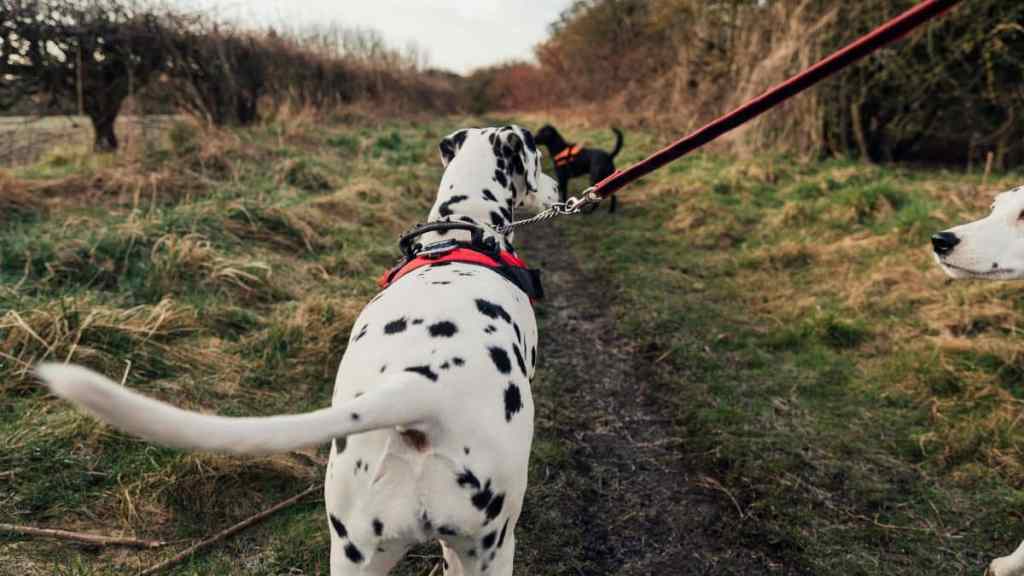
You wake up and it’s pouring down. You get home late from work and it’s pitch black. Or maybe your dog refuses to step outside because they’re part gremlin and hate getting wet.
Welcome to the UK dog walking experience.
Even the best owners can’t always manage two perfect walks a day. But if skipped walks become the norm, it’s your dog who’ll pay for it—with pent-up energy, poor behaviour, and possible weight gain.
That’s why it’s essential to understand alternatives, adjust expectations, and know how to supplement missed exercise days.
How UK Weather Affects Dog Walking
Rainy days:
Most dogs don’t mind the wet, but some breeds (especially flat-faced or low-to-the-ground dogs) really hate it. Try:
- Shorter, faster-paced walks
- A waterproof coat to keep them comfortable
- Wiping paws and bellies after muddy outings
Hot weather:
UK heatwaves may be rare, but they’re dangerous—especially for breeds like Frenchies, Pugs, and Bulldogs. Avoid walking at peak heat and use:
- Early morning or late evening slots
- Cooling mats or paddling pools for play
- Indoor games to keep them stimulated
Dark nights:
Safety becomes a factor. Use reflective gear, stick to well-lit paths, or consider:
- A quick walk plus indoor play
- Doggy daycare or walker support when possible
Busy Schedule? Here’s How to Compensate
If you can’t get two full walks in a day, mental stimulation becomes your best friend. A tired brain is just as good as a tired body. Try:
- Snuffle mats or scatter feeding
- Puzzle toys and frozen Kongs
- Short training sessions (sit, stay, recall)
- Scent games (hide a treat or toy and let them hunt)
Even 15 minutes of focused brainwork can help burn energy and reduce unwanted behaviours.
How to Tell if Your Dog Needs More Walks (Or Fewer)
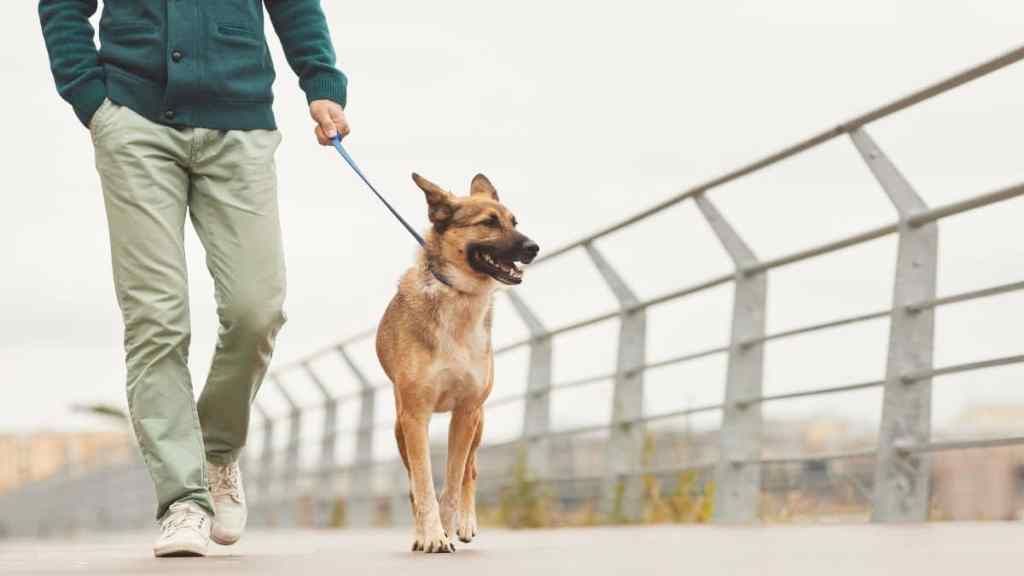
It’s easy to assume your dog’s getting “enough” exercise. But what does that actually look like? Are two walks enough for every breed? Can a garden count? Is boredom causing the mischief in your house?
Let’s look at the red flags that your dog might be under-walked, as well as signs you could be pushing things too far—especially important for puppies, seniors, or flat-faced dogs.
Signs Your Dog Needs More Walks or Exercise
If your dog is under-stimulated, they’ll almost always show you. You just need to learn the signs. Look out for:
- Hyperactivity in the evenings (zoomies, barking, pacing)
- Destructive chewing, digging or shredding indoors
- Constantly pestering for attention or toys
- Pulling frantically on the lead at the start of a walk
- Weight gain or lack of muscle tone
- Poor recall or restlessness on off-lead walks
- Seeming “naughty” when they’re actually under-exercised

Quick Tip
Walks aren’t just about burning energy—they’re a chance for your dog to sniff, explore, socialise, and learn. If all you’re doing is a quick lap around the block, you may need to mix things up.
Can You Over-Walk a Dog? Yes—Especially Puppies & Seniors
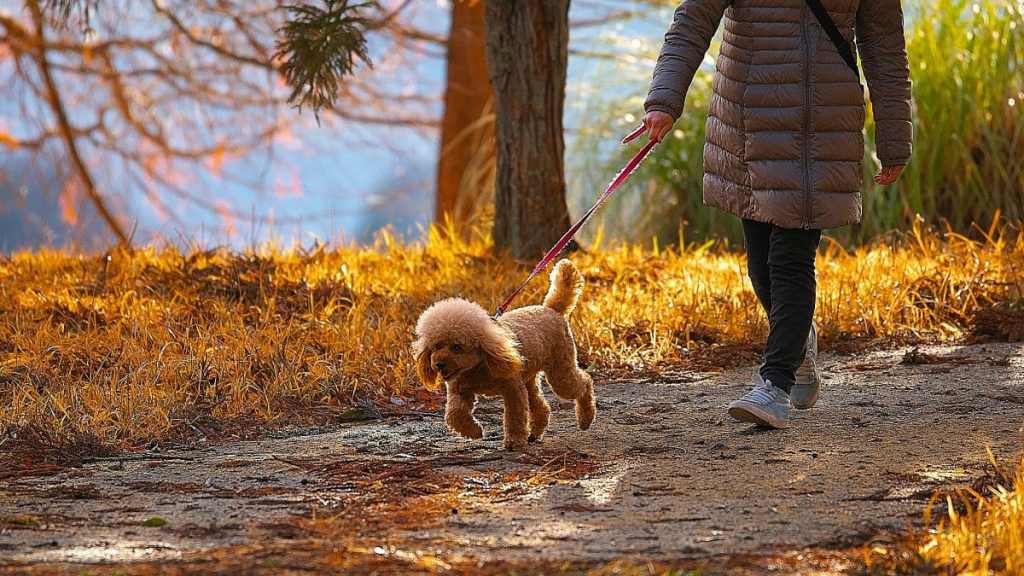
We’ve covered under-exercising, but what about too much?
Yes—over-walking is a real thing, and it can lead to joint damage, exhaustion, and even behavioural fallout. It usually happens when owners mean well but don’t tailor walks to their dog’s age or ability. Watch out for signs like:
- Limping or stiffness after walks
- Refusing to go out or lagging behind
- Sleeping excessively for long periods after
- Irritability or restlessness instead of relaxation
- Panting, heavy drooling, or collapse (in severe cases)
Over-walking is especially risky for:
- Young puppies with growing joints
- Older dogs with arthritis or hip issues
- Brachycephalic dogs that struggle with heat or exertion
Final Thoughts: So, How Many Walks Does a Dog Really Need?
Here’s the truth: there’s no magic number. But for most dogs in the UK, two walks a day is a solid rule of thumb—as long as those walks are thoughtful, stimulating, and suited to your dog’s age, breed, and energy levels.
Some dogs will thrive on hours of off-lead play. Others will be happy with short, gentle strolls and a sniff around the block. Puppies and older dogs need a slower pace. High-energy breeds? They need structure, movement, and variety to feel truly satisfied.
What matters most isn’t how many walks you tick off on a schedule—it’s whether your dog is:
- Calm and content at home
- Sleeping well
- Engaged and focused on walks
- Free from boredom or frustration-driven behaviours
Every dog is different. Your routine should be too. And remember—when in doubt, go for a walk. You’ll both feel better for it.