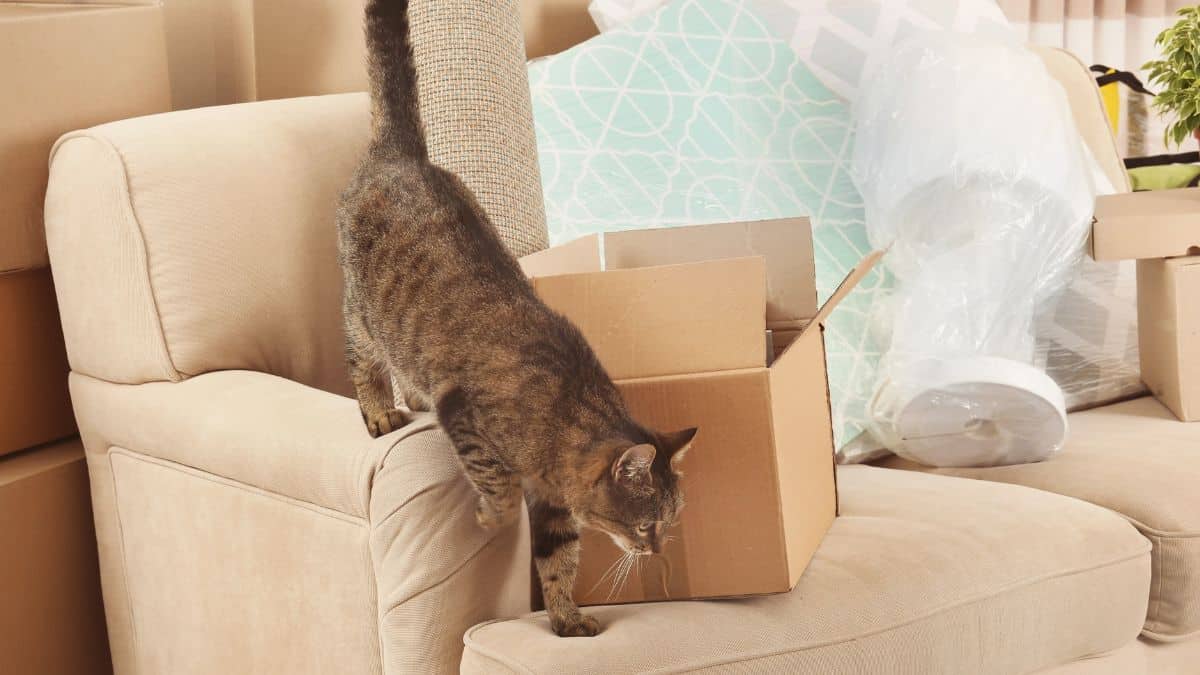
Moving house can feel like chaos — for you and your cat. While you’re unpacking boxes, your cat is trying to make sense of a space that smells, sounds, and looks completely unfamiliar. For a species so attached to territory and routine, it’s a lot to handle.
The good news? With a bit of preparation, empathy, and slow, steady steps, you can help your cat feel safe, confident, and at home again — no matter how far you’ve moved.
Quick Answer: How do I help my cat adjust after moving house?
To help your cat adjust after a move, create a calm, enclosed space with familiar scents, stick to their usual routines, and let them explore the new environment gradually. Give them time, patience, and plenty of reassurance — most cats will settle in over a few days to a few weeks, especially with a safe “base” room to retreat to.
Why Moving House Is Such a Big Deal for Cats

Cats aren’t just attached to you — they’re attached to territory, scent, and routine. Your home, to them, isn’t just a backdrop — it’s a mapped-out world filled with familiar smells, safe zones, predictable pathways, and ownership. When that entire landscape disappears overnight, it’s more than confusing — it’s destabilising.
In feline terms, moving house feels like losing everything they understood about safety.
It’s completely normal for your cat to:
These behaviours don’t mean your cat is being difficult. They’re signs of stress — and a healthy, instinctive attempt to regain control in a situation that feels anything but.

Quick Tip
Think of your cat not as a travel companion, but a homebody. They don’t just live in your house — they claim it, scent it, and rely on it to feel secure. Moving pulls that rug out from under them, so it’s no surprise when it takes time to rebuild trust in a new space.
Before the Move: Preparing Your Cat for a Smoother Transition
A house move might feel overwhelming to you, but your cat has no idea what’s coming — just that their environment is changing in unsettling ways. The good news is that a little planning goes a long way in making the move gentler and less traumatic for them.
Here’s how to lay the groundwork for a stress-reduced transition:
⏰ Keep routines steady
Cats thrive on predictability. In the days or weeks leading up to the move:
- Stick to your usual feeding, playtime, and cuddle schedules.
- Keep their food bowls, litter trays, and beds in the same spots as long as possible.
- Avoid introducing new toys, litter, or foods during this time — change is already coming.
The more stable their daily life feels, the less anxiety they’ll experience.
🚪 Create a designated “safe room”
About a week before the move:
- Set up a quiet room in your current home just for them.
- Include their bed, litter tray, toys, food and water, and ideally something that smells like you — a worn T-shirt or blanket.
- Start feeding and spending time with them there so they begin to associate the room with calm and comfort.
On moving day, this safe room will be where they stay while everything else is being dismantled — away from loud noises, open doors, and removal chaos.
🌿 Use calming aids
Some cats respond really well to pheromone diffusers or calming sprays. Products like Feliway mimic the natural facial pheromones cats use to mark safe territory.
- Plug them in near their bed a few days before the move.
- Continue using them in the new home, especially in their initial safe room.
Quick Tip
On moving day, keep your cat safely confined in their safe room until the last possible moment. Don’t allow them to roam the house while people are coming and going — escape risk is high, and stress levels will be through the roof.
Moving Day: Keeping Stress to a Minimum

Even the calmest cats can unravel on moving day — and with good reason. The sounds, smells, and constant activity are overwhelming, and every instinct will be telling your cat: “Something’s wrong.”
To make the day as smooth and low-stress as possible, it’s all about safety, calm, and scent continuity.
🧳 Prep the carrier with care
Your cat’s carrier is their travel den — and it should smell and feel as familiar as possible.
- Line it with a blanket or towel that smells like home — ideally something they’ve slept on recently.
- Add a few treats or a favourite toy to ease anxiety and encourage a voluntary step inside.
- Spray the inside with a calming pheromone spray about 15 minutes before use.
If your cat is particularly fearful, you can even leave the carrier open in the safe room for a few days before the move so they can explore it freely.
🚗 Keep the journey calm and quiet
- Place the carrier on a stable, secure surface in the car (never loose on a seat).
- Cover it lightly with a breathable cloth to reduce visual stimulation.
- Avoid loud music or bumpy detours — smooth, quiet travel matters.
- Speak softly, but don’t be tempted to open the carrier mid-journey.
It’s best if one person can sit near the carrier to offer calm reassurance — but remember, cats prefer low-key comfort over too much interaction when they’re stressed.
Quick Tip
Before setting off, make sure the new house is ready to receive them — ideally with their safe room already set up. This way, when they arrive, they can go straight from the car to a quiet, familiar-smelling space with no fuss or confusion.
The First 24–48 Hours: Setting Up Their New Safe Space
Your new house may feel exciting and full of potential, but to your cat, it’s loud, scentless, and unfamiliar — basically, enemy territory. The first two days are all about creating one calm, secure space where your cat can decompress and begin adjusting on their terms.
Choose a quiet, enclosed room
Pick a space you can close off — ideally somewhere low-traffic like a guest bedroom or study. This becomes their “base camp” for the first few days. Inside, set up:
Unwashed items from the old house — like a blanket, towel, or your worn clothing — go a long way in making the space feel familiar.
Keep them confined initially
As tempting as it is to let your cat explore straight away, give them time. Let them adjust to one safe zone before introducing anything else. You’ll know they’re starting to settle when they:
- Eat and drink normally
- Use the litter tray consistently
- Stop hiding and begin approaching you
- Groom themselves and stretch out when resting
Don’t rush it — some cats need a day, others may need several.
Quick Tip
Sit in the room with them quietly. Read a book, scroll your phone, or just be present. This lets your cat observe you in the new environment without pressure — and helps them connect you to the safety of their new space.
Helping Your Cat Explore the New House Safely
Once your cat starts showing signs of confidence — eating, grooming, using the litter tray, and interacting with you — it’s time to let them explore beyond their safe room. But in a brand-new house full of unknown corners, the golden rule is: go slow.
Exploring too much too soon can overwhelm a cat and actually set back progress. The goal is to help them expand their territory in a way that feels controlled, predictable, and safe.
Open one room at a time
Rather than giving them access to the entire house, open up the space gradually:
- Let them explore one additional room at a time, ideally one connected to their safe room.
- Supervise early explorations, especially in rooms with hiding spots (like under beds or behind appliances).
- Watch for body language — tail flicking, low crouching, or fast darting are signs they need to pause.
Allow them to retreat freely back to their base room whenever they need.
Make the new space feel familiar
Help your cat feel ownership over new areas by “seeding” the house with familiar items:
- Move scratch posts, blankets, or beds room by room.
- Use soft cloths to gently rub around your cat’s face and then dab those scents on furniture legs and door frames — this spreads their own comforting pheromones.
- Avoid introducing strong new smells (like cleaning sprays or candles) during this adjustment period.
Quick Tip
Keep doors and windows closed, and double-check for any gaps or unsafe hiding places (e.g. open chimneys, gaps behind appliances). A scared cat can squeeze into surprisingly tight spaces if they panic.
Outdoor Access After a Move: When and How

If your cat normally spends time outside, it’s crucial to delay reintroducing outdoor access until they feel fully settled indoors. Cats are territorial, and if they’re let out too soon, they may become disoriented — or even try to return to your old address.
The safest timeframe to wait is 3–6 weeks, depending on your cat’s confidence and how well they’ve bonded to the new space.
Why the wait is so important
Your cat needs time to:
- Recognise the new house as home base
- Scent-mark the territory with face and paw glands
- Build a new mental map of the layout and surrounding sounds
- Associate their daily routine with the new location
Letting them outside before this bond forms increases the risk of escape, anxiety, or vanishing altogether.
The safe outdoor reintroduction process
- Reinforce the new home as their “anchor”
- Feed at the same times every day.
- Let them return to a calm, familiar indoor setup after every meal or exploration.
- Start with supervised sessions
- Use a secure garden, catio, or a harness and lead to explore together.
- Let them sniff, scent-mark, and observe — but keep it short and positive.
- Gradually increase freedom
- Watch for signs of strong site attachment, like face rubbing, door lingering, or coming when called.
- Once confident, allow short, unsupervised access — ideally before mealtimes, so they return quickly
Quick Tip
Make sure your cat is microchipped and your contact details are fully updated before allowing any outdoor access. This is both a legal requirement and your best safety net in case of escape or confusion.
Common Issues After Moving House — and How to Help
Even with the smoothest transition, most cats will show signs of stress or confusion after a house move. These reactions are natural — and usually temporary — but knowing what to expect (and how to respond) can make all the difference.
Here’s a breakdown of the most common post-move cat behaviours and how to gently support recovery:
|
Issue |
Why it Happens |
How to Help |
|---|---|---|
|
Hiding constantly |
Fear and insecurity in unfamiliar surroundings |
Don’t force interaction. Offer hideaways and safe zones. Let them come to you. |
|
Not eating |
Stress or anxiety disrupting appetite |
Try warming food slightly or offering strong-smelling options like tuna. |
|
Litter tray accidents |
Disorientation or stress-related elimination |
Ensure trays are in quiet, accessible spots. Keep them clean and consistent. |
|
Clinginess |
Seeking comfort and reassurance |
Offer affection and presence, but avoid overstimulation. |
|
Aggression or withdrawal |
Overwhelm from change or sensory overload |
Give space, use calming aids (like pheromones), and consult a vet if persistent. |
Special Considerations for Nervous, Elderly, or Rescue Cats

Some cats need extra time, space, and sensitivity when adjusting to a new home — especially if they’re older, anxious by nature, or have a history of trauma or instability.
While most cats adapt within a few weeks, these feline friends may require a slower, more deliberate approach.
Rescue Cats
Cats who’ve been rehomed before or come from uncertain backgrounds may find moving especially stressful. Change can reactivate old fears — even if they trust you.
How to help:
- Move at half-speed — keep them confined longer and expand their world gradually.
- Prioritise predictable routines — feeding, playtime, and quiet companionship at consistent times.
- Use multiple hiding spots in each room, so they never feel trapped.
- Avoid loud noises, strangers, or guests for the first few weeks if possible.
Elderly Cats
Senior cats may struggle more with:
- Navigating stairs or slippery floors
- Locating litter trays in unfamiliar layouts
- Coping with sensory overload (especially if vision or hearing is impaired)
How to help:
- Keep food, water, and litter on the same level — ideally close to their resting area.
- Use non-slip mats near bowls and beds.
- Avoid unnecessary furniture shifts once they’ve started adjusting.
- Give them a quiet space to rest, well away from household noise.
Nervous or Skittish Cats
Timid cats often become even more withdrawn after a move — especially if they tend to bolt, hide, or freeze when startled.
What helps:
- Offer safe zones in every room — cardboard boxes, igloos, covered beds, or cat tunnels.
- Use vertical space like cat shelves or towers so they can watch from above without pressure.
- Avoid too much eye contact or physical touch early on — let them make the first move.
- Reinforce calm behaviour with soft praise and treats — never punish fear-based responses.
Quick Tip
Give these cats a sense of choice. Let them explore at their own pace, decide when to interact, and find their own “base camp” — even if it’s behind the sofa for a week.
Summary Table: Helping Your Cat Adjust After Moving House
|
Stage |
Key Tips |
|---|---|
|
Before the Move |
Keep routines steady, prep a safe room early, use pheromone diffusers |
|
Moving Day |
Confine your cat, use a familiar carrier, minimise noise and stress |
|
First 48 Hours |
Create a calm safe space, limit access, use familiar scents |
|
Gradual Exploration |
Introduce one room at a time, supervise, spread their scent throughout |
|
Outdoor Access |
Wait 3–6 weeks, start with supervised outings, update microchip info |
Final Thoughts
Moving house is one of the most disorienting experiences a cat can face — but with empathy, preparation, and patience, it doesn’t have to be traumatic. From scent-marking to routine, everything that made your last house feel like home can be recreated — one careful step at a time.
The secret is to let your cat take the lead. Follow their signals, provide safe spaces, and don’t rush the process. Within days or weeks, that tentative pacing and cautious sniffing will give way to window-watching, purring, and familiar routines once again.
Because home, for your cat, isn’t just four walls — it’s wherever they feel safe, confident, and loved.