Whether you’ve got a brand-new puppy taking their first steps into the world or a rescue dog starting fresh in a new home, toilet training is one of those essential (and sometimes frustrating) early challenges. It’s a process full of hope, learning, and — let’s be honest — a few messy surprises along the way.
Even the most attentive dog owners will encounter the odd accident. And while it might feel like a setback in the moment, it’s all part of the learning curve. The real trick isn’t avoiding every mistake — it’s knowing how to handle those little mishaps calmly, kindly, and effectively.
What you use to clean up matters more than most people realise. Some products can confuse your dog, encourage repeat accidents, or even put their health at risk. Others can support your training efforts and help your home stay fresh, clean, and stress-free.
In this guide, we’ll walk you through exactly what to use when your dog toilets indoors — and what to avoid. Whether you’re in the early stages of house training or managing the occasional slip-up, we’ve got your back (and your floors).
Quick Answer: What to use when accidents happen
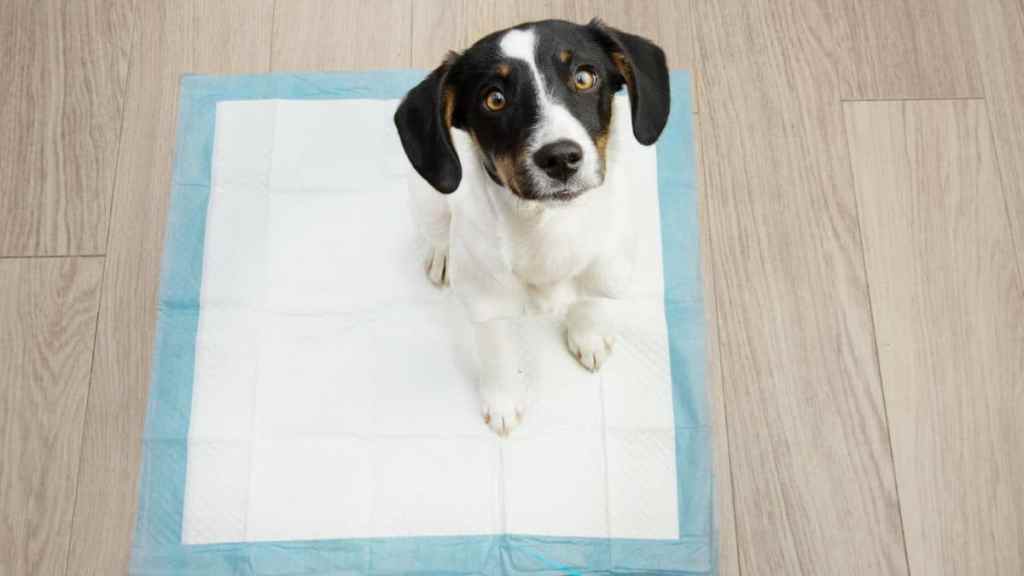
Clean toilet accidents with a pet-safe enzymatic cleaner to eliminate lingering smells and stop repeat marking. Avoid bleach, never punish your dog, and use puppy training pads and high-value treats to keep progress moving positively.
Why accidents are part of the toilet training journey
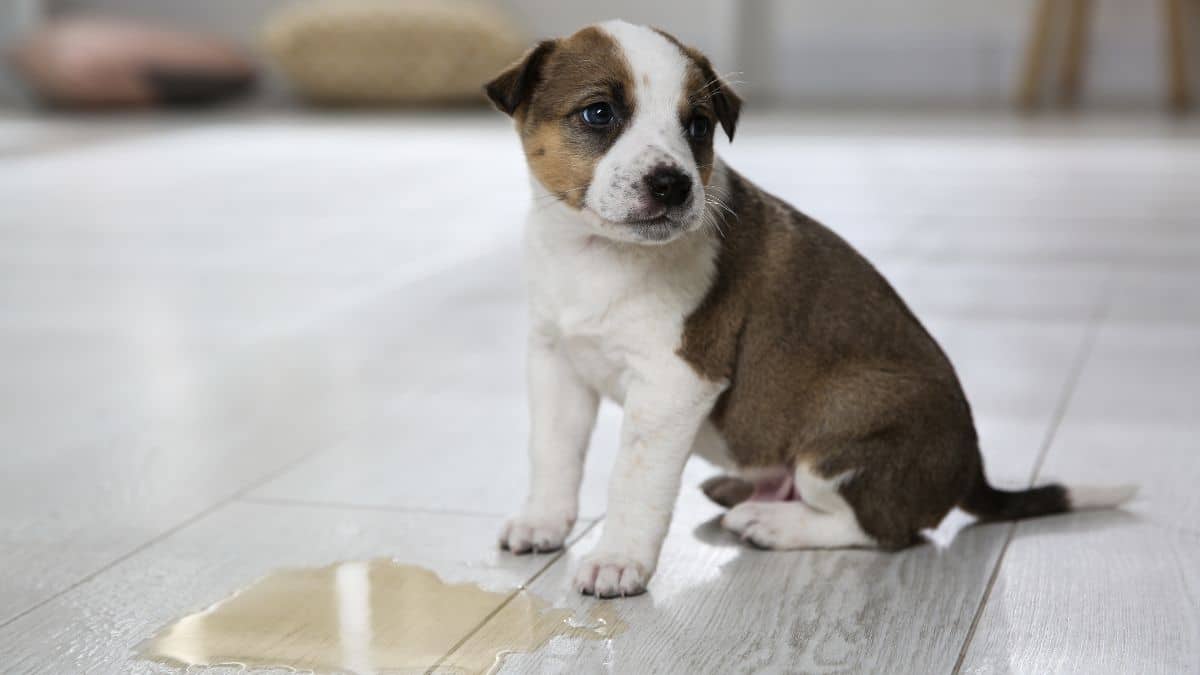
No matter how well you’re prepared, accidents are part and parcel of the toilet training process. Especially for young puppies, newly adopted rescue dogs, or even adult dogs adjusting to a change in home setup, getting toilet training right takes time, clear communication, and above all — patience.
Toilet accidents are a normal stage of learning, not a sign of failure. Your dog isn’t being naughty — they’re still figuring out what’s expected of them in a human world.
Accidents usually happen because:

Quick Tip
Dogs thrive on consistency. Frequent toilet breaks, clear verbal cues, and prompt, thorough clean-ups all help your pup understand where they should go — and avoid confusion about where they shouldn’t.
What to use when your dog toilets indoors
Not all cleaning sprays are created equal. While many household floor cleaners smell pleasant to us, they can confuse your dog — or worse, encourage them to toilet in the same spot again.
Dogs rely heavily on scent to decide where to go. If any trace of urine or faeces remains — even if we can’t smell it — your dog likely can. That’s why using the right cleaner makes a big difference.
✅ Use: A pet-safe enzymatic cleaner
Enzymatic cleaners break down the proteins found in dog messes, eliminating the scent markers that signal “toilet area” to your pup. They’re safe for pets, effective on carpets, floors, and soft furnishings, and they help prevent future accidents in the same spot.
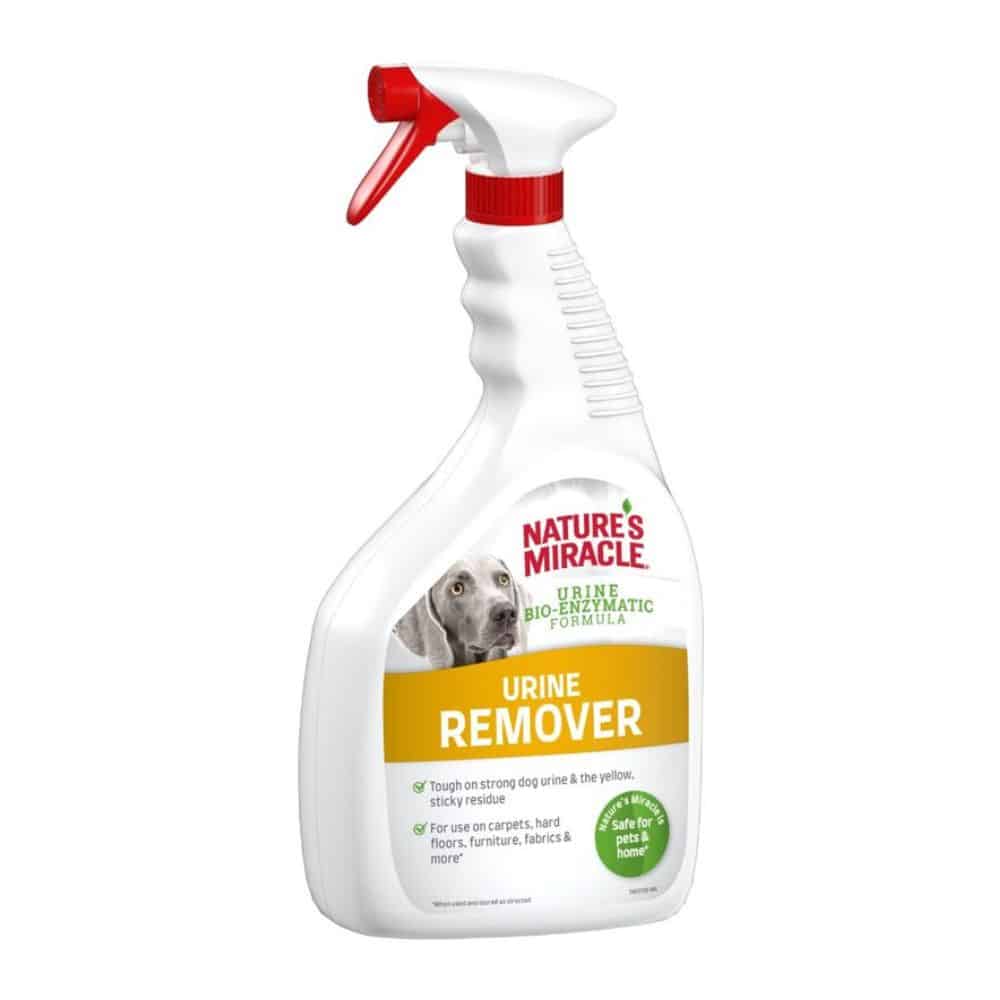
This trusted enzymatic cleaner is perfect for carpets, floors, and fabric. It breaks down urine at the molecular level and prevents future marking.
❌ Avoid: Bleach and ammonia-based cleaners
- Bleach can mimic urine scent, attracting dogs back to the same spot
- Ammonia is a natural by-product of urine, which can confuse scent cues
- Some harsh chemicals are toxic to pets and unsafe for regular use
Step-by-step: What to do when your dog has an accident
Here’s how to respond calmly and effectively when your dog has an accident indoors:
1. Stay Calm
No shouting, no pointing, no fuss.
Your dog doesn’t associate past actions with punishment, so scolding them after the fact only creates fear and confusion. Staying calm helps maintain a positive training environment and prevents accidents from becoming emotionally charged events. Instead of reacting emotionally, take a breath and remind yourself this is part of the process — not a failure.
2. Remove your Dog From the Area
This prevents reinforcing the spot.
Once a dog toilets indoors, the smell — even if faint — can draw them back to the same spot. By gently guiding your dog away from the scene, you reduce the chance of them mentally linking that space as an ‘approved’ toilet zone. It also helps you concentrate on cleaning without them interfering or sniffing around.
3. Blot Up The Mess
Use paper towels or a microfibre cloth. Soak up as much as possible before spraying.
The more you can absorb before applying any cleaner, the more effective the cleaning process will be. Avoid scrubbing, as this can push urine deeper into carpet fibres or fabric. Blotting gently lifts the surface moisture and prepares the area for the enzymatic cleaner to do its job thoroughly.
⭐ FluffPost Recommends:
Amazon Basic Microfibre Cleaning Cloth
Soft, durable, and reusable, these cloths are perfect for mopping up pet messes without spreading stains. Machine washable and gentle on all surfaces.
4. Clean Thoroughly With an Enzymatic Cleaner
Make sure the product sits for the full recommended dwell time.
Enzymatic cleaners break down the proteins and ammonia in urine and faeces that attract dogs back to the same spot. It’s essential to let the product sit undisturbed for the time stated on the label — usually 5 to 10 minutes — so it can work at a molecular level. Wiping it off too soon can leave behind invisible scent markers your dog can still detect.
5. Deep Clean Carpets or Upholstery
Use a pet-safe spot cleaner if needed.
For set-in stains or lingering smells, surface cleaning may not be enough. A portable spot cleaner uses water and suction to extract mess from deep within carpet fibres or upholstery padding. This is especially useful if your dog has soiled the same area more than once or if the material has absorbed odours that sprays alone can’t reach.
⭐ FluffPost Recommends:
Rug Doctor Pet Portable Spot Cleaner
This portable carpet and fabric cleaner is ideal for deep-set stains and lingering smells. A powerful backup to your enzymatic spray for pet messes on soft surfaces.
6. Take Your Dog Outside
Take your dog outside immediately and reward them if they go in the right spot.
Even if the accident has already happened, giving your dog the chance to finish toileting outside helps reinforce the correct location. Praise and reward them as soon as they go, not when you return indoors. This builds a clear and positive association with toileting outdoors, helping speed up their understanding of where to go.
⭐ FluffPost Recommends:
Lily’s Kitchen Puppy Chicken Nibbles with Salmon
Soft, natural, and packed with flavour, these puppy-specific training treats are perfect for reinforcing outdoor toileting success — even with fussy eaters.
Common mistakes to avoid during toilet training
|
Mistake |
Why it backfires |
|---|---|
|
Telling them off |
Increases fear and anxiety, delays training |
|
Rubbing their nose in it |
Outdated, ineffective, and distressing |
|
Using bleach |
Mimics urine smell and attracts repeat accidents |
|
Missing signals |
Dogs often show early signs like sniffing or circling |
|
Expecting instant perfection |
Toilet training takes weeks, not days |
Keeping accidents to a minimum: Build a solid routine
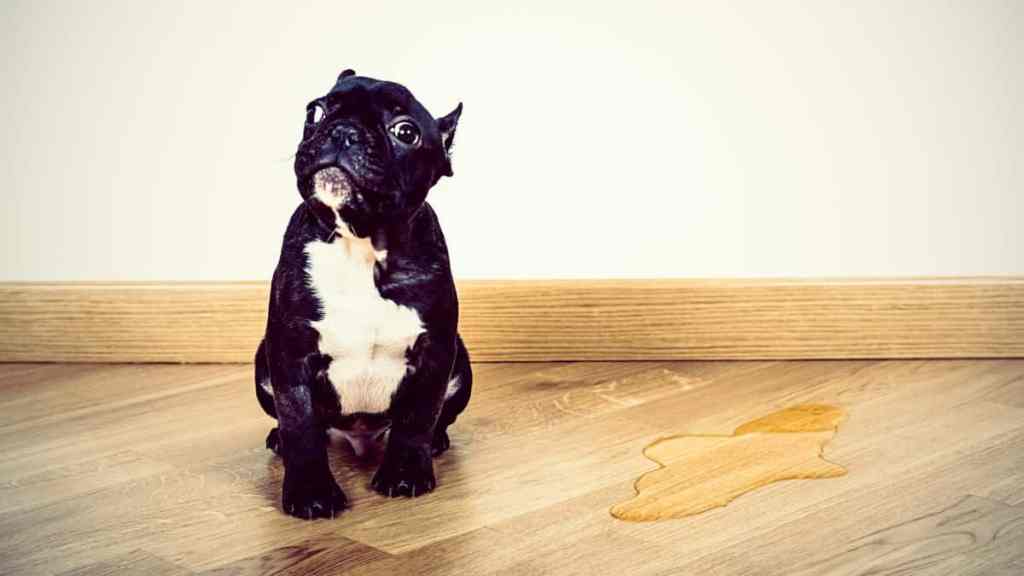
When it comes to successful dog toilet training, structure is everything. A consistent routine helps your dog learn when and where they’re expected to go — reducing confusion, stress, and indoor accidents.
Dogs thrive on patterns. The more predictable their toilet schedule is, the easier it is for them to develop strong habits. Skipping outings or relying on guesswork can lead to frustration on both ends of the lead — and more messes indoors.
Core times to take your dog out:
If your dog is still learning, you may need to add extra outings in between, especially for young puppies who have smaller bladders and shorter holding times.
Always praise and reward your dog immediately after they go in the correct place — ideally while you’re still outside with them. Don’t wait until you’re back indoors, as the learning moment will have passed. Use verbal encouragement, gentle fuss, and a small training treat to make the right choice feel like a win.
Quick Tip
Use a phrase like “toilet time” each time they go — this builds association and helps them learn the cue.
When accidents might signal something more
If your dog continues to have indoor accidents despite consistent toilet training, it could be a sign that something else is going on. Before assuming it’s simply a behavioural issue, it’s important to look at the bigger picture.
Repeated accidents often have an underlying cause that’s easy to overlook — especially if your dog had been doing well previously. Here are some common reasons why toilet training might suddenly go off track:
Is your dog unwell?
Urinary tract infections, digestive issues, or even age-related conditions like incontinence can lead to unexpected accidents. If your dog is suddenly urinating more frequently, straining, or seems uncomfortable, a vet check is essential.
Is your dog stressed or anxious?
Dogs are creatures of habit, and disruptions — like moving house, new family members, visitors, or loud noises — can trigger anxiety and lead to toileting regressions. Separation anxiety is another common cause of accidents when left alone.
Is it confusion or too much freedom?
If your dog hasn’t fully learned where they’re supposed to go, or if they’ve been given access to too much space too soon, they may start having accidents again simply because they’re unsure or overwhelmed.
⚠️ Important: If you’re unsure what’s causing the change, it’s always best to consult your vet first. Medical conditions can often present as behavioural problems — and ruling out illness early can prevent long-term setbacks in training.
Products worth having during toilet training
Set yourself (and your pup) up for success by having the right tools on hand from the start. A well-stocked toilet training kit makes it easier to clean up accidents quickly, reinforce good behaviour on the spot, and stay consistent — even on the toughest days.
Nature’s Miracle Dog Urine Stain and Odour Remover
Enzymatic cleaner. Breaks down urine proteins, removes odours, and prevents remarking.
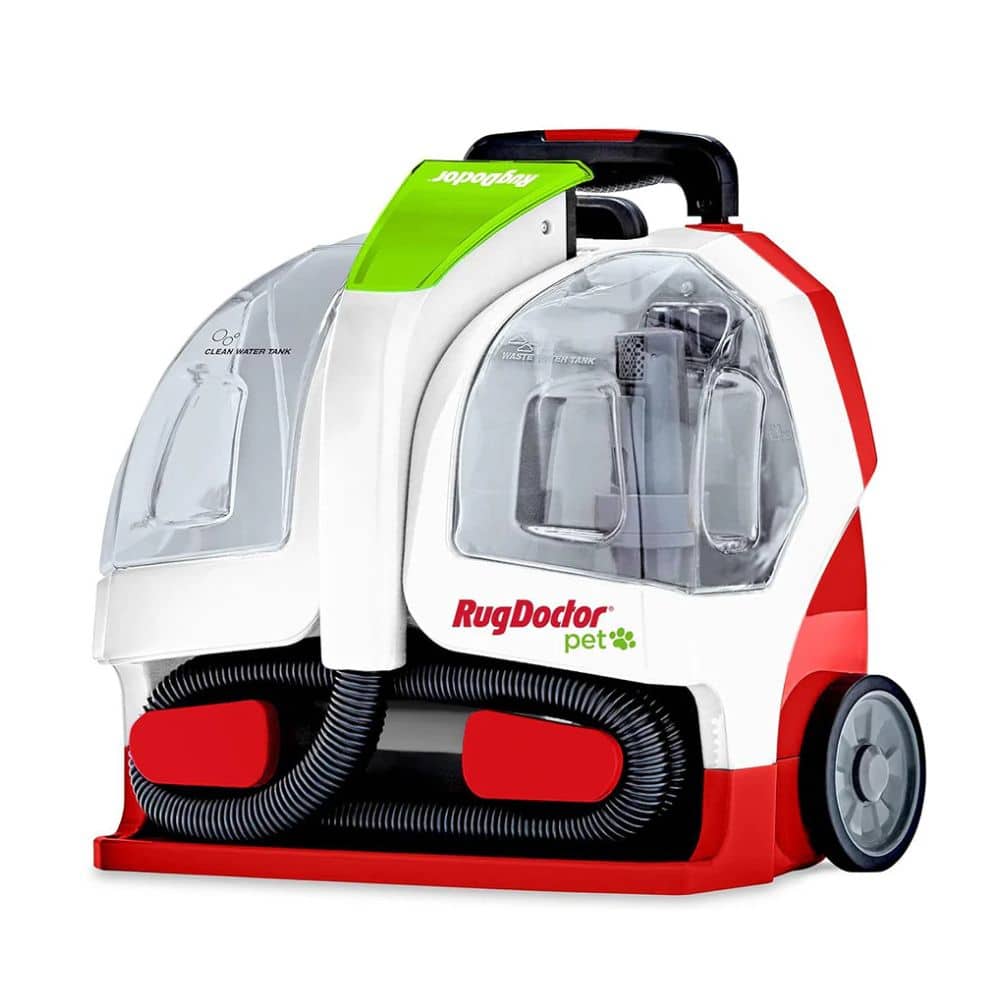
Rug Doctor Pet Portable Spot Cleaner
Spot-on carpet cleaner. For deep-cleaning carpets and fabrics after accidents.

Simple Solution Puppy Training Pads
Puppy training pads. Absorbent, reliable, and ideal for crate training or early stages.
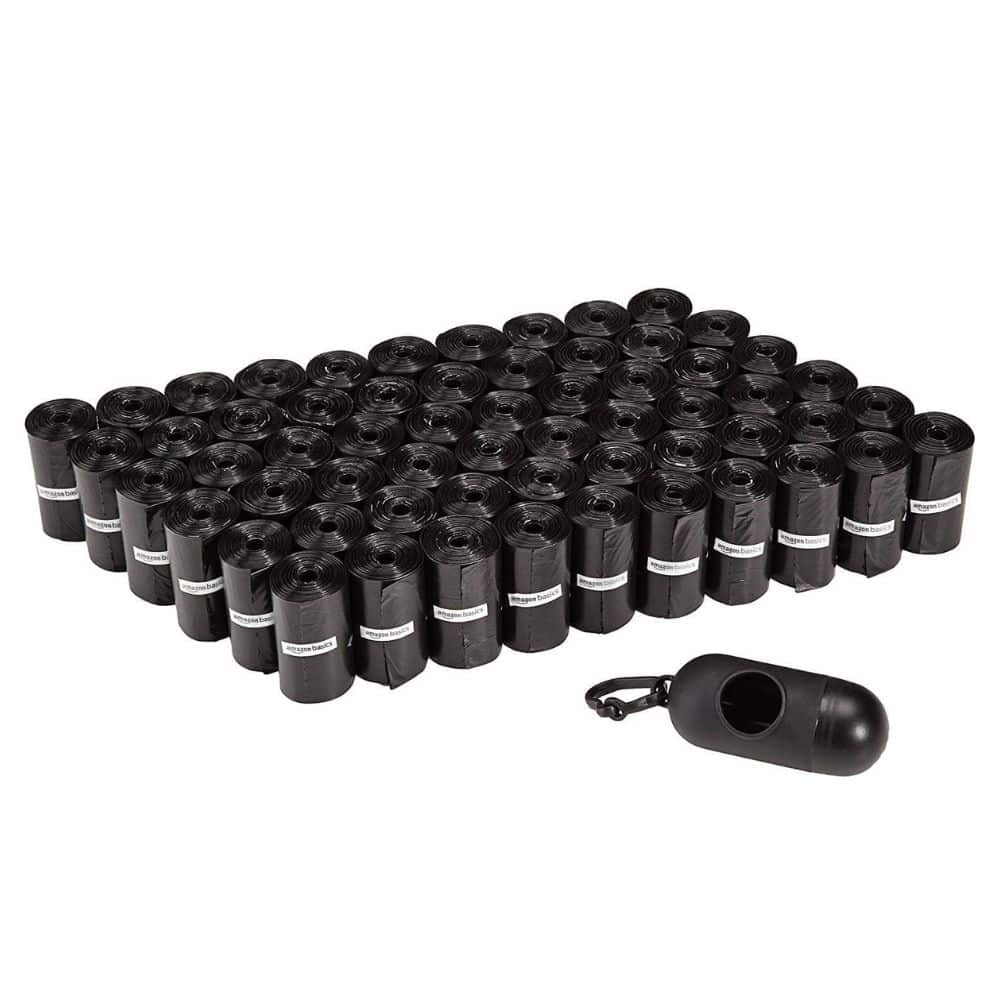
Amazon Basics Dog Poops/Waste Bags
Unscented poo bags. Great value, easy to carry, and perfect for indoor and outdoor clean-up.
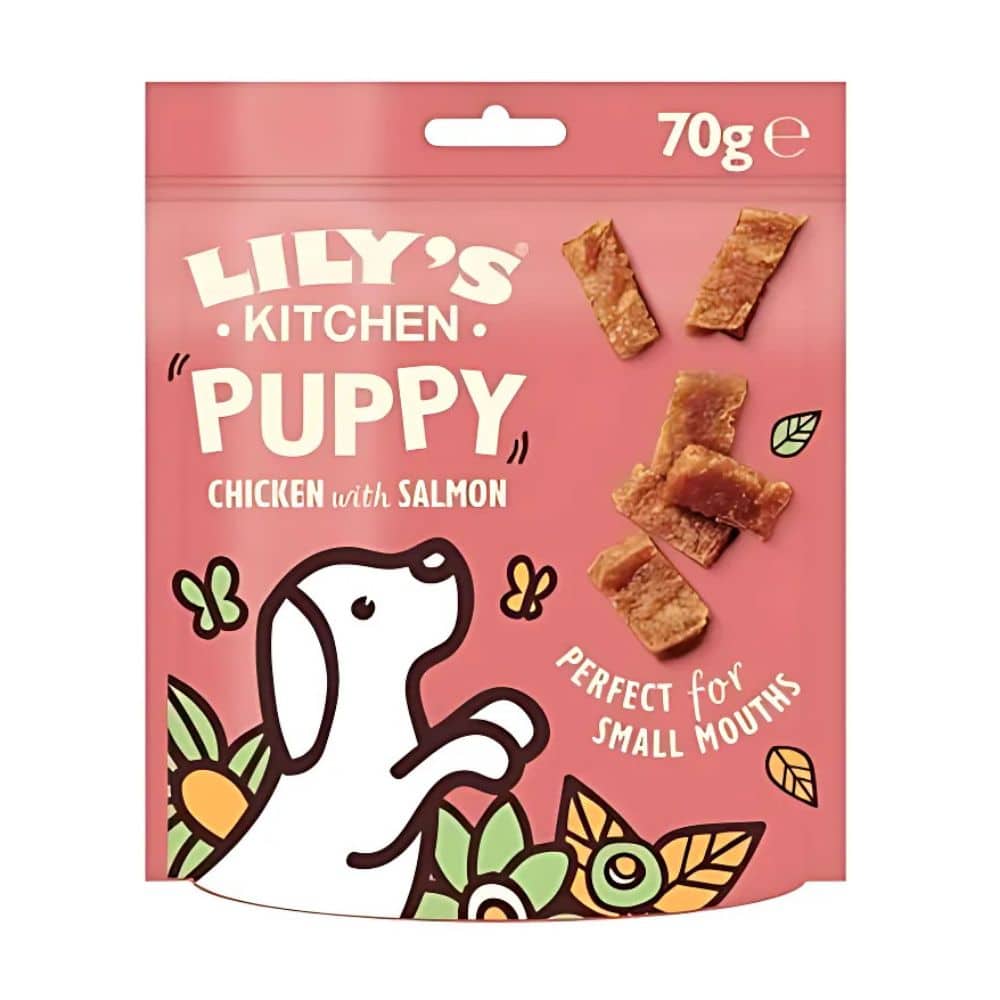
Lily’s Kitchen Puppy Chicken Nibbles With Salmon
Training treats. Grain-free, gentle on tummies, and highly rewarding for pups in training.

Amazon Basics Microfibre Cleaning Cloths
Microfibre cloths. Super absorbent and reusable — great for blotting up wee and messes without smearing.
Quick Tip
Keep your training kit in a basket by the back door. Cleaners, treats, pads, and poo bags all within easy reach can save the day.
Summary Table: What to Do When Accidents Happen
|
Step |
Action |
|---|---|
|
1. Stay calm |
Avoid scolding or stress |
|
2. Blot, don’t scrub |
Soak up as much as you can |
|
3. Use enzymatic cleaner |
Eliminate lingering scent markers |
|
4. Use spot-on carpet cleaner |
Deep clean fabrics if needed |
|
5. Take dog outside |
Reinforce outdoor toileting with treats |
|
6. Reflect on routine |
Adjust timing or supervision if necessary |
Final Thoughts
Toilet training isn’t always tidy — but it doesn’t have to be stressful. With the right routine, positive reinforcement, and proper cleaning and training tools, you and your pup will get there together.
Every accident is just a moment — not a setback. Keep calm, clean smart, and celebrate the little wins.
Your pup is learning, and so are you. 🐶💛
The most important thing to remember is that toilet training is a process of communication and trust. Your dog doesn’t know the rules of your home until you show them — gently, consistently, and with patience. Getting frustrated only delays progress, whereas staying calm builds a stronger bond between you and your pup.
Use every accident as information. Did they signal first? Did you wait too long between toilet breaks? Have they had too much freedom too soon? These questions can help you adjust your routine so it works better for both of you.
With your cleaning kit by the door, treats in your pocket, and a good sense of humour, you’re ready for anything — even the odd midnight puddle. Keep going. You’re doing brilliantly.