Ever feel like your dog should love fetch, but just isn’t that into it? Or maybe you’ve tried puzzle toys that end up ignored, while they’d rather chase squirrels for hours. That’s because not all dogs play the same — and their breed has a lot to do with it.
Whether your pup is a scent-driven hound, a speedy sighthound, or a ball-obsessed retriever, their breed influences how they want to play. This guide breaks it all down by breed group, so you can match your dog’s natural instincts with the kind of games they truly enjoy.
Because when play taps into what your dog was born to do, it’s more than fun — it’s fulfilling.
Quick Answer: What’s the best way to play with your dog based on their breed?
It depends on their natural instincts. Scent hounds thrive on sniffing and tracking games, retrievers live for fetch and water play, herding breeds need movement and control-based challenges, and toy breeds prefer gentle, bonding activities. Match the game to their DNA, and you’ll unlock more joy, focus, and connection every time you play.
Why Breed Matters in Dog Play
Dogs weren’t just bred for looks — they were designed with purpose. From sniffing out game to herding sheep or guarding homes, every breed group carries traces of its original job. And those instincts don’t just vanish once your dog becomes a family pet — they shape how they move, think, and especially how they play.
Understanding these breed-driven tendencies can help you choose games that actually click for your dog. The result? A more fulfilled, better-behaved pup who feels truly understood — and a more rewarding bond for you both.
Hound Dogs: Play That Follows the Nose

Examples: Beagle, Basset Hound, Bloodhound, Dachshund
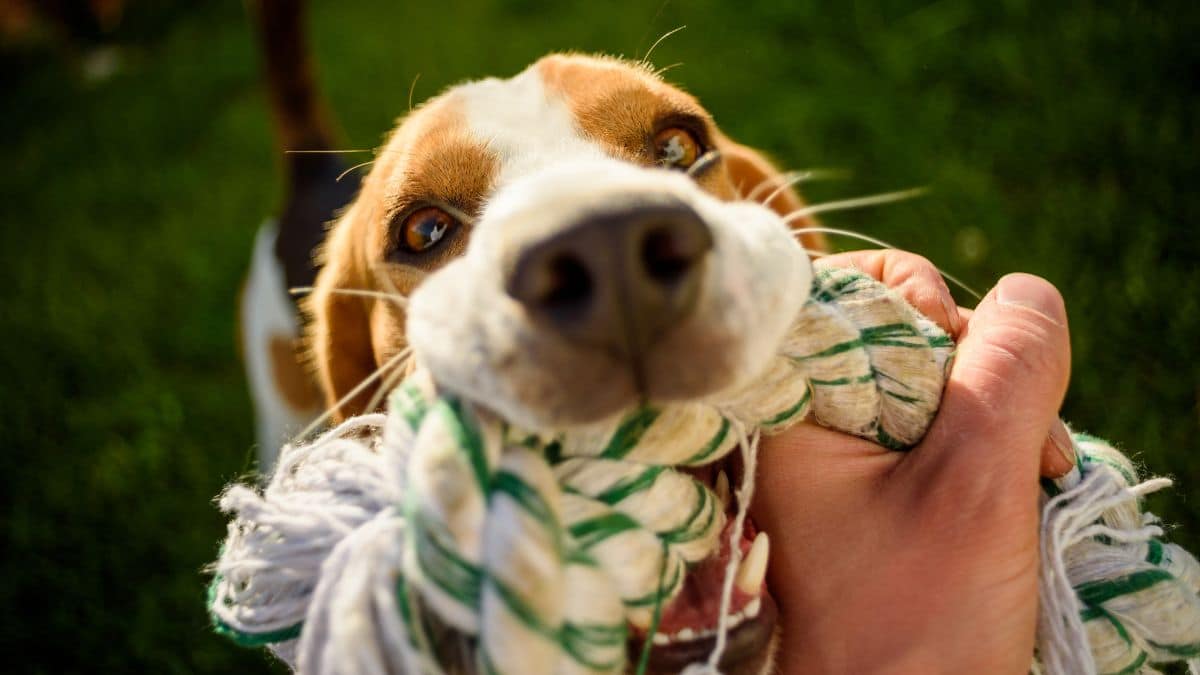
Scent hounds are naturally curious and stubbornly single-minded. Once their nose hits the ground, they’re in their own world — a world of smells. Most hounds were bred to track prey, often for hours at a time, which makes them incredibly focused but sometimes less interested in human-led play. They’re not the easiest dogs to tire out physically — because it’s their brain that needs the real workout.
Best play styles for scent hounds:
⚠️ Caution: Once locked onto a scent, these dogs may ignore commands completely. Use long leads, secure spaces, and be extra patient with recall — it’s not defiance, it’s instinct.
Retrievers: Born for Fetch, Water, and Teamwork
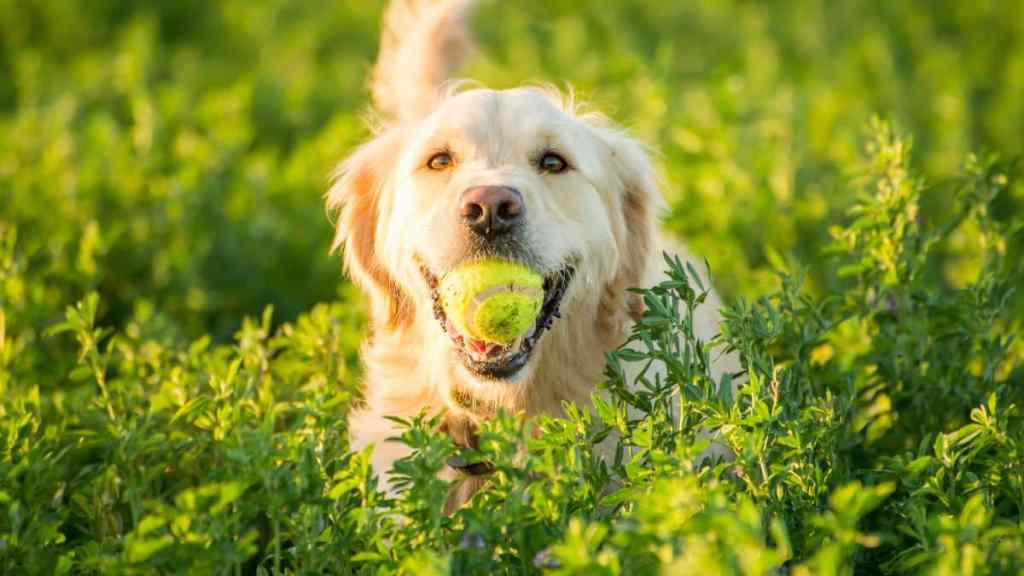
Examples: Labrador Retriever, Golden Retriever, Flat-Coated Retriever
Retrievers are the ultimate people-pleasers. Bred to work closely with hunters, these dogs have a deep-rooted instinct to carry things gently in their mouths and return them to their humans. That means they naturally seek interaction, thrive on praise, and love tasks that feel like “jobs.” Most retrievers are eager, energetic, and happiest when they’re working with you — not just beside you.
They also tend to be strong swimmers and are famously drawn to water, mud, or any splashable surface they can fling themselves into.
Best play styles for retrievers:

Quick Tip
Mix up your fetch routine to avoid repetitive injuries. Rotate between toys, toss direction, and surfaces — and include the occasional scent game or tug session for balance.
Herding Breeds: Movement is the Game
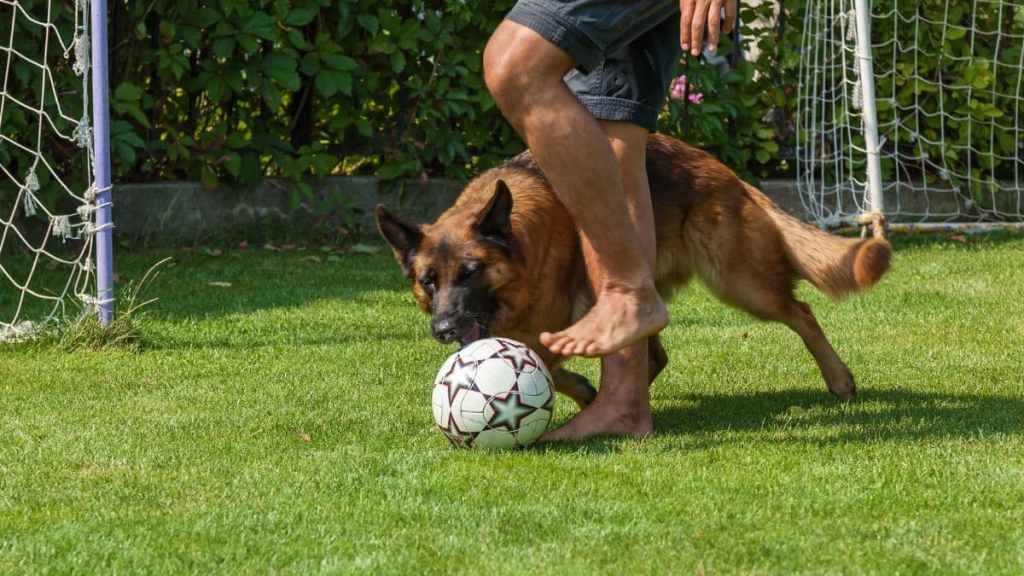
Examples: Border Collie, Australian Shepherd, German Shepherd
Herding dogs are the tacticians of the canine world — smart, watchful, and hardwired to notice (and control) movement. Bred to guide and protect livestock, often with nothing more than eye contact and precision body language, their brains are always “on.”
These dogs don’t just enjoy activity — they crave purpose. Without the mental challenge they were bred for, they can become frustrated, noisy, or reactive. But when play taps into their natural drive to work and focus, they light up.
Best play styles for herding breeds:
⚠️ Watch for over-arousal: Herding breeds can push themselves to the edge — even when tired. Introduce built-in breaks, cool-down routines, and low-stimulation activities like food puzzles to help them regulate.
Terriers: Tenacity in Toy Form
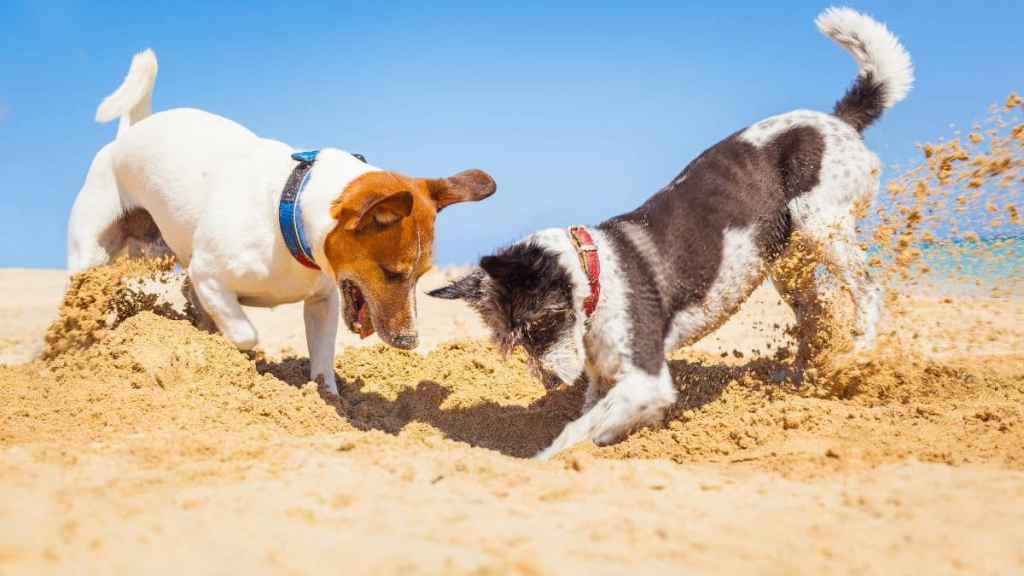
Examples: Jack Russell Terrier, West Highland Terrier, Staffordshire Bull Terrier
Terriers are small but mighty — bred for boldness, grit, and lightning-fast reflexes. Originally tasked with chasing and dispatching vermin underground, their instincts for digging, shaking, and relentless pursuit are still alive and kicking (literally). Their energy is explosive, their focus intense, and their play often looks like a full-contact sport.
They don’t just want to play — they want to win.
Best play styles for terriers:
Quick Tip
Terriers benefit from durable, chew-resistant toys that can handle a bit of rough love. Their play is intense — but as long as it’s safe and supervised, it’s incredibly healthy.
Toy Breeds: Play is About Bonding
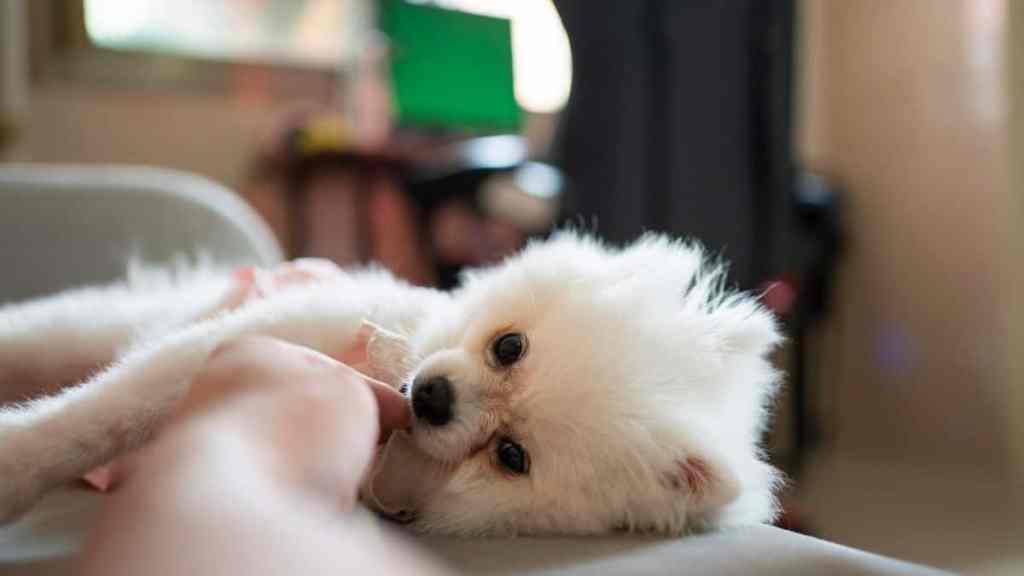
Examples: Pomeranian, Chihuahua, Cavalier King Charles Spaniel
Tiny in size, but big on connection — toy breeds were bred primarily for companionship, not a specific working task. That means their ideal playtime often involves you. They thrive on interaction, eye contact, and feeling included. You’re their favourite toy.
They might not be built for wrestling or wild chase games, but they more than make up for it with charm, cleverness, and loyalty.
Best play styles for toy breeds:
⚠️ Handle with care: Avoid rough play with larger dogs or children — toy breeds can be fragile, and their confidence can be easily knocked.
Working & Utility Breeds: Focused, Strong, and Task-Oriented
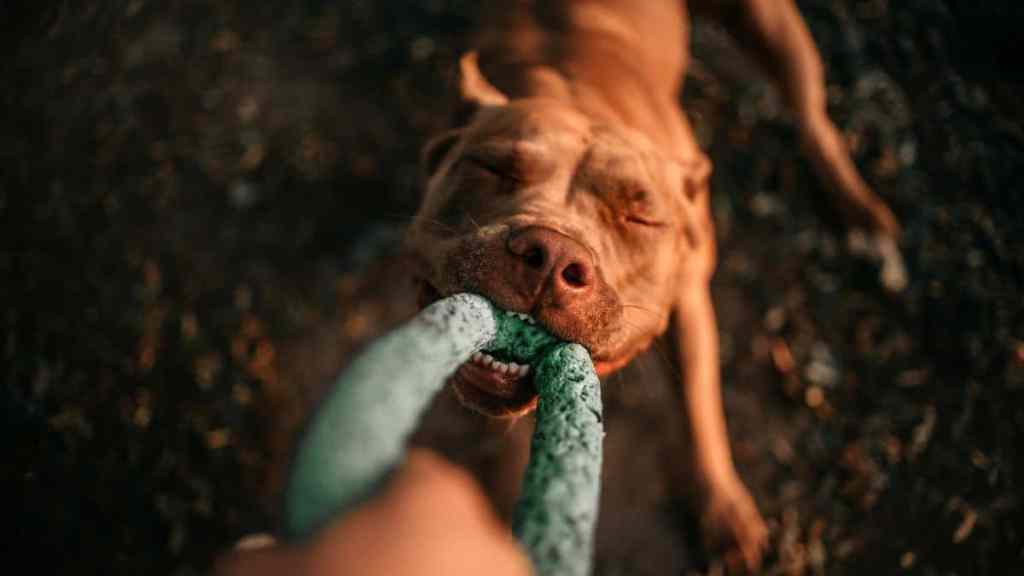
Examples: Boxer, Rottweiler, Dobermann, Akita
These powerful breeds were bred for serious jobs — guarding, pulling sleds, or protecting territory. That heritage means they often crave more than just a ball toss in the garden. They want purpose. They want to do something.
While they absolutely enjoy playtime, they tend to prefer games that feel structured, challenging, or involve problem-solving.
Best play styles for working dogs:
Quick Tip
These dogs are often happiest when their mind and body are engaged at once. Training-based games, like scent puzzles or trick routines, are ideal ways to combine the two.
Sighthounds: Sprint, Snooze, Repeat
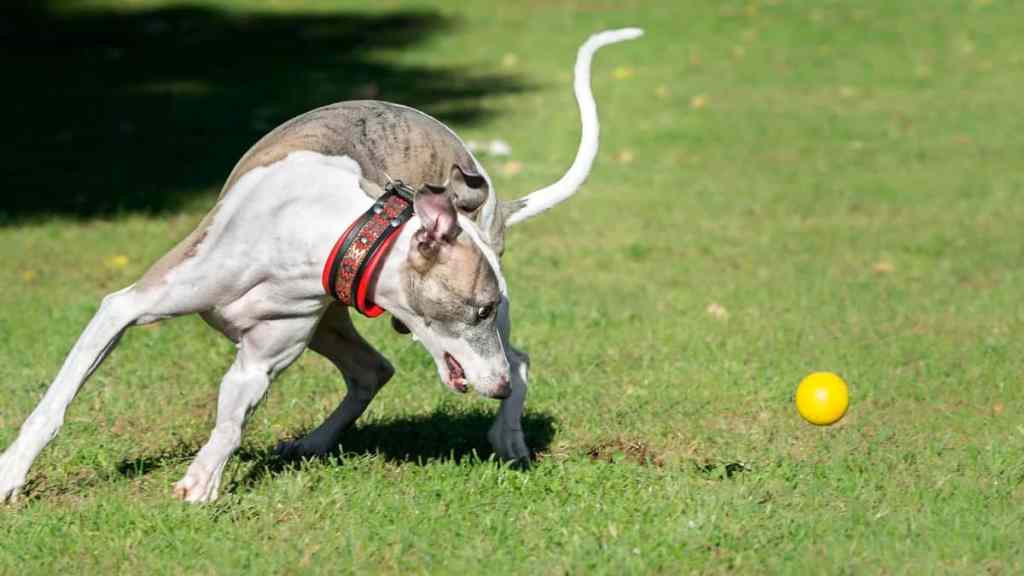
Examples: Greyhound, Whippet, Saluki
Built like athletes and loungers in equal measure, sighthounds were bred to chase down fast-moving prey using razor-sharp eyesight and explosive speed — not stamina. That’s why they’re happiest with quick sprints followed by long, lazy naps.
While they might not go wild for rough-and-tumble games, they adore elegant bursts of energy and soft, comforting routines.
Best play styles for sighthounds:
⚠️ Thin skin alert: Their skin is more delicate than other breeds. Avoid abrasive surfaces, excessive tugging, or rough play to prevent nicks and scrapes.
Bully Breeds: Strong, Playful, and People-Focused

Examples: Staffordshire Bull Terrier, American Bulldog, Bullmastiff, English Bulldog
Bully breeds are muscular, affectionate, and surprisingly sensitive. Originally bred for strength and tenacity, most modern bully breeds are family-oriented and thrive on human interaction. They often love full-contact play — but with people they trust.
Best play styles for bully breeds:
⚠️ Watch the heat: Bully breeds can overheat quickly, especially flat-faced ones like English Bulldogs. Keep play low-intensity in warm weather, and always provide water and rest breaks.
Mixed Breeds and Rescue Dogs: What If You’re Not Sure?

Many rescue dogs and crossbreeds (including popular doodles and mutts) carry traits from multiple breed groups — which can make playtime a bit of a mystery at first. But that doesn’t mean you’re flying blind.
To uncover what kind of play your dog enjoys most:
Quick Tip
Whatever your dog’s background, they’ll benefit from a mix of physical, mental, and social play. Rotate toys, try new challenges, and keep things varied to avoid boredom — and boost your bond.
A Quick Breed-to-Playtime Summary
|
Breed Type |
What They Love |
Try This |
|---|---|---|
|
Scent Hounds |
Tracking scents |
Snuffle mats, hide-and-seek scent games |
|
Retrievers |
Carrying, fetching, swimming |
Fetch, water play, soft tug toys |
|
Herding Dogs |
Control, movement, mental challenge |
Flirt pole, trick training, frisbee |
|
Terriers |
Chase, chew, dig |
Tug-of-war, digging pits, fast chase toys |
|
Toy Breeds |
Human interaction, gentler games |
Tricks, small plush toys, hide-and-seek |
|
Working Dogs |
Purpose-driven tasks |
Obstacle games, puzzle toys, structured play |
|
Sighthounds |
Quick bursts, soft play |
Short sprints, cuddle toys, enrichment tasks |
|
Mixed Breeds |
A mix of traits |
Observe, test, and tailor what they enjoy |
Final Thoughts
Your dog’s favourite game isn’t just about what’s fun — it’s rooted in their breed’s history, instincts, and purpose. By understanding what makes your dog tick, you unlock more meaningful playtime that keeps their mind sharp, their body active, and their tail wagging.
So whether your scent hound is nose-down on a scent trail, your terrier is going wild with a tug toy, or your rescue pup is figuring it all out — you’re doing more than playing. You’re connecting. And that’s what really makes it fun.
Play the way they were built to play — and watch your bond grow stronger every day.