Every March, Crufts captivates the UK with four days of celebration dedicated to dogs. While the dazzling agility runs and Best in Show moments take centre stage, the foundation of Crufts lies in the breed competitions—divided into seven official groups. But what do these groups actually mean, and how do they shape what you see at Crufts? This deep dive explains each dog breed group, the types of dogs within them, and why they matter in the world’s most famous dog show.
What Are Dog Breed Groups?
Crufts, like other Kennel Club-affiliated shows, sorts purebred dogs into seven distinct breed groups based on their historical purpose and characteristics. Each breed competes within its group for Best of Breed, and then group winners go head-to-head for the prestigious Best in Show title.
These groups aren’t just for show—they reflect centuries of breeding, work, and evolution. Understanding the groups gives you a deeper appreciation for the dogs you’re watching, whether you’re ringside at Crufts or watching from your sofa.
1. Gundog Group

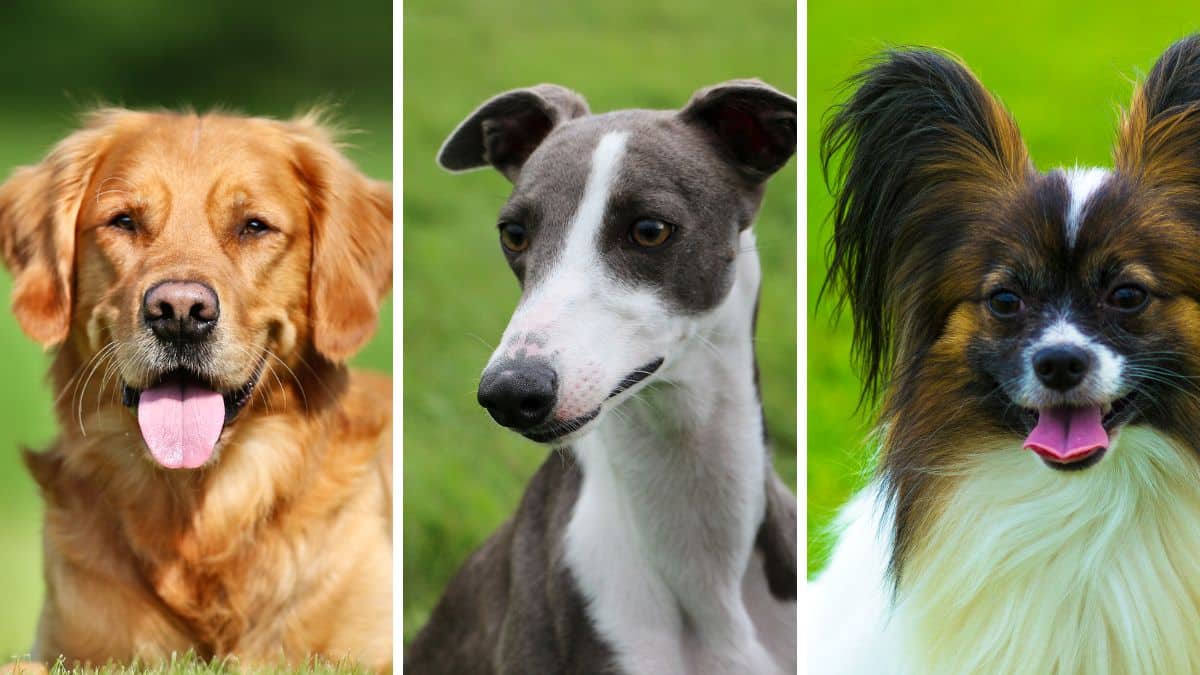
Gundogs were originally bred to assist hunters in locating, flushing out, and retrieving game. Their partnership with humans spans centuries, with many breeds known for their loyalty, stamina, and keen sense of smell. In the field, gundogs work closely with handlers, often in silence, to track and retrieve game birds like pheasants and partridges.
Today, they remain one of the most popular groups in the UK, both for their working abilities and their family-friendly temperaments. Many gundogs are also stars in obedience trials and field tests, combining biddability with a love of outdoor activity.
Includes breeds like: Labrador Retriever, Golden Retriever, Cocker Spaniel, Pointer, Weimaraner
Traits:
- Loyal and people-orientated
- Energetic with a love of the outdoors
- Responsive and trainable

Quick Tip
Gundogs thrive on mental stimulation — scent work, dummy training, and long countryside walks suit them perfectly.
2. Hound Group
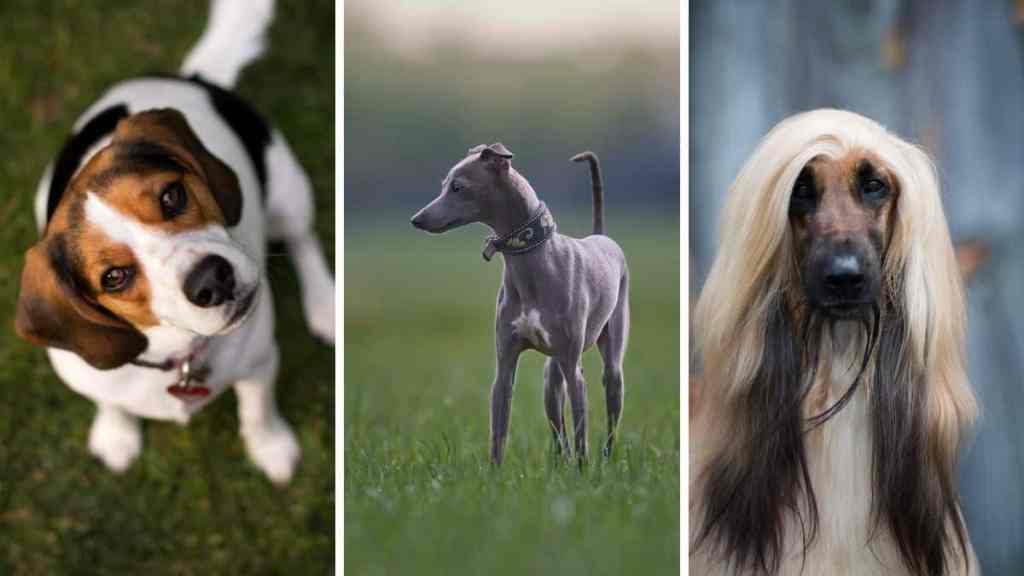
The hound group is made up of dogs originally bred to hunt, either by scent or by sight. Scent hounds, like Beagles and Bloodhounds, have incredible noses and are tenacious trackers. Sight hounds, like Greyhounds and Whippets, rely on their keen vision and exceptional speed to catch prey.
Hounds often have an independent streak. While affectionate, they can be strong-willed and easily distracted—especially if they pick up a scent trail. Training requires patience and high-value rewards, but these dogs bring centuries of hunting instinct and elegance to the ring.
Includes breeds like: Beagle, Whippet, Greyhound, Afghan Hound, Dachshund, Bloodhound
Traits:
- Determined and independent
- Built for stamina or speed
- Strong prey drive
Quick Fact
The Bloodhound has over 300 million scent receptors — the most of any dog breed!
3. Working Group
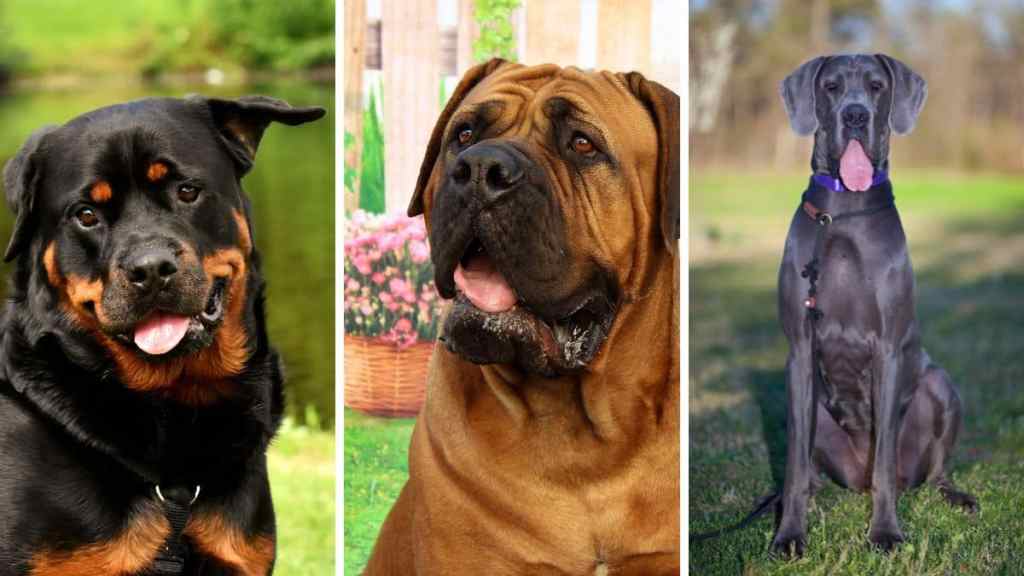
This group includes powerful, intelligent breeds developed for specific and often demanding roles. Whether pulling sleds, guarding property, or serving in military and police work, these dogs excel in roles that require strength, alertness, and composure under pressure.
They require early socialisation and confident handling. Left under-stimulated, they may become destructive or territorial. Yet with proper care, they are incredibly loyal companions who bond deeply with their families.
Includes breeds like: Rottweiler, Dobermann, Boxer, Mastiff, Alaskan Malamute, Great Dane
Traits:
- Protective and alert
- High endurance and strength
- Require experienced ownership
Quick Tip
Early training and socialisation are crucial for working breeds — they’re not ideal for first time dog owners.
4. Pastoral Group
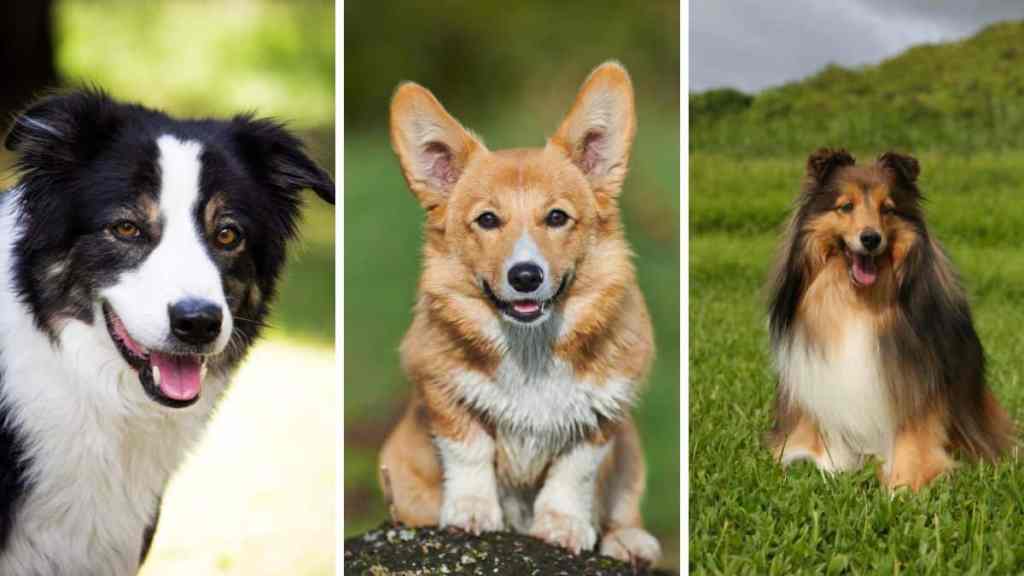
Pastoral dogs were bred to herd and manage livestock. From sheepdogs in the Highlands to cattle dogs in Europe, these breeds are among the most agile and intelligent. Their instincts are sharp, and their energy is seemingly endless.
Because of their working background, they often require consistent training and plenty of daily exercise. Without outlets for their energy, they may become anxious or resort to unwanted behaviours like herding children or other pets.
Includes breeds like: Border Collie, German Shepherd, Shetland Sheepdog, Bearded Collie, Welsh Corgi
Traits:
- High energy and focus
- Eager to please
- Strong instincts to chase or herd
Quick Fact
Border Collies are often described as having an “eye” — an intense gaze used to control livestock.
5. Terrier Group
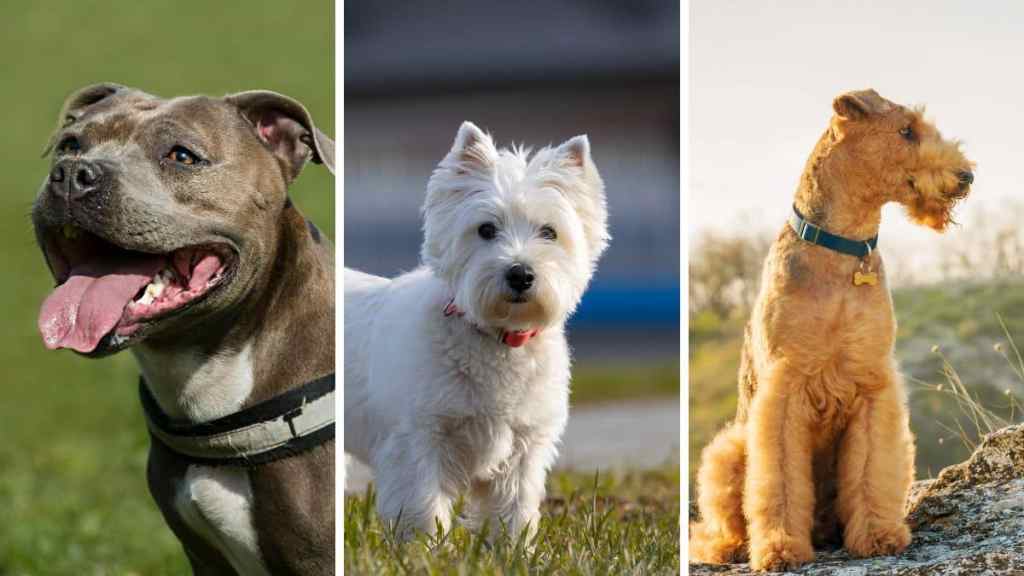
Terriers are known for their feisty, determined personalities. Originally developed to hunt vermin and small game, many of these dogs worked independently and needed boldness, speed, and resilience.
Though small, they have strong prey drives and can be vocal. They thrive in active homes that can match their enthusiasm. Training should begin early, focusing on channeling their natural instincts positively.
Includes breeds like: Staffordshire Bull Terrier, Border Terrier, West Highland White Terrier, Airedale Terrier
Traits:
- Brave and bold
- High prey drive
- Often vocal and active
Quick Tip
Terriers need to be mentally engaged — try hide-and-seek games or puzzle feeders to curb unwanted behaviours
6. Toy Group
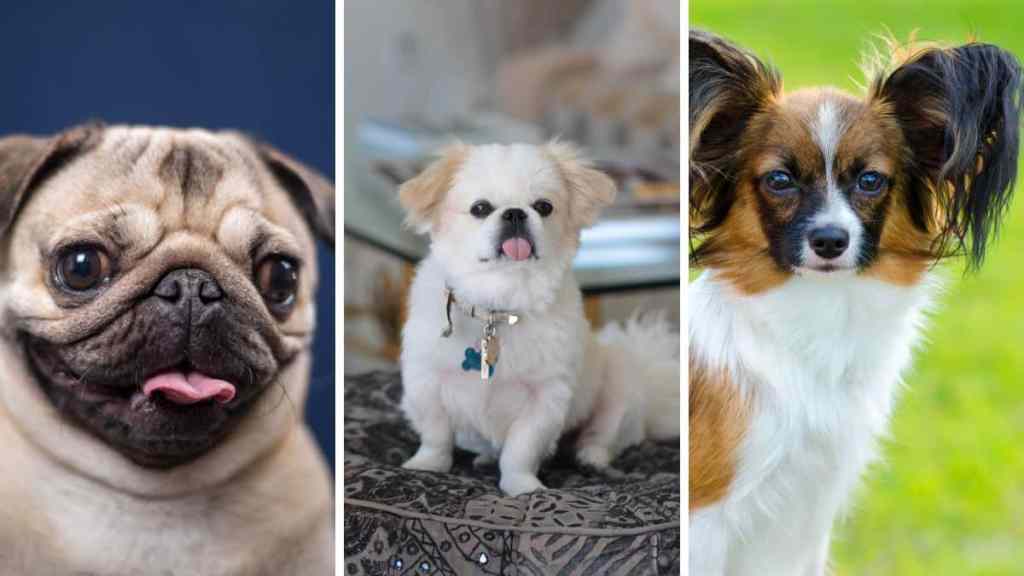
The Toy group is comprised of dogs bred for companionship, particularly among royalty and the upper class. While small in stature, many have big personalities and thrive as pampered house pets.
They may require less space and exercise than working breeds, but they still need social interaction and mental stimulation. Despite their size, they’re often confident, alert, and can excel in sports like agility.
Includes breeds like: Pug, Chihuahua, Cavalier King Charles Spaniel, Pekingese, Papillon
Traits:
- Affectionate and loyal
- Prefer human company
- Adapt well to indoor living
Quick Tip
The Papillon’s name comes from the French word for “butterfly” — referring to its large, upright ears.
7. Utility Group
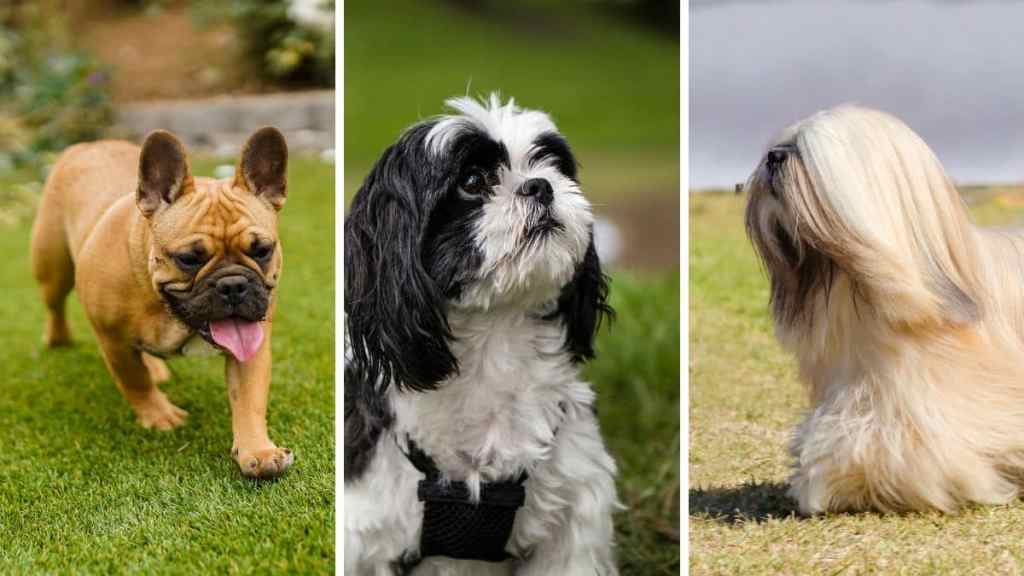
The Utility group is a mix of breeds developed for specific functions not covered by the other categories. These dogs include those with unique backgrounds, often bred for roles like guarding temples, pulling carts, or companionship with distinctive looks.
With such a variety in this group, it’s essential to research each breed individually. Some are low-maintenance, while others may have high grooming or exercise needs.
Includes breeds like: Dalmatian, French Bulldog, Bulldog, Shih Tzu, Lhasa Apso
Traits:
- Wide range of temperaments
- Often low-shedding
- May have grooming needs
Quick Tip
Always research utility breeds individually — their backgrounds are just as varied as their looks!
What Happens After the Groups?
Once a winner is chosen for each of the seven breed groups, those finalists compete against each other for the coveted Best in Show title. This is the grand finale of Crufts and often draws a huge televised audience.
The Best in Show winner not only brings prestige to the breeder and handler but can also boost popularity and public interest in the breed. Each year, the winner often sees a surge in media attention and puppy enquiries.
Quick Fact
Crufts first awarded Best in Show in 1928. The inaugural winner was a Greyhound named Primley Sceptre.
Why Do These Groups Matter?
Beyond dog shows, breed groups help prospective owners choose dogs based on their historical traits, activity levels, and temperaments. For example:
- Active owners may lean toward pastoral or gundog breeds.
- City dwellers often prefer utility or toy breeds.
- Experienced handlers might enjoy the challenge of a working dog.
Understanding breed groups is also useful when choosing training methods, predicting behaviour, and planning exercise routines.
Crufts brings this all to life by showcasing the full range of canine diversity in one celebratory event.
Quick Tip
Watching the breed groups at Crufts is a great way to discover breeds you’ve never heard of — and find one that might suit your lifestyle.
Final Thoughts
Whether you’re a die-hard Crufts fan or just dipping your toes into the world of dog shows, learning about the seven breed groups gives you a window into canine history, function, and companionship.
From athletic herders to pampered lapdogs, each group represents a legacy of purpose and passion. And Crufts, with its rich history and joyful celebration of dogs, is the perfect place to see it all in action.