Ever wondered what your dog is really thinking? While they can’t speak our language, they communicate constantly through their body language, facial expressions, and vocal cues.
Many common behaviour issues stem from misunderstandings between dogs and their owners. By learning to interpret your dog’s signals correctly, you can strengthen your bond, prevent stress or aggression, and ensure their happiness.
In this guide, we’ll break down exactly what your dog’s body language means—from wagging tails to eye contact—so you can respond to their needs effectively.
The Truth About Tail Wagging: What It Really Means

Most people assume a wagging tail means a happy dog—but that’s not always true! The speed, height, and stiffness of the wag tell a different story.
|
Tail Position |
What It Means |
|---|---|
|
Fast wagging, relaxed body |
Happiness and excitement. |
|
Slow, cautious wag |
Uncertainty—your dog is assessing the situation. |
|
High, stiff tail wag |
Alertness or dominance—could escalate to aggression. |
|
Tucked tail under belly |
Fear, submission, or extreme discomfort. |
|
Neutral tail, gentle wag |
A calm and content dog. |

Quick Tip
If the tail is stiff and raised high, paired with a rigid body, your dog might be feeling defensive or aggressive.
Reading Your Dog’s Ears: The Key to Their Mood
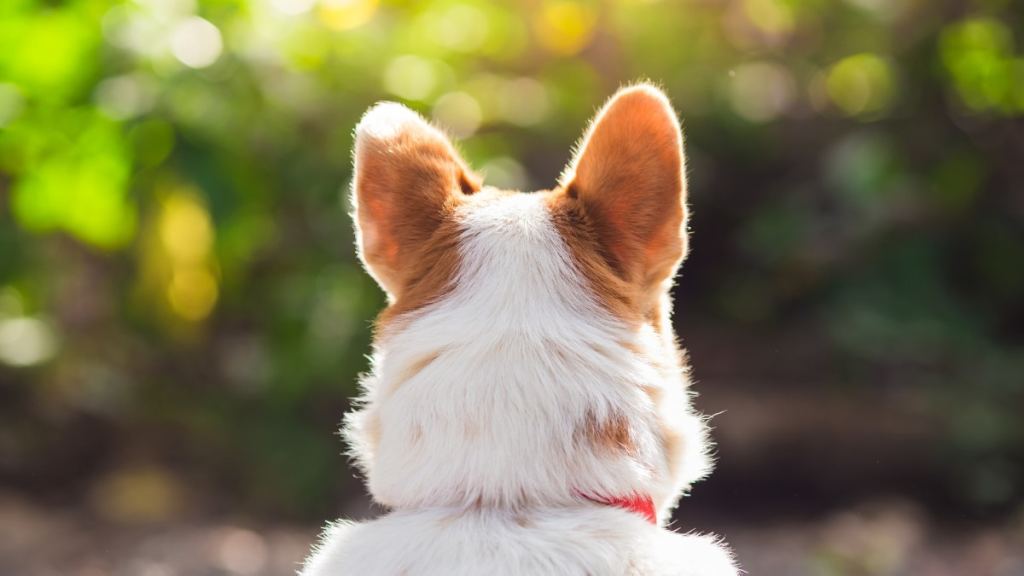
Dogs express a wide range of emotions through their ears, but it varies by breed.
|
Ear Position |
What It Means |
|---|---|
|
Perked up and forward |
Alert, interested, or excited. |
|
Relaxed and neutral |
Calm and comfortable. |
|
Pinned back against the head |
Fear, anxiety, or submission. |
|
One ear up, one down |
Confusion or curiosity. |
Quick Tip
If your dog lowers their ears AND avoids eye contact, they may feel nervous or threatened.
Understanding Eye Contact: When to Engage or Look Away
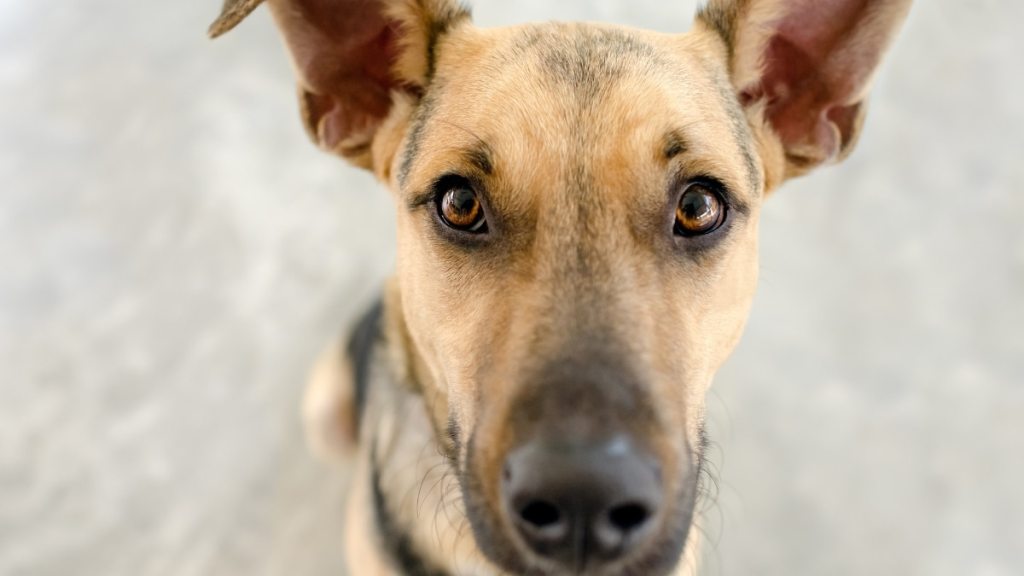
A dog’s eyes reveal a lot about their emotional state. The way they look at you, other people, or other dogs can help you understand their mood.
|
Eye Expression |
What It Means |
|---|---|
|
Soft, relaxed eyes |
Your dog is content and comfortable. |
|
Wide, hard stare |
Challenge, dominance, or potential aggression. |
|
Whale eye (whites of eyes visible) |
Anxiety or discomfort—your dog is stressed. |
|
Blinking slowly or turning gaze away |
Showing submission or avoiding confrontation. |
Quick Tip
Never stare directly into a dog’s eyes, especially an unfamiliar one—it can be seen as a challenge or threat.
Dog Posture & Body Position: Confidence vs Submission
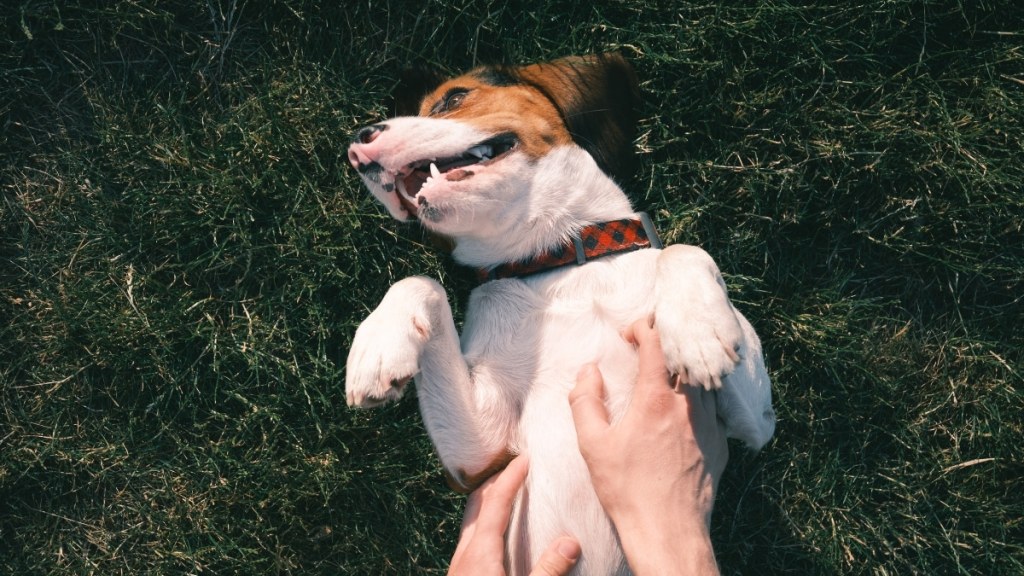
A dog’s posture and movement tell you how they’re feeling.
|
Body Position |
What It Means |
|---|---|
|
Relaxed, loose body |
A happy and stress-free dog. |
|
Stiff, tense body with weight forward |
Alert, possibly ready to react. |
|
Lowered body or crouching |
Fear, uncertainty, or submission. |
|
Rolling onto back (exposing belly) |
Submission OR an invitation for belly rubs—check the tail and facial expression. |
Quick Tip
A stiff posture combined with a wagging tail is a warning sign—wagging doesn’t always mean friendly!
Dog Vocalisations: Decoding Barks, Growls & Whines
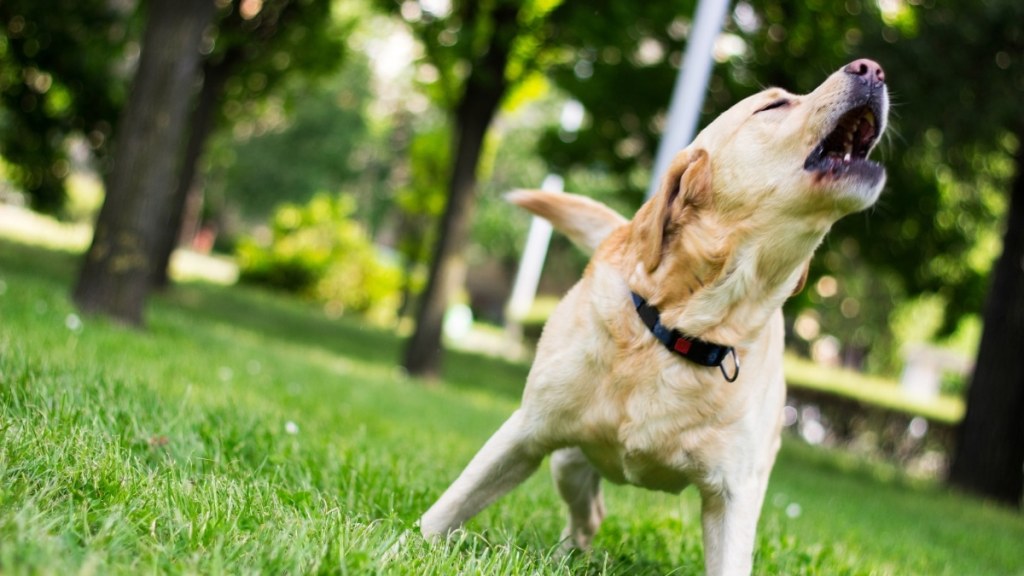
Dogs use different sounds to communicate their emotions and intentions.
|
Sound |
What It Means |
|---|---|
|
Short, sharp barking |
Excitement or alerting you to something. |
|
Repetitive barking |
Seeking attention or expressing frustration. |
|
Deep, low growling |
Warning—stay away. |
|
Soft growl while playing |
Harmless, part of play behaviour. |
|
Whining or whimpering |
Anxiety, discomfort, or requesting something. |
|
Howling |
Communicating over long distances or responding to sounds. |
Quick Tip
A dog that suddenly starts growling at family members could be in pain—always check for injuries or discomfort.
Signs of Stress, Fear, and Anxiety in Dogs
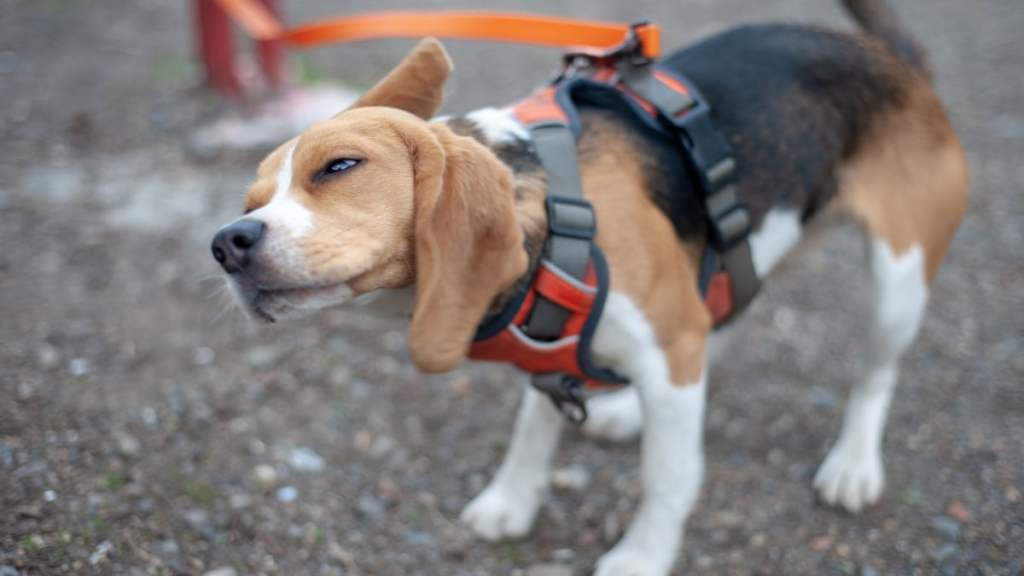
Recognising stress in dogs can help prevent aggressive behaviour or distress.
|
Stress Signal |
What It Means |
|---|---|
|
Yawning when not tired |
Anxiety or stress. |
|
Licking lips repeatedly |
Nervousness or unease. |
|
Pacing or restlessness |
High anxiety—your dog is trying to calm themselves. |
|
Shaking off (like they’re wet, but they’re dry) |
Releasing tension or stress. |
Quick Tip
If your dog is showing multiple stress signals, try to remove them from the situation and provide reassurance.
Play vs Aggression: How to Tell the Difference

Sometimes, rough play can look aggressive—so how do you know when to step in?
|
Playful Behaviour |
What It Means |
|---|---|
|
Bouncy movements, exaggerated play bows |
Stiff, tense body, forward-leaning stance |
|
Mouth open, relaxed |
Mouth closed, lips curled or tense |
|
Pauses in play (self-regulating) |
No breaks—escalating intensity |
|
Excited barking, playful growls |
Deep, low growling or snapping |
Quick Tip
If you’re unsure, interrupt the play and watch how they react. A relaxed dog will stop easily, but an agitated dog may stay tense.
Final Thoughts
Understanding your dog’s body language improves communication and prevents misunderstandings.
The more you learn about your dog’s behaviour, the stronger your bond will be. Keep an eye on FluffPost for more expert pet advice! 🐾