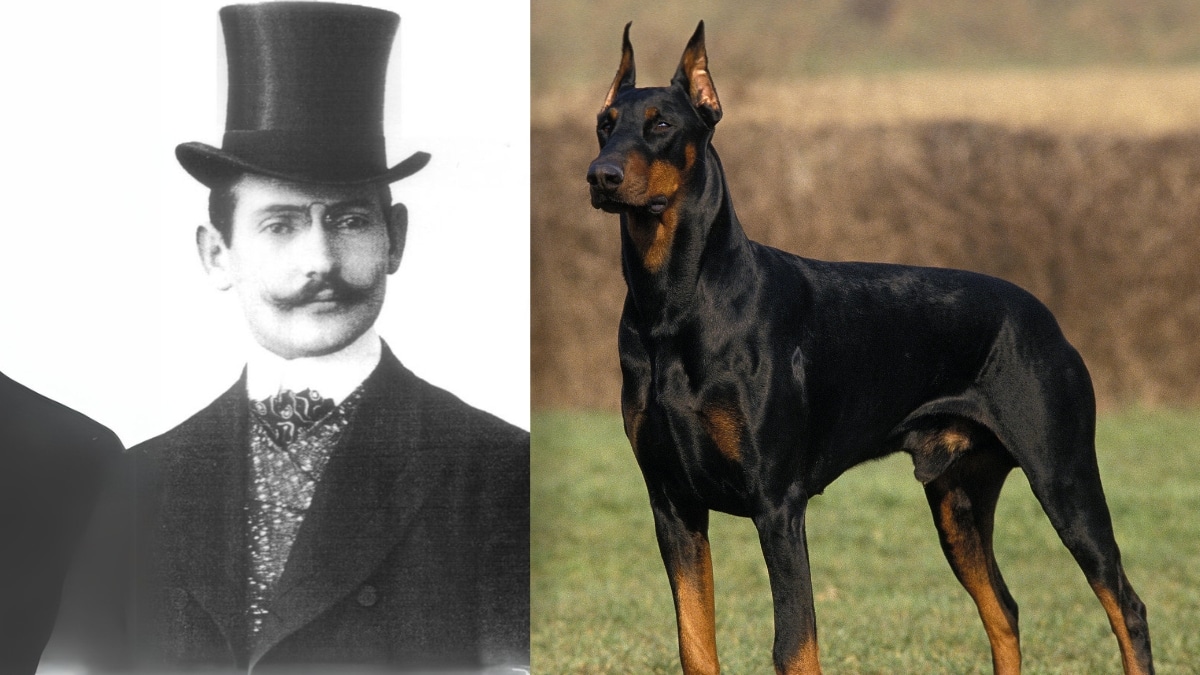
Imagine walking alone at night in the 19th century, carrying money from town to town as a tax collector. Bandits lurk in the shadows, waiting for an easy target. Who would you trust to keep you safe?
For Karl Friedrich Louis Dobermann, a German tax collector in the 1890s, the answer was clear: he needed to create the ultimate protection dog. A breed that was fast, fearless, intelligent, and loyal—a companion that would deter criminals and stand by his side.
This is the fascinating story of how the Doberman Pinscher came to be.
The Man Behind the Breed: Karl Friedrich Louis Dobermann
Karl Friedrich Louis Dobermann lived in the town of Apolda, Germany, and had a dangerous job. As a tax collector, he travelled through risky areas with large sums of money, making him a prime target for thieves. He also managed the local dog pound, which gave him access to a variety of breeds.
Rather than relying on existing guard dogs, he decided to create his own breed—one that was not only strong and protective but also intelligent and trainable. His goal was simple: to develop the perfect guard dog.
Breeding the Ultimate Protection Dog
Dobermann started selectively breeding dogs with the best traits for guarding, speed, and obedience. While the exact mix remains unknown, most experts believe the following breeds played a role:
- Old German Shepherd Dog – Intelligence and work ethic.
- Rottweiler – Strength and protective instincts.
- German Pinscher – Agility and high energy.
- Weimaraner – Endurance and tracking ability.
By combining these traits, the Doberman was born—a breed known for its elegance, power, and unwavering loyalty.
How the Doberman Evolved Over Time
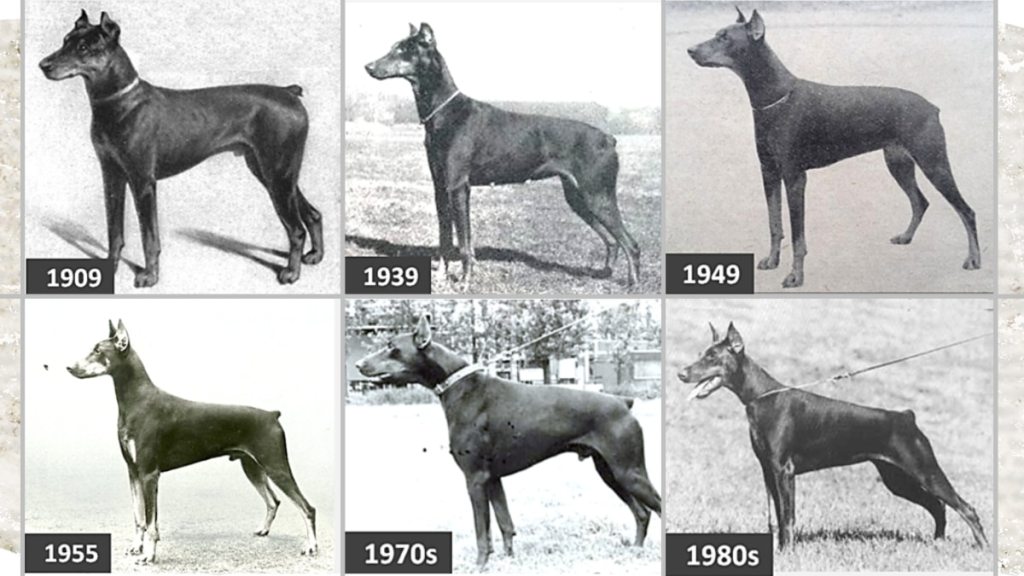
After Karl Dobermann’s death in 1894, breeders continued refining the breed, improving its temperament and working ability. Some key changes over time include:
- Early Dobermans were bulkier and more aggressive, bred primarily for guarding.
- Modern Dobermans are more balanced—still protective but also affectionate and family-friendly.
- The “Pinscher” was dropped in some countries, as the breed evolved away from traditional terrier-like traits.
Today, Dobermans are used as police and military dogs, search-and-rescue workers, and loving companions.

Quick Fact
Did You Know? During World War II, Dobermans served as messenger dogs, scouts, and even saved lives by detecting hidden explosives!
Dobermans Today: Guardians, Companions, and Athletes

Dobermans are now known for their incredible versatility. While they were originally bred for protection, they excel in many roles:
- Family Dogs – Loyal and affectionate, they form deep bonds with their owners.
- Service & Therapy Dogs – With their intelligence and sensitivity, some work as guide dogs and emotional support animals.
- Competitive Athletes – They thrive in agility, obedience, and protection sports.
- Police & Military Work – Their speed and obedience make them perfect for K9 units worldwide.
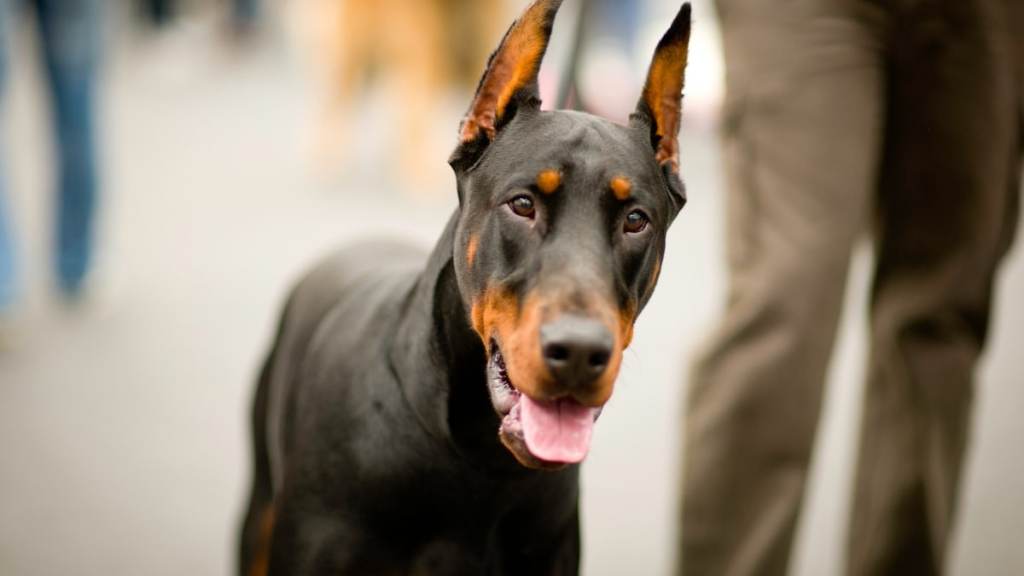
Despite their tough appearance, Dobermans crave companionship and don’t do well if left alone for long periods. They need training, exercise, and mental stimulation to be at their best.
Quick Tip
Dobermans are high-energy dogs. If you’re thinking of getting one, be prepared for daily exercise and training to keep them happy and well-behaved.

FAQs About Dobermans
Final Thoughts
The Doberman’s story is one of purposeful breeding, innovation, and evolution. From its origins as a personal protection dog for a tax collector to its role as a police K9, service dog, and beloved companion, the Doberman has remained a breed of strength, loyalty, and intelligence.
Whether you admire them for their graceful speed, unwavering devotion, or powerful presence, one thing is certain: the Doberman Pinscher is a breed like no other.
🐾 Have a Doberman or love the breed? Share your experiences in the comments!